The Investment Case for Servo Motor and Drives: Why Capital is Flowing In
Official supplier filings, robot-demand data, factory projects, research budgets, and policy programs reveal where capital is entering servo-enabled automation.

Servo motors and drives rarely attract the attention given to artificial intelligence chips or humanoid robots, yet they sit inside the machines that turn those ambitions into repeatable motion. A factory can buy software, sensors, and computing power, but it still needs precisely controlled torque, speed, and position to move a robot joint, index a semiconductor stage, or coordinate a packaging line. That makes servo systems a picks-and-shovels layer of industrial automation.
The investment case is not simply that more factories will automate. Higher-performance automation needs tighter feedback, safer motion, faster commissioning, and integrated control. Recent supplier results, research budgets, factory projects, and public programs show capital moving toward that stack, even though official data do not support the neat global market-size forecasts often quoted elsewhere.
Market Size and Growth Rate
There is no directly comparable official global valuation for servo motors and drives, and no official institution publishes a clean five-year compound annual growth rate for the category. The responsible approach is to use demand proxies and company disclosures rather than pretend that incompatible commercial estimates form a reliable consensus.
The strongest broad proxy is industrial-robot deployment. Factories installed 542,000 industrial robots in 2024, more than twice the number installed ten years earlier. Annual installations exceeded 500,000 units for a fourth consecutive year, while the operational stock rose 9% to 4.664 million units. The official outlook expected 575,000 installations in 2025 and more than 700,000 in 2028. Robots are not the whole servo market, but each deployment expands the installed base of precision motors, drives, encoders, controllers, replacement parts, and engineering knowledge.
Listed-company disclosures add a sharper view. The conversions below use United States (US) dollars as reader aids. Yaskawa’s Motion Control business produced JPY236.1 billion, about US$1.536 billion, of fiscal 2025 revenue. Its fiscal 2026 plan calls for JPY280.0 billion, about US$1.822 billion, an 18.6% increase, while planned segment operating profit rises 72.2% to JPY42.0 billion, about US$273 million. In the first quarter, Motion Control revenue increased 21.5% and operating profit increased 50.1%. Inovance separately disclosed about CNY6.85 billion, about US$1.021 billion, of 2025 servo-system revenue.
These figures are not additive because their fiscal periods and segment boundaries differ. They show that major suppliers are seeing enough demand and operating leverage to justify additional research and production spending.
Key Demand Drivers
The first driver is sustained automation density. A rising installed base creates demand for servo axes, replacements, retrofits, software, and service. Semiconductor equipment, electronic-component production, machine tools, automotive lines, packaging, logistics, battery manufacturing, and robotics all require controlled motion with different accuracy, power, and safety needs.
The second driver is the investment cycle around artificial intelligence infrastructure and advanced semiconductors. Yaskawa reported that semiconductor and data-center investment supported first-quarter Motion Control growth, with alternating-current servo and controller revenue increasing across all regions. Mitsubishi Electric also reported stronger factory-automation demand linked to smartphone and artificial-intelligence capital expenditure and industrial machinery. Servo systems benefit when equipment makers add faster stages, denser handling, and more automated inspection.
The third driver is labor availability and production resilience. Manufacturers are investing to replace repetitive tasks, shorten changeovers, improve traceability, and reduce manual intervention. This favors integrated platforms that combine drives, motors, control, safety, diagnostics, and commissioning tools.
The fourth driver is regional manufacturing capacity. China remains the largest industrial-robot deployment market, while the United States, Japan, Korea, Europe, and India fund automation for competitiveness and supply-chain resilience. Suppliers with local engineering, inventory, certification knowledge, and training capacity can commission, repair, and replace motion hardware faster.
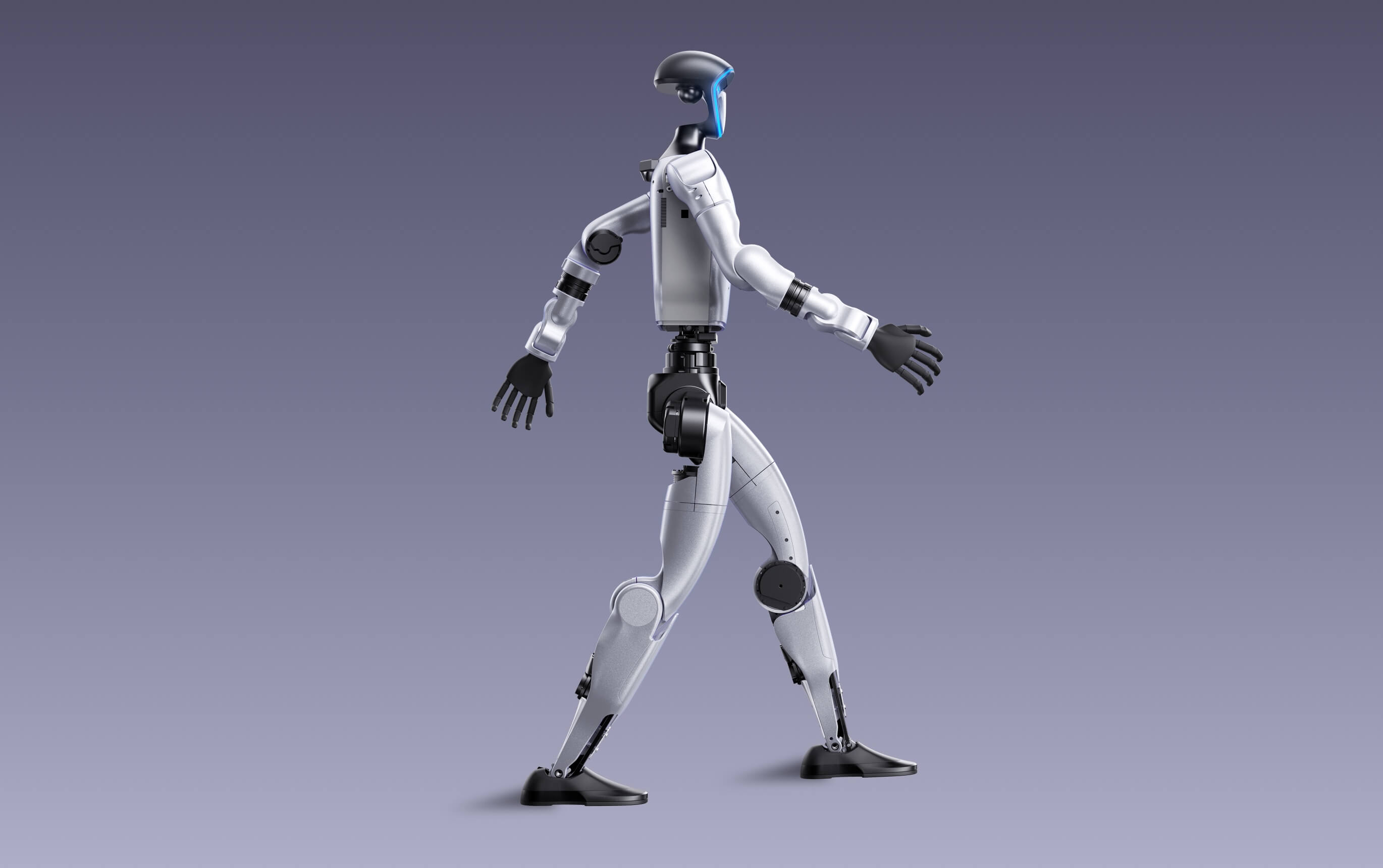
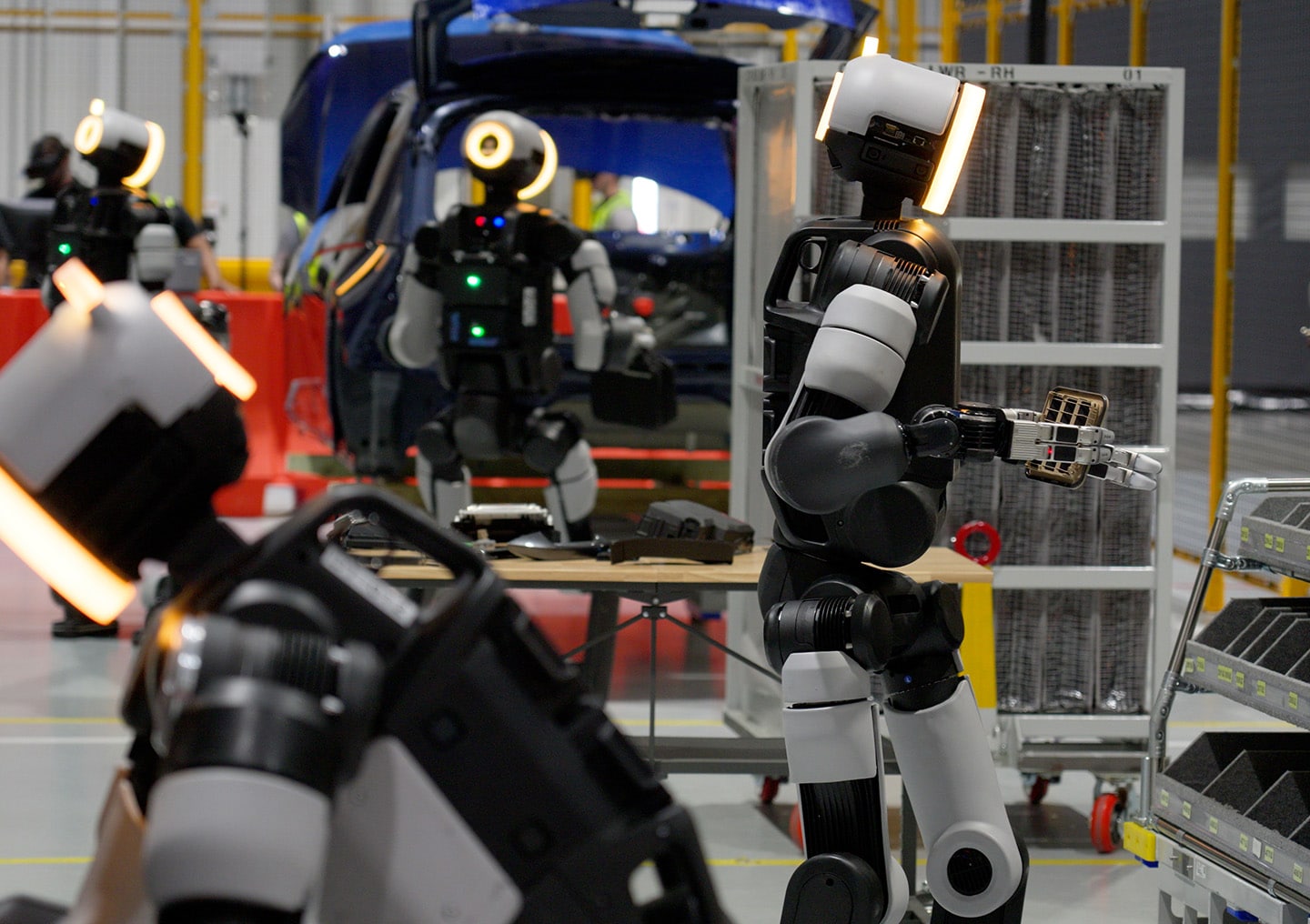
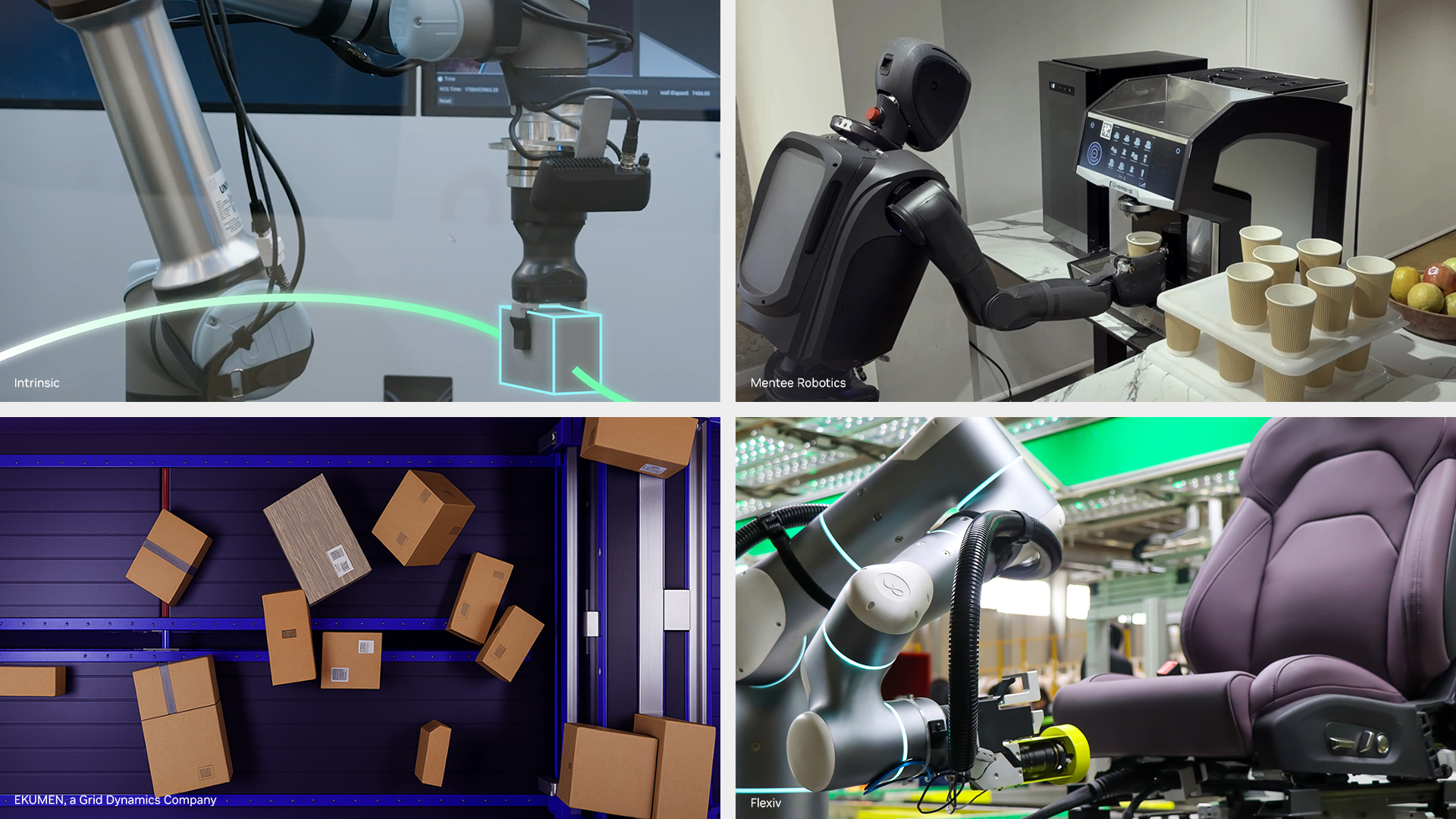
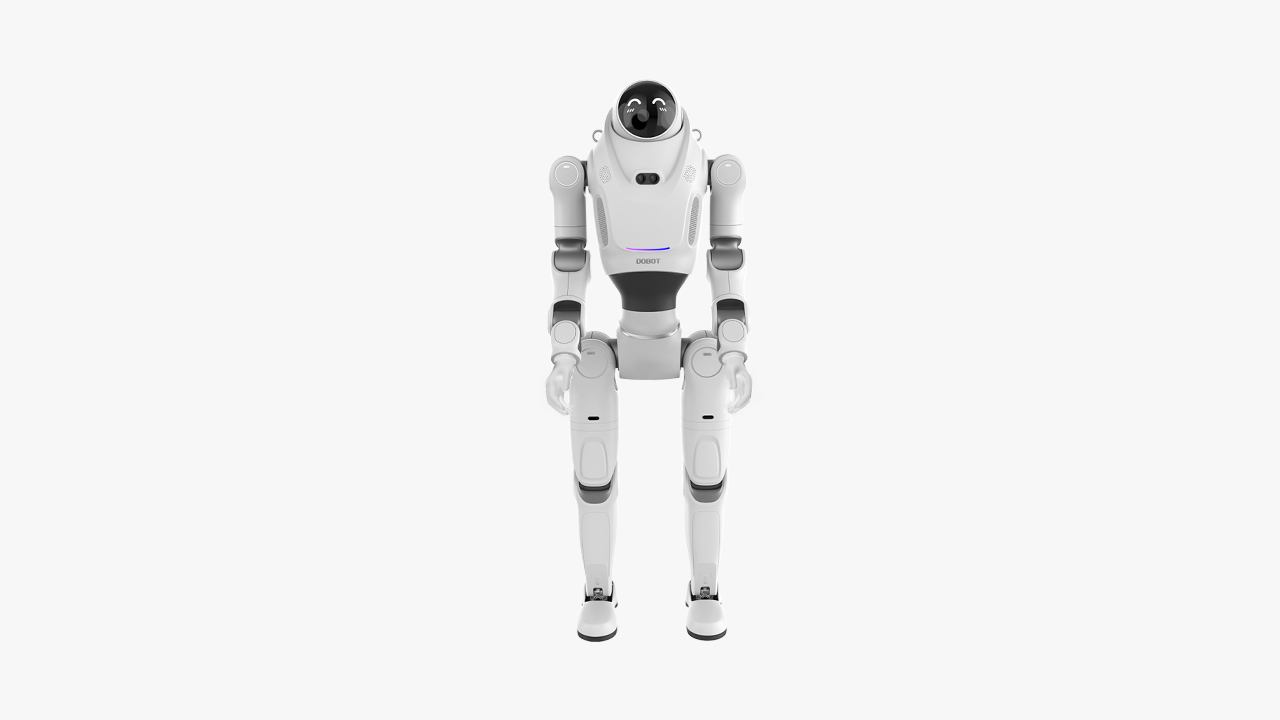
The fifth driver is the move from fixed machines toward flexible robotics. Humanoid joints, collaborative robots, autonomous handling, and intelligent production cells need compact actuators, high-response drives, functional safety, and software that simplifies tuning. These applications may be early, but they expand the design space for servo suppliers with strong power electronics, feedback, thermal management, and motion algorithms.
Recent Notable Investments
Yaskawa provides the clearest servo-linked capital signal. Its fiscal 2026 plan includes JPY58.0 billion, about US$377 million, of group capital expenditure and JPY24.0 billion, about US$156 million, of research and development. It completed a factory integrating servo-motor and robot production, began a United States campus with selected drives production, and acquired Tokyo Robotics for humanoid actuator development. The group commitments are not a servo-only budget.
FANUC America announced a US$90 million Michigan project covering 840,000 square feet of production-ready space, with completion targeted for late 2027 and 225 jobs expected. It supports possible domestic robot manufacturing, physical artificial intelligence, virtual commissioning, and digital twins. This is robotics capacity, not disclosed servo production, but it signals confidence in the automation ecosystem that consumes motion-control hardware.
Mitsubishi Electric reported JPY310.7 billion, about US$2.021 billion, of fiscal 2026 group capital expenditure, including JPY39.9 billion, about US$260 million, in Industry & Mobility. The segment is broader than servo systems, but the spending and stronger factory-automation revenue show investment in the platform around drives, controllers, robots, and digital manufacturing.
China’s suppliers add another signal. Inovance’s 2025 revenue increased 21.77% to CNY45.105 billion, about US$6.724 billion, while industrial automation and digitalization increased about 19%. Estun’s revenue increased 21.9% to CNY4.888 billion, about US$729 million, and it returned to profit while spending CNY418.658 million, about US$62 million, on research and development. Domestic suppliers are using scale and research to compete across components, robots, and software.
Public funding is reinforcing the trend. Korea launched a six-year advanced-technology-center program worth KRW289.5 billion, about US$216 million, including KRW211.94 billion, about US$158 million, of national funding. Intelligent robots and advanced manufacturing are among eight eligible fields. The program is not dedicated to servo systems, but it lowers the cost of research, global testing, and commercialization for technologies that can pull motion-control demand forward.
Key Risks
The first risk is cyclicality. Servo demand is tied to capital expenditure by equipment makers and factories. Semiconductor, automotive, battery, and machine-tool orders can rise quickly and then pause. A supplier can report strong orders while still facing inventory, pricing, or execution pressure. Yaskawa’s latest quarter illustrates the distinction: Motion Control expanded strongly, while group operating profit declined because of enterprise-system disruption and other costs.
The second risk is scope confusion. Investors may mistake robot-installation growth for servo-market growth or treat a broad automation segment as a pure-play servo business. Motion Control can include drives and controllers; Industry & Mobility includes businesses beyond factory automation; and robot factory investment does not disclose how much value flows to motors or drives. Valuation work should therefore use segment notes and product mix rather than headline totals.
The third risk is price competition. Chinese suppliers are gaining scale, integrating more of the automation stack, and offering localized service. That can expand adoption while compressing margins. Incumbents may defend share through software, safety certification, reliability, and application engineering, but those advantages require continuing research spending.
The fourth risk is technology substitution. Integrated actuators, decentralized drives, wireless control, and new motor architectures can shift value between component categories. A company that leads in one generation may lose relevance if its interfaces, software, thermal design, or safety functions lag.
The fifth risk is geopolitical concentration. Asia represented 74% of new industrial-robot deployments in 2024, and China alone represented 54%. That concentration supports scale but exposes suppliers to tariffs, export controls, localization rules, currency movement, and regional investment cycles. Local manufacturing can reduce some risks while raising fixed costs.
What Smart Money is Watching
Sophisticated investors should start with order quality, not market-size slogans. Watch whether servo and controller growth is broad across regions and end markets, whether orders convert into revenue, and whether margins improve after higher production and research spending. Segment operating profit is particularly useful because it tests whether growth is creating economic value rather than only volume.
Next, track committed capacity. Factory completion, equipment installation, hiring, and local production are harder signals than announcements alone. Yaskawa’s integrated servo-and-robot factory, selected drives production in the United States, and FANUC’s Michigan timetable create milestones that can be checked against future output and customer responsiveness.
Research intensity also matters. Spending should translate into higher power density, better thermal performance, functional safety, easier tuning, predictive diagnostics, and tighter integration with controllers and robots. Investors should ask whether new products win design slots and whether software or service revenue follows the hardware.
Finally, watch the balance between concentration and diversification. Semiconductor and data-center investment are strong current drivers, but durable suppliers should also serve machine tools, packaging, logistics, automotive, electronics, and emerging robotics. The best investment case is not simply the company with the fastest quarterly growth. It is the supplier that can convert a growing installed base into recurring engineering, replacement, software, and service value without losing pricing discipline.
Capital is flowing into servo motors and drives because controlled motion remains a bottleneck between digital intelligence and physical production. The evidence supports a durable automation theme, but not a frictionless one. Investors should reward measurable demand conversion, disciplined capacity, defensible engineering, and clear segment economics rather than relying on an unsupported global market headline.
Image credit: Yaskawa Electric, fiscal 2025 results briefing.
This article is for general information purposes only and does not constitute investment advice.