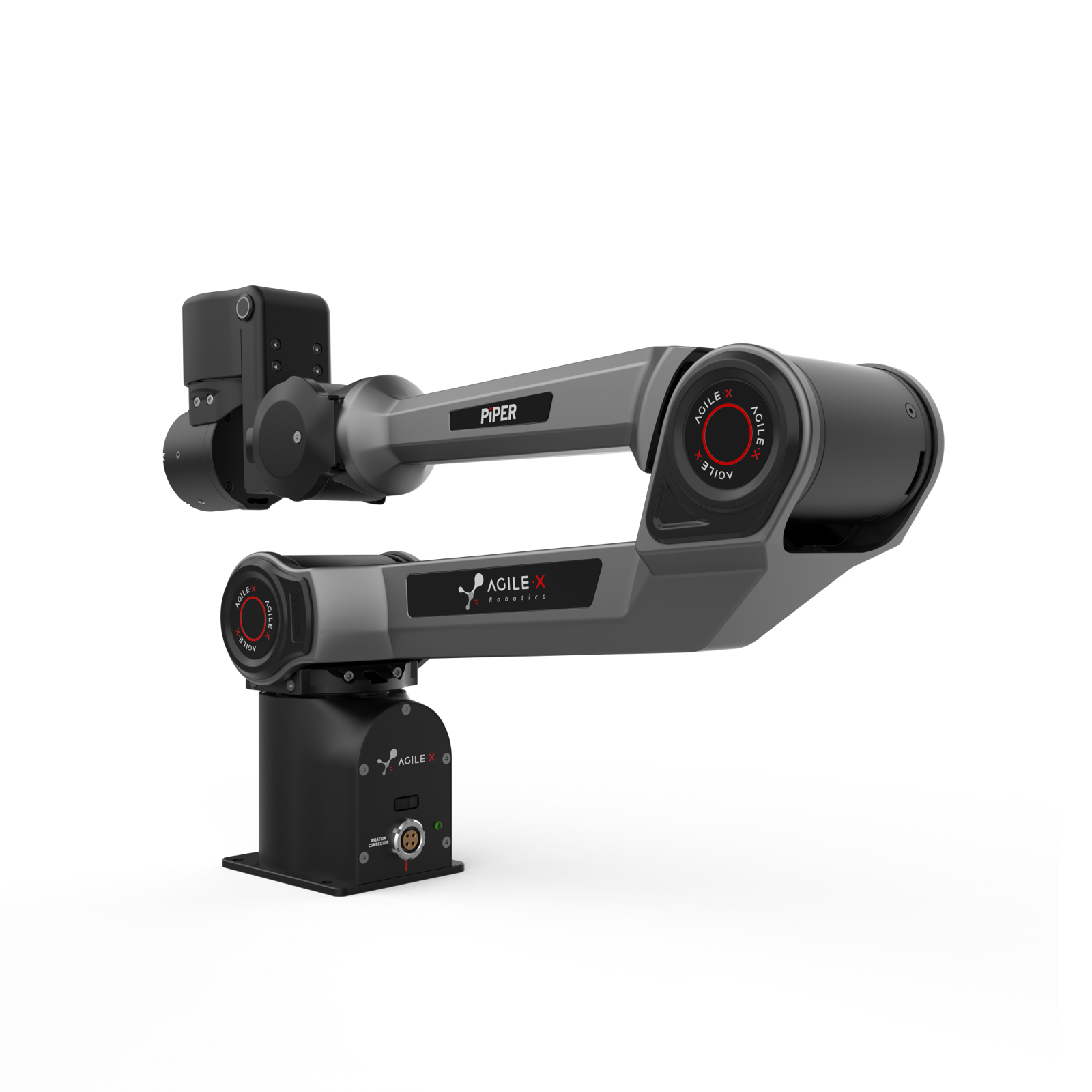
Robotics Went Vertical This Week. Southeast Asia Got Offered the Assembly Line Again.
Toyota's 400,000-unit in-house humanoid plan, D-Robotics' US$400 million chip raise, UWANT's US$715 million Suzhou base, and Korea's government-backed Humanoids Summit all landed within a day of each other, each one a country or company choosing to own a layer of the robot rather than buy it. Southeast Asia's part in the buildout, from Philippine electronics exports to Thailand's manufacturing tax incentives, remains assembly and floor space, not a seat in setting the standards, data rules, or software layer that increasingly decide who captures the value.

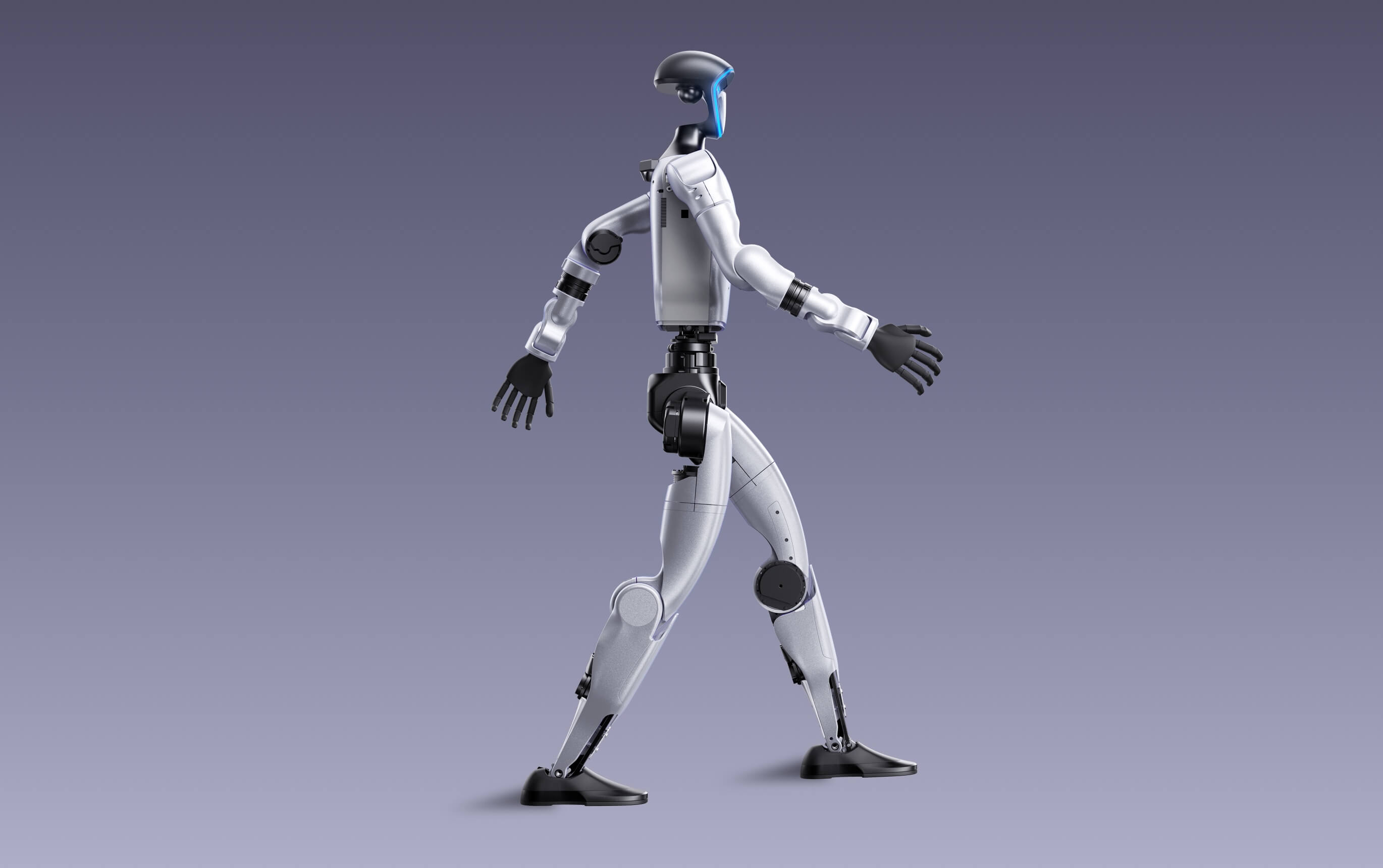
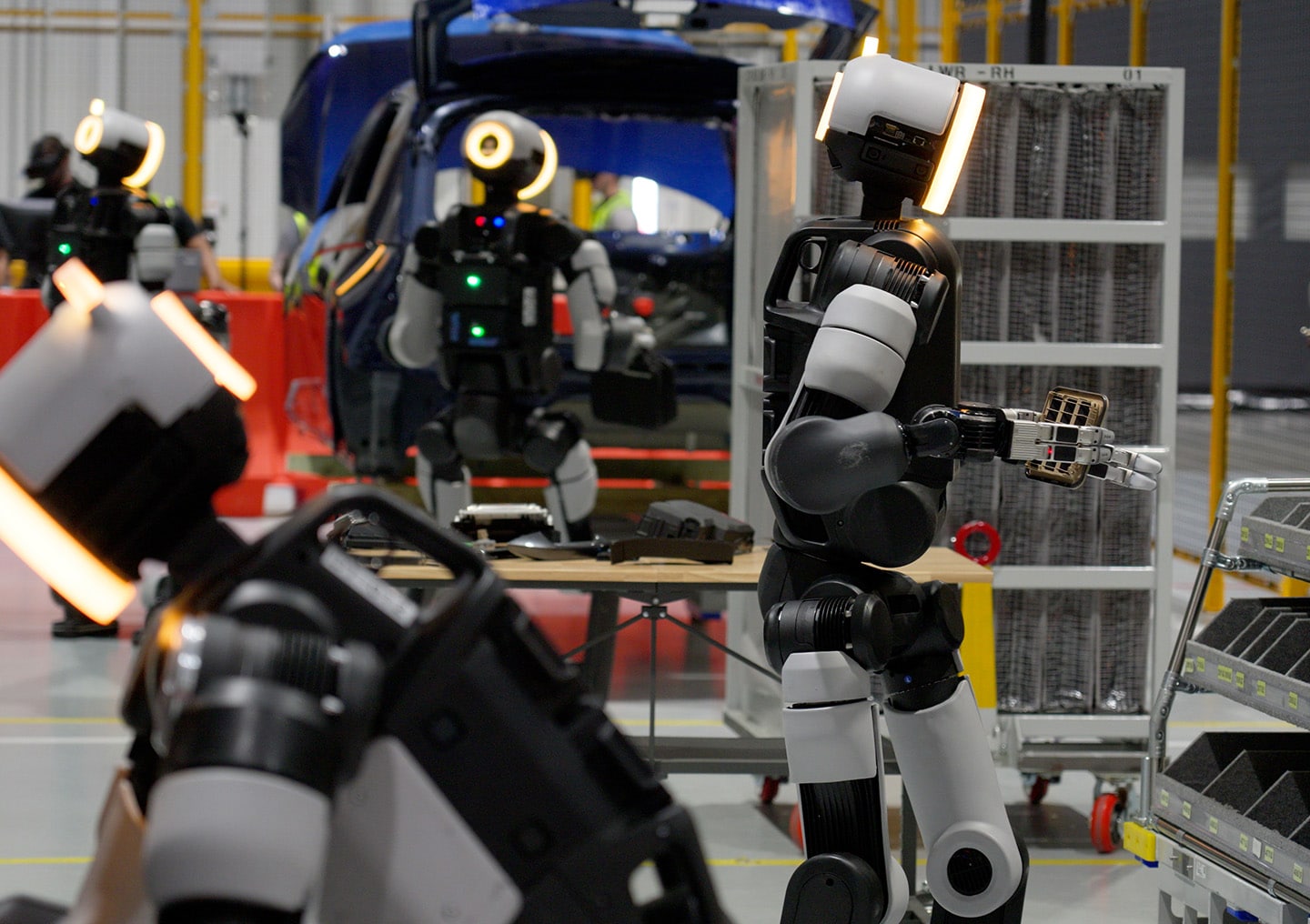
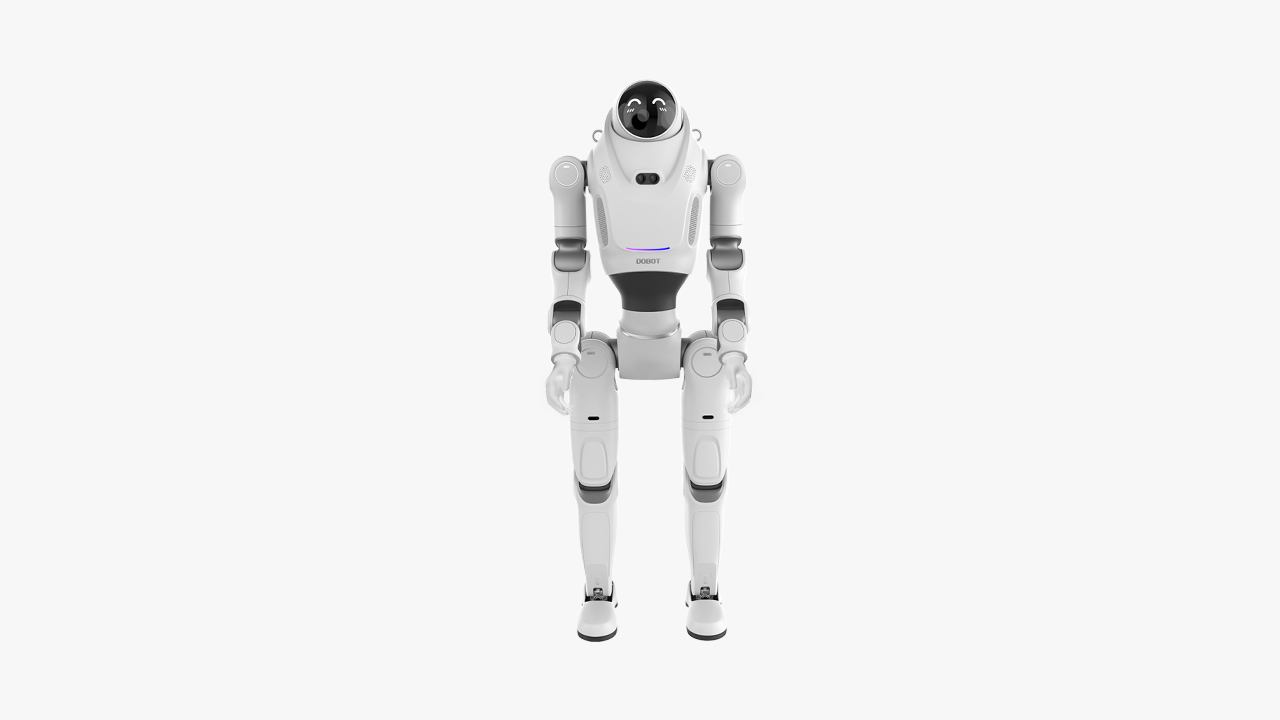
Between September 17 and 18, four separate announcements landed within about a day of each other. Toyota said it plans to put 400,000 in-house-built ELEY humanoid robots to work alongside staff at its factories worldwide. Suzhou-based UWANT's parent, Jiandan Youwei, committed RMB 5.1 billion, about US$715 million, to a four-phase manufacturing and R&D base in Wujiang District. D-Robotics, the Shenzhen chipmaker incubated by Horizon Robotics, closed a US$400 million Series C led by Mirae Asset Capital to scale its Sunrise chip line, which has already shipped more than 8 million units. And South Korea's Ministry of Science and ICT put its name behind the inaugural Humanoids Summit Seoul, opening September 22 with a vice minister giving opening remarks, the ministry describing the event as support for a national strategy meant to "lead Physical AI commercialization globally."
Four announcements, three countries, one pattern nobody named out loud: every one of them is a country or a company building capacity it intends to control itself, not capacity it intends to sell into an open market.
That is the actual story this week, and it has nothing to do with any single robot. Toyota did not go shopping for a humanoid supplier. It built ELEY as an in-house line. D-Robotics is not selling generic silicon to whoever shows up. Its Sunrise chips and RDK developer kits exist to lock robotics developers into a chip stack that Horizon Robotics and its spinout control end to end. Korea's summit is not a trade fair looking for exhibitors. It is a national ministry declaring robotics a strategic sector the way semiconductors and shipbuilding were declared strategic sectors a generation earlier.
I run a robotics data platform out of the Philippines, which means my job is tracking exactly this kind of company and government move against a taxonomy of who actually makes what, for whom, and I've watched the pattern before. It is what China's automakers did with EV batteries, and what Korea's own chaebols did with memory chips. When an industry decides a component is strategic, the winners stop buying it and start owning it.
Assembly Was the Deal, and Southeast Asia Kept Its Side
Southeast Asia's usual answer to a hardware wave like this is not new capital or new policy. It is labor and floor space, offered at a price a strategic-sector country cannot match. It has worked before. The Philippines' electronics sector exported US$49.64 billion in 2025, according to the Semiconductor and Electronics Industries in the Philippines Foundation, up more than 16 percent from 2024 and accounting for close to 59 percent of the country's total exports. That is not a marginal industry propped up by government promises. It is one of the most electronics-dependent trade profiles anywhere in the world, built by decades of exactly the kind of contract-assembly work robotics manufacturing would seem to need.
Thailand offers the clearest government answer to what that role is worth today. Its Board of Investment grants an eight-year corporate income tax exemption, uncapped, to manufacturers of automation and robotics equipment under its A1 promotion category. A separate incentive gives domestic manufacturers a three-year exemption worth up to their full investment value if at least 30 percent of the automation equipment they install has Thai-industry content. Read the fine print and the shape of the offer is unmistakable: come build robots here, or buy Thai-made components when you automate your own line. Neither incentive is written around Thailand deploying the finished humanoid, buying the finished chip stack, or sitting anywhere near the strategy table where Toyota, D-Robotics, or Seoul's ministry are making their calls.
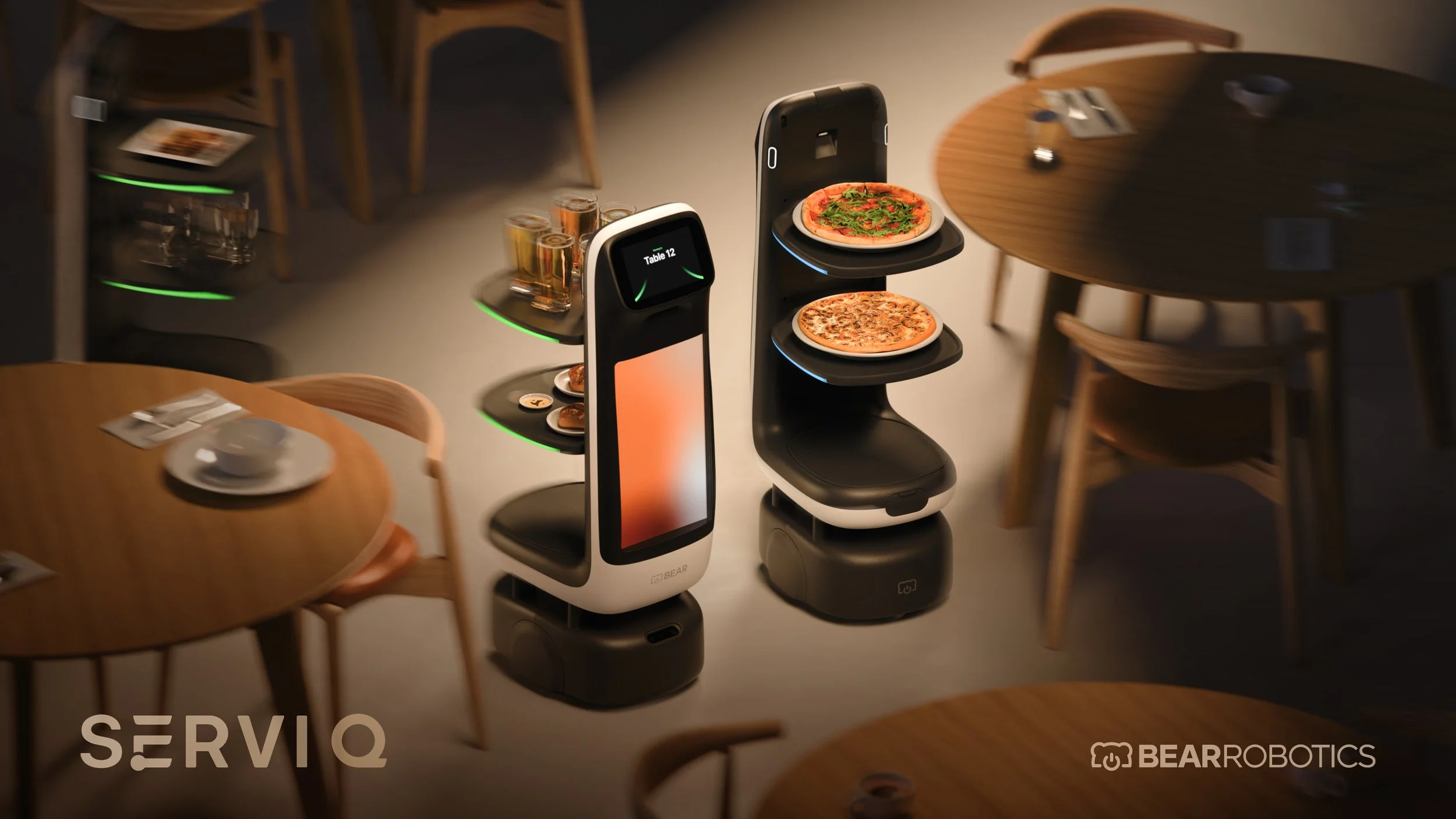
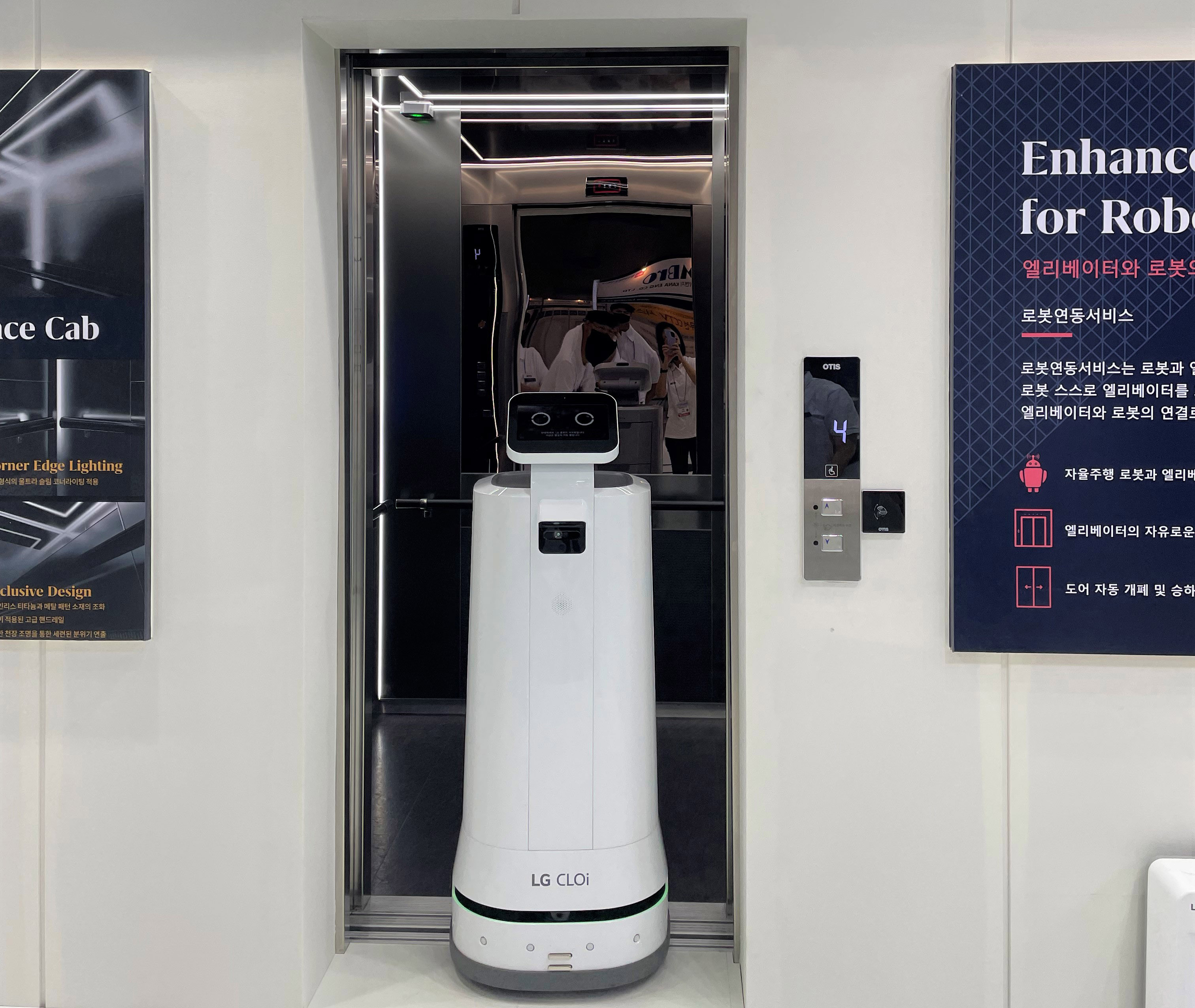
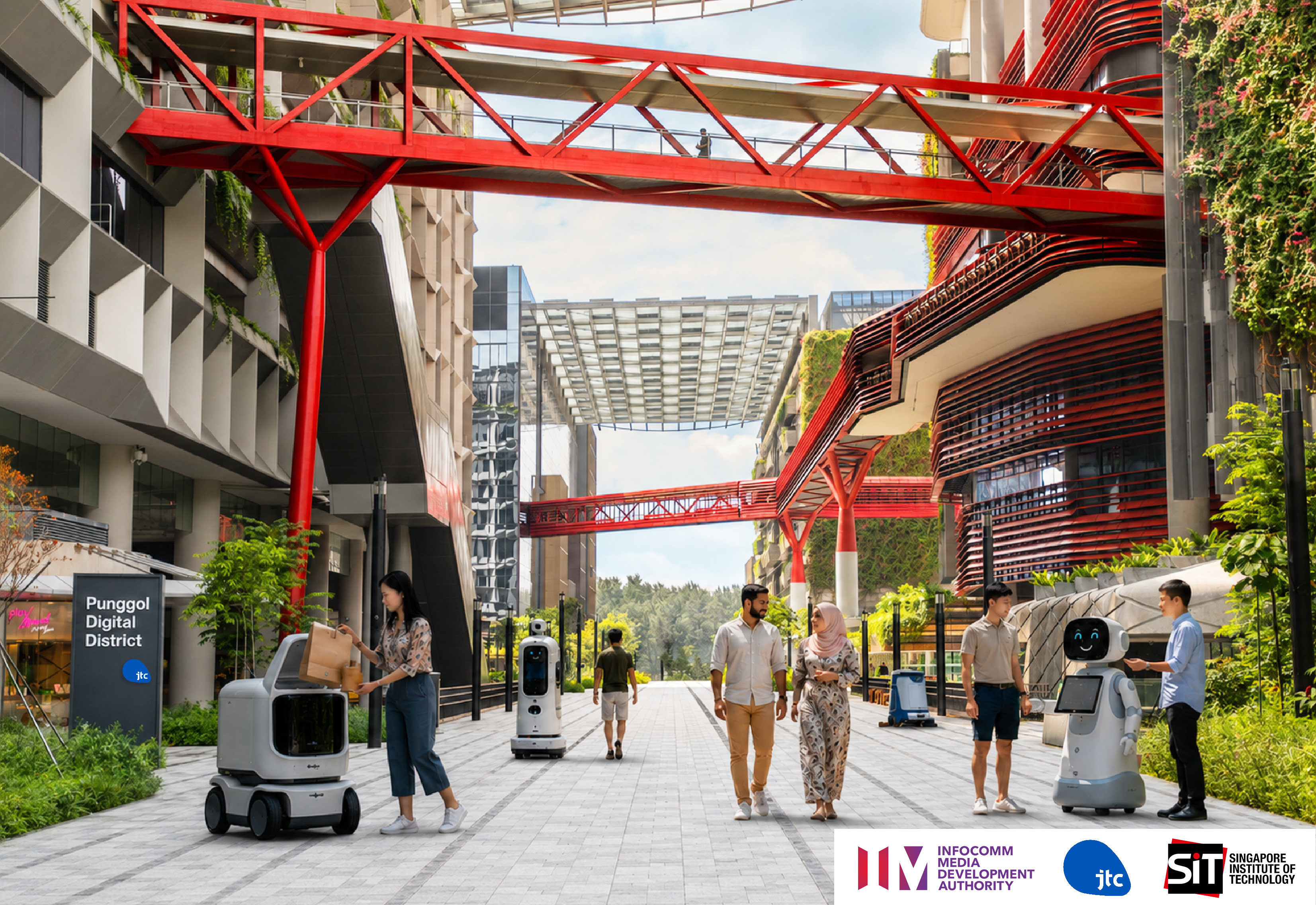
Singapore is the exception that proves how small the counter-example still is. In May, the Infocomm Media Development Authority, JTC, the Singapore Institute of Technology, the Land Transport Authority, and the National Robotics Programme jointly launched a multi-operator robot testbed at Punggol Digital District, with Certis, DHL, Grab, and QuikBot signed on to run delivery, patrol, and cleaning robots through a shared public space later this year. It is a genuinely coordinated, multi-agency policy effort, the kind no other ASEAN government has matched. It is also one district, four service categories, and a handful of named operators, with no unit count disclosed. Toyota's single in-house plan, on its own, is almost certainly a larger robot population than Punggol will ever run, before Punggol's first robot has even rolled out.
The Difference Between Building Robots and Deciding About Them
None of this makes assembly work worthless. US$49.64 billion in exports pays real wages and keeps real factories open, and that is not a footnote to be waved off in service of a sharper argument. But there is a difference between a region that builds the hardware and a region that gets consulted on how the hardware behaves once it is running, and the vertical-integration wave visible in this week's announcements is closing that second door faster than it is opening the first one wider.
Consider what "strategic sector" status actually buys a government. It buys a seat in setting safety standards before an industry calcifies around someone else's defaults. It buys leverage over where data generated by deployed robots gets stored and who can use it. It buys the ability to require that a certain share of software, not just hardware, gets written domestically. Search the policy record of any ASEAN capital and I cannot find a robotics or physical-AI strategy document that plays the role Korea's Ministry of Science and ICT paper plays: a government explicitly naming the sector, setting commercialization targets, and building the institutional muscle to enforce them. What exists instead, across Thailand, Vietnam, Indonesia, and Malaysia, are general AI governance frameworks and investment-promotion schedules, useful instruments, but instruments aimed at attracting capital, not directing it.
That distinction matters more in this cycle than it did in the smartphone-assembly era it superficially resembles. A contract manufacturer assembling iPhones never needed a seat in Cupertino's product strategy meetings because the assembly layer and the design layer were genuinely separable businesses trading at arm's length. The chip stack D-Robotics is building, and the in-house robot brand Toyota is building, are not being offered for licensing to whoever wants to integrate them. They are the whole point of vertical integration: keep the layer that captures the recurring value, and let everyone else compete for the layer that doesn't.
- Toyota controls its own robot brand end to end.
- D-Robotics and its parent Horizon Robotics control the chip stack their own developer ecosystem runs on.
- Korea's ministry is building policy infrastructure around a sector it has already decided to own a piece of.
Three different mechanisms, one shared effect: fewer arm's-length seams for an outside supplier, however skilled, to insert itself into.
What Would Actually Change the Read
I would drop this thesis the moment the facts stop supporting it, and the facts that would do it are specific. Watch whether Toyota's 400,000-unit rollout ever names a non-Japan production or deployment site in Southeast Asia, rather than treating the region purely as a components source. Watch whether any ASEAN government publishes a dedicated robotics or physical-AI strategy document, not an AI law, not an investment circular, a document that sets national commercialization targets the way Korea's does. Watch whether D-Robotics or a comparable chip supplier licenses its stack to a non-Chinese developer ecosystem instead of keeping it captive to clients it already counts by the tens.
None of those three things happened this week. What happened instead was a fully ordinary week for an industry mid-consolidation: three governments and companies quietly decided which layer of the robot they intend to never have to buy from someone else again, and a fourth region kept doing the one thing it has always been asked to do well.
The uncomfortable question for Southeast Asian policymakers is not whether the assembly work will keep coming. On this week's evidence, it will, at least for a while. It is whether assembly work bought the region a seat at the table in the smartphone era or just a very durable invoice, and whether robotics, with its far tighter grip on the software and data layers, will even leave the invoice on the table for as long.
Hero image: official rendering from the Infocomm Media Development Authority, JTC Corporation, and Singapore Institute of Technology's joint press materials for the Punggol Digital District robotics testbed.
Disclaimer: This article is for general information purposes only and does not constitute investment, legal, or procurement advice. Readers should verify details with primary sources before making business decisions.