A US$637,000 Robot-Arm Line Beats a Cluster Count as a Supply-Chain Signal
Epson just registered a US$637,000 robot-arm line at its 31-year-old Batangas, Philippines plant, adding SCARA and six-axis production plus knock-down sub-assembly and spare parts to an existing 20,000-worker facility. The investment is tiny next to Cognex's US$500 million RealSense deal or China's provincial robot cluster counts, and that smallness is the actual signal: this is what a real, low-risk supply-chain diversification test looks like, versus a headline built for a press cycle.

On August 13, an official from the Philippine Economic Zone Authority and an executive from Epson's local manufacturing unit signed a supplemental agreement inside the Lima Technology Center-Special Economic Zone in Batangas, a couple of hours' drive south of Manila. The line item they agreed to: a new registered activity letting Epson Precision Philippines build Selective Compliant Articulated Robot Arms and six-axis industrial robots, plus the component parts, sub-assemblies, spare parts, and after-sales service parts that go with them. The investment behind it is a little over 40 million Philippine pesos, roughly US$637,000 at this week's exchange rate. Commercial operation is targeted for March 2027. The expected headcount is 118 people.
Compare that to the numbers this industry usually asks you to care about. Cognex just paid US$500 million for a camera company. A Chinese province spent a week in September signing 600 robots into factories under a plan to scale into the thousands. Humanoid funding rounds routinely clear nine figures before a single unit ships. Against that backdrop, a US$637,000 line for spare parts and sub-assemblies looks like a rounding error, not a story. That is exactly why it is the more trustworthy signal. Robot-arm manufacturing capacity is quietly regionalizing away from single-country concentration, and the tell is not a headline number. It is how small, incremental, and unglamorous the number is allowed to be.
Thirty-One Years, Then a Rounding Error
Epson has held a Philippine Economic Zone Authority registration since 1995. Its existing Batangas footprint runs three factory buildings across 33 hectares and employs more than 20,000 workers, almost entirely on printer heads, precision components, and semiconductor-related parts, not robots. The PEZA director general's own framing of the new agreement, delivered at the signing, called it a chapter of Epson "reinventing itself and moving up the value chain, from precision printing to precision robotics." That line is doing real work: it is an admission that robotics is not why this plant exists, but an addition to a much larger, already-depreciated industrial asset the company has run at scale for three decades.
That sequencing matters more than the dollar figure. A company does not need a new factory, a new workforce, or a new country risk assessment to add a robot-arm line here. It needs a supplemental agreement and 118 more people inside a facility whose power, logistics, customs treatment, and labor pipeline are already proven. The lowest-risk way to test whether a market can support robot-arm production is to bolt it onto a plant that already works, and that is precisely what this filing describes.
Small Is the Tell, Not the Weakness
A skeptical read says a US$637,000 line proves nothing: it is too small to represent a real strategic shift, more likely a tax-registration formality than a genuine manufacturing pivot. I take the opposite view, for a specific reason. Money spent to generate a press cycle tends to be sized for the press cycle. Money spent to quietly test whether a location can support a new product line tends to be sized for the test. A nine-figure groundbreaking ceremony announces intent before the intent is proven. A six-figure registered activity, for spare parts and knock-down sub-assembly rather than finished high-volume units, is what a company files when it wants the option to scale later without having committed to scaling now.
Nobody holds a ribbon-cutting for a spare-parts line.
That is also why the product mix in the filing is worth reading closely rather than skimming past. Epson did not register full SCARA and six-axis production first. It registered component parts, sub-assemblies for knock-down production, spare parts, and after-sales service parts, with finished-arm manufacturing folded into the same activity rather than leading it. That is the manufacturing equivalent of opening a regional service center before opening a regional factory: lower capital risk, faster to staff, and it builds the local supply and technician base that a future full production line would actually need. If this expands in twelve or eighteen months without a second press release, that is the confirmation. If it does not expand, the filing quietly lapses and nobody outside a PEZA registry ever notices.
Arms Are Not the Story Everyone Is Watching
Every recent headline about robot manufacturing geography, including one I wrote two days ago, has been about counting deployed units: a Chinese province's ten-company cluster, a theme park's 300-robot rollout, a marathon-running quadruped's endurance record. Those are stories about where robots work. This is a story about where the arms themselves get built, a quieter and less-covered question, and by Epson's own account it is the company that ships more of them than anyone: it describes itself as the world's number one SCARA robot manufacturer, a claim it has backed with a specific figure, more than 150,000 SCARA units sold worldwide as of a company disclosure from October 2023. That is a self-reported number, not an independently audited one, and it predates this year, but it establishes the baseline scale that makes a 118-person Philippine addition meaningful: this is not a startup testing an unproven product in an unproven market. It is the incumbent volume manufacturer adding a second geography to a product line it already dominates.
The honest caveat is that one filing is one data point, not a trend line. I have not found a second Japanese arm manufacturer's Southeast Asian filing from this same month to pair it with, and I would rather say that plainly than manufacture a pattern out of a single agreement. What I can say is narrower and still useful: the country I write this column from just became a live test case for whether robot-arm manufacturing, not just robot deployment, diversifies away from concentrated production geography, and the test is cheap enough that nobody involved needs it to succeed for reputational reasons.
What March 2027 Actually Tests
The tradeoffs are real. The Philippines is not going to out-compete China or Japan on production cost or component density in the next five years, and a 118-job knock-down line will not change that math. Grid reliability, port logistics, and the availability of precision-manufacturing technicians outside Metro Manila are the practical ceiling on how far this kind of registration can scale, and Epson's own choice to start with sub-assembly and spare parts rather than full production reads as an acknowledgment of exactly that ceiling. A permit is not a production line, and a production line missing its March 2027 target would be the more common outcome than the one that gets written about.
What I will actually be watching is not the launch date. It is whether Epson's PEZA registration gets amended again in 2028 to expand capacity, the unglamorous administrative event that would mean the test passed. A press release measured in nine figures asks you to believe a story before it happens. A permit measured in six figures does not ask you to believe anything. It only has to get renewed.
This column reflects the author's own analysis of public regulatory filings and company disclosures current as of September 25, 2026. It is for general information purposes only and does not constitute investment, financial, or legal advice.
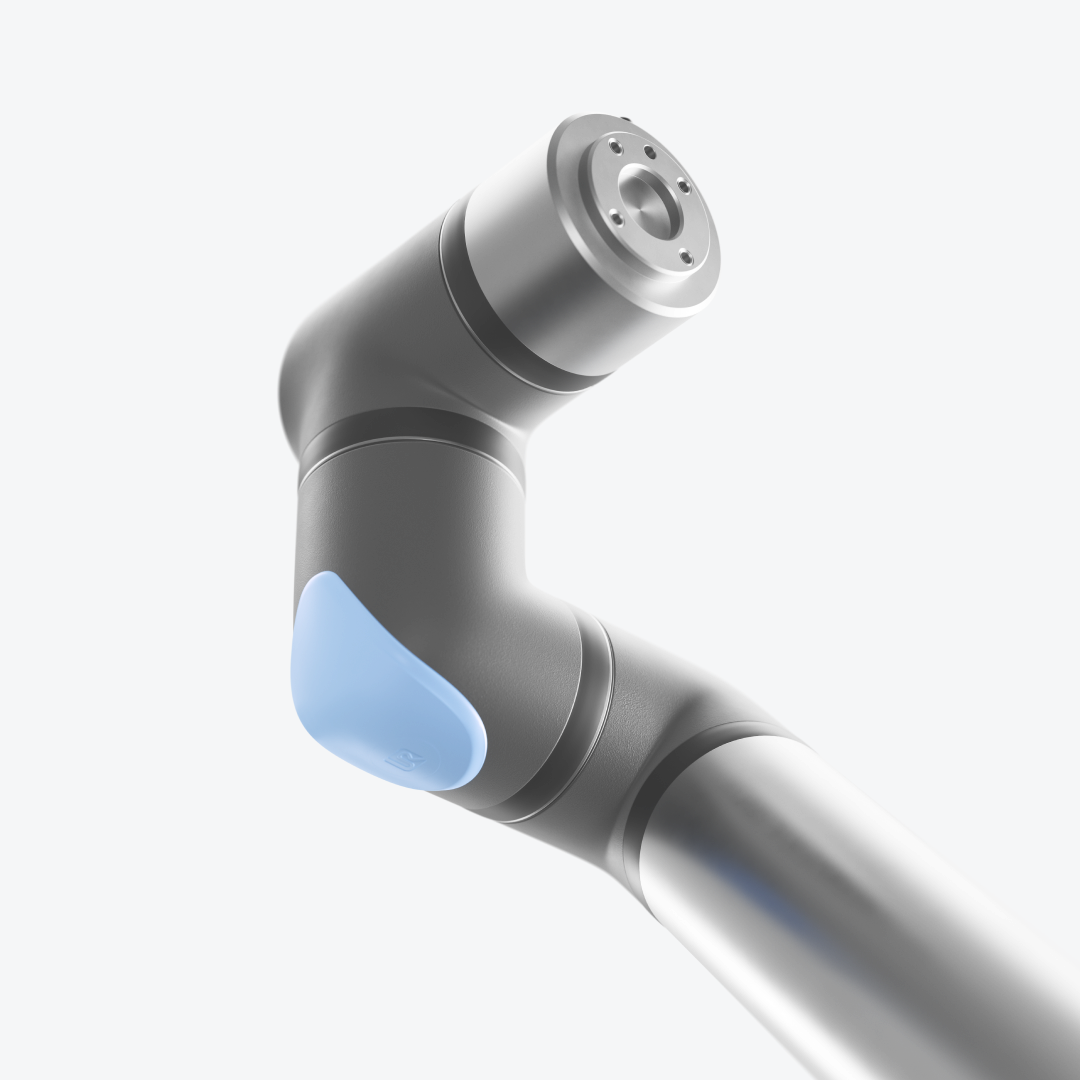
Hero image: Epson SCARA robot, official product photography. Credit: Epson.