Morgan Stanley Doubles China Humanoid Robot Forecast to 50,000 Units
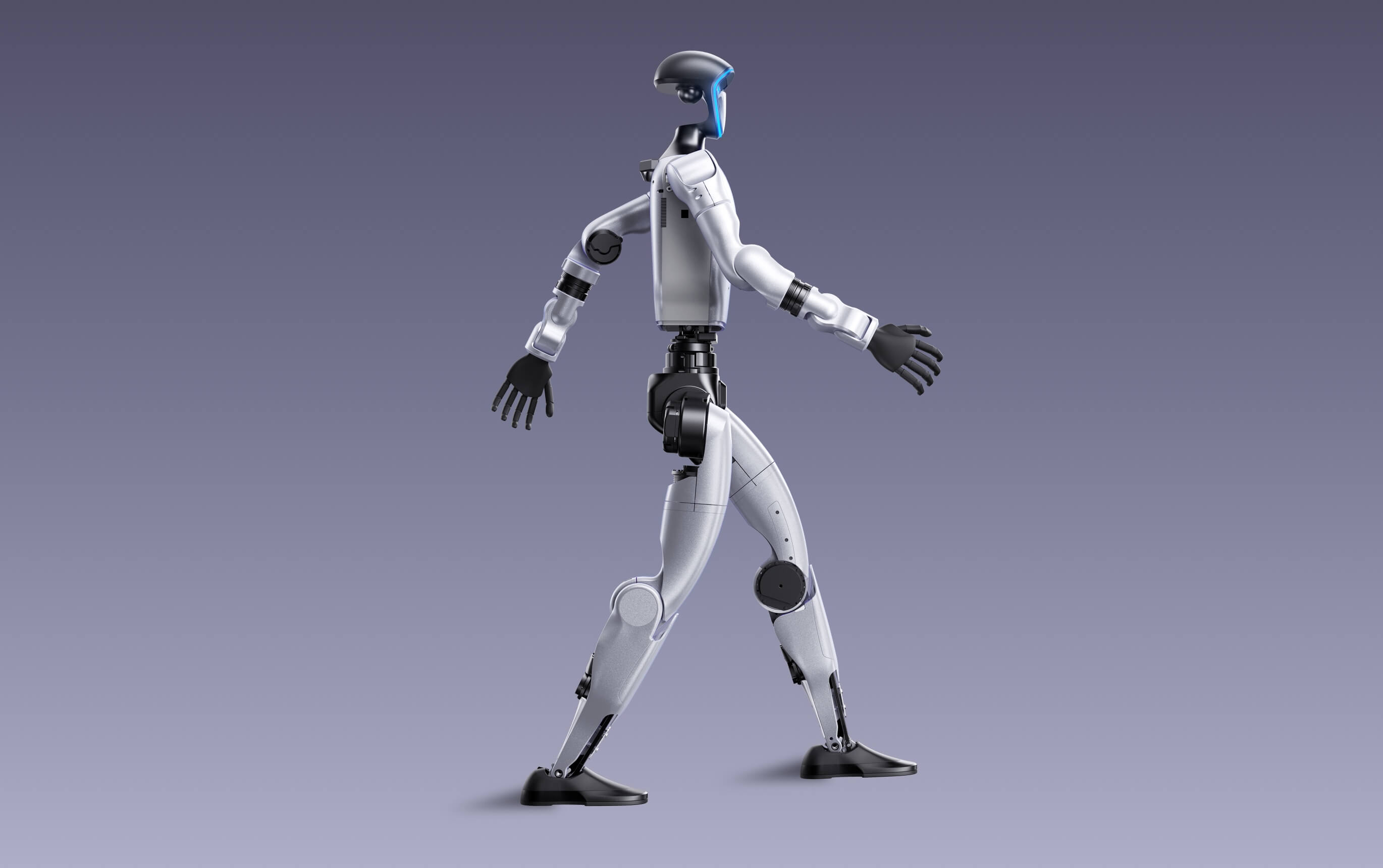
Morgan Stanley has doubled its 2026 forecast for China's humanoid robot shipments to 50,000 units, citing faster than expected commercial verification and strong supply chain feedback. This dramatic upward revision reflects a fundamental shift in the Chinese robotics ecosystem as the industry moves aggressively from the demonstration phase into active commercial deployment.
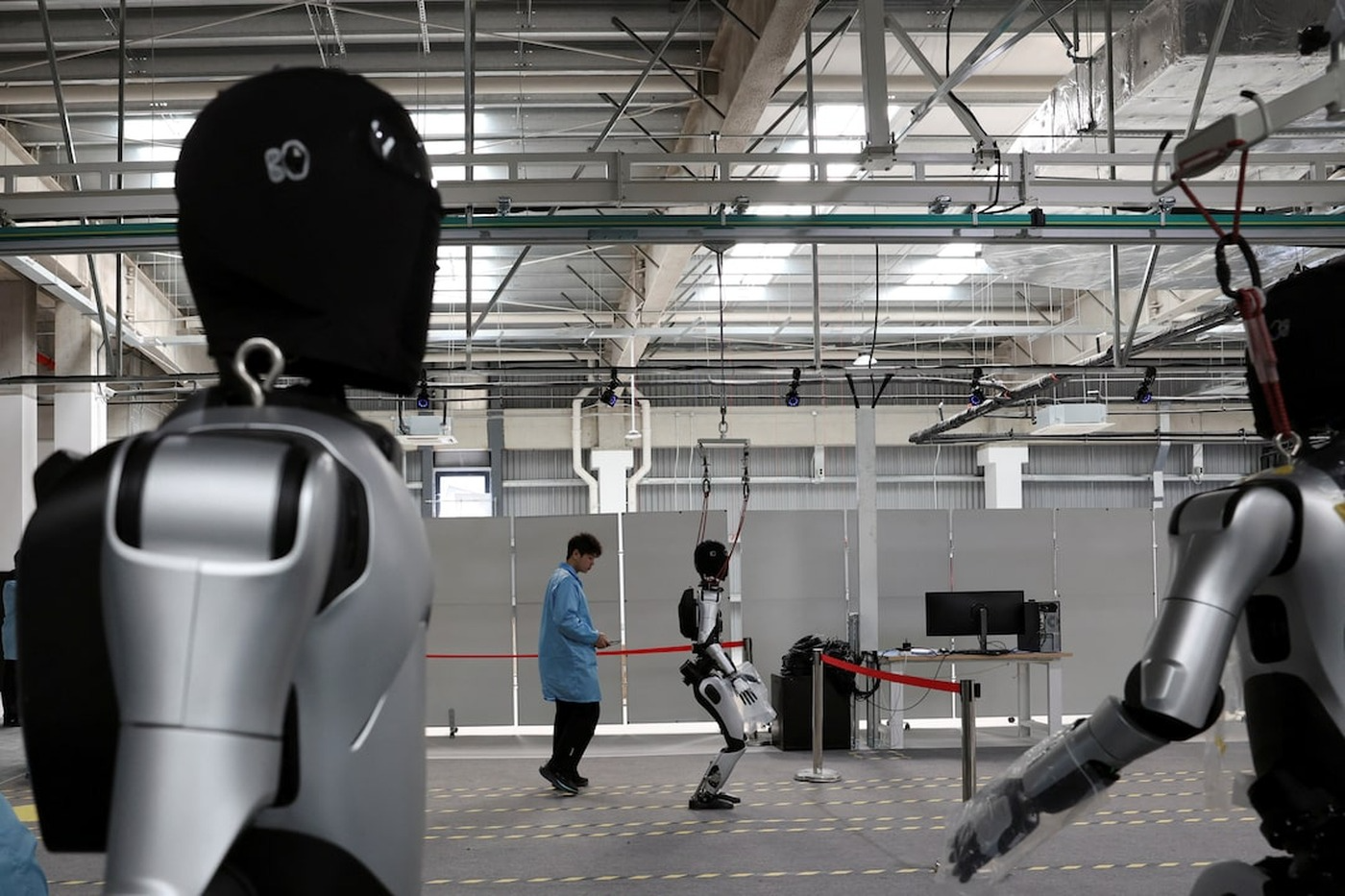
The timeline for the mass adoption of humanoid robots is compressing rapidly. Morgan Stanley has upgraded its forecast for China's humanoid robot shipments for the second time this year, projecting that 50,000 units will ship in 2026. This figure is nearly double the bank's previous projection of 28,000 units, and a massive increase from its initial January estimate of just 14,000 units.
Moving Aggressively from Demonstration to Deployment
According to the research note, the bank estimates that China's humanoid robot market will reach 2 billion dollars this year and expand to 15 billion dollars by 2030, with annual shipments projected to hit 446,000 units by the end of the decade. Crucially, this forecast includes only external sales, excluding units produced for internal testing or prototypes.
This dramatic upward revision reflects a fundamental shift in the Chinese robotics ecosystem. The industry is moving aggressively from the demonstration phase into active commercial deployment. Morgan Stanley cited faster than expected commercial verification, robust policy support, and positive feedback from the supply chain as the primary drivers for the accelerated adoption rate.
State Backed Momentum and Supply Chain Advantage
Beijing has designated embodied AI as a strategic priority, directing local governments to support startups and encouraging banks to provide favorable lending terms. This state backed momentum is translating into real world deployments, with Chinese manufacturers rapidly scaling production and placing robots in factories, logistics centers, and commercial environments.
The immediate beneficiaries of this volume surge are the component suppliers within the Chinese robotics supply chain. Morgan Stanley specifically highlighted Leaderdrive, a supplier of precision robotic components to major domestic humanoid makers, projecting the company could capture a 40 percent global market share this year. Conversely, Western robotics companies face increasing pressure. The risk for Western companies is that Chinese manufacturers will achieve economies of scale and drive down hardware costs before their international rivals can establish a firm foothold in the market.
The Morgan Stanley forecast should serve as a wake up call for the global robotics industry. The narrative that humanoid robots are a technology of the 2030s is obsolete; the commercialization phase is happening right now, led by Chinese manufacturing velocity. China's ability to rapidly iterate on hardware, secure domestic supply chains, and deploy units at scale is creating a distinct advantage. For Western companies and policymakers, the challenge is clear: winning the AI software race will not matter if you lose the hardware manufacturing and deployment race.
Primary Sources:
1. Morgan Stanley Research — China Humanoid Robotics Market Update (June 2026)
2. South China Morning Post — Humanoid robot shipments in China forecast to surge (June 2026)
Disclaimer: All editorial content is independently written by RobotAIGeek based on publicly available Chinese and English-language sources. Quoted material is attributed to its original publisher and not been independently verified by RobotAIGeek.