East Asia's Listing Wars: Where Robotics Capital Goes Public
The battle for robotics capital in East Asia is intensifying as exchanges vie for the next generation of automation leaders. Hong Kong's Chapter 18C specialist technology pathway has emerged as a dominant force, demonstrated by the recent successful debut of Rokae Robotics. This article compares the listing dynamics across Hong Kong, South Korea, Japan, and Taiwan, analyzing how robotics companies navigate valuation, liquidity, and regulatory environments in 2026.

The Rokae Pricing Signal
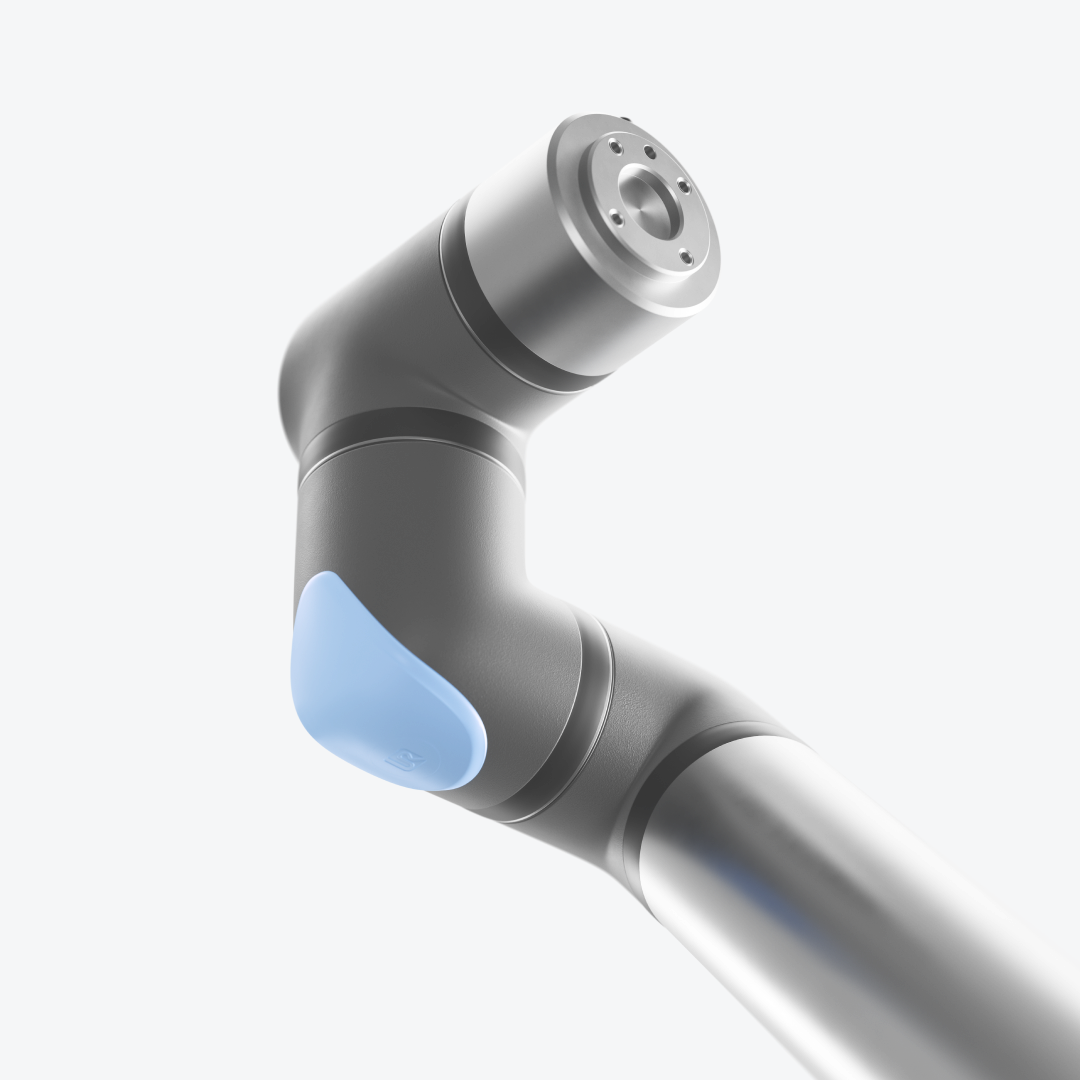
The July 9, 2026, debut of Rokae (Shandong) Robotics Group Inc. on the Hong Kong Stock Exchange provides a definitive data point for East Asia's capital markets. Raising HK$875.2 million in its global offering, the industrial and collaborative robotics manufacturer priced its H shares at HK$38.00, securing a market capitalization of nearly HK$9.5 billion. The offering's reception was overwhelmingly positive, with the Hong Kong public tranche oversubscribed 156.58 times and the international tranche oversubscribed 11.96 times. This level of demand underscores a sustained investor appetite for automation hardware, even amid broader market volatility. Rokae's successful listing, trading under the code 3752, is a direct validation of Hong Kong's strategic pivot toward deep technology and advanced manufacturing.
The Chapter 18C Structural Advantage
Hong Kong's emergence as the preferred venue for mainland robotics firms is not accidental. It is the result of deliberate regulatory engineering, specifically the introduction of Chapter 18C in 2023. This framework lowered the revenue and profit thresholds for specialist technology companies, recognizing that deep tech enterprises often require substantial capital long before they achieve traditional profitability metrics.
The impact of Chapter 18C is now highly visible. In the first half of 2026 alone, the exchange saw a surge in specialist technology listings, with 13 companies utilizing this pathway, compared to just a handful in previous years. These listings span semiconductors, robotics components, and artificial intelligence platforms, collectively raising significant capital and reshaping the exchange's profile.
Beyond Rokae, the pipeline is robust. Direct Drive Tech, a manufacturer of robotic joint modules based in Dongguan, recently cleared its listing hearing, aiming for a Main Board listing. Despite reporting negative operating cash flows and net losses, Direct Drive Tech met the Chapter 18C valuation threshold of HK$4 billion and revenue threshold of HK$250 million, supported by its dominant market share in consumer robot direct drive power modules. Similarly, autonomous driving unicorn Momenta recently secured approval for a $1 billion Hong Kong IPO, abandoning previous plans for a US listing. This migration of high profile AI and robotics firms to Hong Kong cements the city's status as the premier capital hub for China's automation sector.
Evaluating the Regional Competitors
While Hong Kong captures the headline IPOs, other East Asian exchanges offer distinct value propositions and challenges for robotics companies.
South Korea's technology heavy KOSDAQ has experienced extreme volatility in 2026. Driven by retail investor enthusiasm for AI and semiconductor stocks, the broader Korean market surged dramatically early in the year, only to face sharp corrections and circuit breakers by July. While early stage robotics startups in Korea continue to attract significant venture capital, the public market environment has become more discerning. The withdrawal of Seoul Robotics' planned IPO earlier in 2026 signaled a shift toward fiscal discipline among institutional investors, demanding clearer paths to profitability amidst the retail driven AI frenzy.
The Tokyo Stock Exchange remains a powerhouse for established industrial automation giants like FANUC and Yaskawa. It offers access to a deep pool of institutional investors with decades of experience evaluating robotics business models. However, the exchange has seen relatively few pure play robotics startups debut in recent years. The market favors mature, dividend paying conglomerates over high burn, early stage technology firms, making it a challenging venue for companies seeking growth capital comparable to what Chapter 18C offers.
The Taiwan Stock Exchange dominates the upstream supply chain. It is the undisputed center for semiconductor manufacturing, precision components, and contract electronics assembly, which are the foundational elements of the robotics industry. While not typically the venue for end product robotics brands, the exchange is critical for the hardware ecosystem that enables global robotics production.
Capital Allocation for Embodied AI
For a robotics founder evaluating East Asian exchanges in 2026, the calculus is clear. Hong Kong offers the most accommodating regulatory framework for pre profit technology companies, deep pools of international and mainland capital, and a growing ecosystem of comparable peers. The Chapter 18C pathway has successfully bridged the gap between venture capital and public markets for capital intensive robotics hardware and AI software firms.
The successful pricing and debut of Rokae Robotics, followed by the imminent listings of Direct Drive Tech and Momenta, confirm that the exchange has won the current phase of the listing wars. As the industry transitions from industrial automation to embodied AI and humanoid deployment, the capital required will be immense. Currently, Hong Kong is the primary venue in East Asia willing and able to underwrite that future.
Looking ahead, the pipeline remains active. The next major test of investor sentiment will be the pricing of Direct Drive Tech's offering, which will determine how public markets value upstream component suppliers compared to complete robot manufacturers.
This analysis synthesizes company statements and public market activity.