Humanoid Robots' Missing Expense Line Is a Philippine Call Center
Humanoid robot makers are raising money as if autonomy is a solved problem, but their own disclosures and the history of Scale AI's Philippine data-labeling operation show how much of the job still runs on outsourced human labor. The Philippines' two-decade-old BPO industry, not a software breakthrough, is the infrastructure actually absorbing that gap.

In 2019, Scale AI registered a small entity in the Philippines called Smart Ecosystem Philippines. Its public job was running Remotasks, the platform that paid workers to label the training data behind self-driving cars and other AI systems. Its real significance only comes into focus now, seven years later, as humanoid robot companies worth a combined sum well past US$80 billion quietly become the same labor market's newest client.
The humanoid robot industry is being priced like software that eliminates labor cost as it scales. Its actual operating model still runs on cheap, outsourced human labor, and the country best positioned to supply it has been doing this exact job, under a different industry name, for two decades.
The precedent Silicon Valley would rather not revisit
A 2023 investigation into Remotasks found a workforce paid well below what the AI funding headlines implied, with most of the freelancers interviewed reporting payments that were delayed, reduced, or canceled outright. Philippine officials told reporters at the time that they had no real visibility into how the platform operated or what it paid its workers. Government estimates cited in that reporting put the number of Filipinos doing this kind of informal "crowdwork," labeling data for companies they had never heard of, at roughly two million people.
That workforce did not disappear once the story broke. It is the same labor market, the same overnight time-zone coverage, and often the same BPO-trained management layer that robotics companies are now discovering they need. Piloting a humanoid through a VR headset is a harder skill than drawing bounding boxes on dashcam footage, but it draws from the identical pool: people already accustomed to shift-based, metrics-scored remote work, paid in a currency that makes a US$15-an-hour wage look generous by comparison.
The industry's own clearest admission
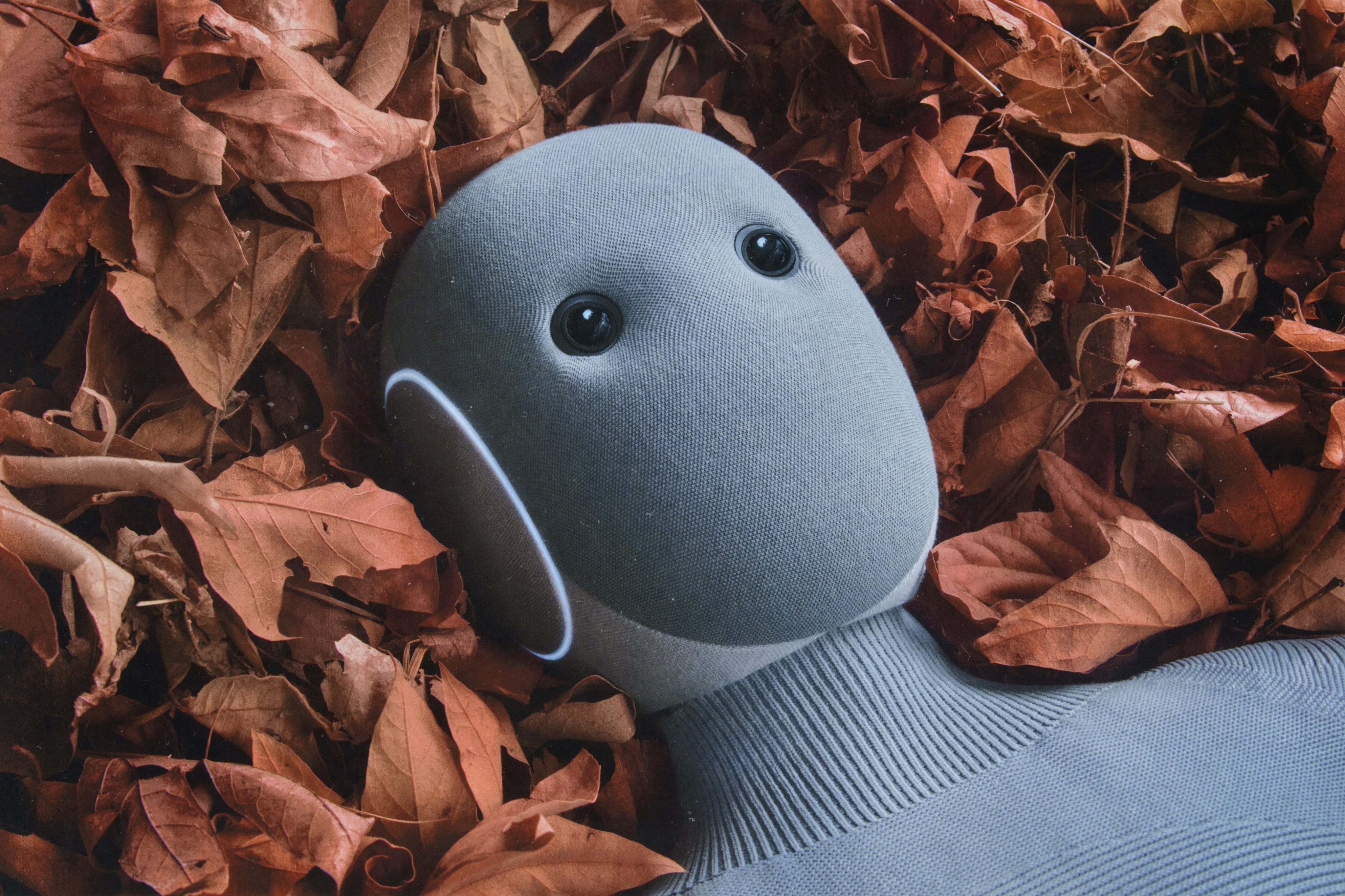
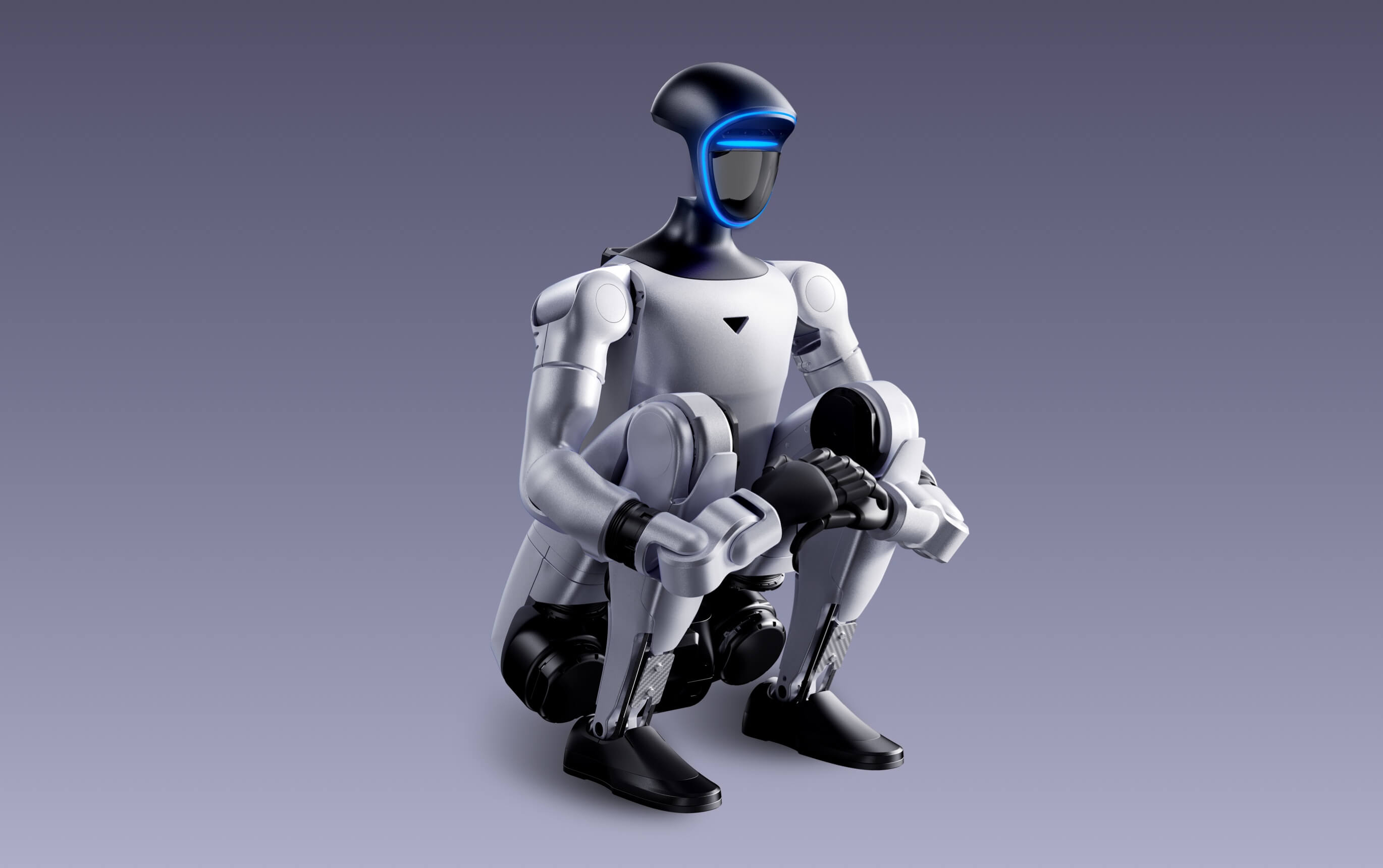
1X Technologies gives the plainest public picture of how much of that labor survives into a shipped product. Its own NEO product page offers a household membership built around what it calls Expert Mode: "For any chore it doesn't know, you can schedule a 1X Expert to guide it," on top of a separate option to "pilot your NEO from anywhere in the world through your Mobile App & VR device." That is not a hedge buried in a terms-of-service page. It is a named, priced feature sitting beside the autonomy pitch on the company's own homepage, and it is the most honest data point the industry has volunteered about where the human labor actually lives.
No humanoid robot maker, 1X included, publishes teleoperation minutes per robot per day as a disclosed cost or performance metric. I went looking. It does not exist in any investor deck, product page, or filing I have found. That absence is the real story, not the existence of Expert Mode itself.
The valuations are not pricing in the humans
Follow the money and the gap gets harder to miss. Figure AI said in September 2025 that it had raised more than US$1 billion in Series C funding, led by Parkway Venture Capital with a strategic investment from Brookfield Asset Management, at a US$39 billion post-money valuation, up from US$2.6 billion the year before. Figure's own stated use of that capital was not limited to scaling its robot fleet; it explicitly included building infrastructure for robot training and launching what the company called advanced data collection efforts. Physical Intelligence was reportedly seeking close to US$1 billion this year at a valuation above US$11 billion, nearly double where it stood after its prior round. Skild AI raised US$1.4 billion in January 2026, led by SoftBank with Nvidia's venture arm participating, tripling its own valuation past US$14 billion.
Those are software-style multiples, priced as though intelligence scales at near-zero marginal cost once a model is trained. But a meaningful share of what trains that model, and what keeps today's robots functioning in the field, is a continuously staffed human layer that scales closer to linear cost, the way a call center scales. No pitch deck I have seen carries that as its own line item. It would wreck the multiple.
The infrastructure already exists, filed under the wrong industry code
Here is the part that is easy to miss from outside the Philippines and obvious from inside it. The country's IT-BPM association, IBPAP, reported that export revenue crossed US$40 billion in 2025, up from US$38 billion in 2024, with the workforce reaching 1.9 million people, up from 1.82 million. IBPAP's own 2026 baseline target is US$42 billion and close to 1.97 million jobs, and a member survey it ran found that two-thirds of its firms had already built AI tools into their operations.
That is a mature, English-fluent, round-the-clock labor market that has spent two decades building exactly the management infrastructure a teleoperation workforce needs: recruitment pipelines, quality-assurance scoring, overnight coverage timed to US business hours, and a wage floor no American or European labor market can match. Robotics companies do not need to invent a new labor pipeline to reach commercial scale. They need to plug into one that already exists, under a different name, filed under a different industry code.
Robotics did not find a way around outsourced labor. It found a new client for it.
What I would actually watch
None of this means the underlying robotics is fake, any more than a call center staffed by humans means software is fake. Building a system good enough for a remote pilot to drive at low latency, over a humanoid's actuators, inside someone's home or a warehouse aisle, is itself real engineering. The honest critique is narrower: the industry is being valued on an autonomy timeline that its own clearest disclosures do not support, and the labor absorbing that gap is being priced, recruited, and managed through channels nobody pitching the valuation has to look at directly.
The risk runs in both directions. For the workers, this is the Remotasks story again with better hardware: platform-mediated, informally regulated work with camera access into strangers' homes and factory floors, no settled liability framework for what happens when a remote pilot's mistake causes harm, and a regulatory apparatus that admitted years ago it could not see inside the first version of this arrangement. For buyers and investors, the risk is mistaking a headcount-driven growth curve for a compute-driven one.
What I would watch next is not any single robot's dexterity score. It is whether a humanoid company signs a visible, named contract with an outsourcing operator at BPO scale, the way apparel brands eventually had to name their factory partners after years of pretending the question did not apply to them. Until that contract is public, the honest answer to "how autonomous is this robot" is the same answer it has always been: ask who is holding the controller, and what they are being paid to hold it.
This analysis reflects the author's own reading of 1X Technologies' own NEO product page, public reporting on Scale AI's Remotasks platform and its Smart Ecosystem Philippines entity, IBPAP's own published 2025 and 2026 industry figures, and public statements and reporting on Figure AI's, Physical Intelligence's, and Skild AI's funding rounds. It is provided for general information purposes only and does not constitute investment, legal, or professional advice.
Hero image: 1X Technologies' NEO humanoid robot, courtesy of 1X.