
Washington Permits Serve and Coco Delivery Robots Under Bounded Fleet Rules
The District Department of Transportation has issued permits to Serve Robotics and Coco Robotics for sidewalk delivery operations, imposing strict fleet limits and operational zones to manage public space integration.
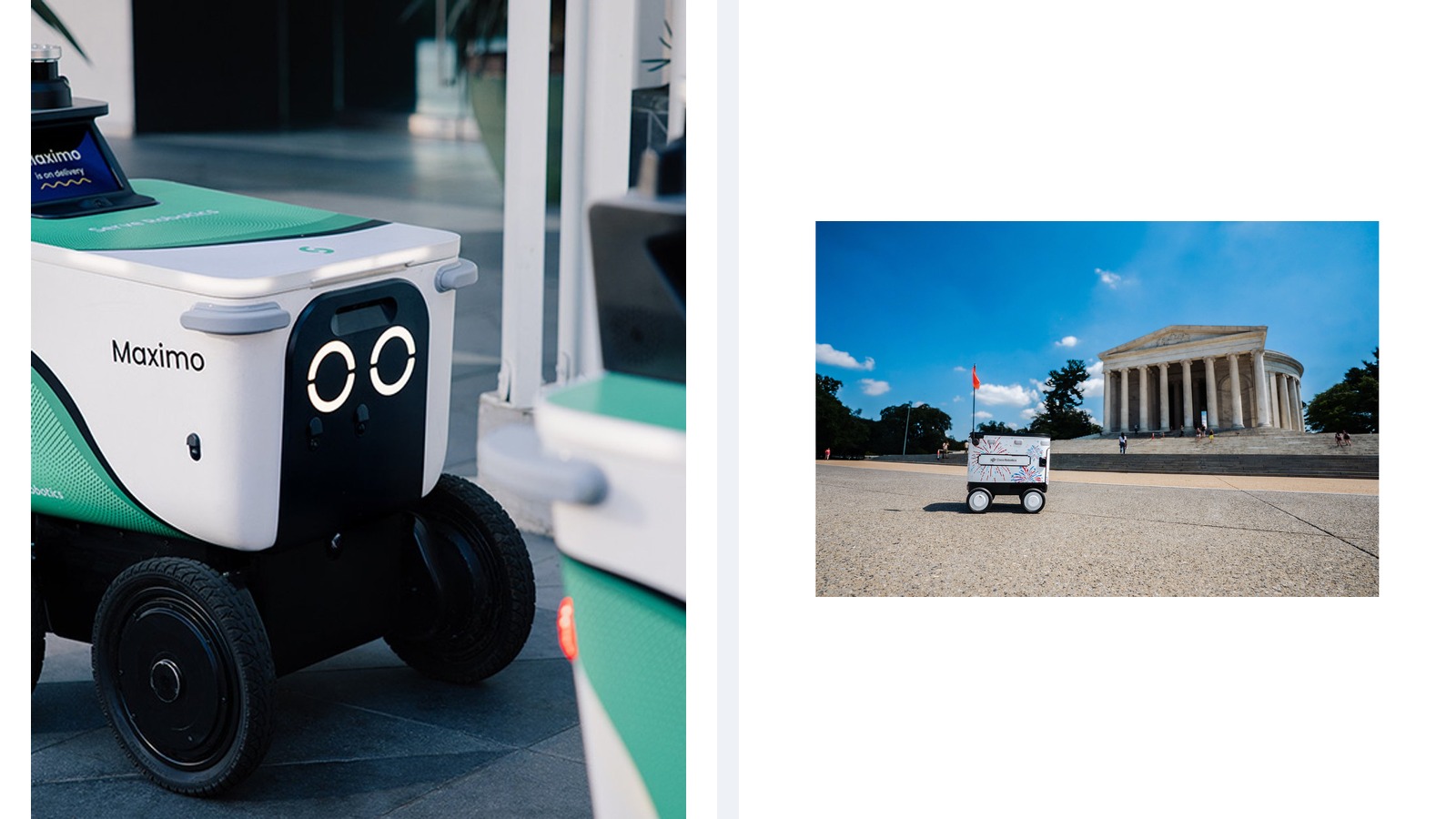
The integration of autonomous delivery robots into dense urban environments presents a persistent challenge for municipal authorities seeking to balance innovation with pedestrian safety. On July 16, 2026, the District Department of Transportation (DDOT) officially announced the issuance of permits to Serve Robotics and Coco Robotics, allowing them to operate personal delivery devices (PDDs) on the sidewalks, crosswalks, and alleyways of Washington, D.C. Rather than granting unrestricted citywide access, the District has implemented a bounded municipal operating permit regime characterized by explicit fleet limits, zone restrictions, and accessibility test conditions. This structured approach allows the city to carefully test and integrate autonomous delivery technologies while actively managing public space risks.
Serve Robotics, a leading autonomous sidewalk delivery company headquartered in San Francisco that spun off from Uber in 2021, focuses on zero-emission local delivery and is backed by major industry players including Uber and Nvidia. The company is publicly traded on the Nasdaq under the ticker symbol SERV. Coco Robotics, founded in 2020 and based in Los Angeles, operates an urban robot delivery platform that has successfully completed over 500,000 zero-emission deliveries across various markets in the United States and Europe. Both companies aim to provide alternative, efficient, and reliable last-mile delivery options that reduce traffic, lower emissions, and alleviate curbside congestion while supporting local businesses.
How does a city allow commercial sidewalk robot service while containing the initial public space risk?
A city allows commercial sidewalk robot service by implementing a bounded municipal operating permit regime that enforces strict fleet limits, zone restrictions, and accessibility test conditions. During the initial three months, operators are restricted to specific zones of up to one square mile and a maximum fleet size of 25 devices.
The Permits and Service Scope
The issuance of these permits marks a significant step in the commercialization of autonomous delivery services in the District of Columbia. Following the DDOT announcement, Coco Robotics confirmed that customer deliveries in Washington, D.C., would begin in the summer of 2026. The deployment setting for these personal delivery devices includes the core of the District, with initial operations starting in neighborhoods such as Logan Circle. The primary problem addressed by these deployments is the need for alternative last-mile delivery options in dense urban areas. By utilizing autonomous sidewalk robots, these companies aim to provide efficient and reliable services that can reduce traffic congestion and lower emissions. The structured permit regime ensures that these benefits are realized without compromising pedestrian safety or accessibility.
The deployment of these robots is not merely a technological demonstration but a practical solution to the growing demand for rapid, localized delivery services. As urban populations expand and e-commerce continues to grow, the pressure on existing delivery infrastructure has intensified. Traditional delivery methods, which often rely on gas-powered vehicles, contribute significantly to urban congestion and environmental pollution. The introduction of zero-emission personal delivery devices offers a sustainable alternative that aligns with broader municipal goals of reducing carbon footprints and improving urban livability.
Additionally, the integration of these robots into the urban fabric requires careful coordination between technology providers, local businesses, and municipal authorities. The DDOT's proactive approach in establishing a clear regulatory framework provides a necessary foundation for this coordination. By setting explicit operational parameters, the city can facilitate the safe and orderly introduction of these devices, ensuring that they complement rather than disrupt the existing transportation ecosystem.
Fleet and Zone Limits
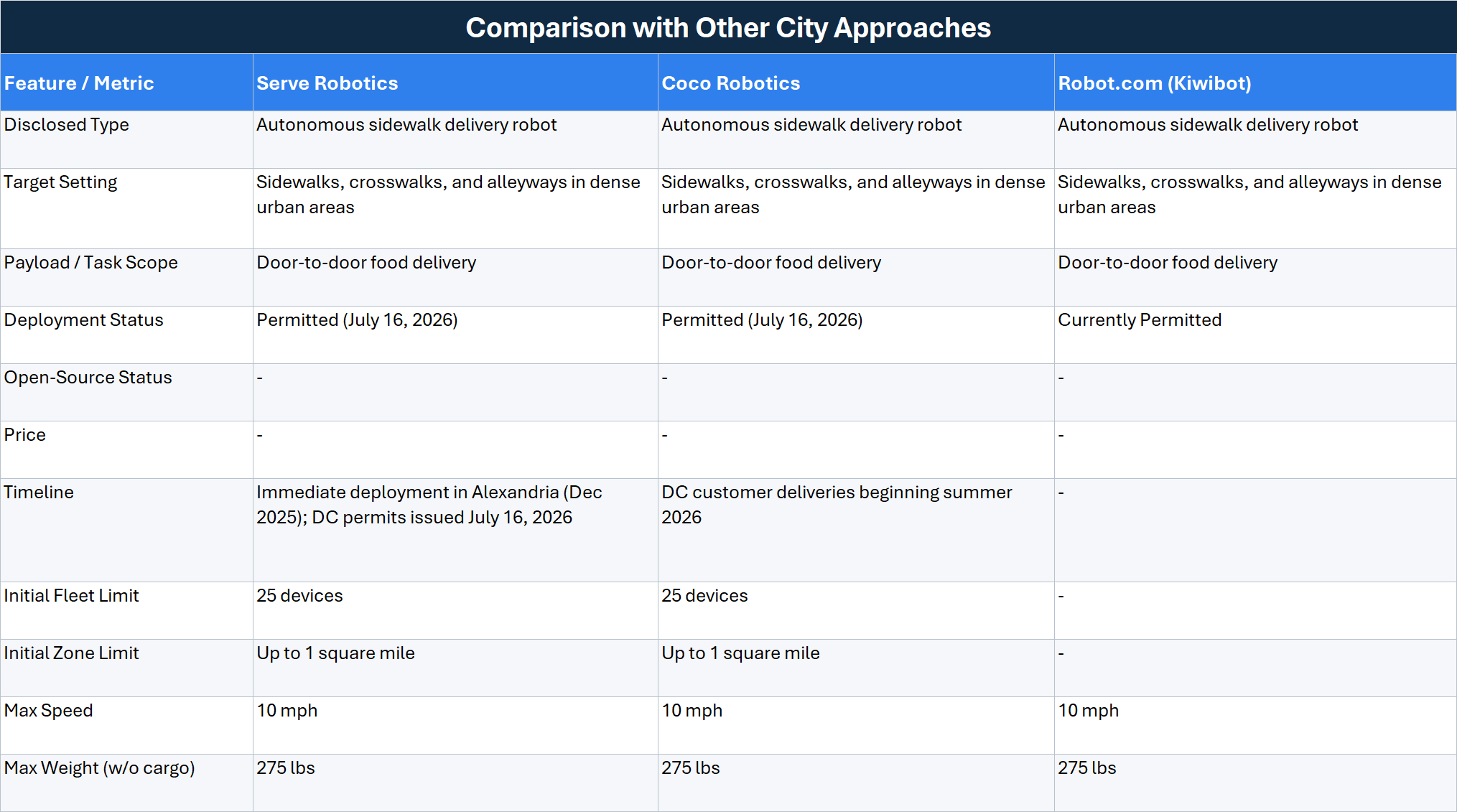
To manage the integration of these devices into the urban environment, the DDOT has imposed strict implementation constraints on all permitted PDD operators. During the initial three month period, operations are limited to zones of up to one square mile. Additionally, each operator is restricted to a maximum fleet size of 25 devices. These constraints are designed to allow the city to monitor the performance and impact of the robots in a controlled manner. Devices cannot exceed a maximum speed of 10 miles per hour and must not weigh more than 275 pounds, excluding their cargo. They are restricted to operating only on sidewalks, crosswalks, and alleyways, and must always yield the right of way to pedestrians.
The imposition of these limits reflects a cautious and measured approach to urban innovation. By restricting the initial deployment to specific zones and a limited number of devices, the DDOT can closely observe how the robots interact with pedestrians, cyclists, and other sidewalk users. This phased rollout allows for the identification and resolution of potential issues before any large-scale expansion is considered. It also provides an opportunity for the public to become accustomed to the presence of these devices, fostering a gradual acceptance of the technology.
Moreover, the physical constraints placed on the robots, such as the maximum speed and weight limits, are critical for ensuring pedestrian safety. A 275-pound device traveling at 10 miles per hour poses a different risk profile than a traditional delivery vehicle, but it still requires careful management in crowded pedestrian areas. The requirement that robots must always yield the right of way to pedestrians further reinforces the priority placed on human safety in the design of this regulatory framework.
Accessibility Testing
A critical component of the permit regime is the requirement for accessibility testing. All operators were required to pass an initial field test demonstrating safe interactions with pedestrians with disabilities. This condition underscores the city's commitment to ensuring that the deployment of autonomous delivery robots does not negatively impact vulnerable populations. The accessibility testing requirement serves as a safeguard against potential hazards associated with sidewalk robots. By mandating that operators demonstrate their devices can safely move through around pedestrians with disabilities, the DDOT is prioritizing public safety and accessibility in its regulatory framework.
The focus on accessibility is particularly important given the diverse needs of urban populations. Sidewalks are essential infrastructure for individuals with mobility impairments, visual impairments, and other disabilities. The introduction of autonomous devices into these spaces must be managed with the utmost care to prevent the creation of new barriers or hazards. The DDOT's requirement for field testing ensures that operators have developed and implemented robust sensor systems and navigation algorithms capable of detecting and responding appropriately to a wide range of pedestrian behaviors and needs.
This rigorous testing process also serves to build public trust in the technology. When residents see that municipal authorities are actively enforcing safety standards and prioritizing the needs of vulnerable populations, they are more likely to support the integration of these devices into their communities. The successful completion of these tests by Serve Robotics and Coco Robotics demonstrates their technical capabilities and their commitment to responsible deployment.
Platform Partnerships
In terms of operations, Serve Robotics and Coco Robotics have established different partnership models to facilitate their delivery services. Serve Robotics is partnered exclusively with Uber Eats for its delivery services in the District. This exclusive partnership leverages Uber's extensive network and customer base to drive adoption and utilization of Serve's robotic fleet. Coco Robotics, on the other hand, operates through partnerships with both Uber Eats and DoorDash, while also offering direct delivery services for local merchants. This broader network allows Coco to serve a wider range of customers and businesses, potentially accelerating its market penetration and operational scale.
The choice of partnership models reflects different strategic approaches to market entry and growth. Serve Robotics' exclusive arrangement with Uber Eats provides a focused and integrated service offering, allowing for deep technical and operational alignment between the two companies. This can lead to a more seamless experience for both merchants and consumers, as the delivery process is tightly controlled and optimized within a single platform ecosystem.
Conversely, Coco Robotics' multi-platform approach offers greater flexibility and reach. By partnering with multiple delivery networks and offering direct services to local merchants, Coco can tap into a larger volume of potential orders and diversify its revenue streams. This strategy also provides local businesses with more options for integrating autonomous delivery into their operations, potentially lowering the barrier to entry for smaller merchants who may not be affiliated with major delivery platforms.
Comparison with Other City Approaches
The bounded municipal operating permit regime implemented by the DDOT contrasts with the approaches taken by some other cities, which have either banned sidewalk robots entirely or allowed unrestricted deployments. By imposing explicit fleet limits, zone restrictions, and accessibility test conditions, Washington, D.C., is adopting a measured and pragmatic approach to the integration of autonomous delivery technologies. This structured approach allows the city to gather valuable data and insights during the initial deployment phase, which can inform future regulatory decisions and expansion plans. It also provides operators with a clear framework within which to operate and demonstrate the safety and efficacy of their technologies.
The Reality of Sidewalk Navigation
To understand the intricateity of this deployment, it is helpful to consider the technical challenge of sidewalk navigation. Imagine trying to walk through a crowded market while blindfolded, relying only on a cane to sense your surroundings. This is roughly analogous to the challenge faced by early autonomous robots. Modern personal delivery devices, however, are equipped with an array of sophisticated sensors, including cameras, lidar, and ultrasonic detectors, which allow them to build a detailed, real-time map of their environment. This sensor fusion enables the robots to identify obstacles, predict the movement of pedestrians, and make split-second decisions to avoid collisions. The DDOT's accessibility testing ensures that these systems are not just theoretically sound, but practically effective in the chaotic environment of a city sidewalk.
Despite these advancements, a common misconception is that these robots operate with complete autonomy and require no human oversight. The reality is that while the devices can move through typical sidewalk scenarios independently, they are constantly monitored by remote human operators who can intervene if the robot encounters an unfamiliar situation or a intricate obstacle. This human-in-the-loop approach is essential for maintaining safety and reliability, particularly during the early stages of deployment when the robots are still learning to move through the nuances of a specific urban environment.
"The public value lies in the operating conditions, not in treating a permit as proof of citywide deployment," notes the regulatory framework's underlying logic. This insight highlights the importance of the DDOT's phased approach, which prioritizes safety and data collection over rapid expansion.
Expansion Conditions and Adoption Signals
The successful completion of the initial three month deployment phase will likely serve as a critical milestone for both Serve Robotics and Coco Robotics. If the operators can demonstrate safe and reliable performance within the bounded permit regime, it is anticipated that the DDOT may consider relaxing the fleet and zone limits, allowing for broader citywide deployments. Adoption of these technologies is already demonstrated by their operational milestones in other markets. Coco Robotics has completed over 500,000 deliveries globally and continues to expand its urban footprint. Serve Robotics has deployed over 2,000 robots across the United States and secured multi-year contracts, including an agreement to deploy up to 2,000 additional robots in various markets. These adoption signals suggest a growing demand for autonomous delivery services and a willingness among consumers and businesses to embrace these technologies.
The transition from pilot programs to scaled commercial operations will require ongoing collaboration between operators and municipal authorities. As the fleet sizes and operational zones expand, the intricateity of managing the interactions between robots, pedestrians, and other urban infrastructure will increase. The data collected during the initial deployment phase will be invaluable in refining the regulatory framework and ensuring that the long-term integration of these devices is both safe and beneficial for the community.
Additionally, the economic viability of these services will depend on their ability to achieve high utilization rates and operational efficiency. The partnerships established by Serve Robotics and Coco Robotics with major delivery networks and local merchants will play a crucial role in driving order volume and optimizing delivery routes. As the technology matures and the operational models are refined, the cost of autonomous delivery is expected to decrease, making it an increasingly attractive option for a wider range of businesses and consumers.
The public value of the DDOT permit regime lies in the operating conditions, not in treating a permit as proof of citywide deployment. By enforcing strict fleet limits, zone restrictions, and accessibility test conditions, Washington, D.C., is ensuring that the integration of autonomous delivery robots is conducted in a safe, controlled, and responsible manner. This approach provides a model for other cities grappling with the challenges and opportunities presented by emerging urban mobility technologies.
This analysis synthesizes company statements and public policy information.
Disclaimer: This article is provided for informational purposes only and does not constitute investment, financial, legal, procurement, or other professional advice. Readers should verify specifications, pricing, availability, regulatory requirements, and commercial terms directly with the relevant company or authority before making decisions.














