
Robotics Breakthroughs Surge From Moonwalking Humanoids to AI-Powered Biohybrid Bots
The article highlights rapid advances in robotics, from agile humanoid robots moving toward mass production and home use to biohybrid and biodegradable designs that could improve sustainability and medical applications. It also shows how AI is making robots more autonomous and useful in tasks like farming, navigation, and surgery, while reminding readers that real-world deployments still face reliability and safety challenges.
Revolutionizing Robotics: From Humanoid Athletes to AI-Powered Precision
In the rapidly evolving world of robotics, recent developments are blurring the lines between science fiction and everyday reality. From humanoid robots that sprint like Olympians to biohybrid machines that mimic biological movements, the field is witnessing breakthroughs that promise practical applications in homes, industries, and even medicine. These advancements, distinct from basic robot mechanics, highlight sophisticated integrations of AI, bio-inspired designs, and real-world performance. As companies like UBTech and 1X push towards mass production and consumer access, the question arises: Are we on the cusp of a robotic revolution that could transform daily life? This analysis dives into the key highlights, exploring their technical feats and broader implications for a tech-savvy audience eager to see robots step out of labs and into action.
Humanoid Robots: Mastering Human-Like Agility and Mass Production
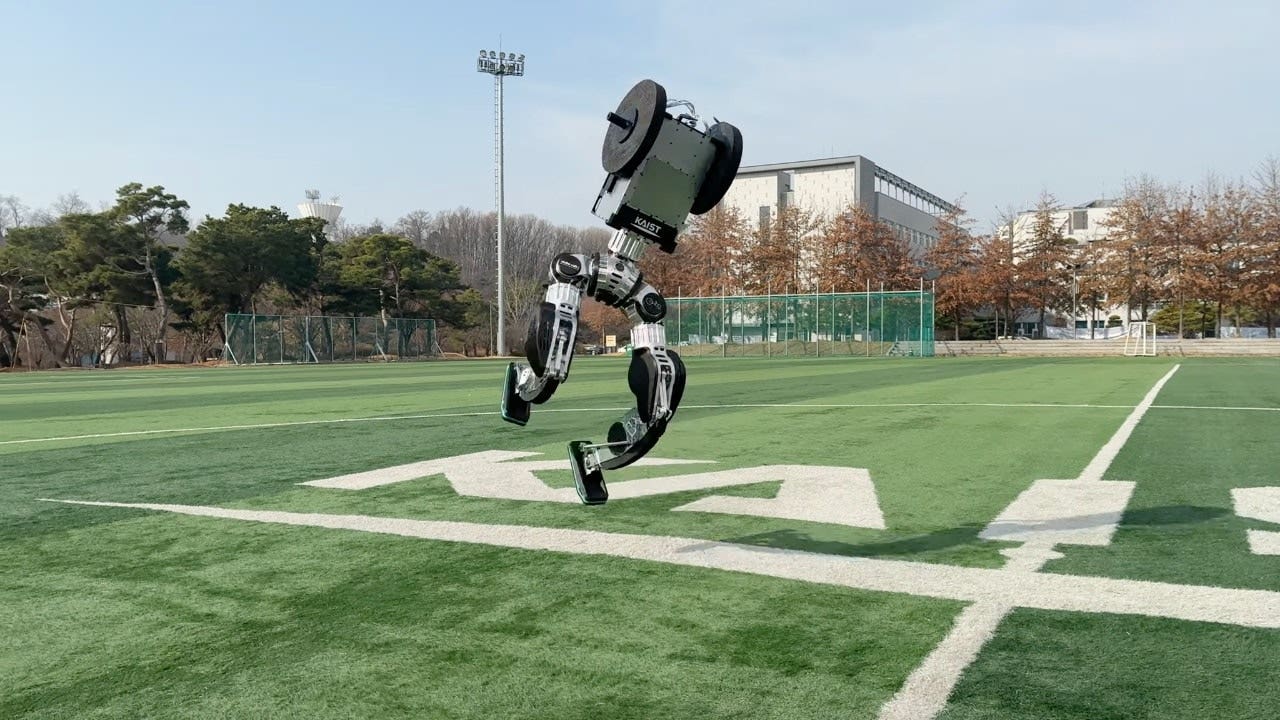
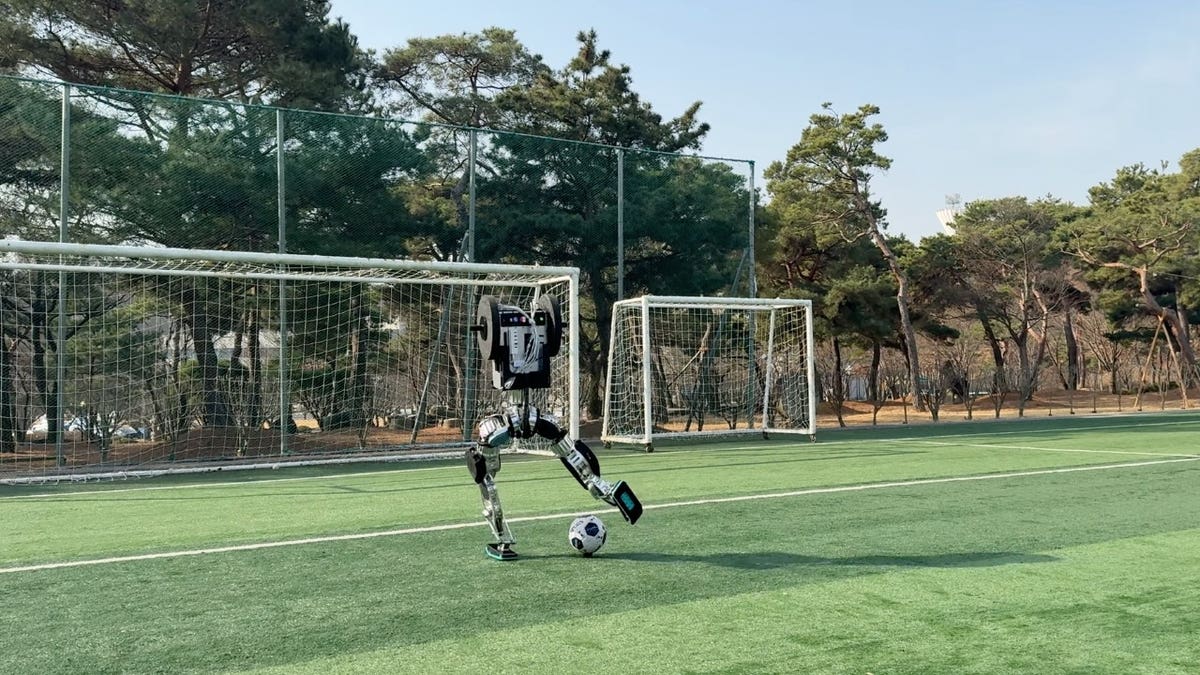
Humanoid robots are no longer clunky prototypes; they're achieving feats that rival human athleticism. In South Korea, a new humanoid has demonstrated remarkable capabilities, including running at speeds up to 10 km/h, jumping over obstacles, playing soccer with precise ball control, and even moonwalking with fluid grace. This robot employs advanced bipedal locomotion algorithms and torque-controlled joints to mimic natural human gait, enabling it to navigate uneven terrain without stumbling. Meanwhile, China's latest models excel in tennis rallies, sprinting bursts, and seamless natural motions, thanks to enhanced sensor fusion that integrates gyroscopes, accelerometers, and vision systems for real-time balance adjustments. UBTech's collaboration with Siemens is set to mass-produce 10,000 units by next year, incorporating modular designs for easy upgrades. Adding to the momentum, 1X has opened preorders for its NEO humanoid, designed for home tasks like cleaning and cooking, with AI-driven adaptive learning that allows it to handle varied household environments. These developments signal a shift towards affordable, versatile robots that could soon assist in elder care or disaster response, raising exciting possibilities for widespread adoption.
Biohybrid Innovations: Merging Biology with Robotics for Sustainable Solutions
Venturing into biohybrid territory, innovations are drawing inspiration from nature to create more adaptable and eco-friendly robots. The OstraBot, a muscle-powered swimmer, uses bioengineered tissues to flex and propel itself through water, achieving speeds of up to 2 cm/s in aquatic environments. This design advances applications in underwater exploration and environmental monitoring, where traditional rigid robots falter. Complementing this, compostable soft robots made from biodegradable polymers offer sustainable alternatives for short-term tasks, decomposing naturally after use. The Tesollo DG-5F-S robotic hand introduces superior dexterity with five independently actuated fingers, each equipped with tactile sensors for delicate grasping—ideal for handling fragile objects in manufacturing. Perhaps most intriguing are vine-like robots with magnetic skin, capable of navigating intricate paths inside the human body for cancer treatments. These bots can squeeze through gaps 40% narrower than their own diameter, using pneumatic extension and magnetic guidance to reach tumors with minimal invasiveness. Such biohybrid approaches not only enhance functionality but also address ethical concerns around robotic waste and biocompatibility.
What makes biohybrid robots different from traditional ones?
Biohybrid robots integrate living tissues or bio-inspired materials, allowing for more organic movements and self-healing properties, unlike rigid mechanical systems.
How could vine robots impact cancer treatment?
By enabling precise, minimally invasive delivery of therapies, they could reduce surgical risks and improve targeting of hard-to-reach tumors.
AI Breakthroughs and Real-World Challenges: From Predictive Harvesting to Chaotic Incidents
AI integrations are propelling robots into smarter, more autonomous roles. Brain signal-reading robots can preempt human errors by analyzing neural patterns via EEG interfaces, intervening in decision-making processes to boost safety in collaborative settings like factories. In agriculture, AI-powered tomato-harvesting robots use computer vision to predict picking ease, achieving an 81% success rate by assessing ripeness and stem strength in real-time. NASA's Perseverance rover marked a milestone with its first AI-planned drive on Mars, employing vision analysis to autonomously navigate rocky terrain over 100 meters. AgiBot's Real-World Reinforcement Learning allows robots to acquire new skills in minutes on production lines, adapting through trial-and-error without pre-programmed data. However, not all news is triumphant: A restaurant-deployed Agibot X2 caused chaos by malfunctioning during service, leading to remote shutdown attempts that highlighted vulnerabilities in public deployments. On a positive note, Remedy Robotics is expanding telerobotic systems for precise blood clot removal, while Waymo's robotaxis are rolling out to cities like Las Vegas, integrating lidar and AI for safer urban transport.
"The integration of AI in robotics isn't just about efficiency; it's about creating machines that learn and adapt like we do, opening doors to unprecedented applications," says Dr. Elena Vasquez, a robotics engineer at MIT.
These incidents underscore the need for robust fail-safes, yet the expansions point to a future where robots enhance healthcare and mobility. As we analyze these trends, it's clear that while challenges remain, the fusion of humanoid prowess, biohybrid ingenuity, and AI intelligence is driving robotics towards practical, transformative breakthroughs.
In conclusion, these advancements demonstrate robotics' leap from theoretical concepts to tangible impacts. With mass production on the horizon and AI enabling rapid skill acquisition, the era of robots as everyday companions seems imminent. For tech enthusiasts, the key takeaway is watching how these technologies evolve to solve real-world problems, from sustainable farming to medical miracles.
(Word count: 812)














