Li Auto Outlines Mach VLA Evolution, Targeting FSD V14 Parity by Q4 2026
At the recent Livis Day event, Li Auto announced the evolution roadmap for its Mach VLA (Vision-Language-Action) model, targeting deployment to AD MAX users by Q3 2026. With a stated goal of achieving feature parity with Tesla's FSD V14 by Q4 2026, the announcement highlights the deep technological convergence between autonomous driving architectures and the 'brain' infrastructure required for humanoid robotics.
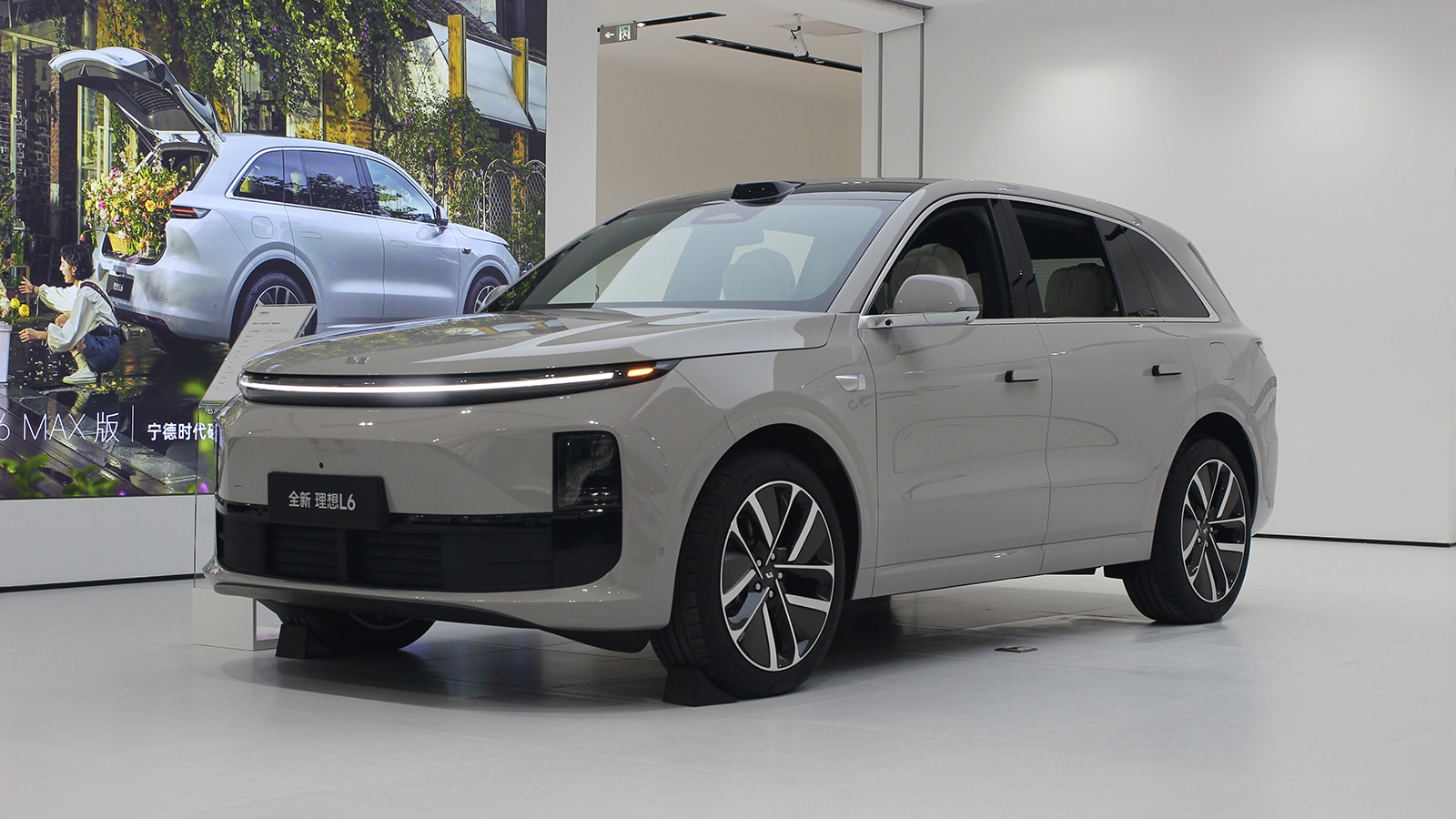
During Li Auto's recent Livis Day product launch event, Zhan Kun, head of the company's Foundation Model Team (Intelligent Driving), provided a detailed roadmap for the evolution of the Mach VLA (Vision-Language-Action) model. The company announced plans to push the all-new Mach VLA capabilities to its AD MAX user base in the third quarter of 2026. More aggressively, Li Auto set a public target to achieve feature parity with Tesla's highly anticipated FSD V14 by the fourth quarter of the year.
The Convergence of Autonomous Driving and Embodied AI
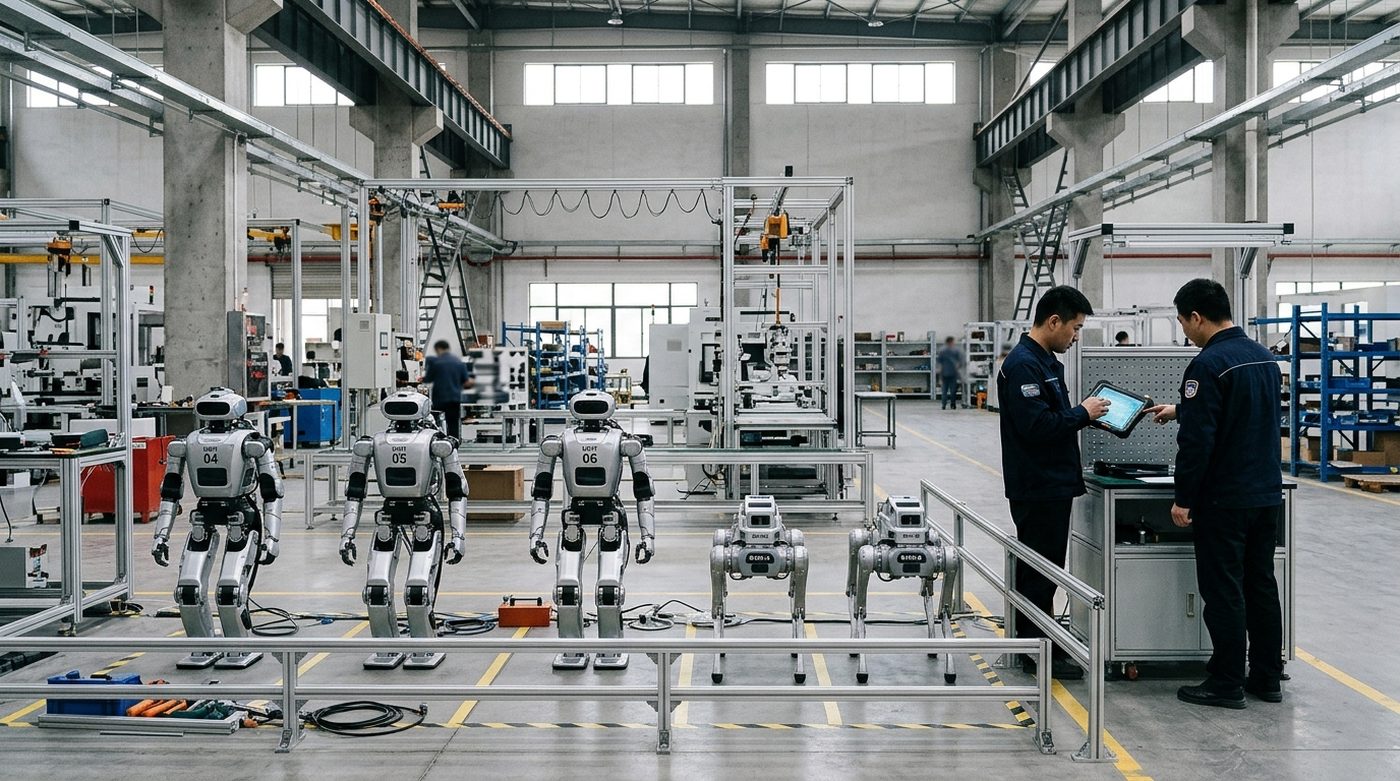
This roadmap announcement is highly significant not just for the electric vehicle market, but for the broader embodied AI sector. The VLA architecture driving Li Auto's advanced driver-assistance systems is fundamentally the same class of cognitive engine required for general-purpose humanoid robot control. Both domains require a system capable of ingesting vast amounts of multimodal sensor data, understanding complex spatial and semantic contexts, and generating continuous, real-time physical control actions.
By aggressively scaling VLA models in the automotive sector, companies like Li Auto are inadvertently—or perhaps strategically—accelerating the development of the 'brain infrastructure' needed for robotics. The massive data collection engines, simulation environments, and compute clusters built to solve autonomous driving are directly applicable to solving embodied intelligence.
The Tesla Benchmark and Competitive Dynamics
Zhan Kun's explicit benchmarking against Tesla's FSD V14 underscores the intense competitive pressure in the autonomous driving space. Tesla's FSD has long been viewed as the gold standard, and its underlying architecture is already being leveraged to power the Optimus humanoid robot. By targeting FSD V14 parity, Li Auto is signaling its intent to remain at the absolute forefront of end-to-end AI control systems. This technological arms race among EV manufacturers is rapidly expanding the boundaries of what is possible in physical AI.
RobotAIGeek's read: Li Auto's aggressive Mach VLA timeline confirms that China's leading EV makers are effectively becoming the most well-resourced embodied AI companies in the world. The data engines and compute clusters built for AD MAX will inevitably be leveraged for broader robotics applications, giving auto OEMs a massive structural advantage over pure-play robotics startups in the race to build generalized physical intelligence.
Primary Sources:
1. 36Kr (36 氪) — Li Auto Livis Day Mach VLA Announcement (June 18, 2026)