Weekly Robot Economics Wrap-Up: Regulation Sets the Price
The commercial tension in robotics has shifted from the cost of the hardware to the cost of the permission to operate it. With airlines banning humanoids over battery risks and Zoox securing a landmark federal exemption for its robotaxis, the regulatory layer is now the primary determinant of deployment economics.

The commercial tension in robotics has shifted from the cost of the hardware to the cost of the permission to operate it. With airlines banning humanoids over battery risks and Zoox securing a landmark federal exemption for its robotaxis, the regulatory layer is now the primary determinant of deployment economics.
The central tension in the commercialization of robotics is no longer the bill of materials; it is the cost of compliance. Hardware prices continue to fall, driven by scale and component commoditization, making the machines themselves increasingly affordable. Yet the total cost of ownership is rising, inflated by the hidden expenses of regulatory approval, insurance, and the friction of integrating autonomous systems into environments designed for humans. The commercial operator understands that the robot is cheap; it is the permission to turn it on that is expensive.
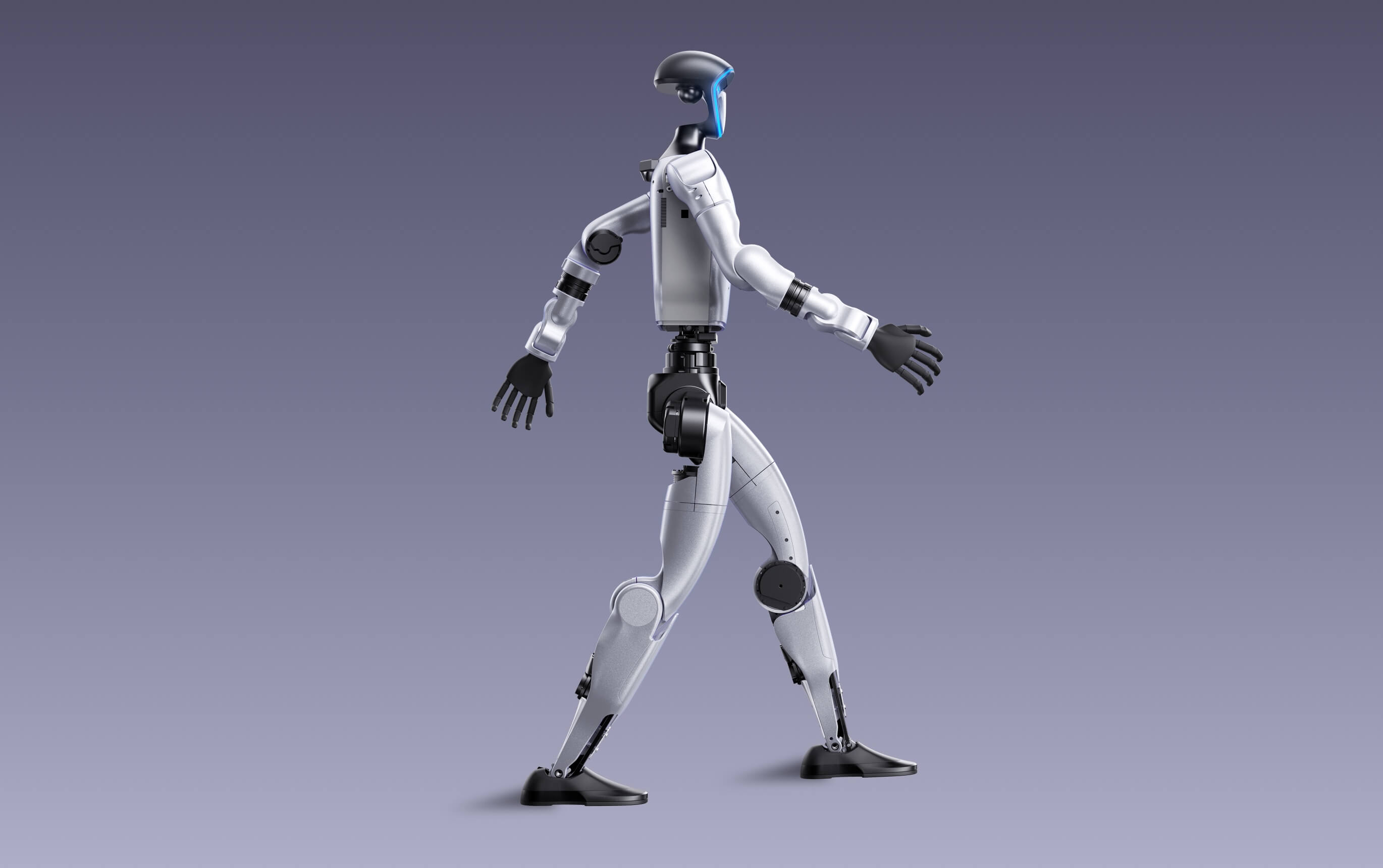
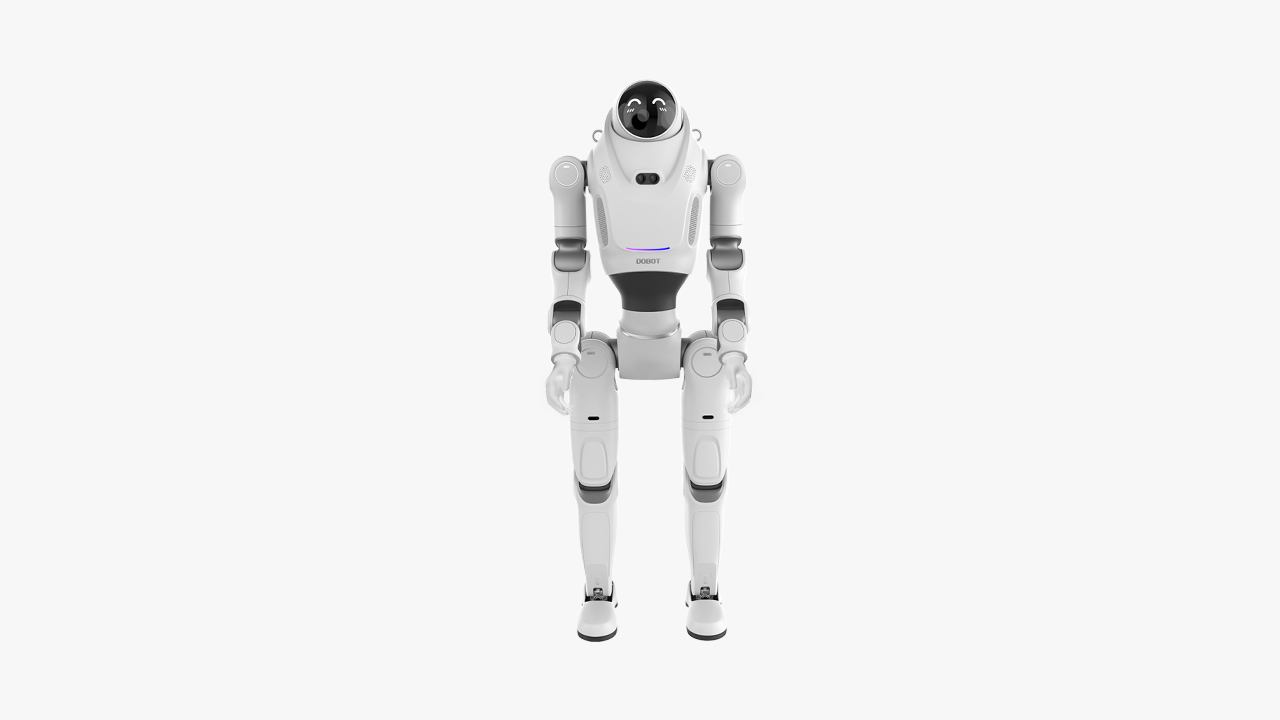
This tension was starkly illustrated in late July when Delta and United Airlines joined Southwest in banning humanoid and pet-like robots from passenger cabins and checked luggage. The airlines cited significant safety concerns regarding the large lithium-ion batteries required to power these machines, noting the potential for thermal runaway and evacuation hazards. For robotics developers and early adopters, this ban introduces a massive logistical friction point. Transporting a demonstration unit or a research platform now requires specialized, expensive freight shipping rather than a standard commercial flight.
The airline ban highlights a critical vulnerability in the current robotics deployment model: the reliance on high-density energy storage. The batteries that give humanoids their untethered autonomy are the same components that make them unacceptable risks in highly regulated environments. This is not a software problem that can be patched; it is a fundamental physical constraint that directly impacts the cost of sales, demonstration, and deployment. The regulatory boundary has been drawn, and the industry must now pay the premium to operate outside of it.
The Federal Precedent for Purpose-Built Autonomy
While consumer environments are erecting barriers, the federal regulatory landscape for commercial autonomy achieved a major breakthrough. On July 30, the National Highway Traffic Safety Administration granted Amazon's Zoox the first-ever Part 555 commercial exemption for a purpose-built autonomous vehicle. The exemption allows Zoox to deploy up to 2,500 robotaxis annually for two years without a steering wheel or pedals, and to begin charging fares for the service.
The Zoox exemption is a watershed moment for the autonomous vehicle industry, establishing a federal precedent for vehicles that do not conform to traditional motor vehicle safety standards. For the commercial operator, the significance lies in the economics of the exemption. By removing the requirement to include human-centric controls, Zoox can optimize the vehicle's interior for passenger experience and maximize the utilization of the platform. The regulatory approval directly alters the unit economics of the robotaxi, transitioning it from a research project into a revenue-generating asset.
However, the exemption is bounded. The 2,500-vehicle cap limits the speed at which Zoox can scale its operations, forcing the company to maximize the revenue generated by each permitted unit. This regulatory constraint ensures that the initial deployment will focus on high-density, high-margin environments, starting with Las Vegas. The federal government has granted the permission to operate, but it has strictly rationed the volume, ensuring that the cost of regulatory compliance remains a defining factor in the business model.
Pricing the Service Layer
As the regulatory boundaries solidify, the pricing models for robotic services are beginning to crystallize. In San Francisco, Tau Robotics launched an invite-only home cleaning service utilizing teleoperated humanoid robots. The company, which relies on human operators assisted by artificial intelligence, set the price at 30 dollars per hour. This pricing strategy attempts to position the service competitively against traditional human house cleaners, aiming to expand the market to consumers who previously found such services unaffordable.
The 30-dollar price point is revealing. It indicates that the company believes it can cover the cost of the hardware depreciation, the human teleoperator's time, the data transmission, and the liability insurance, while still generating a margin. However, the model is fraught with hidden costs, particularly concerning privacy. The service requires granting the company a perpetual license to footage recorded inside the customer's home, a concession that many consumers may find unacceptable. The true cost of the service is not just the hourly rate; it is the surrender of domestic privacy.
Similarly, the economics of automated delivery are being tested in the skies over Florida. Alphabet subsidiary Wing expanded its drone delivery partnership with Walmart, launching a 30-minute service in the Greater Orlando area. The service utilizes fixed-wing hybrid aircraft and a tether-drop system to deliver packages up to 2.5 pounds for a flat fee of 3.99 dollars. This aggressive pricing suggests that Wing is subsidizing the operational costs to build market share and normalize the behavior of drone delivery. The long-term viability of the 3.99 dollar fee depends entirely on achieving massive scale and navigating the complex airspace regulations that govern low-altitude commercial flight.
The Wing pricing model reveals the fundamental tension in robotic service economics: the unit cost of the delivery is almost certainly higher than 3.99 dollars at current volumes, meaning Alphabet is absorbing the difference to establish behavioral patterns among consumers. Once the habit of ordering via drone is established, the price can be adjusted upward. This is the same market-making strategy employed by ride-hailing platforms a decade ago, and it requires deep-pocketed corporate parents willing to sustain losses during the adoption phase. The question for independent robotics companies is whether they can compete with this subsidized pricing without access to comparable balance sheets.
The Hidden Cost of Compliance
The regulatory decisions of late July reveal a pattern that will define the commercial economics of the sector for years to come. The cost of compliance is not a one-time expense; it is a recurring operational burden that scales with the number of deployed units. For Zoox, the 2,500-vehicle annual cap means that each permitted unit must generate sufficient revenue to cover not only its own operational costs but also the legal, engineering, and regulatory overhead required to maintain the exemption. The compliance cost per unit decreases only as the cap is raised, creating a strong incentive to lobby for expanded permissions.
For humanoid robot developers, the airline ban introduces a different kind of compliance cost: the friction of demonstration. Selling a robot to an enterprise customer typically requires multiple on-site demonstrations, each of which now requires specialized freight shipping rather than a checked bag on a commercial flight. This logistical friction adds thousands of dollars to the cost of each sales cycle and extends the timeline for closing deals. The ban effectively raises the customer acquisition cost for every humanoid robot company operating internationally.
The commercial reality of late 2026 is that the hardware is ready, but the environment is not. The success of a robotics deployment is no longer measured by the sophistication of the machine, but by the ability of the operator to negotiate the regulatory, logistical, and social friction of the real world. In the current market, the cost of the robot is merely the down payment on the cost of the deployment. The National Highway Traffic Safety Administration capped Zoox at 2,500 vehicles per year, and that number now defines the ceiling of the company's near-term revenue model.
This analysis synthesizes company statements and public market activity.