Robot Economics Shift From Price to Utilization
The week’s commercial signal was a widening gap between visible hardware prices and the cost of making a robot productive. Bertelsmann quoted Unchained Robotics on a sharp fall in robot-arm prices, while Faraday Future disclosed price bands across humanoid and quadruped products and Luminous Robotics described a robots-as-a-service deployment in solar construction. The common lesson is that lower hardware prices expand the market, but utilization, interventions, support, integration, and the speed of learning decide whether a buyer earns a return.
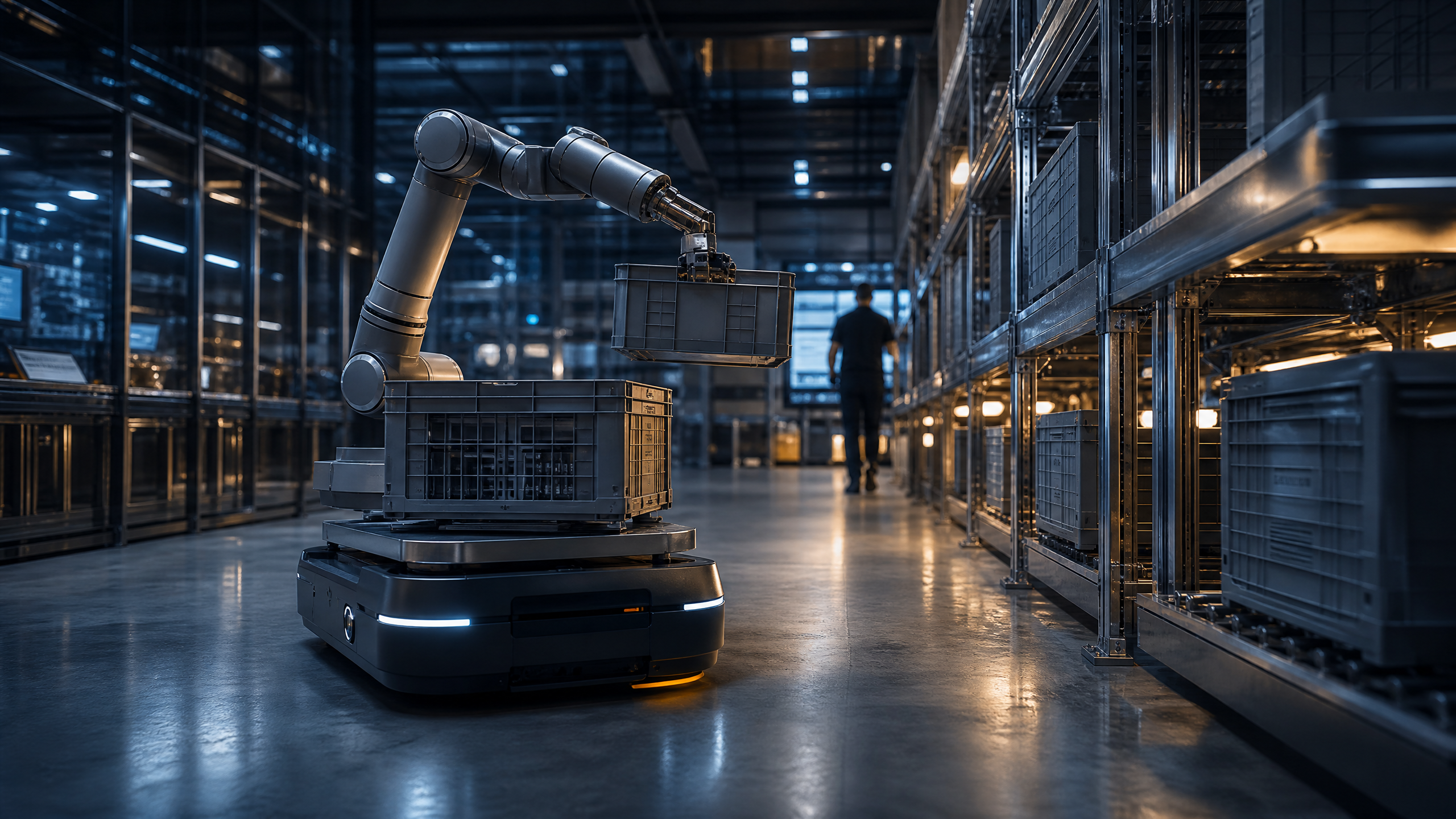
The price of a robot is becoming easier to find and harder to interpret. A warehouse operator can compare a low-cost arm with a more expensive mobile system in minutes. The harder work is measuring what happens after installation. The machine may need a new gripper, a network upgrade, a safety review, a trained operator, a spare battery, remote support, or a workflow redesign. If the robot is idle between tasks or depends on frequent human rescue, the purchase price becomes a small part of the commercial equation.
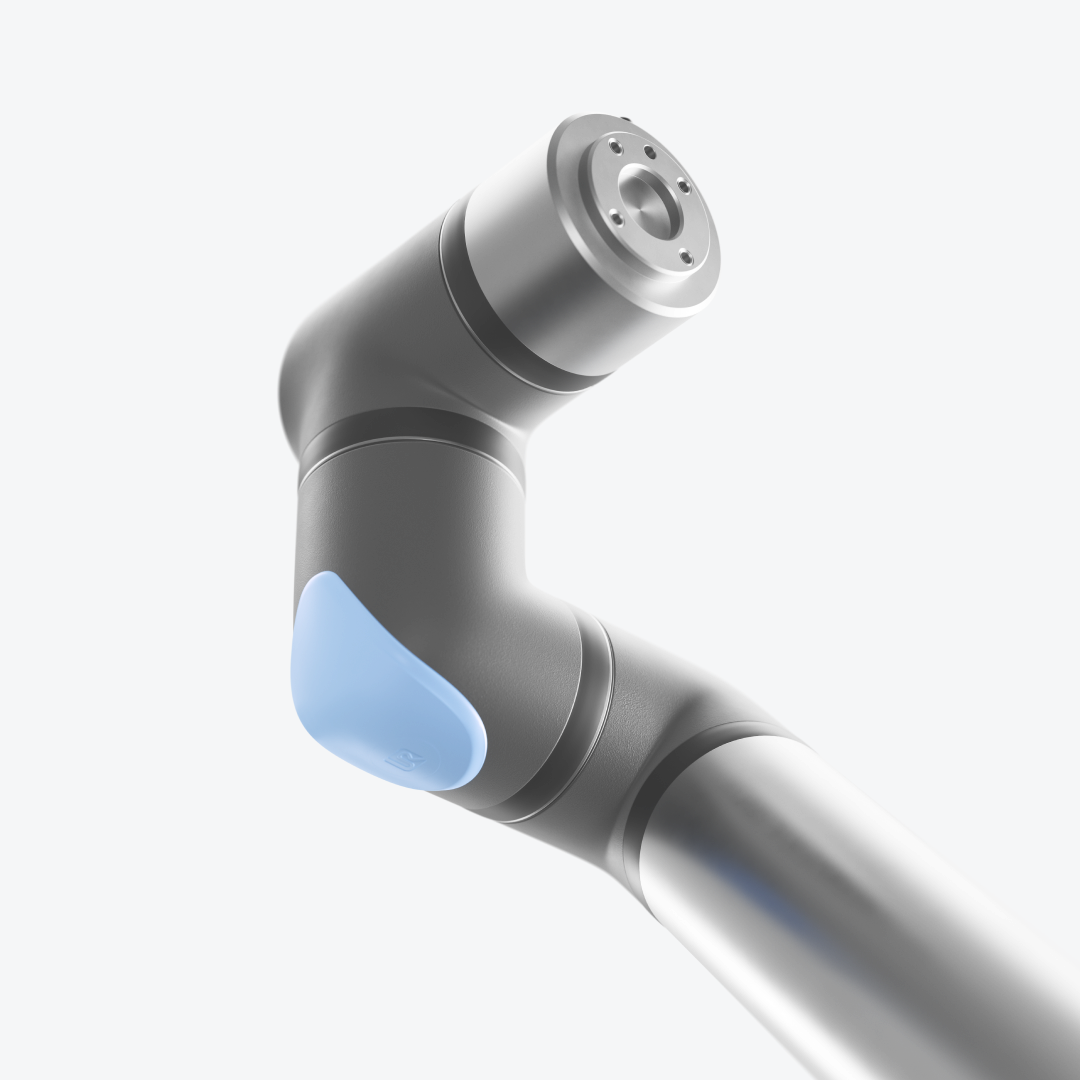
That tension was visible this week in three different forms. Bertelsmann’s account of warehouse automation quoted Mladen Milicevic of Unchained Robotics saying that robot arms costing €50,000 to €60,000 ten years ago can now be bought for €5,000 to €10,000. Faraday Future’s August 13 investor presentation listed company-reported price bands from low-cost quadrupeds to a higher-priced humanoid and custom-priced mobile manipulators. MassRobotics described Luminous Robotics operating 4,000-pound robots at solar construction sites through a robots-as-a-service model. None of these examples is a universal market benchmark. Together, they show why economics is moving from sticker price to operating discipline.
Hardware deflation changes the first decision
Lower hardware prices change who can experiment. A machine that once required a large capital budget can become accessible to smaller logistics operators, manufacturers, universities, and service providers. More experiments can expand the market because buyers learn which tasks are stable enough to automate. Component suppliers also gain volume, which can lower prices further and make new system designs viable.
The Bertelsmann account places the hardware change inside a broader warehouse context. The article describes modular automation becoming more practical in dynamic, multi-client environments and links demand to labor scarcity. This is a useful commercial framing because it treats automation as a response to operating conditions rather than as a novelty purchase. A warehouse does not need the most advanced machine. It needs a machine that can perform a defined movement often enough, safely enough, and cheaply enough to matter.
The price comparison still requires caution. The quoted €5,000 to €10,000 range refers to robot arms described by a vendor representative. It does not specify payload, reach, software, tooling, safety equipment, integration labor, support, or service life. Two arms with the same purchase price can produce very different returns if one requires more engineering or cannot tolerate the customer’s environment. A buyer should treat the quote as evidence of price compression, not as a complete cost model.
Product prices reveal different risk contracts
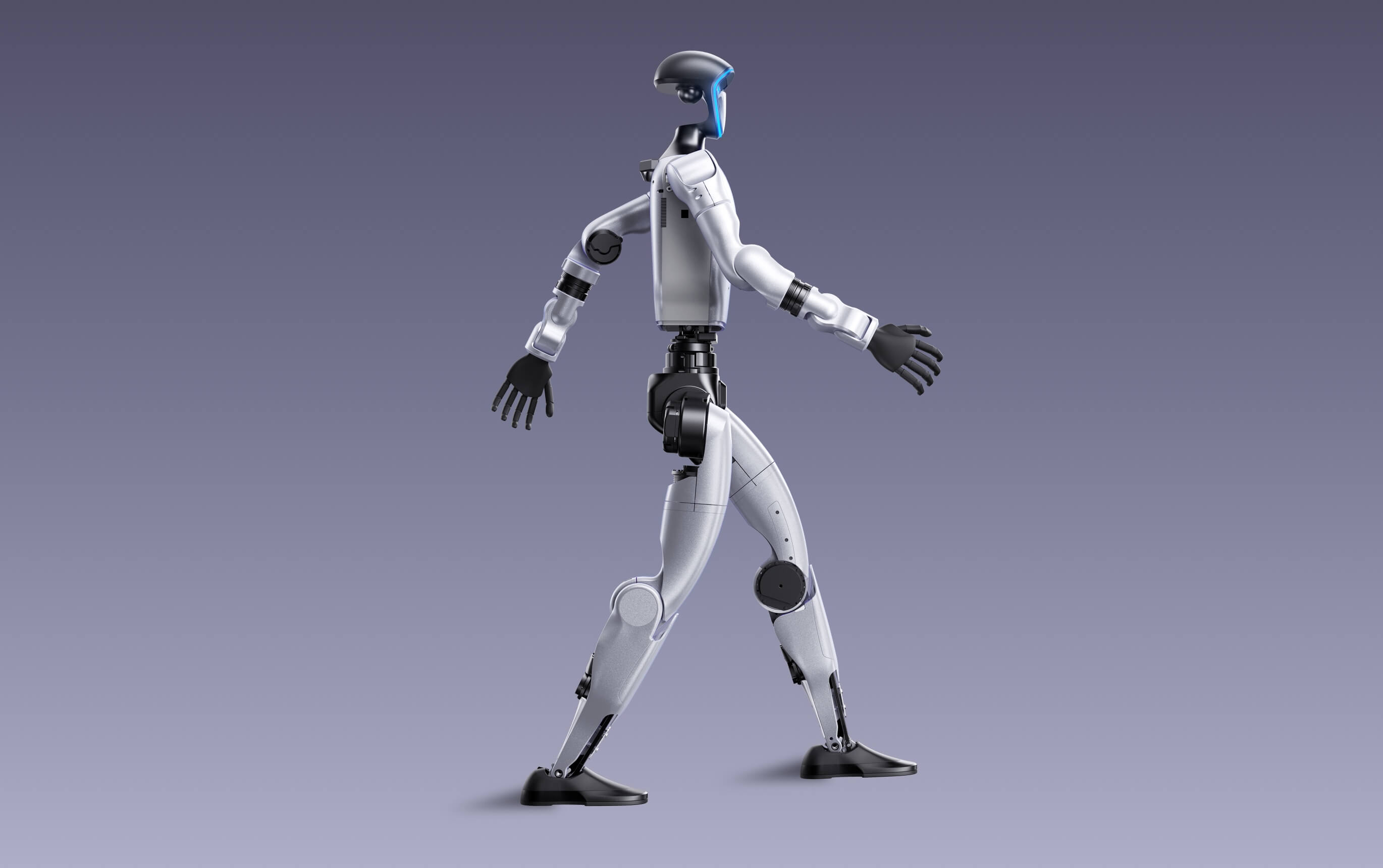
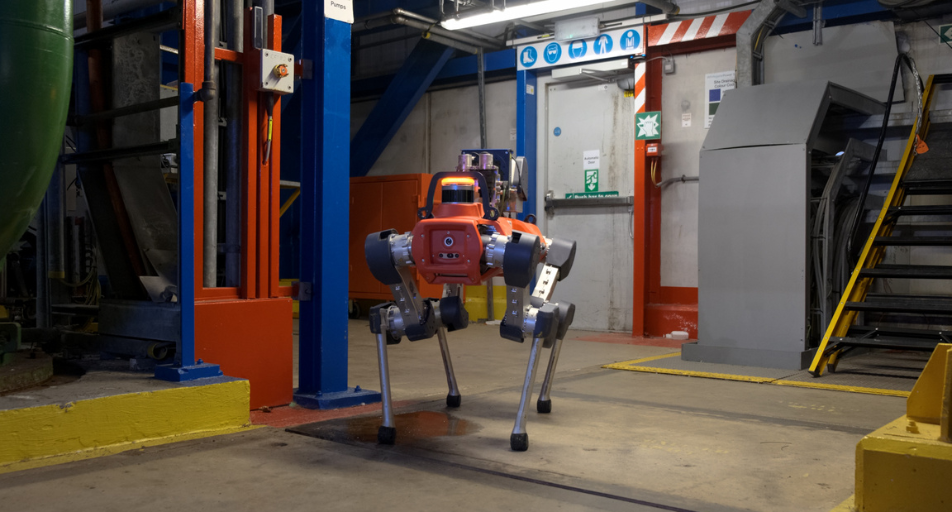
Faraday Future’s investor presentation makes the risk allocation problem visible. The company lists a humanoid configuration at $89,900 including a skill package, quadruped price bands from $2,490 to $19,990 plus a skill package, and custom industry pricing for mobile manipulators. The company also identifies education, security inspection, industrial and logistics work, and hospitality as target markets. These are company-reported prices and intended use cases.
The contrast between the products suggests that the buyer is not purchasing a single type of automation. A low-priced quadruped may be used for patrol, research, or lightweight inspection. A humanoid may be marketed for reception, home, touring, classroom, or performance uses. A mobile manipulator may be priced around a specific industrial workflow. Each configuration carries a different risk contract. The buyer of a consumer-facing machine may accept more manual setup. The buyer of an industrial manipulator expects uptime, integration, service response, and measurable task economics.
This is why price comparisons across form factors often mislead. The correct comparison is not the hardware list price. It is the cost per useful task under a defined operating model. That cost includes the frequency of use, intervention rate, maintenance, consumables, training, site preparation, insurance, compliance, software subscriptions, and the value of the labor that is displaced or redeployed.
RaaS changes who carries the learning cost
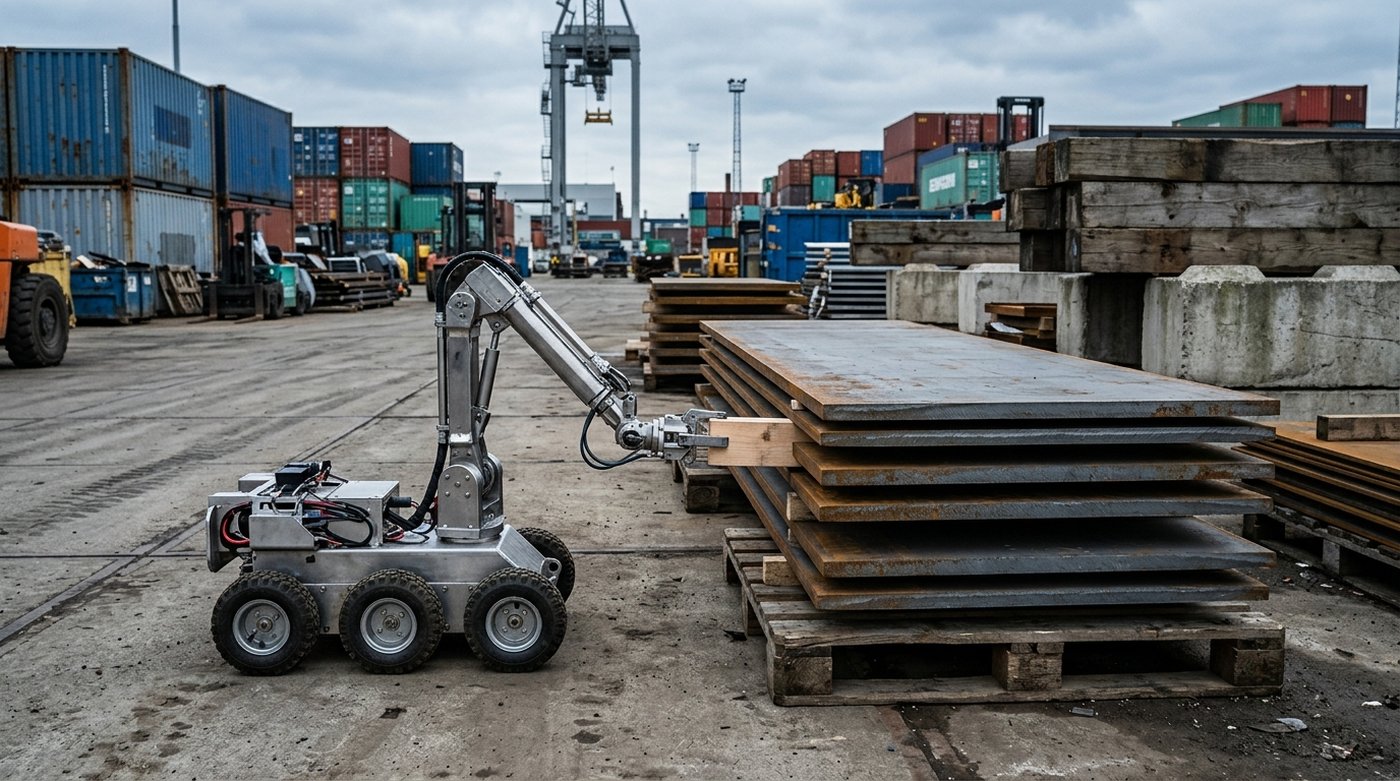
Luminous Robotics illustrates a different commercial structure. MassRobotics describes the Boston-based company’s heavy industrial robots working at active solar-farm construction sites under a robots-as-a-service model. The robots lift and place panels using multi-camera perception. The service provider, rather than the customer, is positioned to carry more of the equipment, maintenance, and learning burden.
RaaS can be attractive when the buyer wants an outcome rather than a machine. The customer can pay for panel placement, throughput, or a service period instead of committing the full capital cost on day one. The provider can reuse hardware, software, and operational knowledge across sites. If the fleet improves through field data, the provider may be able to lower intervention costs over time.
The model also creates pressure for utilization. A service provider must keep a robot productive across enough projects to cover depreciation, transport, support, and idle time. A machine that works well on one site but cannot move to the next job may create a stranded asset. The provider also needs a process for handling site variation. Solar farms differ in terrain, racking, weather, access, and layout. The commercial model works only if the service can absorb that variation without turning every new project into a custom engineering engagement.
Utilization is the hidden price
Utilization is the variable most often missing from robotics price claims. A robot with a low purchase price can be expensive if it operates for a small share of the available hours. A more expensive robot can be economical if it performs a high-value task continuously with low intervention. The relevant question is not whether the robot is cheap. It is whether the customer can keep it working.
Utilization depends on workflow design. A warehouse may need a robot only during a peak shift. A construction contractor may need a machine intensely for several weeks and then have no immediate project. A factory may have a stable task but frequent changeovers. A hospital may value availability more than raw throughput. The same machine can have different economics in each setting.
Service coverage is part of utilization. When a robot fails, the cost is not only the repair. It is the lost production, the idle labor, the delayed shipment, and the emergency callout. A vendor that offers remote support can reduce downtime, but only if its diagnostic data is good enough to identify the problem. A RaaS provider can bundle service into the contract, but it must price the risk correctly.
Intervention rates connect technology to finance
The most important bridge between technology and economics is the human intervention rate. Dyna Robotics says Dyna-2 can be adapted with limited robot data in certain experiments. Luminous Robotics says its next milestone is reducing human interventions per panel placement across the production fleet. These are different technical settings, but both point to a commercial truth. A robot that needs frequent correction may still be useful, yet the labor model changes.
If one operator can supervise many machines, the economics can improve quickly. If one operator must remain beside one machine, the robot may still improve safety or ergonomics, but it may not reduce cost. Buyers should ask how intervention is counted. A brief confirmation, a remote pause, a physical rescue, and a full teleoperation session do not carry the same burden. The measurement must be tied to labor time and task outcome.
The market is moving toward contracts that price this risk. Buyers may prefer a service agreement with performance targets. Vendors may offer a lower upfront price and charge for usage, software, or support. Integrators may bundle hardware with workflow engineering. None of these models removes risk. They decide who is responsible when utilization is lower than forecast or when a new site requires more training than expected.
The commercial test for the next quarter
The next useful evidence will come from repeatability. Can a lower-cost arm be installed across several facilities without a large engineering team? Can a RaaS fleet move between sites while maintaining its intervention rate? Can a humanoid or quadruped deliver a defined result in a bounded industrial workflow? Can a vendor publish enough utilization, uptime, and service data for a buyer to calculate payback?
The answers will determine whether price compression expands the market or merely lowers the cost of experimentation. Hardware deflation is valuable because it lets more customers try automation. It becomes commercially transformative only when the surrounding service system turns those trials into reliable operating capacity.
The week’s economics signal is therefore a tension. Lower hardware prices make robots easier to buy, while the cost of integration and service remains difficult to see. RaaS can spread the learning burden, but it makes utilization a provider-level survival metric. The buyer who asks only for the unit price will miss the contract. The buyer who measures useful hours, interventions, and recovery time will see the real economics.