Buyers at the Industry Fair Asked What a Robot Costs to Run
At the Shanghai industry fair, buyers asked about hours, yield, and payback. Most humanoid shipments are still not on a line.

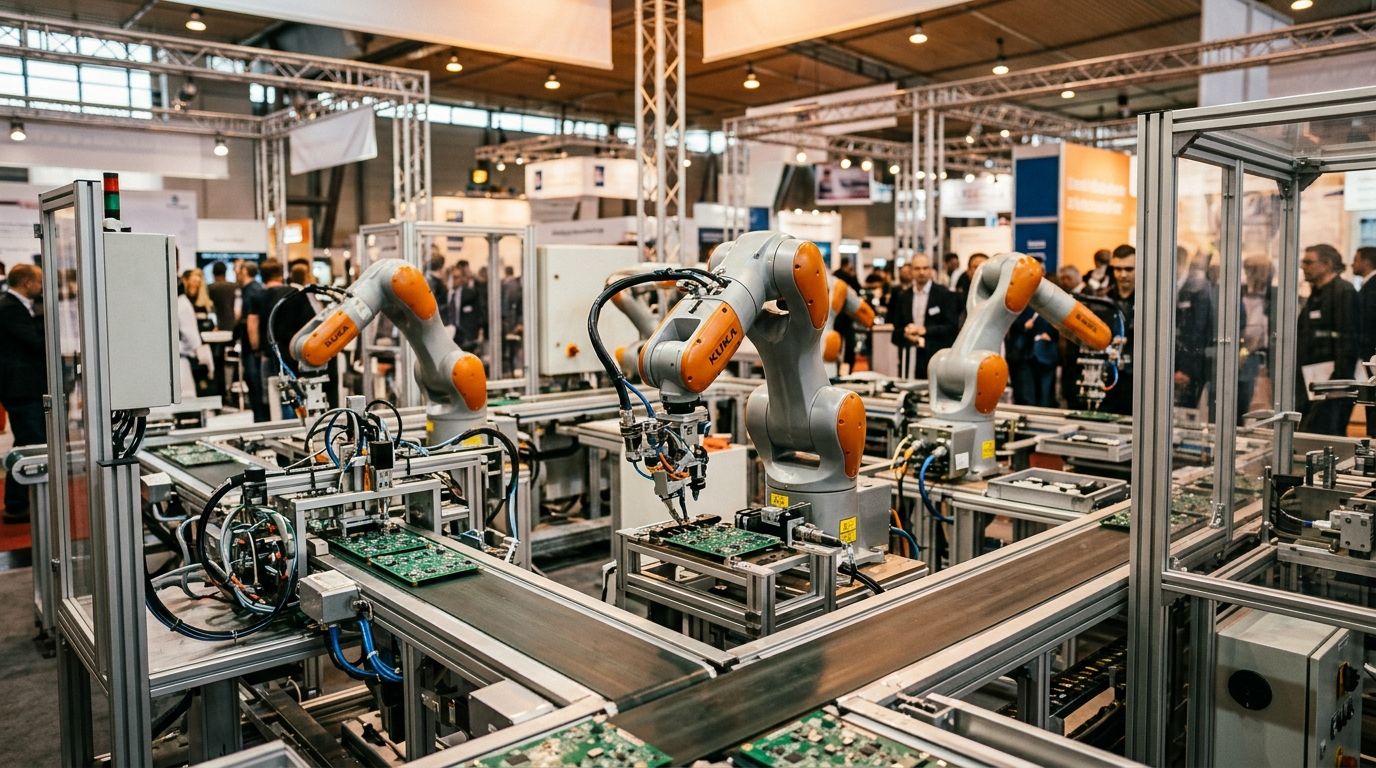
The useful change at this year's China International Industry Fair was the question buyers asked. They stopped asking whether a robot could dance. They asked how many hours it could run, what yield it held, and how long it would take to earn back its cost. That shift, reported on 19 October 2026 by Economic Information Daily and published by China Economic Net, is the part a sourcing lead can use. The backflips were never a purchasing criterion.
The fair ran in Shanghai from 12 to 16 October. Its theme was a smart economy and unbounded intelligent manufacturing. Organizers reported 310,000 square meters of exhibition space, more than 3,200 companies from 24 countries and regions, and about 300 technologies or products described as a global or China first. Those are organizer figures. Treat them as the scale of the show, not as a count of robots ready to buy.
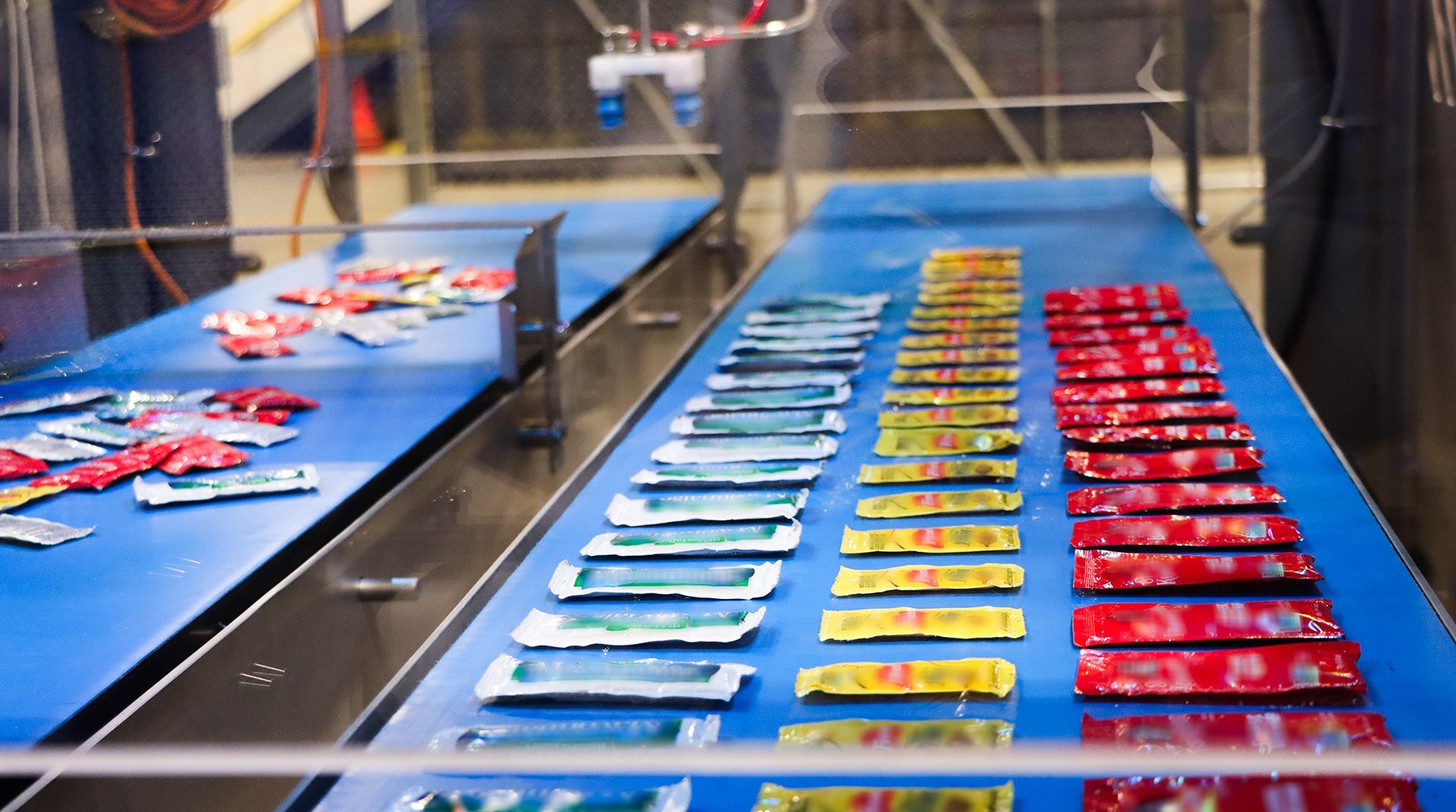
AgiBot, also known as Zhiyuan Robotics, put a line rather than a stage into the hall. Five dual-arm humanoids worked one station, threading cable ties with an error the company described as sub-millimeter. Another robot applied adhesive to a phone and tightened it in under ten seconds a cycle. A composite robot ran a simulated optical-module insertion test. Around those cells, AgiBot showed 11 station-level applications grouped under computing infrastructure, consumer devices, and scientific work. Chief technology officer Wu Yue told the paper that visitors used to want backflips, writing, and drawing. This year they asked about daily hours, yield, and payback.
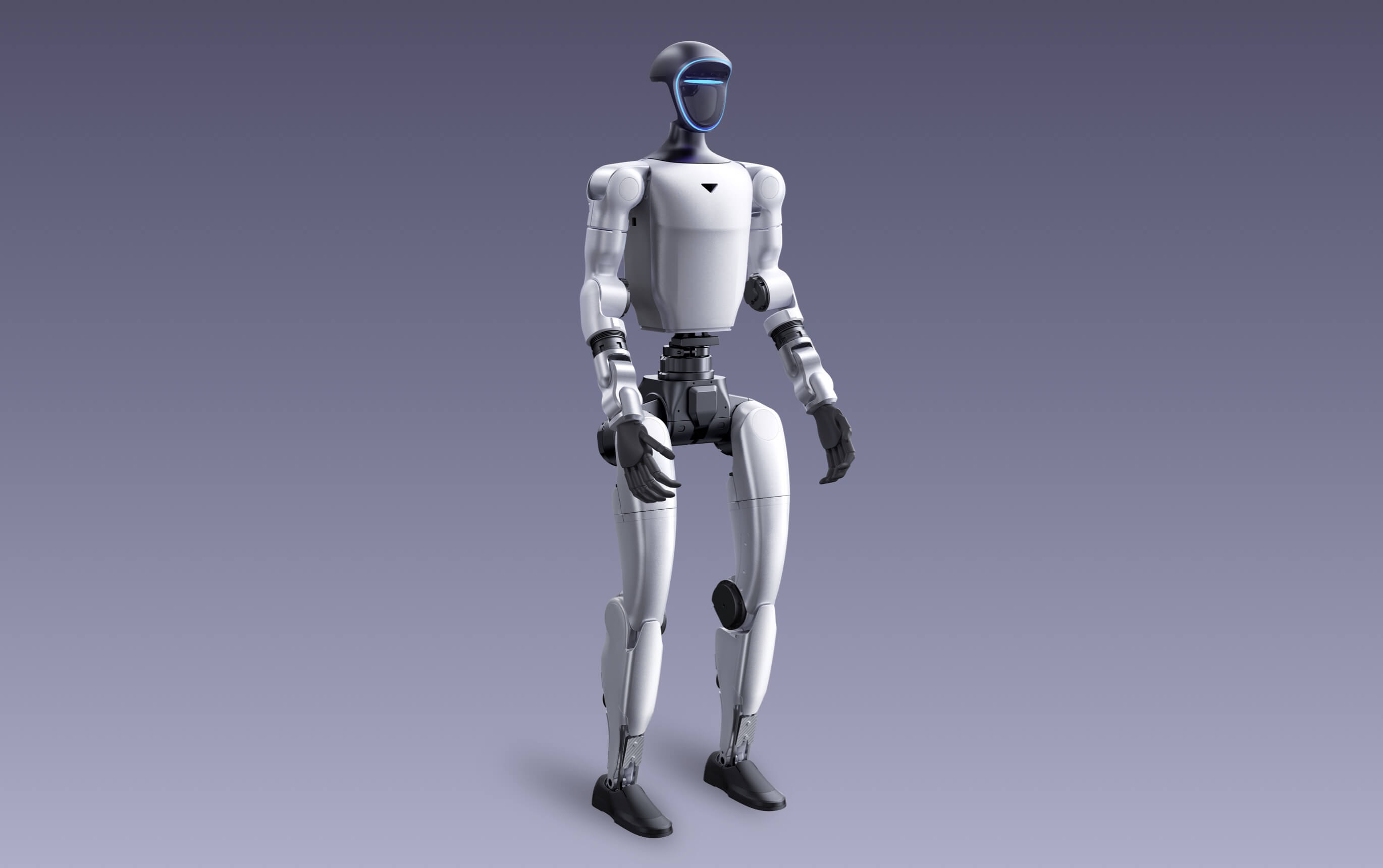
AgiBot is a Shanghai humanoid and embodied-intelligence company. It builds several body types and is trying to run them on one software stack, which it calls Primo, or Yuanqi. The commercial niche it is selling at this fair is not a household companion. It is station work on electronics and related lines, where the robot has to repeat a short task at a known cycle time. That is a narrower promise than a general-purpose humanoid, and it is the more believable one.
The paper framed 2026 as the year embodied intelligence is supposed to move from technical demonstration to delivery at scale. The numbers attached to that claim need a second look. IDC figures cited in the report put global humanoid shipments near 25,000 units in the first half of 2026, up 432.1 percent from a year earlier, with the China market above 19,000 of those units. The same IDC cut, as quoted, said research, exhibitions, performances, and government data-collection centers accounted for about 69 percent of shipments. The share that reached an industrial production line was still limited. A buyer who hears "25,000 shipped" and hears "25,000 installed on lines" is hearing two different facts.
Wu Yue's line on the bottleneck is the one worth keeping. Form is the entrance, intelligence is the base, and the scenario is the exam. The scarce capability, on that account, is whether one software stack can be reused across body types and across process steps. AgiBot says Primo drives composite robots, wheeled humanoids, and collaborative robots, so a machine stops being a device that only executes a fixed program and becomes a system that can read a scene and plan a task. That is a product claim. It is not yet a published benchmark that an outside lab has rerun.
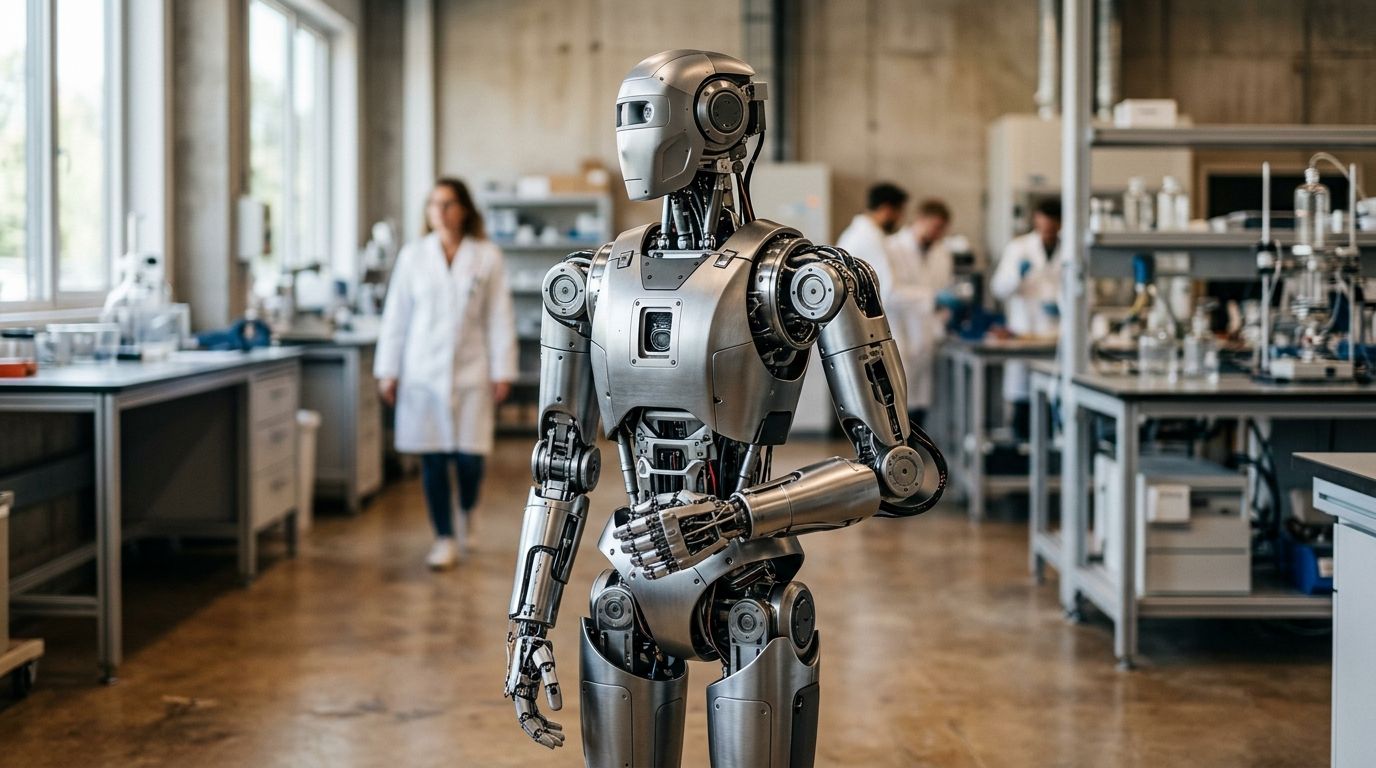
The deployment path the company described follows the AI hardware chain rather than a consumer robot aisle. In optical modules it says it has reached volume production covering components, printed circuit boards, packaging, and test. In consumer electronics it says precision assembly and flexible inspection are already on the lines of leading device makers. In laboratory work it points to high-throughput compound screening and microbial streaking, the repetitive and higher-risk tasks a lab would rather not staff. An unnamed systems integrator told the reporter that a line which used to need several separate controllers is cheaper to deploy and adapt once the intelligence layer is shared. The integrator was not named. Treat that sentence as color, not as a measured saving.
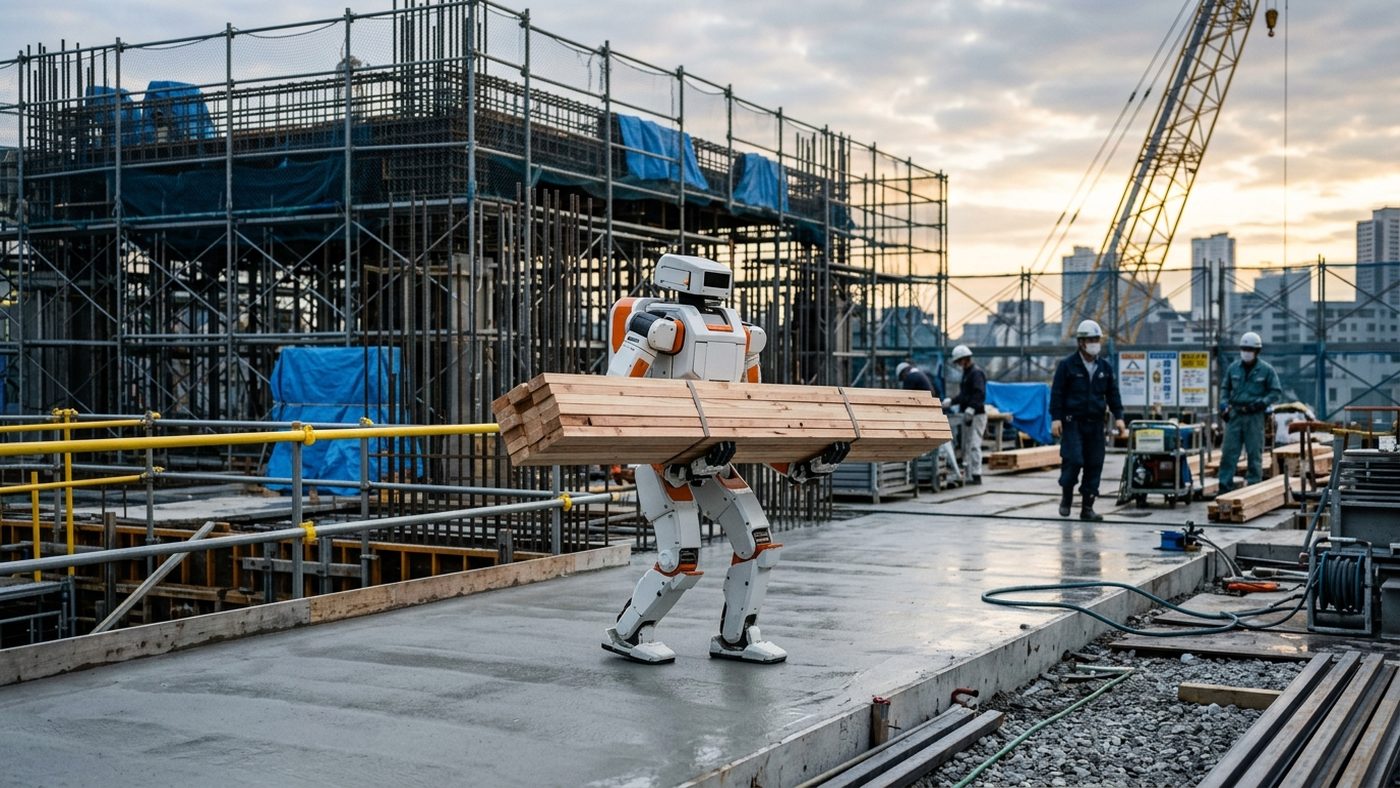
Elsewhere in the hall, a zone themed on AI rebuilding industrial production gathered about 200 exhibitors. The reporter's observation, which a buyer can test on a walk-through, was that automotive, new-energy equipment, biopharma, and food processing booths had moved from concept demonstrations to engineering deliveries with numbers attached. Robots entering the plant to do the job is no longer only a slogan at this show. It is also not yet a default.
The skeptical reading is already in the same article, which is unusual and useful. An analyst who has followed the sector for years told the paper that an industrial scene demands a robot hold its cycle time and its accuracy for a long period, and that this is a different problem from succeeding a few dozen times on a stand. Cost, reliability, and the surrounding supplier ecosystem are described as the three barriers to embodied intelligence at scale. The China Academy of Commerce and Industry, cited in the piece, puts the China humanoid market at about RMB 3.4 billion in 2026, roughly US$480 million at a 7.1 yuan-per-dollar planning rate, and does not expect it to break RMB 20 billion, roughly US$2.8 billion, before 2030. Those are forecasts, not orders. They do say the people closest to the numbers still think this is an early industrial market.
A plant manager can use a simple analogy. A trade-show cell is a recipe cooked once for a guest. A production cell is the same dish on a Friday night for 200 covers. The second one fails in ways the first one never shows: a part arrives out of tolerance, a suction cup wears, a network switch reboots. The fair has started to stage the Friday-night version. It has not run it for a year.
| What a buyer can compare | Trade-show cell, this fair | Installed industrial robot cell | Humanoid pilot, typical 2026 | | --- | --- | --- | --- | | Evidence on offer | Live demo, company-stated cycle time | Acceptance test, OEE, spare-parts contract | A few weeks of supervised runs | | Cycle time | Stated, often best case | Contracted, with penalties | Usually not contracted | | Accuracy claim | Sub-millimeter, as stated by AgiBot for one station | Measured on the buyer's parts | Rarely published for a full shift | | Share of humanoid shipments in this role | Demonstration and research still about 69 percent, per IDC as cited | The minority that reached a line | Most of the shipped total | | Price | N/A at the booth | Quoted per cell | N/A as a list price | | Payback question | Now being asked | Answerable from the buyer's own volumes | Usually still a model | | Who carries the integration risk | The exhibitor, for the duration of the show | The integrator, under contract | Often unclear |
N/A is the correct price entry. The fair report did not publish a selling price for the AgiBot stations or for competing humanoids on the floor. A number remembered from a different show should not be filled in.
Against a conventional industrial robot, the humanoid and composite machines at this fair are selling flexibility rather than speed. A caged arm from Fanuc, Yaskawa, or a domestic equivalent still wins on a task that does not change for five years. It is cheaper to insure, easier to program, and supported by a parts network that already exists. The new machines earn a look only where the task changes often enough that a fixed cell would be rebuilt twice a year. Optical-module variants and short-run electronics are plausible cases. A high-volume automotive weld is not.
The adoption signal to trust is a named line with a named yield, not a booth. AgiBot says precision assembly is on the lines of leading consumer-electronics makers. It did not name the makers in this report. Until a buyer can call a reference plant, the claim stays in the company-says column. The IDC split is the better public signal: if roughly seven in ten shipped humanoids are still in research, exhibition, or data collection, then the installed base a procurement team can visit is small.
For a sourcing leader the practical move is a questionnaire, not a purchase. Ask for hours run per day on a customer site, yield over 30 days, mean time between interventions, who owns the safety case, and what happens to video recorded on the line. Ask which body types actually share the software stack today, as opposed to on the roadmap. Ask for the payback model with the buyer's own wage rate and volume, not the exhibitor's.
RobotAIGeek has already covered adjacent pieces of this market, including Orbbec's compact lidar for mobile robots and the argument that robotics progress is splitting by geography rather than waiting on a single model breakthrough. This fair report does not repeat those stories. It adds a buyer-behavior fact from the show floor: the questions changed. That is a different claim from a product launch, and it should be read as one.
Korea and Japan offer the control group. A Rainbow Robotics warehouse pilot or a Fanuc cell can be visited, timed, and supported locally. The Shanghai booths are a catalog. The catalog is worth having. It is not a substitute for a reference call. Buyers who fly home with a cycle time and no plant name have collected a brochure.
The conclusion from this fair is narrower than the banners. Buyers have started asking the questions that decide a capital project, and exhibitors have started answering with cycle times instead of choreography. The shipment boom is real on the IDC figures cited, and most of it has not reached a production line. Treat the show as a shortlist of vendors worth a plant visit. Do not treat a booth cycle time as an acceptance test.
Standard disclaimer: This article is for general information. It is not investment, legal, or purchasing advice. Specifications, dates, and commercial claims should be confirmed with the companies involved before any decision.