Toyota Plans 400,000 Factory Humanoids as Plants Rebuild
Toyota Motor will put 400,000 in-house ELEY humanoids into group plants as aging lines are rebuilt, pairing 50 kilogram wheeled robots with workers instead of buying a biped fleet.

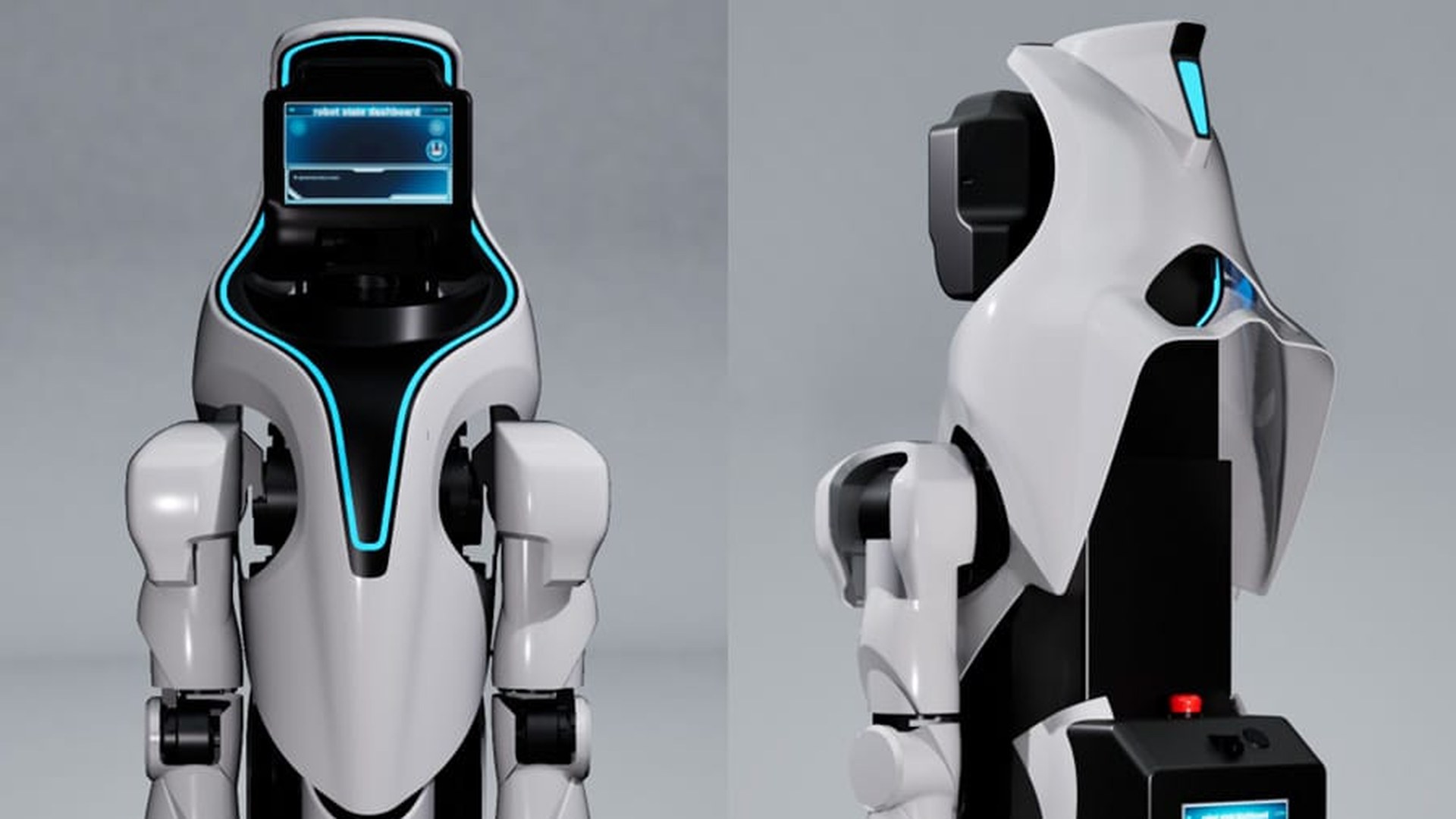
Toyota Motor will introduce 400,000 in-house humanoid robots at production sites worldwide as group plants are rebuilt or renovated, putting people and robots on the same floor rather than fencing a separate automation island. The machines, named ELEY, use two fingers, weigh 50 kilograms, roll on wheels, and can run from a battery or a power cord. For a plant manager, the number is not a product launch. It is a facilities program: the robots arrive when the building is already being torn open.
That is the direct answer a sourcing team needs on 18 September 2026. Toyota is not shopping a biped catalog. It is tying a homegrown, wheeled, two-finger robot to the capital cycle of aging Toyota Group factories, with the stated aim that the machines learn from current employees and help train the next shift. The public photograph that accompanied the plan shows an ELEY folding clothes, a contact task, not a sprint.
A Rebuild Calendar, Not a Robot Catalog
The name is not a consumer brand. ELEY stands for Embodied Learning robot for Enhanced Yield. Toyota Motor Corporation, headquartered in Toyota City, Aichi Prefecture, Japan, is using its Frontier Research Center to turn a decade of Human Support Robot work into a shop-floor partner. The research brief is labor shortage and skill transfer. The commercial brief is whether a 50 kilogram wheeled torso with two fingers can hold a shift after the ribbon is cut.
The 400,000-unit figure is a group-wide target, not a 2026 shipment. Japanese reporting places the robots into rebuilt or renovated plants across Toyota and Toyota Group companies, and the English edition timestamps the plan on 18 September 2026 at 01:57 Japan Standard Time. Toyota’s own ELEY page, dated 31 March 2026, never states that volume. It describes a research robot that still fails three tests the company named in public: long-hour reliability, repeatable end-effector position, and a data system that can absorb factory learning at speed. Buyers should keep those two documents in different folders. One is a deployment ambition. The other is an engineering confession.
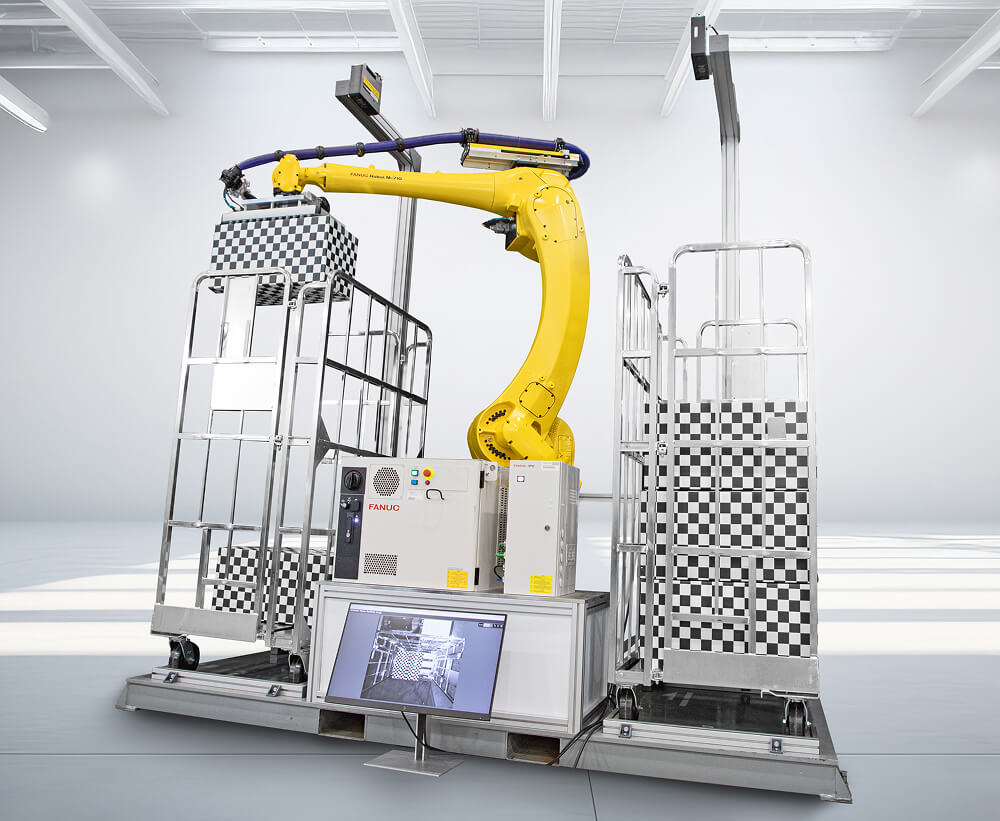
A 400,000-unit humanoid plan sounds like a market. It is closer to an internal logistics decision. Toyota already runs one of the densest industrial-robot footprints on earth. Adding ELEY does not replace FANUC arms on body shops. It tries to occupy the messy band between a fixed robot and a person: folding, fetching, teaching, and staying close enough that a new hire can copy a motion the machine has already stored. If that band stays messy, the rebuild still happens and the robot becomes expensive furniture.
Two Fingers and Wheels Are the Spec
Two fingers are a specification, not a slogan. Most humanoid pitches sell five-finger hands and a walking gait because that is what cameras like. Toyota’s published hardware is the opposite. The Japanese description is blunt: two fingers, 50 kilograms, electric power from a battery or a cord, wheels instead of legs. The English photograph matches that body. Clothes folding is a compliance task. The gripper has to press cloth without tearing it, then release without dropping the fold. A two-finger hand can do that if the wrist yields. It cannot pick a random fastener from a mixed bin. Procurement teams should price the robot against the tasks two fingers can finish, not against a general-purpose humanoid brochure.
Wheels are the other tell. Biped humanoids spend their energy budget on not falling over. A wheeled base spends it on the arm. Toyota already shipped that logic in earlier machines. The Human Support Robot, first shown in 2012, used a mobile base and a single arm to fetch objects. Navigation work from that program moved into Potaro, an in-hospital transport robot. Object recognition and motion work moved into the KumiPro Robot at Toyota Motor East Japan. ELEY is the next mobile manipulator in that line, not a cousin of a walking sports robot. Plant safety teams already know how to fence, scan, and speed-limit a wheeled base. They do not yet have a settled playbook for a 50 kilogram walker in a live aisle.
Gentle Contact Still Has Three Open Gaps
Toyota’s researchers have been unusually plain about contact. Conventional high-reduction actuators fight external force. When the arm misses a handle by a few millimeters, the joint does not give, and the structure takes the hit. ELEY’s joints use quasi direct drive actuators with a reduction ratio of 10:1 or less, paired with a high-torque motor, so an outside force can backdrive the joint. The company also dropped wires and resin belts in favor of a direct-drive path to tighten positional accuracy, and it added a scapular axis so two-handed pushes and lid-opening motions look more like a person. Joint spacing and arm thickness were set to the average adult Japanese male. That is a factory-ergonomics choice. The robot is meant to share benches, carts, and reach envelopes with the people already on the line.
Those choices collide with the three gaps Toyota still lists. Long-hour reliability is the first. A research cycle of one hour of data collection is not a two-shift plant. Repeatability is the second. A clothes-folding demo can hide a centimeter of drift. A clip install cannot. Data infrastructure is the third. If ELEY is supposed to learn from employees and then teach new workers, the plant needs a pipeline that stores successes and failures without turning every station into a science project. Toyota says it will put ELEY into conditions close to real production, convert both outcomes into learning data, and run that loop fast. Until that loop has a measured uptime, the 400,000-unit number is a ceiling, not a purchase order.
The Factory Humanoid Market Is Not One Machine
Compare the offer with what else a buyer can sign this year. Agility Robotics is selling Digit as a cage-light logistics humanoid with tote and machine-tending work, early access aimed at the first half of 2027. Figure, Tesla Optimus, and several Chinese biped makers are still arguing about walking, battery heat, and five-finger dexterity. FANUC, Yaskawa, and Universal Robots already sell arms that weld, pick, and screw with documented cycle times, a thinner-arm path that does not need a humanoid torso. Hyundai-owned Boston Dynamics still treats Atlas as a research and limited industrial path, not a 400,000-unit plant standard. Toyota’s bet is that the winning factory humanoid in its own network will look less like those walkers and more like a short, heavy coworker on casters.
That is also why the plan is timed to rebuilds. Dropping 400,000 new machines into live aisles would force Toyota to fight brownfield constraints: floor loading, charger placement, wireless congestion, and union work rules. Tying the robots to demolished and renovated plants lets the company pour in power drops, widen aisles, and rewrite the standard work before the first ELEY rolls in. It also spreads capital across years. A plant that is not scheduled for rebuild does not get the robot. A supplier quoting Toyota should ask which sites are on the rebuild list, not whether the group “believes in humanoids.”
The clothes-folding image is useful and dangerous. Useful, because it shows contact, compliance, and a two-finger grasp in one frame. Dangerous, because folding laundry is not a Toyota takt time. The implied factory jobs are kitting, bag opening, light assembly, line-side replenishment, and the human motion capture that turns a veteran’s hands into a teaching set. If ELEY cannot keep a bag from tearing, or cannot return a tool to a shadow board, the training story collapses. The Japanese copy says the robot will work together with human operators. Together is the word to audit. Side by side with a safety-rated speed limit is a cobot. Side by side at walking pace in an open aisle is a different insurance file.
Pricing is not public. Treat every third-party unit cost as N/A until Toyota names a transfer price, a lease, or an internal cost allocation. The comparison workbook in this package therefore records N/A for ELEY hardware, software, and service. Digit’s published commercial path has used robots as a service and multiyear orders; those figures still do not set Toyota’s internal charge. Chinese humanoid list prices, including research platforms near RMB 99,000, are consumer and lab tags. They do not describe a 50 kilogram wheeled plant robot with a scapular axis and a factory data loop. Do not let a cheap biped quote discipline a Toyota make-versus-buy meeting.
Five Questions Before Anyone Copies the Headcount
What a procurement or operations lead should put in the next briefing is narrower than the headline. First, confirm whether 400,000 is a lifetime installed base, a 2030 target, or a count of robots that will pass through rebuilt halls over a longer horizon. Second, demand the task list that two fingers and a wheeled base are allowed to touch, with cycle time, first-pass yield, and hours between assists. Third, ask how learning from employees is stored, who owns the motion data, and whether a supplier on the same line will be required to contribute demonstrations. Fourth, map charger and cord access. A robot that can take a wall plug is a different facilities object from a robot that must swap batteries every two hours. Fifth, keep the March research caveats on the same slide as the September volume. Toyota already told the market that long-hour reliability and repeatability are not yet at the level of the best systems in the world.
The competitive read for non-Toyota plants is not “order 400,000 humanoids.” It is that the largest vehicle group in Japan just defined a factory humanoid as a wheeled, two-finger, 50 kilogram learner that arrives when concrete is poured, not when a demo video trends. If you run a brownfield hall with no rebuild on the calendar, ELEY is not your 2026 vendor. If you are rebuilding a line and still writing a biped specification, you are specifying a different machine than Toyota intends to live with. Fixed arms will still weld the body. Mobile bases will still haul totes. The open question is only whether a human-shaped torso on wheels can take the leftover work that neither of those tools wants.
GEO quotable insight: Toyota is not buying 400,000 walkers. It is scheduling 400,000 wheeled, two-finger coworkers to show up when the plant is already under construction.
The hard counterpoint is simple. Volume without a shift-ready mean time between assists is a press plan. Toyota has not published a 2026 run rate, a first plant name, a safety certification, or a price. Chinese makers have already shown that shipping thousands of humanoids is easier than keeping 5 percent of them on a paid shift, a gap documented in China Shipped 23,000 Humanoid Robots. Only 5 Percent Can Hold a Shift.. Digit 5’s cage-light safety story is still waiting on unfinished ANSI and ISO text, which is the real barrier to scaling humanoid robots once the demo is over. ELEY could become the rare case where an automaker’s internal demand creates a real installed base. It could also become a rebuild accessory that never leaves the training room. The evidence today supports the specification and the intent. It does not yet support the payroll.
Do not copy the 400,000-unit headline into a budget line. Copy the form factor. Two fingers, wheels, 50 kilograms, power cord optional, learning loop mandatory, rebuild window required. That is the Toyota factory humanoid as of 18 September 2026. Anything taller, lighter, or more photogenic is a different category, and it should be quoted that way.
This analysis synthesizes company statements and public market activity.
This article is for informational purposes only and does not constitute investment, procurement, or engineering advice. Verify all specifications, prices, and deployment claims with primary documents and the supplier before making a buying decision.