Paxini Raises RMB 1 Billion as Tactile Stacks Draw Capital
Tactile-sensing company Paxini closed a RMB 1 billion strategic round, lifting cumulative funding to nearly RMB 4 billion while moving its headquarters to Beijing.

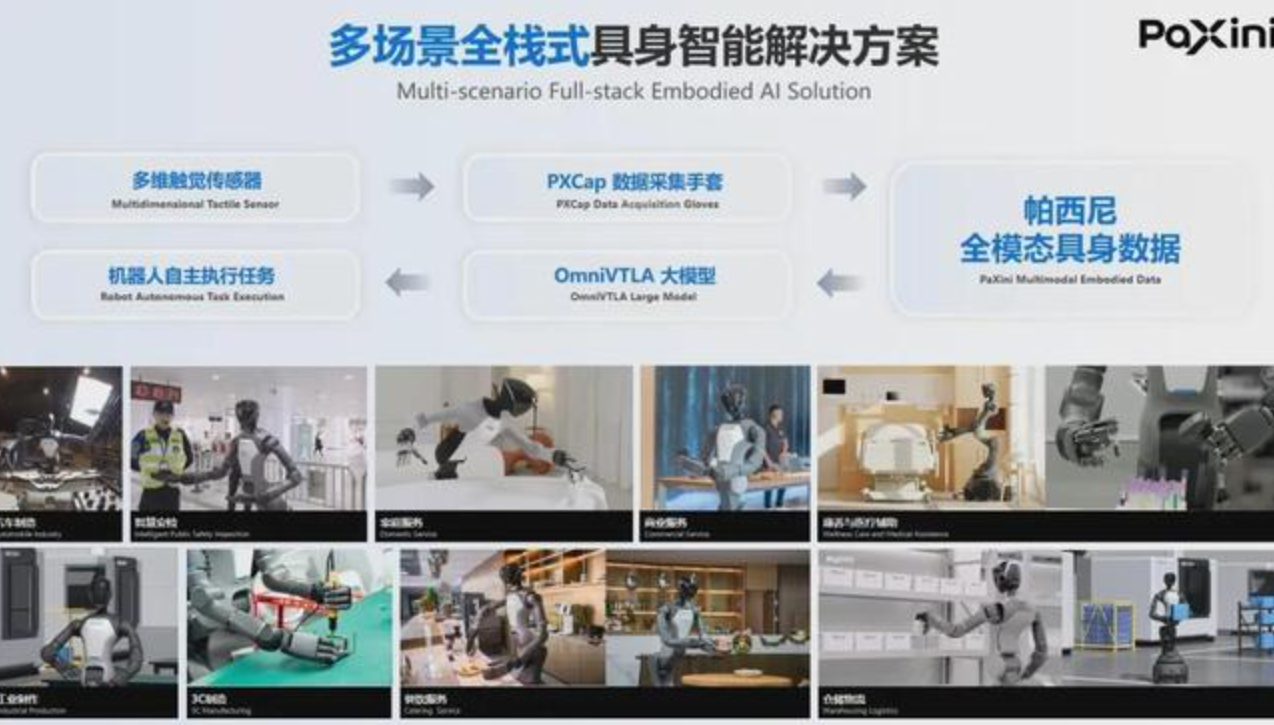
Paxini, a China-based tactile sensing and embodied-intelligence hardware company, has completed an RMB 1 billion (approximately $140 million) in strategic financing round, bringing cumulative funding to nearly RMB 4 billion (approximately $560 million). The company also relocated its headquarters to Beijing and completed a shareholding-structure reform in the same operating window.
Investor disclosures describe a mix of industrial capital, financial institutions, regional artificial intelligence funds, and market-oriented supporters. Public descriptions of the lead investor point to a global consumer-electronics and semiconductor group, alongside Bank of China International, Kunpeng Fund, Hexin Fangce, Dinghui Baifu, Chengdu Jiazi Artificial Intelligence Fund, Jingming Capital, Jinrong Guosheng, and returning shareholder Zhilai Capital.
Why tactile funding is rising now
Computer vision can tell a robot where a cup is. It cannot, by itself, continuously detect slip, deformation, or contact force once the fingers close. Factory and warehouse buyers are no longer impressed by a single successful grasp in a demo. They ask how many times the motion holds up under batch variation, and how fast the cell recovers after a fault.
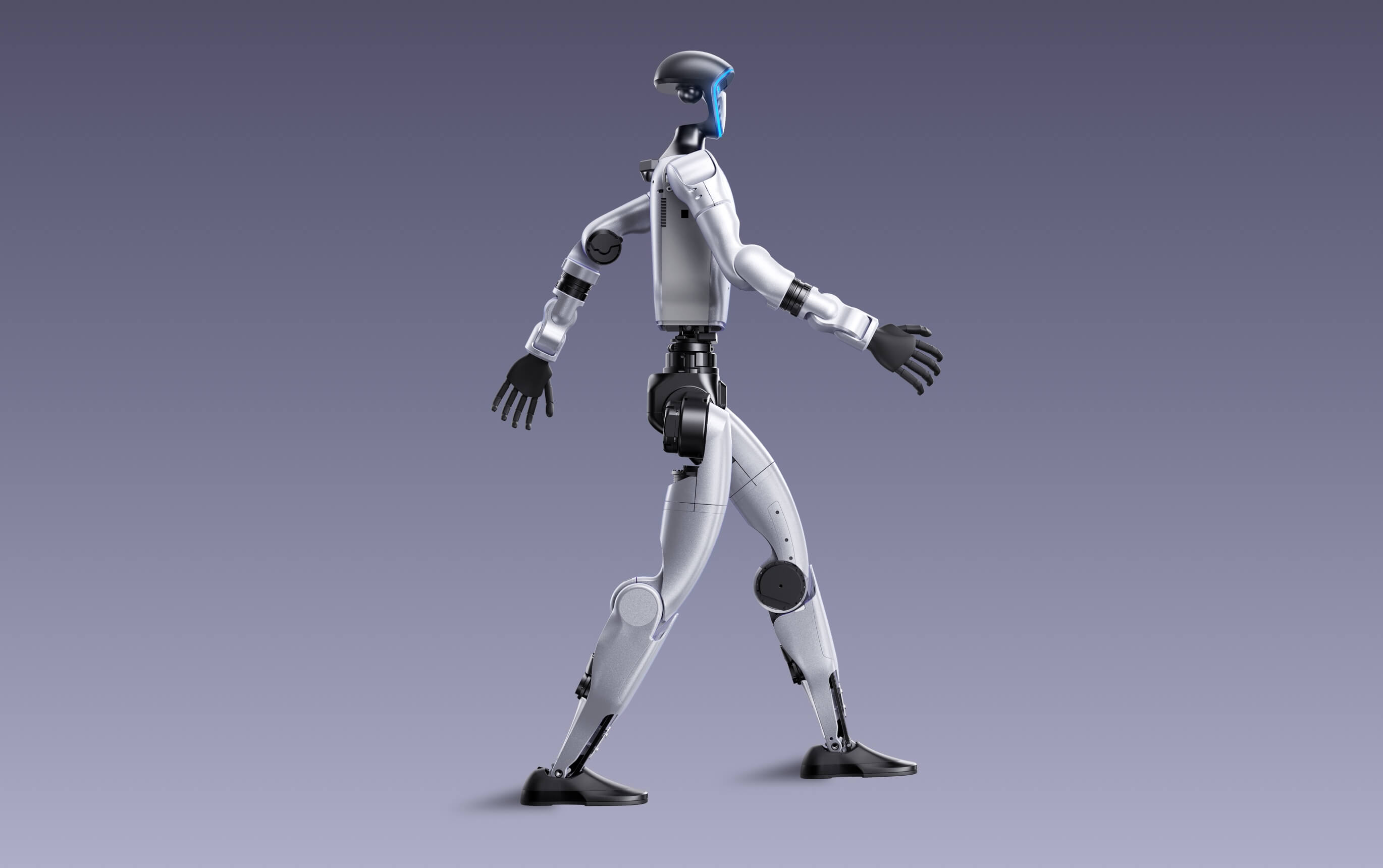
Paxini’s pitch is a full loop rather than a single sensor catalog: tactile perception, multimodal data collection, dexterous hands, and robot bodies intended to make contact events predictable enough for scaled deployment.
What buyers should underwrite
A large cumulative raise is no guarantee for commercial readiness. Integrators should demand mean cycles between failure, calibration drift data, replacement-part lead times, and whether tactile models transfer across tool tips and object families. The companies that succeed the next phase will sell fewer miracle demos and more boring reliability curves.
Capital is now pricing tactile stacks as core infrastructure for embodied AI, not as optional accessories on a show robot.
This analysis synthesizes company statements and public market activity.
Disclaimer: This article is for informational purposes only and does not constitute investment, procurement, or technical advice. Verify all claims with primary company disclosures and qualified advisors before making decisions.