Siemens Puts a Robot on CNC Duty at China's Import Expo
Siemens demonstrated a wheeled humanoid robot tending a CNC machine at this year's China International Import Expo, alongside AI-driven process wins in milk-powder production and auto-parts R&D, and signed roughly 40 new cooperation deals.

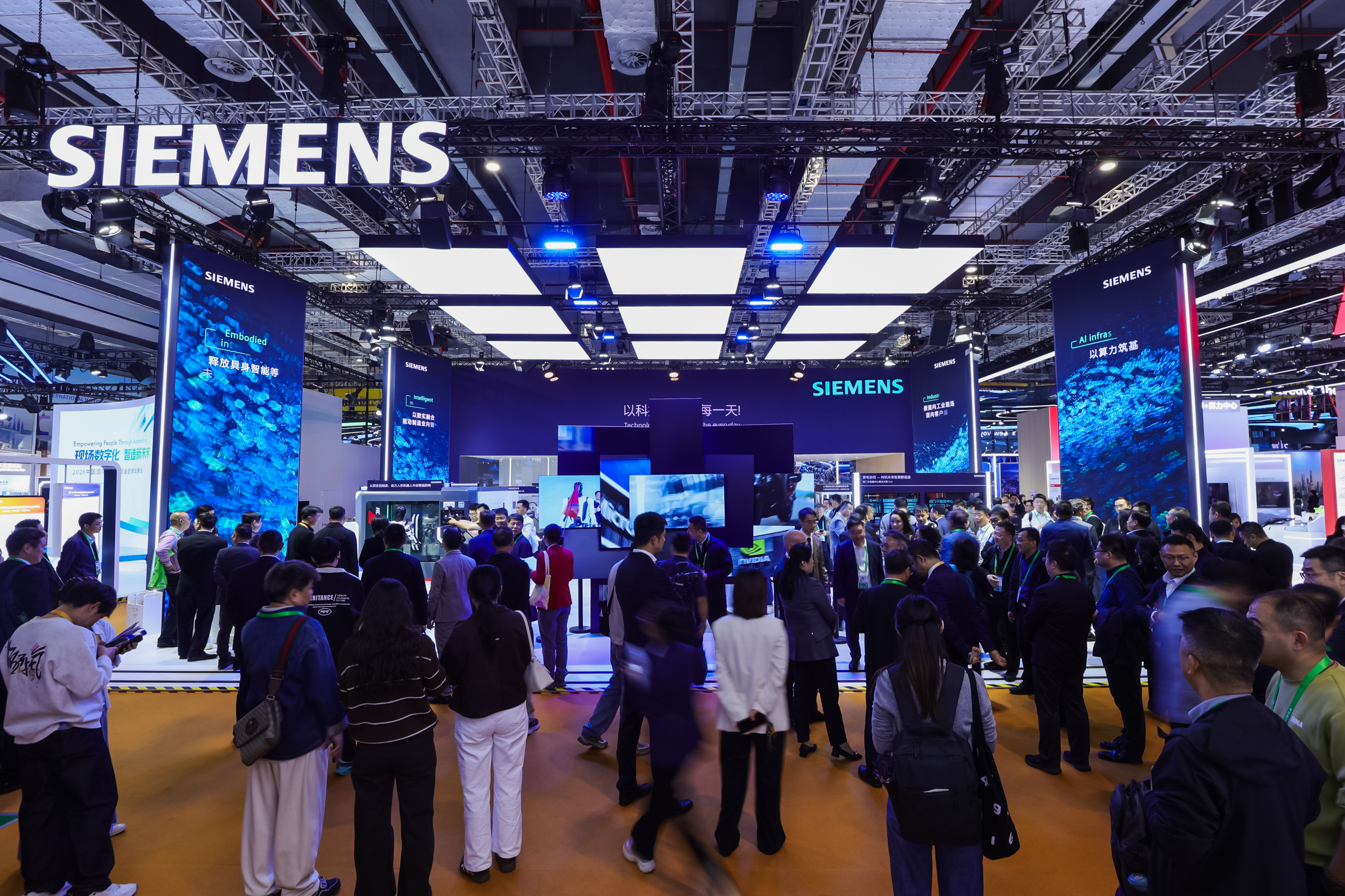
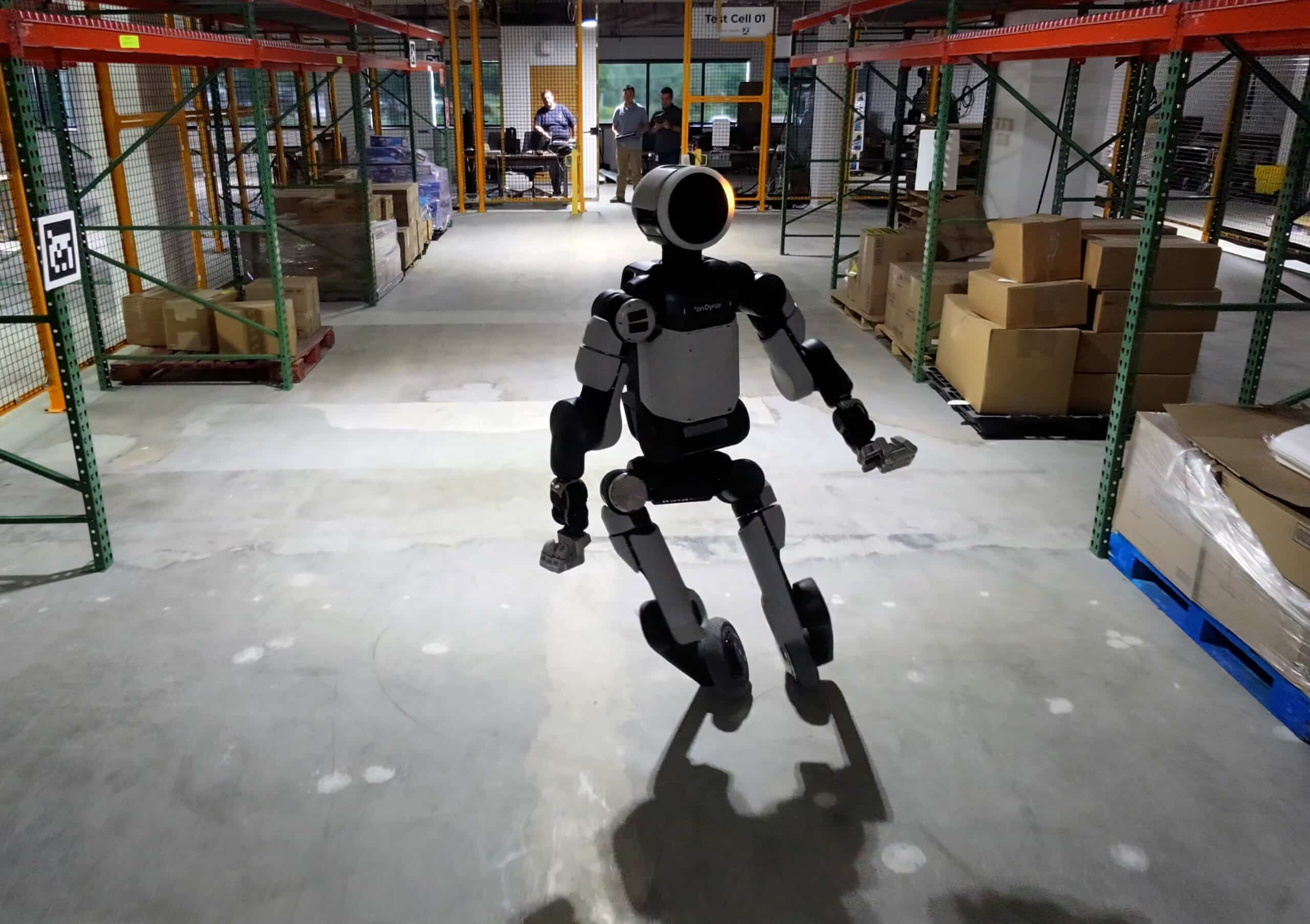
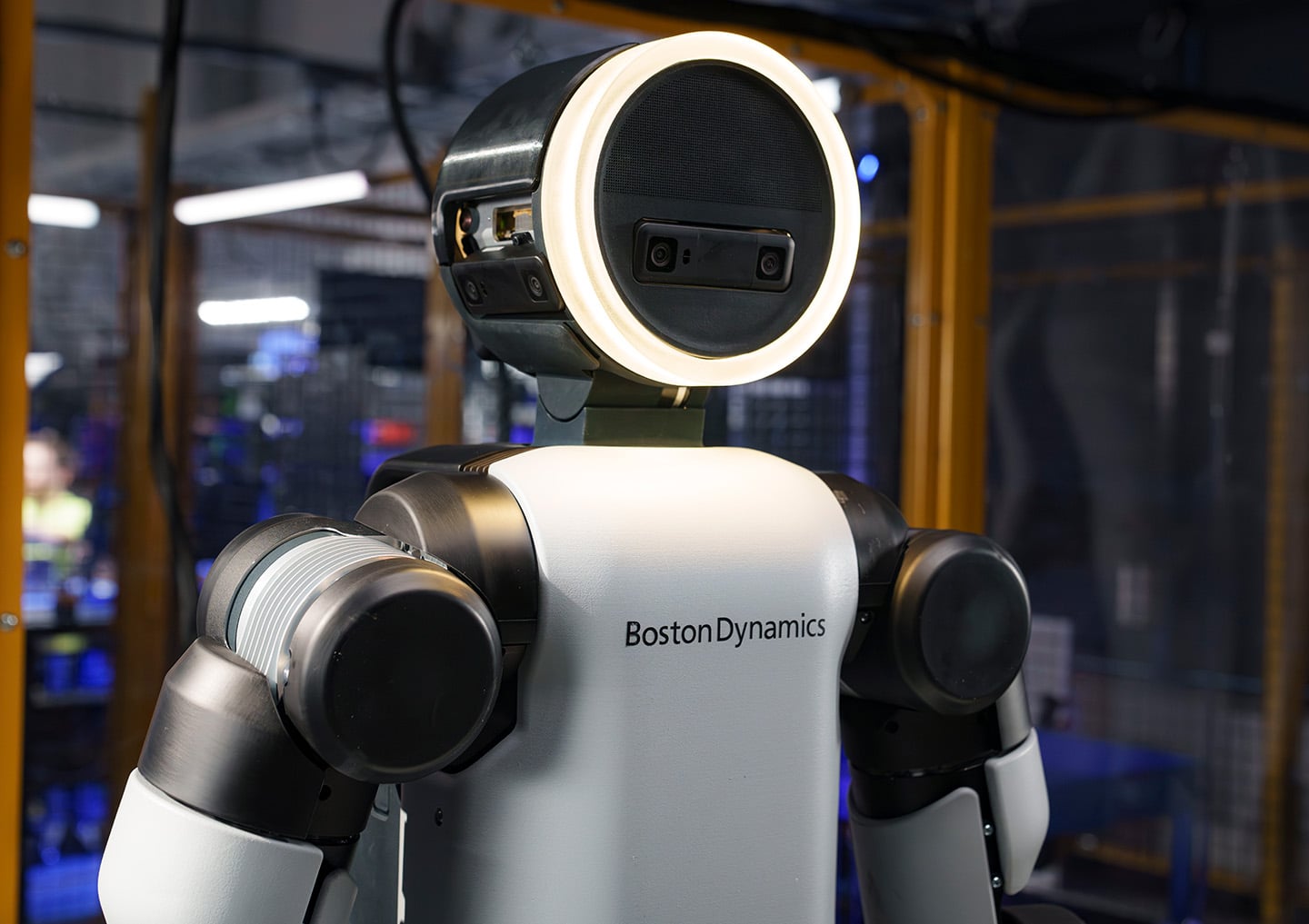
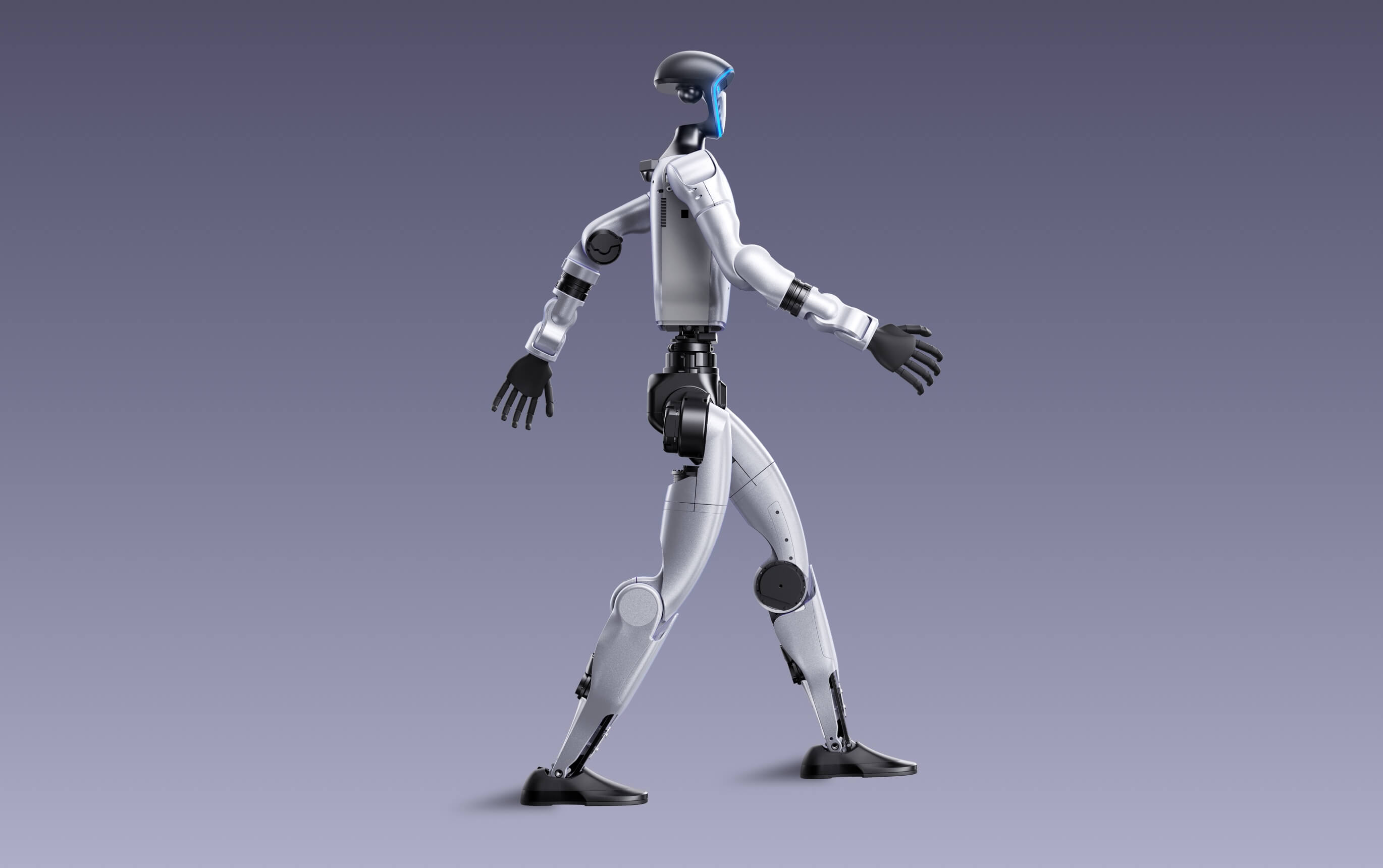
At Siemens' booth on the floor of the ninth China International Import Expo in Shanghai, a wheeled humanoid robot spent the week reaching into a real computer-numerical-control machine tool, pulling out a finished part, and loading the next one in, timed to the machine's own work cycle rather than a scripted demo loop. The exhibit, running alongside the expo from November 5 to 10, is Siemens' clearest public signal yet that it intends to sell artificial-intelligence-driven automation into China's factories, not just showcase it. Siemens Greater China president and China chairman Xiao Song said the expo has become a platform for moving innovation deeper into industry and opening new room for growth, and the company used the week to sign cooperation agreements with roughly 40 Chinese companies.
This is Siemens' ninth appearance at the import expo, and the 154-year-old German industrial group used it to show eleven artificial-intelligence use cases spanning eight industries, alongside Eigen, its AI agent for industrial-automation engineering, and a set of data-center solutions. The throughline across all of it is a wager that Chinese manufacturers, already running some of the world's densest industrial deployments, are also the customers most willing to pay for AI that proves its return on investment on the shop floor rather than in a slide deck.
Spray Dryers and Front-End Frames, Not Just Robots
The robot at the booth drew the crowds, but the more immediately commercial cases sat a few meters away. Siemens showed an AI-driven digital-twin system now running inside the spray-drying stage of milk-powder production for Feihe, the Heilongjiang-based company that is China's largest infant-formula maker by sales. Spray drying is unforgiving: temperature, humidity and feed rate all shift quickly, and a plant worker adjusting controls manually can only tune one variable at a time, which lets moisture content drift and wastes energy correcting for it. Siemens' system instead analyzes and forecasts three to four key parameters at once and pushes the optimized values straight to the controllers. The result, according to the company, is a 10 percent cut in the line's overall energy consumption and a 3 percent increase in output per unit of time, gains that come from tighter control rather than new hardware.
A second case paired Siemens with Kingfa Science and Technology, the Guangdong-based modified-plastics and advanced-materials supplier that counts much of China's auto industry among its customers. The companies trained AI prediction models on years of accumulated simulation data to shortcut physical testing cycles, cutting the development time for an automotive front-end structural frame from eight days to two. For an auto-parts sector under constant pressure to compress model cycles, a four-fold reduction in one simulation step is the kind of number that shows up directly in a sourcing decision, not just an engineering report.
The Robot as Proof, Not the Product
Which is what makes the show-floor robot worth reading carefully rather than dismissing as trade-show theater. A single wheeled humanoid tending one CNC machine tool is not, by itself, a commercial deployment; Siemens has not disclosed a customer, a price, or a delivery date for it. What the demonstration is built to prove is narrower and more specific: that the robot body, the scheduling software directing it, the data link carrying instructions, and the machine tool itself can run in the same tempo as one coordinated system, rather than as a robot arm bolted on next to a machine it has no real-time relationship with. That is the integration problem that has stalled more humanoid pilots than any shortfall in walking or grasping, and it is the problem Siemens' booth was built to address, using automation software the company already sells into thousands of factories.
Xiao framed the company's read on what Chinese buyers actually want in blunt commercial terms: a combination of performance, cost, adaptability and delivery speed, with customers wanting AI that solves a specific problem, deploys easily, and proves its payback quickly, before asking about anything more ambitious. That is a narrower pitch than the humanoid industry's usual framing of general-purpose labor, and it matches the lesson of the two pilot deployments Siemens could actually quantify this week: the gains that got measured were energy and cycle-time numbers inside existing production lines, not a jobs-replacement story.
Compute Is the Other Half of the Pitch
Siemens used the same week to extend its automation pitch upstream into the infrastructure that AI itself depends on. The company's simulation software is being packaged into digital twins for what it calls compute-power coordination, aimed at the high-density, high-power loads and renewable-supply swings that come with building out AI data centers. Siemens said the approach is already running in green-power direct-connection pilot projects in Zhongwei, in the Ningxia region; Ulanqab, in Inner Mongolia; and Langfang, in Hebei province, three of the inland sites China has steered new data-center capacity toward partly because they sit closer to wind and solar generation than coastal demand centers do.
The pairing is not incidental. A company selling digital twins for factory robots and digital twins for data-center power is making the same argument twice: that the hard part of deploying AI in the physical world is not the model, it is the control layer that keeps hardware, power and software synchronized under real operating conditions. Xiao put the broader case for China as a proving ground for that argument plainly, arguing that the country's dense industrial base and companies' appetite to test new technology make it a market where industrial AI gets built and proven in practice, with products developed there carrying real potential for international markets as well.
A Crowded Floor, a Narrower Pitch
Siemens was not the only industrial name chasing robotics attention at this year's import expo. The adjacent halls carried humanoid exhibits built for spectacle rather than production: full-size robots playing table tennis against human opponents, and service robots guiding visitors through exhibition stands. Those demonstrations are useful for testing perception and motor control under real, unscripted conditions, and they draw the crowds that get a hall talked about. They are not the same exercise as timing a robot's reach-and-load cycle to a CNC machine's own production tempo, which depends on scheduling software and machine-communication protocols that Siemens has spent decades building into factories, not on the robot's hands. The company's bet is that this duller, harder-to-photograph integration layer is where the money in industrial humanoid deployment will actually sit once the entertainment-driven demos stop drawing headlines.
That bet also explains why Siemens chose to pair the robot demo with two already-quantified process-optimization cases rather than let the robot stand alone. A buyer who cannot yet get a price or a delivery date for the CNC-tending robot can still act on the Feihe and Kingfa results this quarter, because both are software additions to control systems a given factory may already be running. That sequencing, prove the AI layer first on instrumented processes, then extend the same software stack to a robot body, is a more conservative commercialization path than most humanoid-robot startups are taking, and it is only available to a vendor that already has deep installed automation to extend.
What Buyers Should Actually Watch For
For a procurement team evaluating any AI-automation pitch this quarter, Siemens' own case studies this week suggest a useful filter. The two pilots with hard numbers, the Feihe spray dryer and the Kingfa simulation models, both apply AI to a narrow, already-instrumented process and report a measured delta against a prior baseline. The robot-tending-a-CNC-machine demo, by contrast, is a capability proof with no disclosed customer, cost or timeline attached to it yet. Vendors pitching humanoid or wheeled robots into discrete manufacturing this year will increasingly borrow language from both categories; the distinction a buyer needs to hold onto is which one they are actually being sold.
Siemens' own commercial history argues for taking the direction seriously even where the robot demo stays unpriced. The company's automation and digital-twin software is already embedded in enough Chinese factories that a shift toward AI-driven process optimization does not require persuading customers to adopt new infrastructure, only to add a model on top of control systems many of them already run. That is a materially easier sale than a competitor asking a factory to adopt an unfamiliar robot platform from scratch, and it is the structural advantage behind Siemens signing roughly 40 new cooperation agreements in a single week at one trade show.
The next test for all of this will not be another booth demonstration. It will be whether Siemens, or any of the roughly 40 companies it just signed, discloses a named production deployment of the CNC-tending robot with a unit count and a contract date attached. Until one of those filings or announcements lands, the fair read of this week's import-expo showing is that Siemens has a well-proven sales motion for AI-optimized process control, and a credible but still unpriced bet that humanoid and wheeled robots will be the delivery mechanism for the next layer of that pitch.
This analysis synthesizes company statements made at the China International Import Expo and public market activity as of November 2026, and is provided for general information purposes only; it does not constitute investment, financial, or engineering advice. Hero image: Siemens exhibit at the China International Import Expo, Shanghai, official Siemens/CIIE event photography.