
HIVE Raises $15 Million to Retrofit Industrial Machines With Physical AI
London and Norway based startup HIVE has raised 15 million dollars in pre series A funding led by SuperSeed to build a retrofit intelligence platform that turns existing industrial vehicles into autonomous machines, with live deployments already running in Scandinavia.
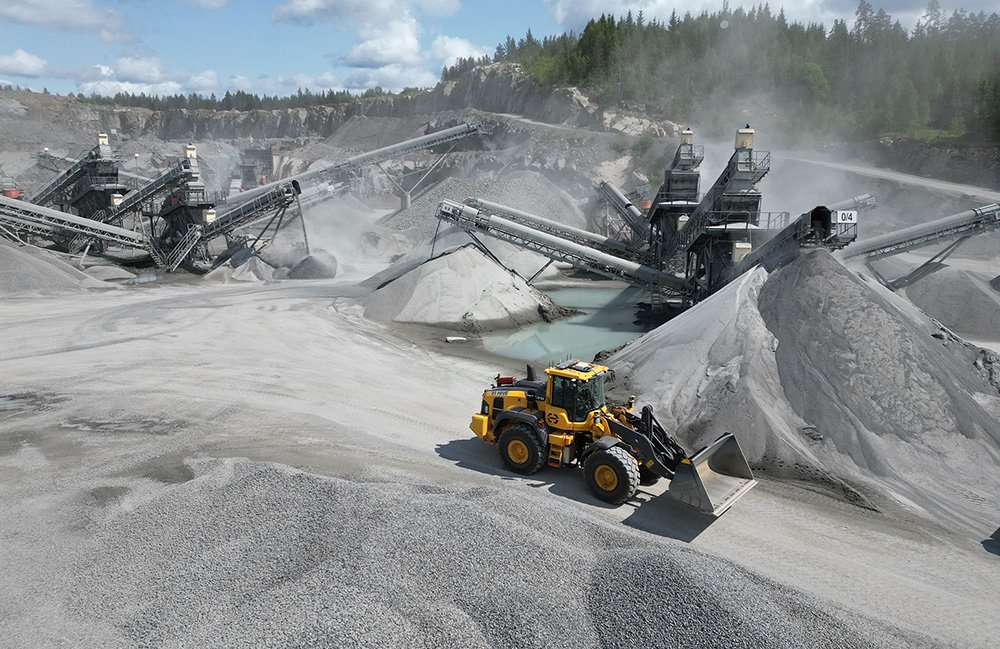
HIVE, a physical AI startup with offices in Norway and London, said it has raised 15 million dollars in pre series A funding. The round was led by SuperSeed, with participation from Veriten, Skyfall, and Nysno, along with angel investors including Borge Hald, founder of Medallia, and Jorn Lyseggen, founder of Meltwater.
The company is building what it calls a silicon brain, an intelligence platform designed to unify operations across many different types of industrial machines. Rather than selling new robots, HIVE retrofits vehicles that customers already own with sensors and cameras, giving them the ability to perceive their environment, decide on an action, and act autonomously.
What Does HIVE's New Funding Pay For
HIVE, a London and Norway based physical AI startup, raised 15 million dollars in pre series A funding led by SuperSeed on July 7, 2026, to expand its team and scale its silicon brain platform, which retrofits existing industrial vehicles with sensors so they can operate autonomously in warehouses, construction sites, and production lines.
The Simple Explanation
Most industrial vehicles, wheel loaders, forklifts, and construction equipment, were built long before autonomous driving technology existed and were never designed to be self operating. Building an entirely new autonomous machine from scratch is expensive and slow. HIVE's approach instead bolts sensors, cameras, and its own control software onto vehicles a company already owns, turning a normal wheel loader or truck into a machine that can be supervised remotely or, eventually, operate with less direct human control, without the customer buying new hardware.
Where the Technology Is Already Working
HIVE already has its silicon brain running across several sites in Scandinavia. One example described by the company involves Vikafjellet, one of Norway's most exposed mountain road crossings, where clearing snow or avalanche debris traditionally required waiting hours for a geologist to inspect and approve the area before crews could safely enter. With HIVE's system installed on a standard wheel loader, the operator company, Presis Vegdrift, can send the machine in immediately, with the operator working from inside a remote supervisor room instead of sitting in the vehicle's cab in a hazardous zone.
That use case illustrates HIVE's core sales pitch: the technology is not just about labor savings, it can also remove workers from genuinely dangerous conditions such as avalanche zones or unstable construction sites, while keeping a human in the loop through remote supervision rather than removing human oversight entirely.
Why It Matters
HIVE's retrofit model sits in a different competitive lane from companies building humanoid robots or entirely new autonomous vehicles, since it targets the much larger installed base of machines already in operation across warehouses, construction sites, and production lines. Retrofitting existing fleets is typically far cheaper and faster to deploy than replacing equipment outright, which could make this category attractive to industrial operators who want automation benefits without a full capital equipment upgrade cycle.
The Bigger Signal
HIVE's commercial model is built around a compounding effect: each hour a retrofitted machine operates feeds data back into one shared reinforcement learning loop across the fleet, and the company says it expects this to eventually cut the productive cost per machine hour by as much as 80 percent. If that kind of learning loop holds up at scale, retrofit style physical AI could become a faster and cheaper path to automation for asset heavy industries than waiting for purpose built autonomous equipment to mature.
Strategic Perspective
Industrial operators with large existing equipment fleets, particularly in remote, hazardous, or labor constrained sites such as mountain infrastructure, mining, or construction, should evaluate retrofit style physical AI providers alongside new equipment purchases, since the retrofit path may deliver automation and safety benefits on a shorter timeline. Buyers should specifically ask vendors like HIVE about data ownership and portability if a fleet operator later switches equipment suppliers or automation providers.
Market Context: Retrofit Versus Purpose-Built Automation
HIVE's retrofit approach places it in competition with a growing set of companies pursuing physical AI for industrial and construction equipment, though most competitors to date have focused on building new autonomous vehicles rather than retrofitting existing fleets. That distinction gives HIVE a potentially faster path to revenue, since customers do not need to commit to new capital equipment purchases, but it also means the company depends on the safety and mechanical condition of equipment it does not manufacture itself, a variable purpose built autonomous vehicle makers can control more directly by designing the entire machine from the ground up.
The Scandinavian construction and infrastructure sector, with its exposure to hazardous conditions such as avalanche-prone mountain roads, has proven a useful early proving ground for HIVE, since the safety case for automation is easiest to make when the alternative is putting a human operator in direct physical danger. Whether that same value proposition translates as clearly to lower risk environments such as ordinary warehouses, where the primary benefit is efficiency rather than worker safety, will be an important test as HIVE expands into the United States market.
Details on specific US customers, deployment sites, or expected timelines for the American expansion were not disclosed in HIVE's funding announcement, and the company has not yet published case study data showing the claimed 80 percent machine hour cost reduction figure in an independently reviewed setting.
What to Watch Next
HIVE's claimed 80 percent machine hour cost reduction is currently a company projection rather than an independently audited result, and readers should treat it accordingly until third party case studies or customer testimonials become available. The most useful signals to track over the coming months include whether HIVE publishes named customer deployments in its US expansion, whether the company discloses specific performance data from the Vikafjellet avalanche clearing use case beyond the qualitative account provided at funding announcement, and whether competing retrofit style physical AI startups emerge to challenge HIVE's early positioning in this specific niche. Given how capital efficient a retrofit business model can be relative to building new autonomous hardware, this category could attract fast moving competition once the approach proves out commercially.
The Industry Reality
Physical AI retrofit companies like HIVE often describe their technology using language borrowed from software, a silicon brain, a learning loop, an intelligence platform, which can make the underlying engineering sound more mature than it necessarily is at this stage. Retrofitting a wheel loader with sensors and remote operation capability is a meaningful engineering achievement, but it is not the same as building a fully autonomous machine that requires no human oversight at all. HIVE's own description of its Vikafjellet deployment involves a human operator working from a remote supervisor room, not a machine operating with zero human involvement, and that distinction matters for how quickly this category can realistically scale. Readers evaluating retrofit style physical AI vendors should ask specifically how much human supervision each deployment still requires today, rather than assuming remote or sensor based operation is equivalent to full autonomy.
The Strategic Perspective
HIVE's retrofit model offers a useful lesson for any industrial operator currently choosing between waiting for purpose built autonomous equipment to mature and adopting a retrofit solution now. The company's core pitch, turning existing capital equipment into supervised autonomous machines without a full replacement cycle, addresses one of the biggest practical barriers to automation adoption: most industrial operators have already invested heavily in their current fleets and cannot justify writing off that investment just to access newer autonomous capability. If HIVE's approach proves durable across different equipment types and operating environments, it could become a template other physical AI companies replicate across adjacent industries such as agriculture, mining, and port operations, all of which share the same large installed base of expensive machinery that predates any autonomous capability.
The Bottom Line
HIVE says the new funding will go toward expanding its founding team and scaling commercial deployments with new and existing industrial partners, with a US expansion already under way alongside its established Scandinavian operations. As more industrial operators weigh retrofit automation against full equipment replacement, HIVE's early results in genuinely hazardous conditions such as avalanche-exposed roads will likely serve as the reference case the rest of the industry measures its own retrofit claims against, for better or worse. Industrial buyers should also note that HIVE's Norwegian roots give it early credibility in Nordic markets specifically, where harsh weather and remote infrastructure have long created demand for remote operated equipment, a regional advantage that may not automatically transfer as smoothly once the company competes for customers in flatter, more accessible US markets with different operating conditions and different competitive dynamics already in place.
Source Evidence
The Robot Report: https://www.therobotreport.com/hive-brings-in-15m-to-build-physical-ai-for-industrial-machines/














