Google Wants AI to Run Your Digital Life: Gemini Spark Leads Massive I/O 2026 Push
Google shifts from chatbots to autonomous AI agents capable of managing workflows, organizing digital life, and generating multimodal content across its ecosystem.

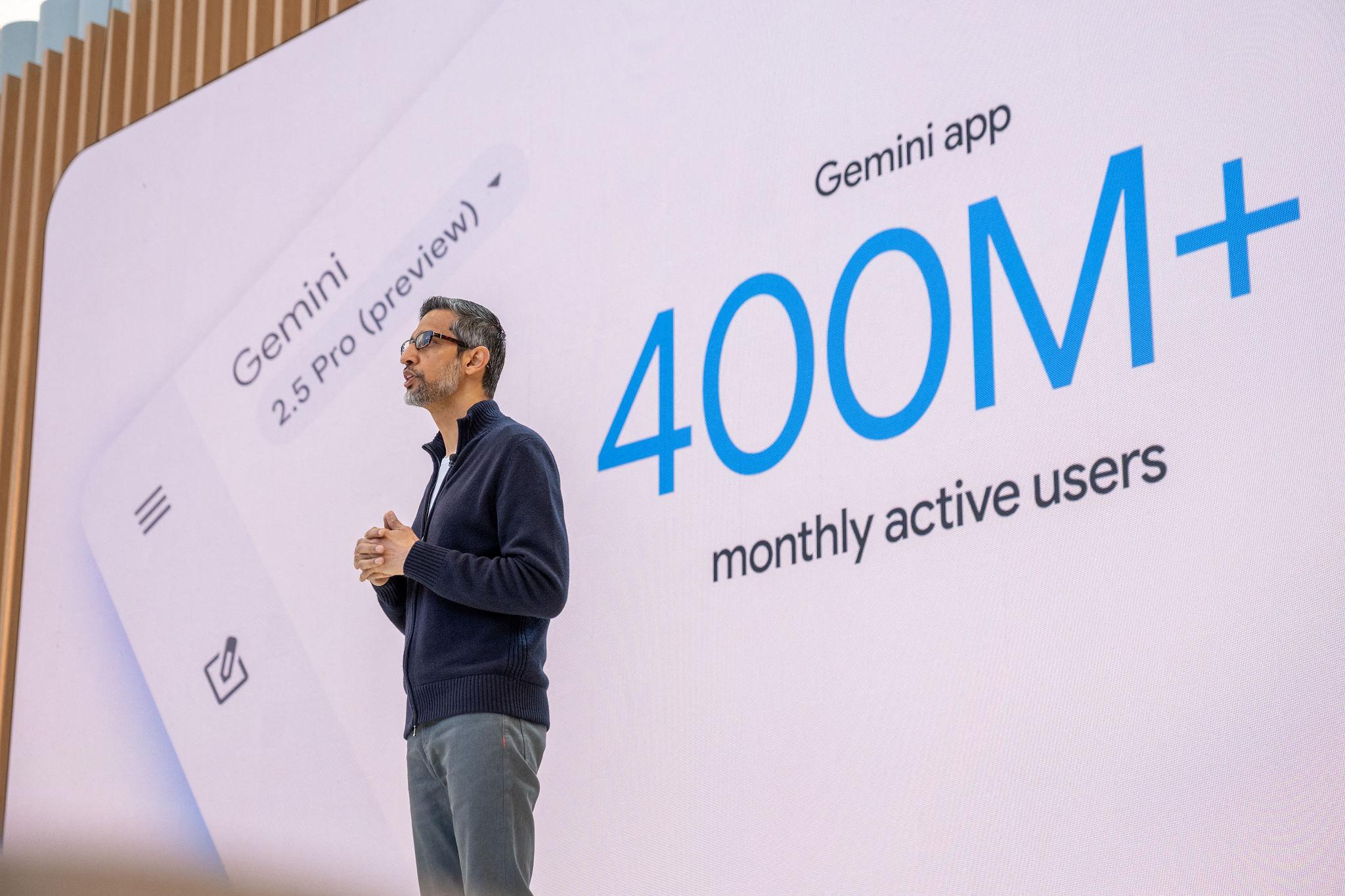
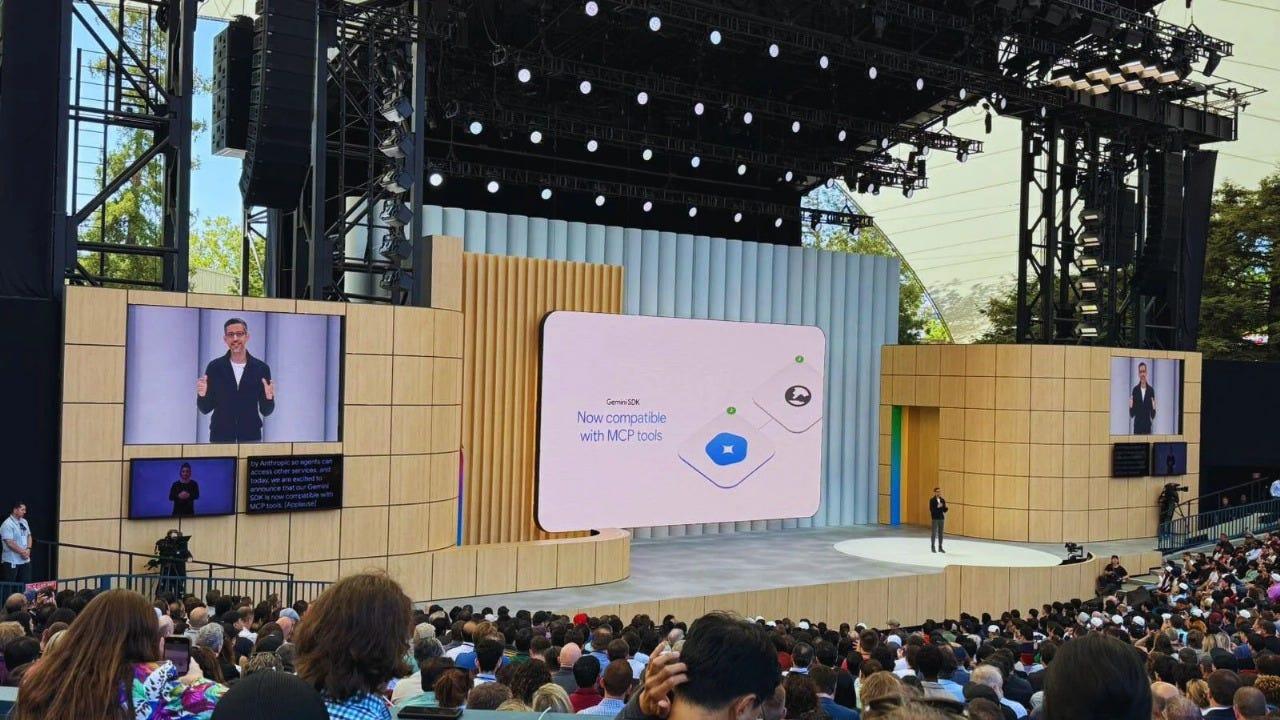
MOUNTAIN VIEW, California — At this year’s Google I/O 2026, Google made one thing unmistakably clear: the company is no longer building AI that simply responds to prompts. It is building AI that acts.
During a keynote packed with announcements, Google introduced a new generation of autonomous AI systems powered by its evolving Gemini architecture, positioning the company for a future where AI agents proactively manage workflows, coordinate across applications, and assist users in real-world tasks with minimal input.
The centerpiece of the event was Gemini Spark, an “always-on” AI agent designed to move beyond traditional chatbot interactions and into fully agentic behavior.
Gemini Spark: Google’s Vision for Autonomous AI
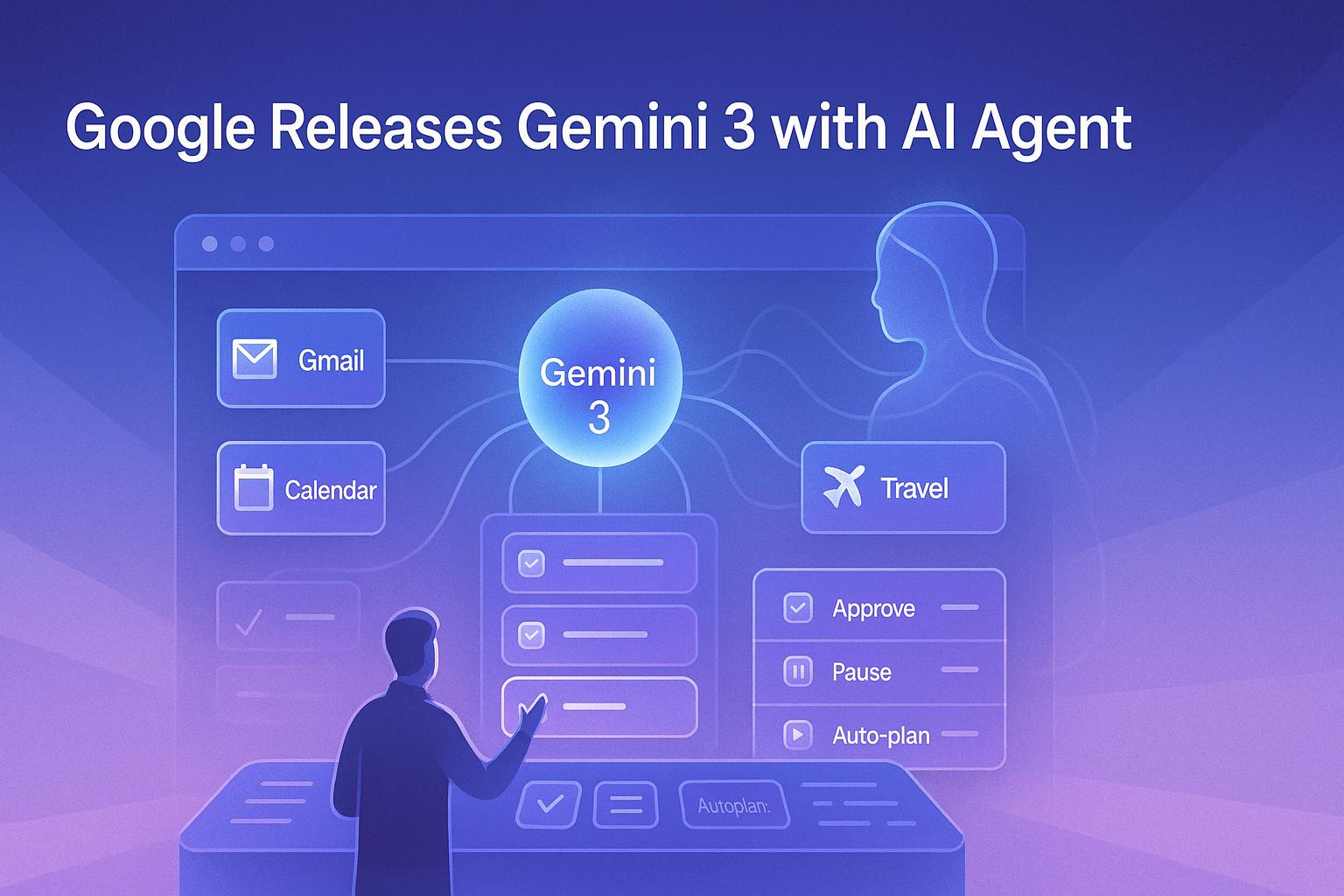
According to Google, Gemini Spark is capable of handling complex, multi-step tasks across multiple apps and services.
Instead of merely answering questions, Spark can:
Organize overloaded inboxes
Draft documents and reports
Coordinate schedules
Manage cross-platform workflows
Summarize ongoing projects
Execute chained tasks with minimal supervision
Google described the system as a shift from “AI assistants” to fully capable “AI agents.”
“We are moving from AI as an assistant to AI as an agent,” Google executives said during the keynote.
The company emphasized that users would remain in control while Spark handles the operational complexity behind the scenes.
Industry analysts view this as one of Google’s clearest attempts yet to compete in the rapidly emerging AI agent race currently involving companies like OpenAI, Microsoft, and Anthropic.
Availability
Gemini Spark is expected to roll out first to Google AI Ultra subscribers later this year.
Daily Brief: AI-Powered Digital Organization
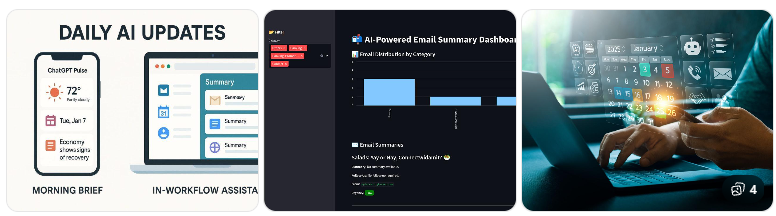
Google also introduced Daily Brief, a new AI-powered dashboard integrated across Gmail, Google Calendar, and Google Drive.
Rather than displaying raw notifications or unread emails, Daily Brief generates a synthesized overview of a user’s day — highlighting urgent tasks, upcoming deadlines, important conversations, and suggested actions.
The feature is designed to reduce digital overload by turning scattered information into a concise operational summary.
Key Details
Feature | Details |
|---|---|
Availability | Gradual rollout beginning in the United States |
Target Users | Paid Google AI subscribers |
Integrations | Gmail, Calendar, Google Drive |
Functionality | AI-generated daily summaries and priorities |
Interface | Accessible through the Gemini side panel |
This move reinforces Google’s broader strategy: embedding AI deeply into its existing ecosystem rather than treating it as a standalone chatbot product.
Gemini Omni Pushes AI Video Creation Further
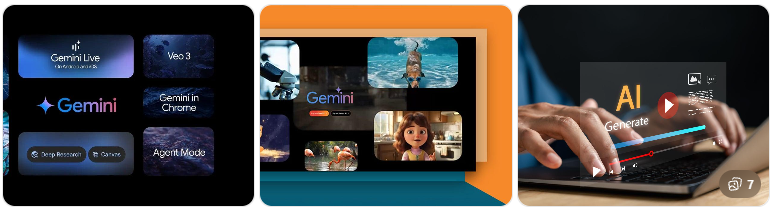
Google also expanded its multimodal ambitions with Gemini Omni, a new suite of AI-powered video generation and editing tools.
The platform enables users to:
Generate video clips using natural language
Edit scenes conversationally
Remix existing footage
Modify visual elements through prompts
Streamline creative workflows without traditional editing expertise
The announcement reflects the growing industry-wide trend toward AI-native media creation, where text, audio, images, and video converge into unified generative systems.
For creators, marketers, and studios, the implications could be massive.
Gemini Live Becomes More Natural
Another major update focused on conversation itself.
With improvements to Gemini Live, users can now seamlessly switch between voice and text during interactions without interrupting the flow of conversation.
Google says the goal is to make AI interactions feel less like issuing commands to software and more like collaborating with another person in real time.
The update further supports Google’s long-term push toward persistent conversational AI experiences across mobile devices, wearables, and smart environments.
The Bigger Picture
Google I/O 2026 signals a major strategic evolution in the AI industry.
The competition is no longer centered solely around model size, benchmark scores, or chatbot quality. The next battleground is agentic AI — systems capable of autonomously coordinating actions across software ecosystems.
Google’s advantage may ultimately come from its enormous infrastructure footprint:
Gmail
Android
Chrome
YouTube
Google Workspace
Search
Cloud services
By integrating Gemini deeply into these platforms, Google is positioning itself to build AI that is not only intelligent, but operationally useful at scale.
If successful, tools like Gemini Spark and Daily Brief could fundamentally change how people manage work, communication, and digital organization in the years ahead.
Why This Matters:
The AI race is rapidly evolving beyond chatbots. Google’s latest announcements suggest the industry is entering the “agent era,” where AI systems are expected to proactively execute tasks rather than simply respond to prompts. If Gemini Spark succeeds, it could redefine how users interact with software entirely.