China’s Robotics Boom: State-Backed Manufacturing Pushes Humanoid Robots Into Mass Production
China is rapidly solidifying its lead in robotics through heavy state support, vertically integrated supply chains, and large-scale manufacturing that gives it a major cost and speed advantage over Western rivals. The country is now expanding from industrial robots into service and humanoid systems for sectors like logistics and healthcare, but these machines still face reliability and dexterity challenges in real-world use.


China's robotics sector is surging ahead as the undisputed global leader, fueled by aggressive state support and an unmatched manufacturing base that dwarfs competitors in scale and speed. With industrial robot installations already topping global charts, Beijing's ecosystem is pivoting rapidly toward service and humanoid systems for logistics, healthcare, and hospitality. This shift promises lower costs and broader adoption, though questions remain about real-world reliability.
Scale Through State-Backed Supply Chains
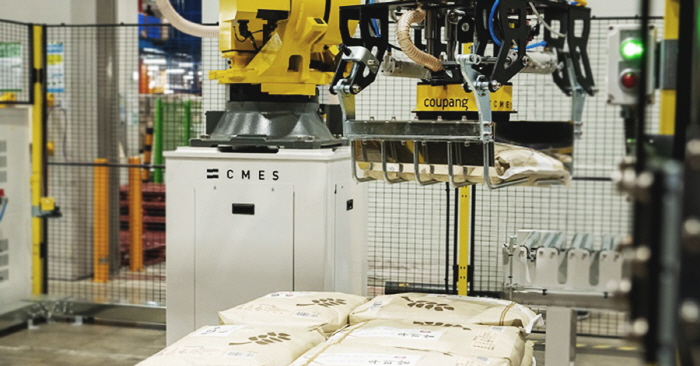
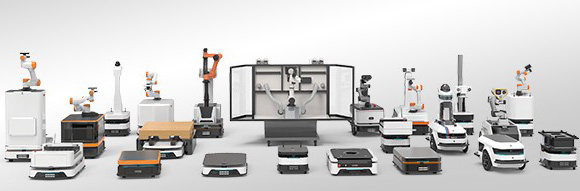
Multiple analyses confirm China as the world's largest deployer of industrial robots, backed by targeted funding that builds complete domestic supply chains from components to finished systems. This vertical integration cuts lead times and enables rapid iteration across factories, warehouses, and emerging service applications. The result is not just volume but accelerated commercialization of robots that handle repetitive tasks in hospitals and autonomous delivery fleets.
How does China maintain its cost edge over Western rivals?
Lower labor and component expenses allow humanoid prototypes to reach market at roughly 40-60% of equivalent European or U.S. pricing, driving faster pilot programs in logistics hubs.
What density targets are Beijing setting?
National plans call for robot density increases alongside over 100 distinct application domains by the late 2020s.
Humanoid Mass-Production Roadmap
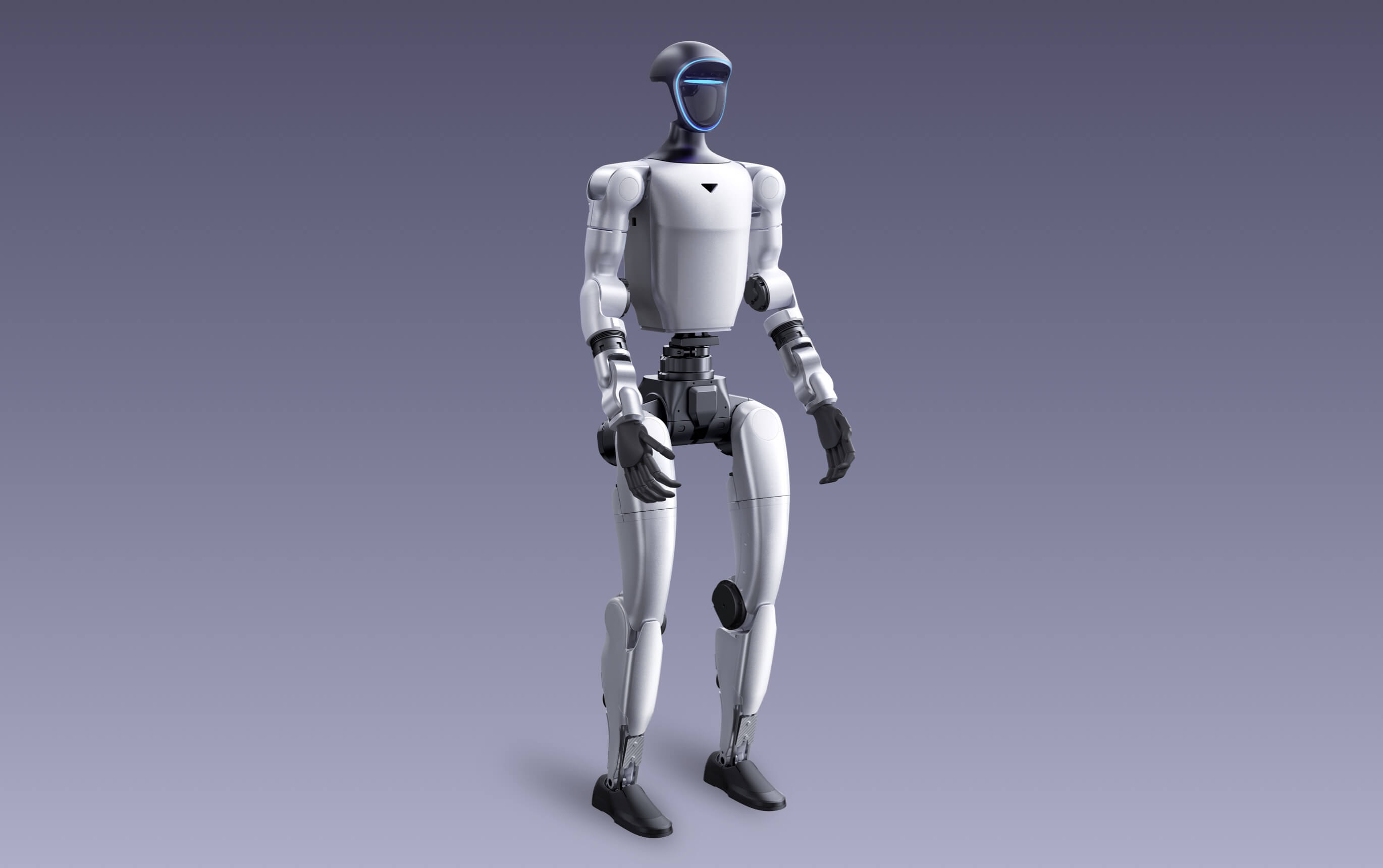
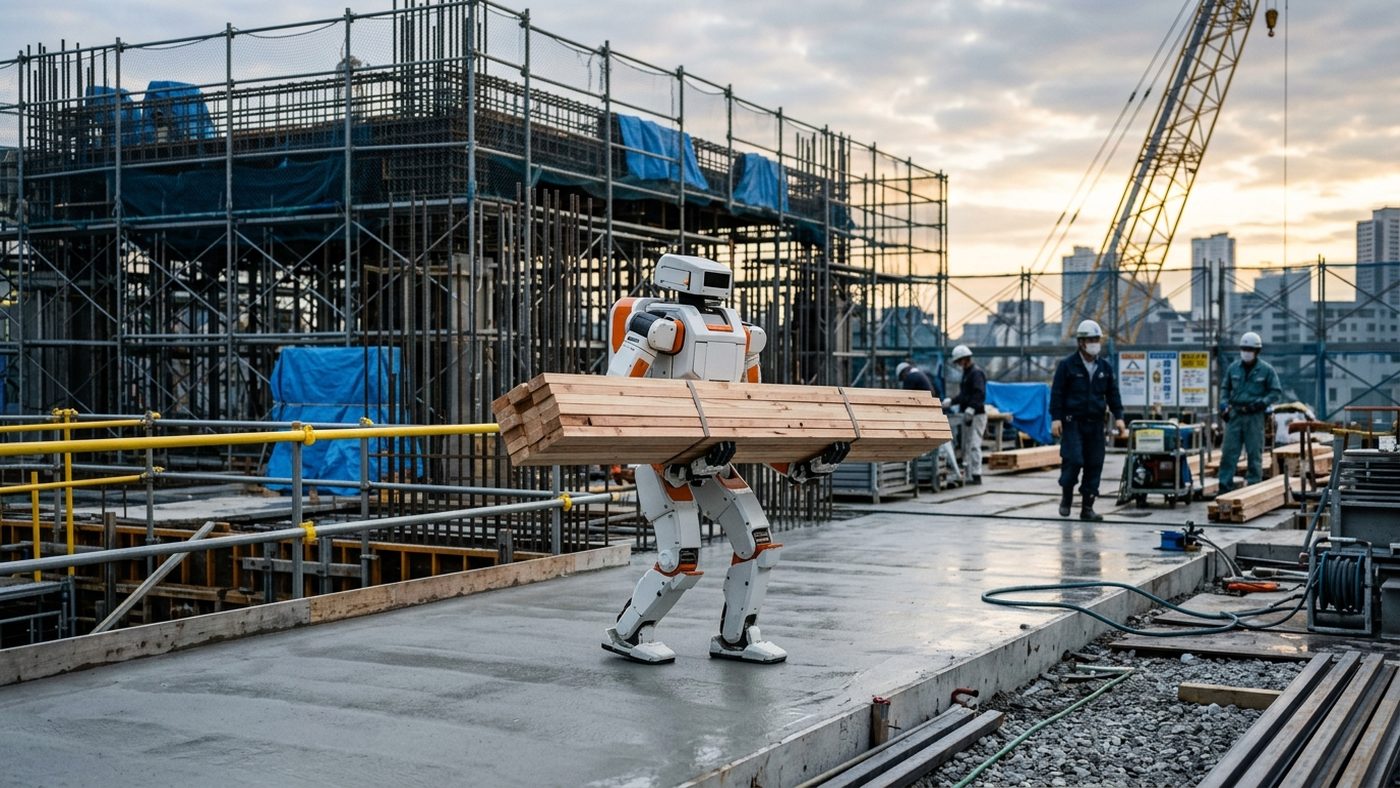
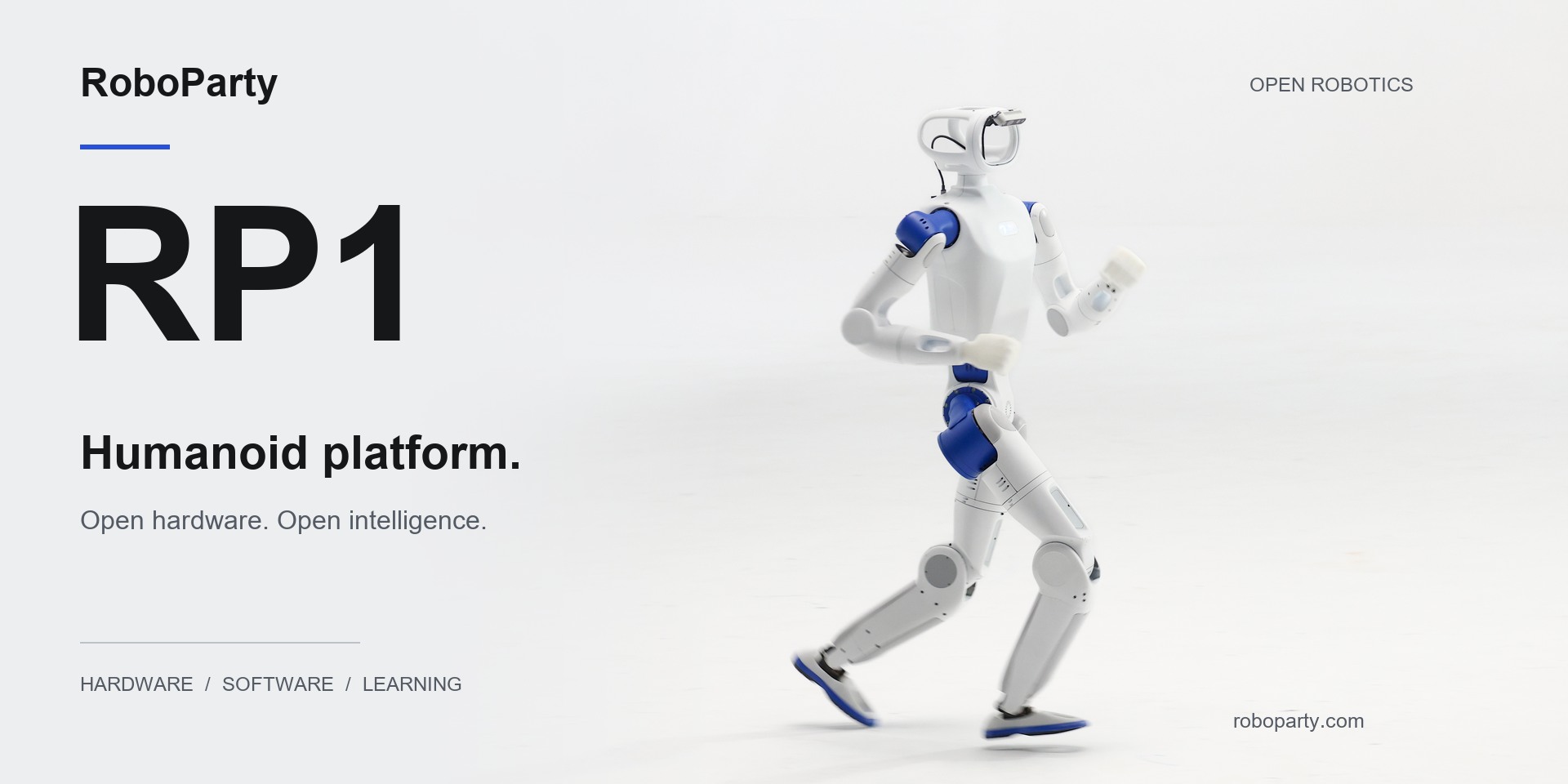
Strategic initiatives now prioritize humanoid platforms, with explicit goals for scaled output by 2027. Early deployments focus on controlled environments where vision and manipulation systems perform pick-and-place or patient-assist functions. While technical hurdles around battery life and dexterous grasping persist, commercial trials in hotels and delivery corridors are already underway, showcasing gait stability and basic obstacle avoidance.
How capable are these systems today?
Current models demonstrate reliable operation in structured settings but still require human oversight for edge-case navigation or delicate object handling.
What separates China's approach from Japan's historical emphasis?
Volume manufacturing and cost discipline take precedence over precision specialization seen in earlier Asian leaders.
Western Eyes on Eastern Momentum
Investor interest from outside China remains high, drawn by supply-chain efficiencies and deployment velocity that Western firms struggle to match. Collaborations often center on component sourcing rather than full technology transfer, reflecting a pragmatic acknowledgment of China's manufacturing lead.
China is moving quickly in commercial humanoid deployment, though unresolved technical limitations persist in everyday use.
The broader picture suggests Asia beyond China—particularly Japan and South Korea—serves mainly as benchmark references for robot density rather than primary innovation drivers in the current cycle. For tech observers, the key takeaway is China's ability to translate policy into tangible hardware at unprecedented scale.
References:
SCSP Substack (2024) and associated video reports.