
Articles récents
Analyses approfondies, décryptages et guides pratiques de l'écosystème robotique.
298 articles trouvés

Robotics Investment Hit US$60.7 Billion in 2026. Nobody Can Point to Where That Figure Came From.
A US$60.7 billion robotics investment figure for 2026 has been circulating in trade coverage, credited to F-Prime Capital's State of Robotics report. The only document F-Prime has actually published says something different, and two other major trackers, ABI Research and Crunchbase, each report their own, entirely different totals.
 martti 4 min de lecture

GlobalFoundries Didn't Let a Robot Near a Wafer. It Let One Into the Basement.
A new Boston Dynamics deal expands Spot's chip-fab inspections and sets up 2027 Atlas testing at GlobalFoundries, but neither robot has been let anywhere near the cleanroom floor where wafers actually move.
martti 4 min de lecture
China Is Punishing Japan Over Taiwan. Its Robot Companies Got a Pass.
Beijing has hit Japan's tourism, seafood, and rare-earth trade over Taiwan, but Chinese service-robot makers OrionStar, Pudu, Keenon, and Unitree keep expanding in Japan unimpeded, a carve-out that tracks whose revenue is at stake, not diplomatic symbolism.
martti 4 min de lecture
The AMR Industry's Most Important Number Isn't the Acquisition Price. It's What Comes After.
Rockwell's undisclosed-price purchase of AGILOX extends an eight-year pattern of AMR makers selling to industrial incumbents with no public reckoning of outcomes, except once, when Ocado paid 97% less for 6 River Systems than Shopify had four years earlier.
martti 4 min de lecture
Remedy Robotics Tests Telesurgery for Stroke Patients
Remedy Robotics raised US$62 million for its N1 telesurgery catheter system, aiming to bring stroke thrombectomy to hospitals with no specialist on-site through low-latency robotic control.
martti 4 min de lecture
Avride Says It Passed One Million Deliveries. Nobody Can Point to Where It Said So.
Avride's trade-press milestone of one million U.S. robot deliveries has no traceable primary source, the opposite of Serve Robotics' SEC-filed count and Starship Technologies' dated newsroom figures, exposing an industry that has never agreed on what a completed delivery even is.
martti 4 min de lecture
Zipline's $21.5 Billion Valuation Has Little to Do With the Lives It Saves
Zipline just tripled its valuation to $21.5 billion in ten months, with Alphabet's Wing chasing the same Walmart account behind it. The real driver wasn't the decade both companies spent proving drone delivery in hard markets. It was restaurant-delivery speed and a retail contract.
martti 4 min de lecture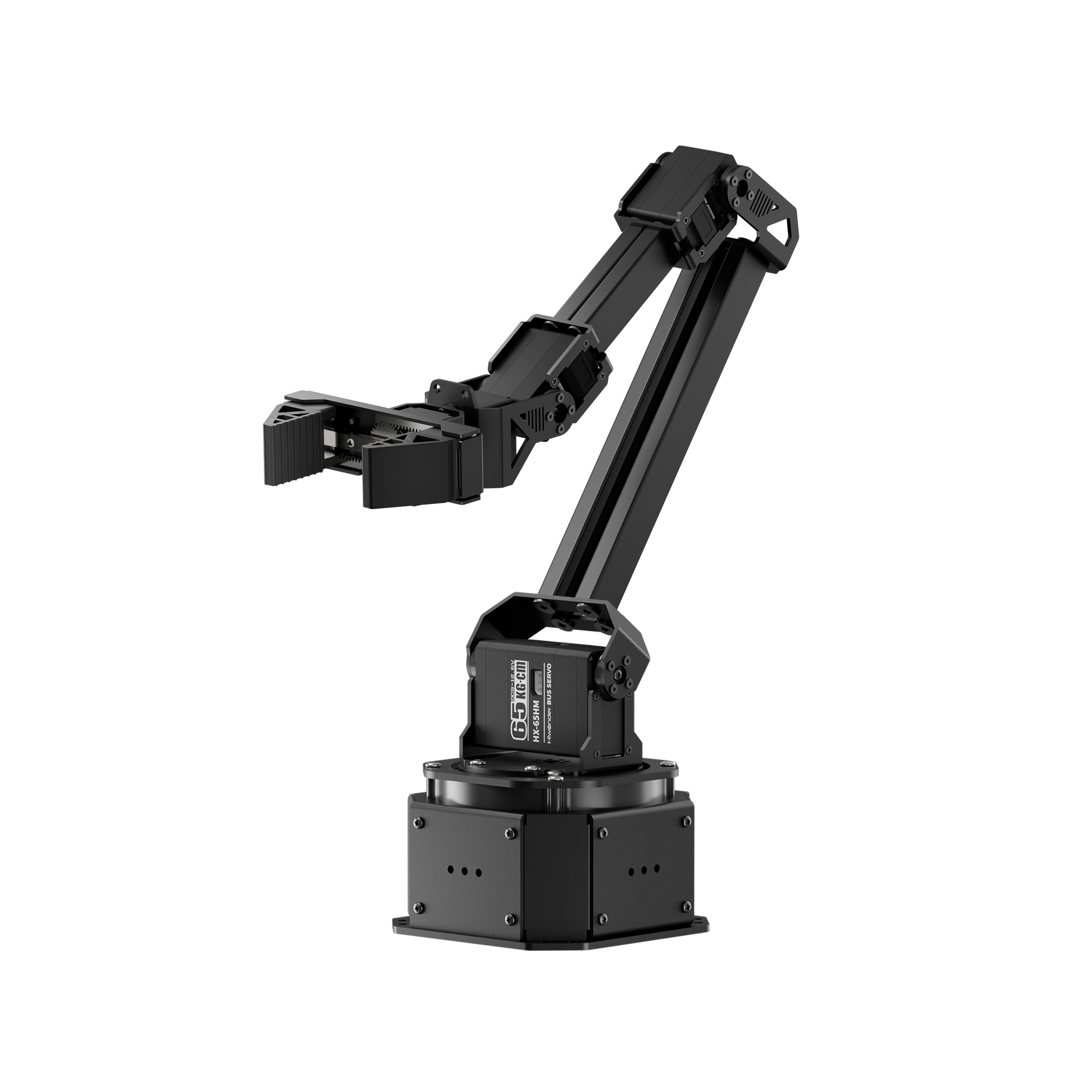
OpenAI's GPT-6 Astra Leads New Robot-Control Benchmark, at a Price
A new third-party benchmark shows OpenAI's GPT-6 Astra and rival frontier models can now pilot a robot arm with zero task-specific training, but at roughly 100 times the cost and speed of a human, leaving purpose-built robot foundation models from Physical Intelligence, Figure, Google DeepMind, and NVIDIA as the only commercially rational buy for production deployments today.
martti 4 min de lecture
Figure, NVIDIA, and a Beijing Arm Maker Just Built the Same Robot Brain
Rokae's new certification against a Chinese AI chip splits its software into a "big brain" and "small brain" — the same architecture Figure AI and NVIDIA independently published. The industry markets the slow half; the fast half decides whether robots actually work.
martti 4 min de lecture
Komatsu Already Has 1,000 Autonomous Trucks. GXO's 1,000 Robots Are Still a Promise.
Two robotics announcements this week shared the number 1,000. Only one of them describes machines that are actually running.
martti 4 min de lecture
China's Self-Driving Capital Is Piling Into Delivery Vans, Not Robotaxis
China's autonomous-driving sector saw a 30% month-over-month funding drop in October 2026 to RMB 15.3 billion, but the decline masks a rotation: capital is concentrating in unmanned delivery vans and closed-site mining trucks, led by Neolix's nearly US$400 million round, while passenger robotaxis went the month without a single disclosed private financing.
martti 4 min de lecture
Apple's Robot Brain Research Threatens the Humanoid Hardware Moat
Apple trained a humanoid control system almost entirely in simulation and ran it on an off-the-shelf Unitree G1, a sign that robot software and robot hardware are becoming separate markets buyers should negotiate accordingly.
martti 4 min de lecture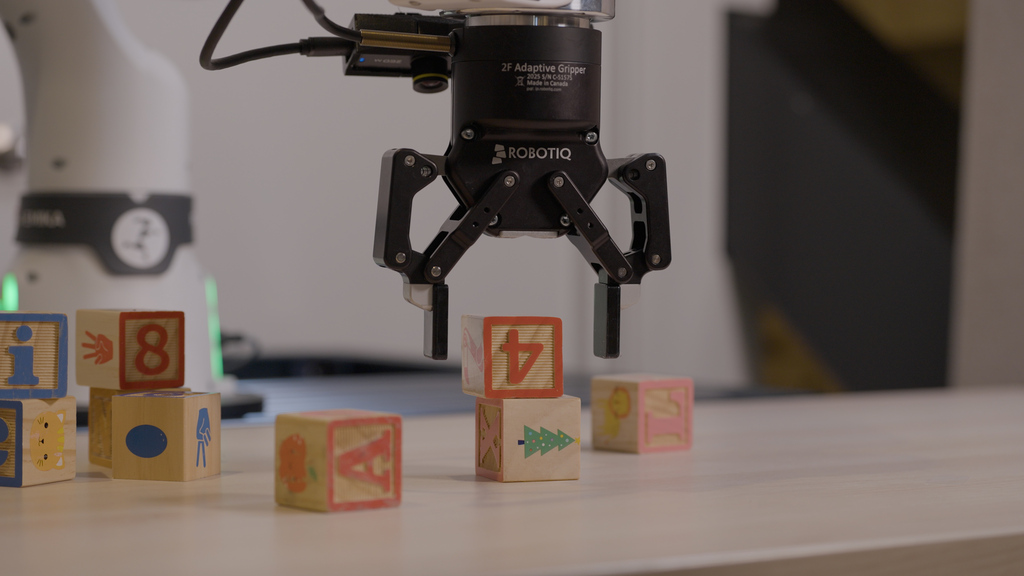
Ai2's ToyBlocks Benchmark Exposes How Little Robot Policies Actually Generalize
Ai2's own numbers show its generalist, reasoning robot policy solving half of real-world block tasks versus 81% for a narrow specialist model, a benchmark procurement teams should weigh against vendor claims of general-purpose robot intelligence.
martti 4 min de lecture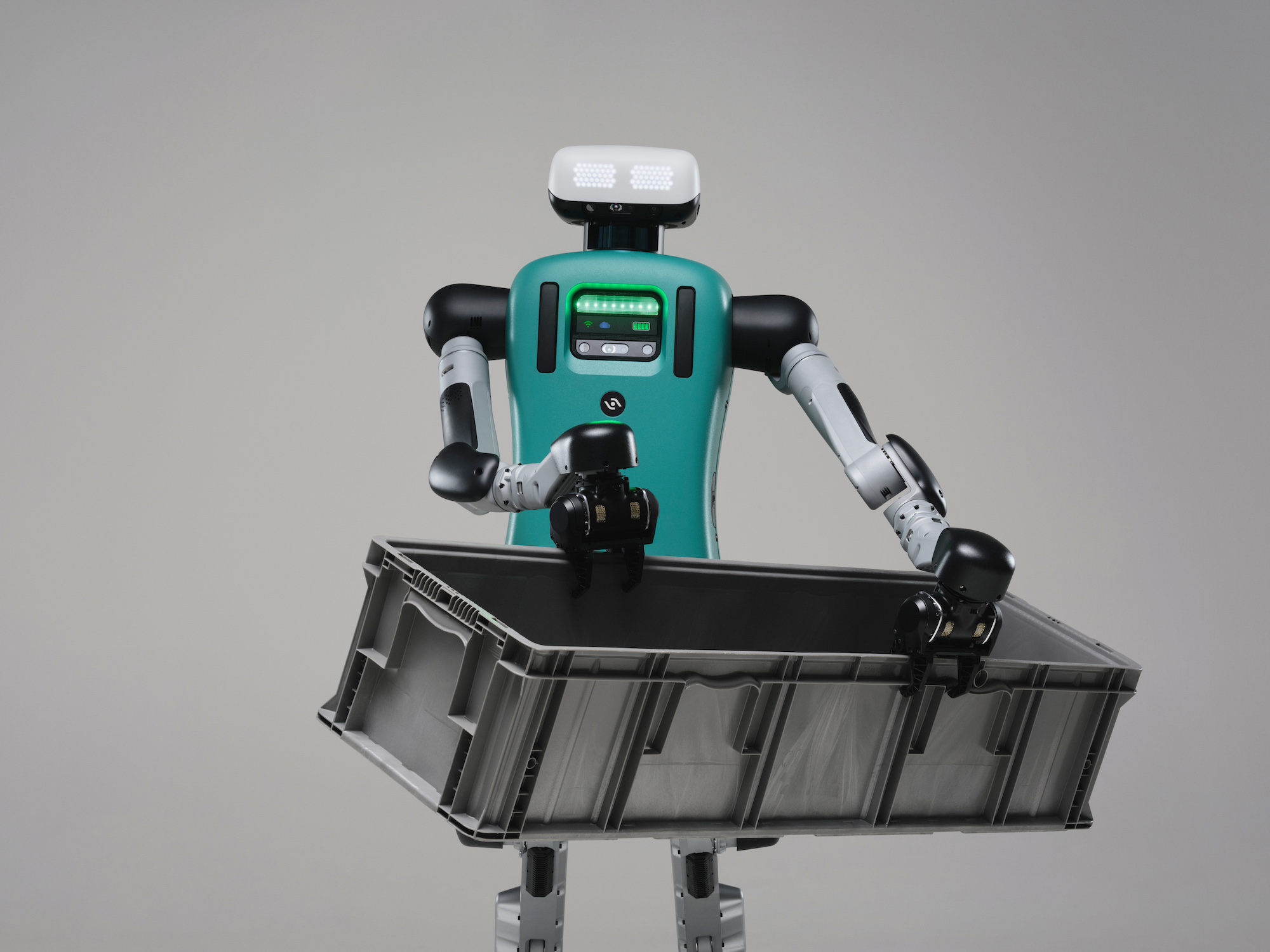
Agility Robotics Goes Public With US$174,000 Revenue, US$362 Million Loss
Agility Robotics began trading on Nasdaq as AGLT on November 5, disclosing US$174,000 in first-half 2026 revenue against a US$362 million loss, the first audited unit economics the humanoid-robotics sector has had to show.
martti 4 min de lecture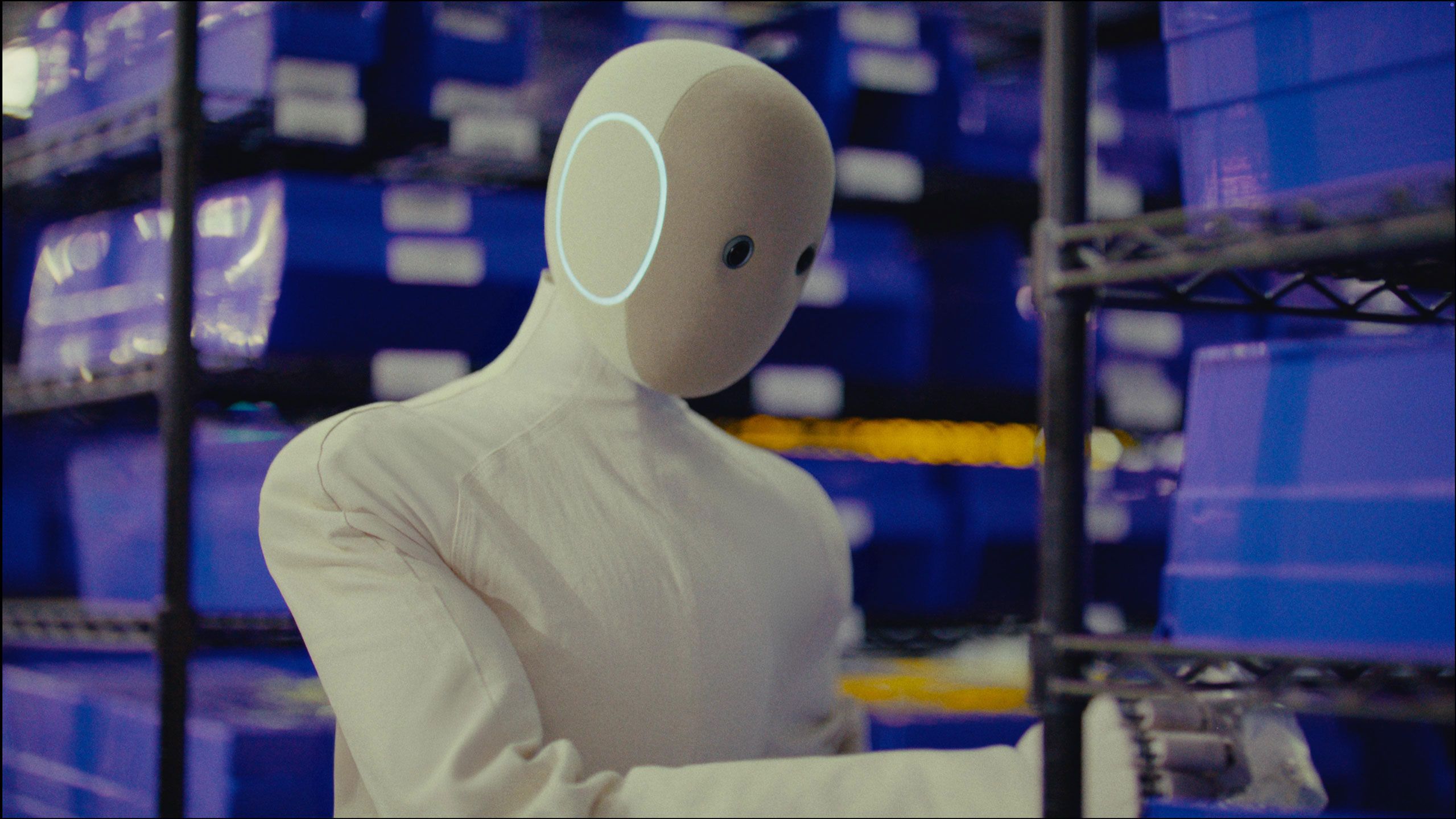
The UK Just Insured a Robot Population That Does Not Exist Yet
Tokio Marine HCC International and Adrian Flux just launched the UK's first home insurance policy for humanoid robots, months before any confirmed home delivery of a humanoid robot anywhere. Measured against China, where insurers underwrote already-deployed commercial robots a year earlier, the UK policy looks less like a response to demand and more like a bet on where the forecast is headed.
martti 4 min de lecture
JD.com's Robot Timeline: Warehouses First, Home Much Later
At the Wuzhen Summit, JD.com laid out a three-to-five-year timeline for warehouse robot deployment and a five-to-ten-year-or-longer horizon for the home, revealing a strategy built around data JD already owns.
martti 4 min de lecture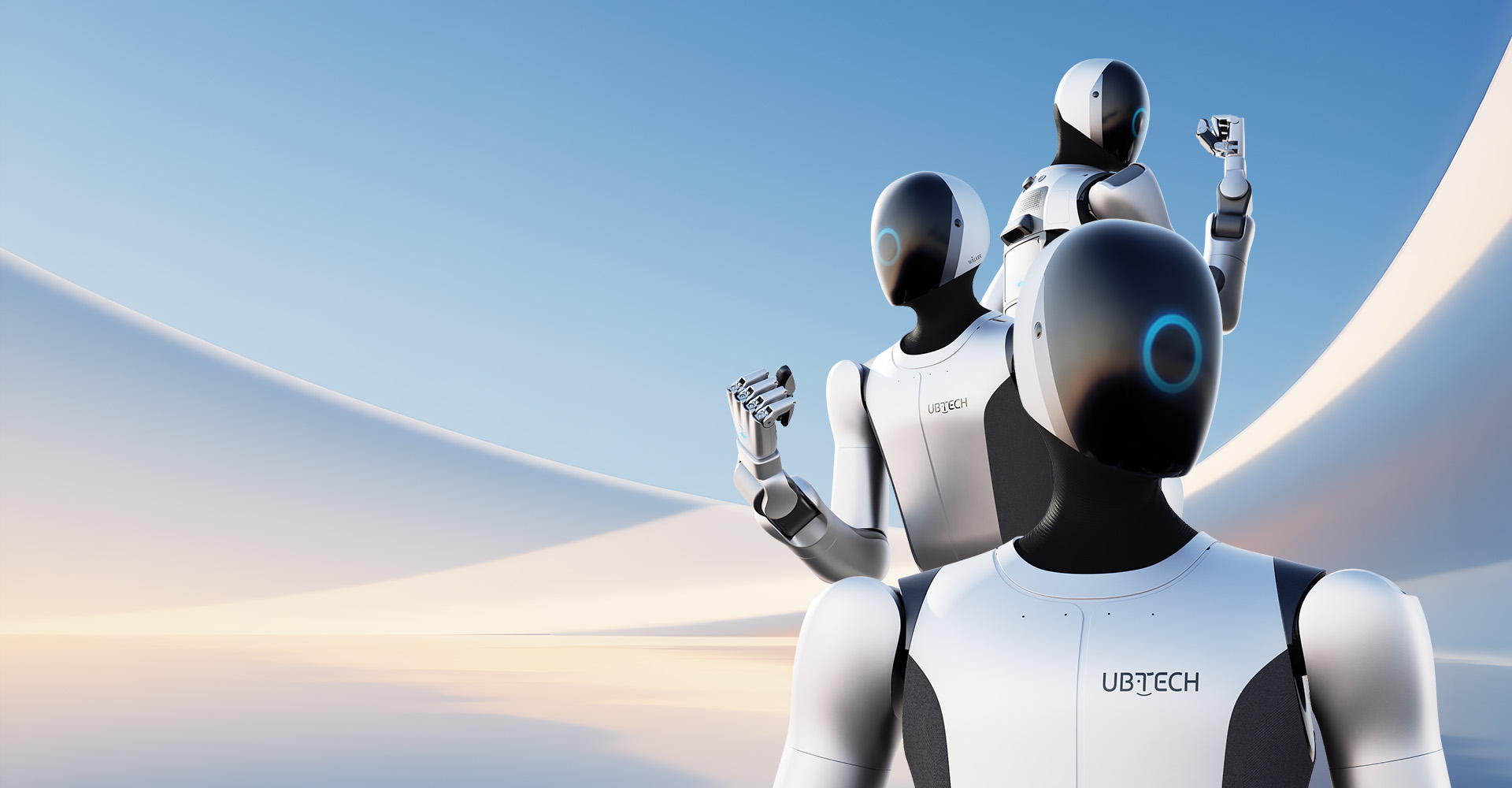
UBTECH's Humanoid Robots Grew Revenue 1,445%. Its Gearbox Supplier Made the Profit.
China's Q3 2026 robotics earnings reveal a split: component suppliers like Leaderdrive and Hengong Precision post triple-digit profit growth off humanoid robot demand, while assembler UBTECH still posts a loss despite 1,445% segment revenue growth.
martti 4 min de lecture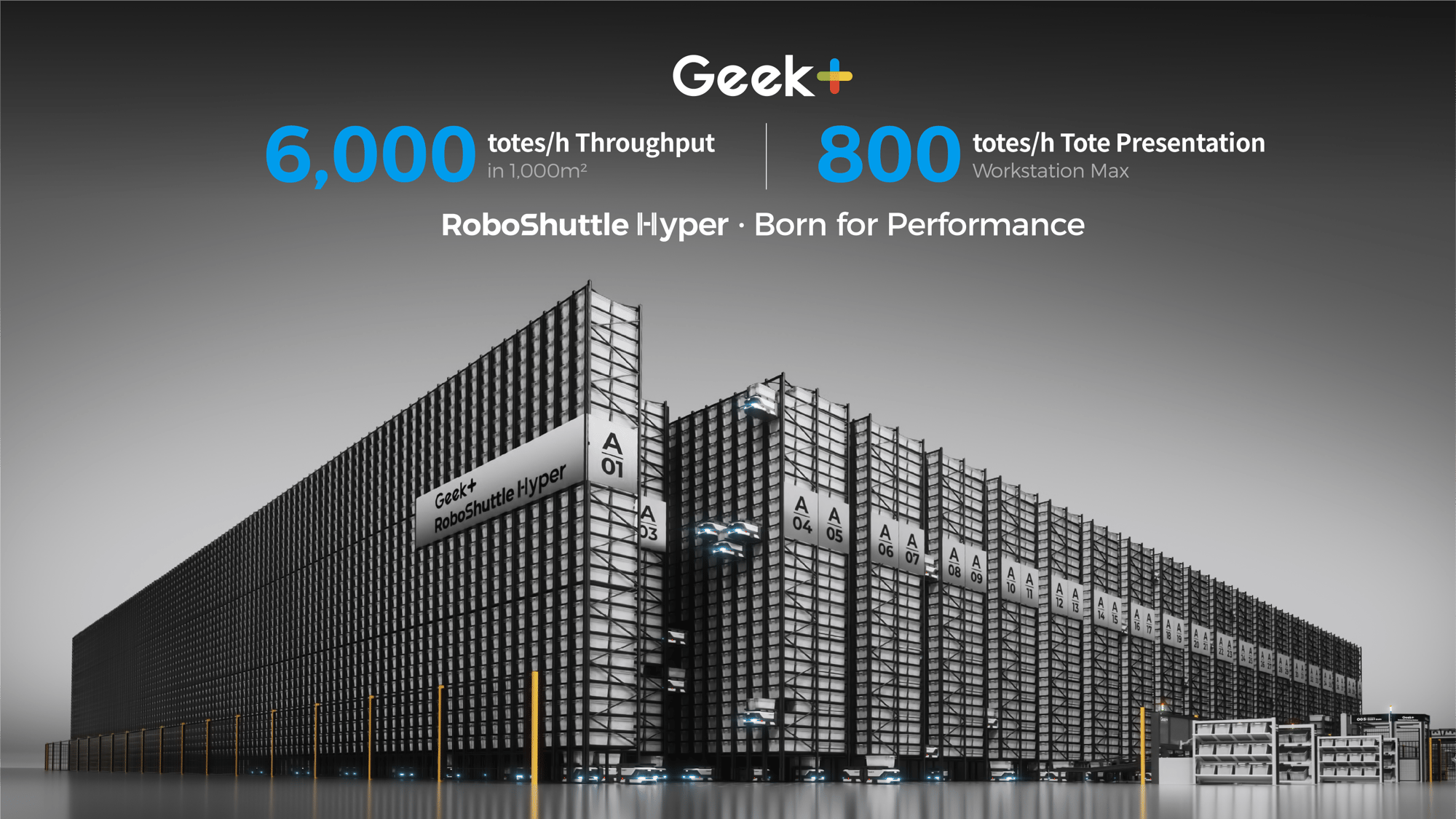
Geek+'s 24/7 Warehouse Plan Bets on Software, Not Robots
Geek+ introduced a 24/7 Autonomous Intelligent Warehouse framework built around its Gravity 4D world model and Warehouse Brain software, signaling a shift from selling robots to selling the orchestration layer an entire warehouse depends on.
martti 4 min de lecture
A Fourth Robot Standard Won't End Vendor Lock-In. It Will Move It.
ISO 21423 arrives as the latest global standard for interoperable warehouse robots, but VDA 5050 already does that job. The real lock-in is quietly moving to the orchestration software deciding what each robot does next.
martti 4 min de lecture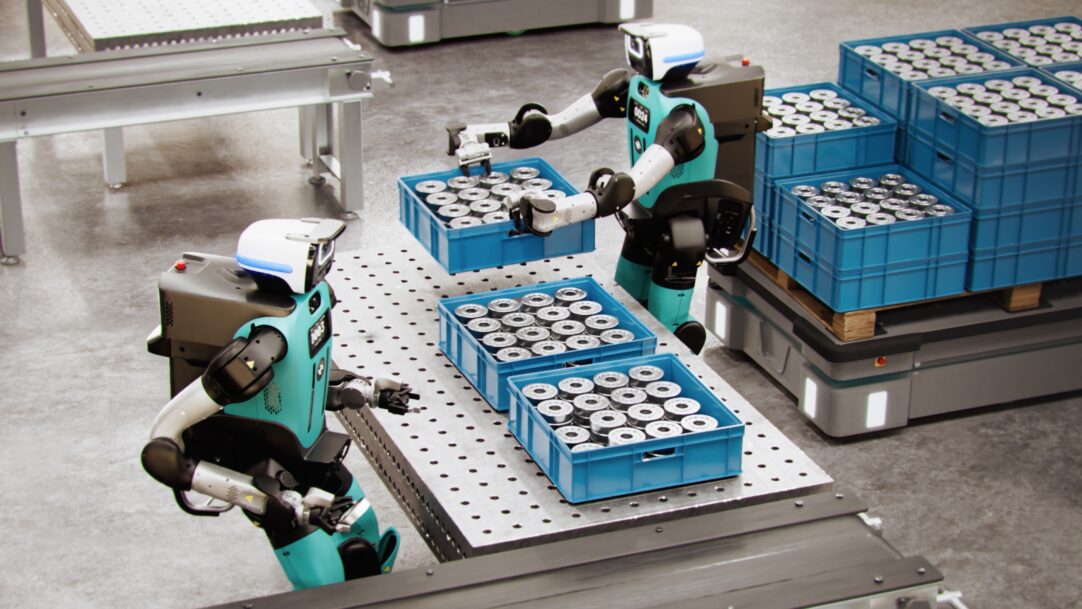
Humanoid Robot Batteries Are Becoming a US$850 Million Bet by 2037
IDTechEx forecasts the humanoid robot battery market growing to US$850 million by 2037, arguing swap-pack demand, not robot unit counts, will drive most of that growth as Agility, XPENG, and Figure pursue three different battery strategies.
martti 4 min de lecture
China's Humanoid Robot Brain Is Becoming a Commodity
As Chinese humanoid robot brain models like Galaxy General's AstraBrain-WBC converge in performance, the durable competitive edge is shifting from the general model to proprietary data, supply chains, and real deployments.
martti 4 min de lecture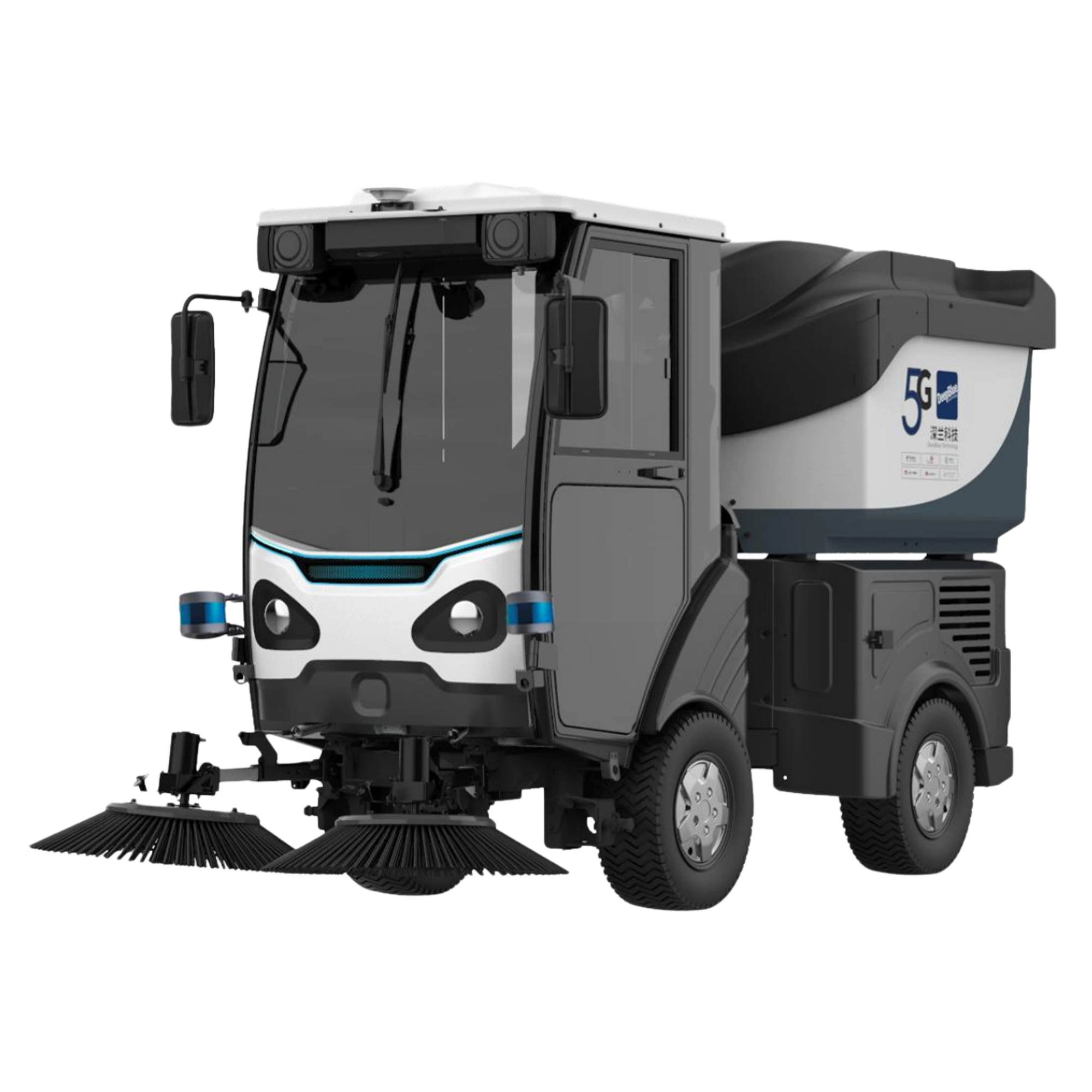
China's DeepBlue Grew to Ten Robot Lines. None of Them Made Payroll.
Two DeepBlue Technology robotics subsidiaries are in Chinese court liquidation over unpaid wages while the parent denies the group itself is bankrupt. The gap between those two claims, and DeepBlue's ten-line product catalogue, is a warning sign for how China's robotics boom gets read.
martti 4 min de lectureAgility Is Going Public Selling Robots. Everyone Else Is Buying the Factory Instead.
Agility's Nasdaq listing, Foundry's self-owned factory, HII's contingent robotics deal, and Unitree's thinner Q3 margins all point the same direction: the money in robotics is moving toward whoever owns the assembly process, not whoever sells the robot.
martti 4 min de lecture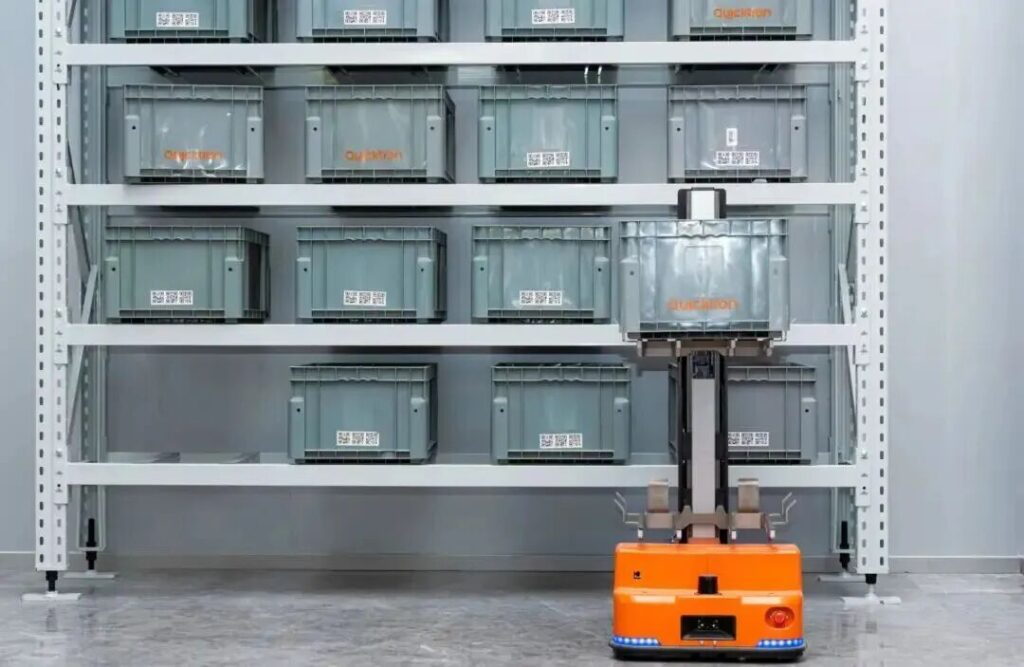
China's Mobile Robot Makers Are Building More Capacity Than Orders Justify
Nearly 30 Chinese mobile robot manufacturers have disclosed combined annual capacity plans that outpace the industry's own order-volume data, setting up a shakeout among smaller, weaker-capitalized rivals.
martti 4 min de lecture
Physical Intelligence's US$20 Billion Price Tag Has No Outside Bidder
Physical Intelligence is reportedly in talks to raise over US$1 billion at a US$20 billion valuation, nearly double its price from earlier this year, with existing investors Avenir and Lux Capital leading the round rather than a new outside backer. The company still has no revenue, and its October API beta names no paying customer.
martti 4 min de lecture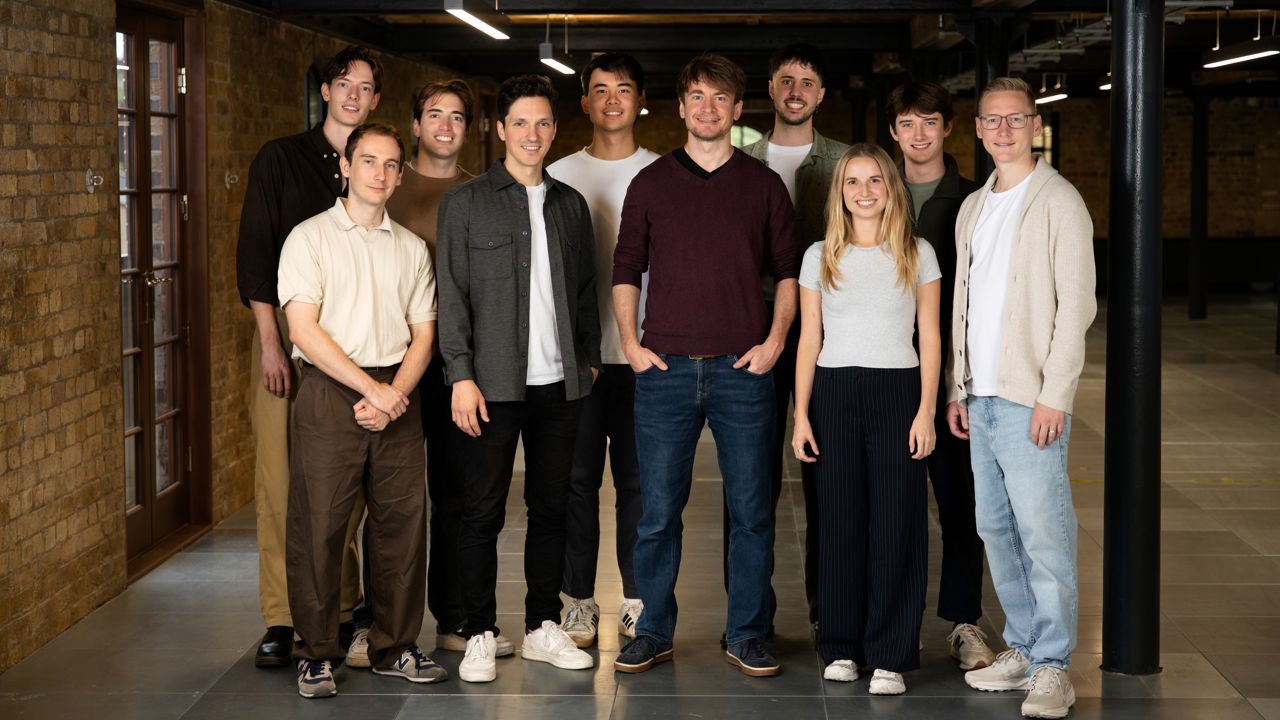
Machenta Raised US$40 Million to Bet That Robots Don't Need Your Data
A London startup backed by Imperial College London's robot-learning lab raised a record UK seed round for a model trained entirely in simulation, no real-world data required. The stealth launch is light on the benchmarks that would prove it works.
martti 4 min de lecture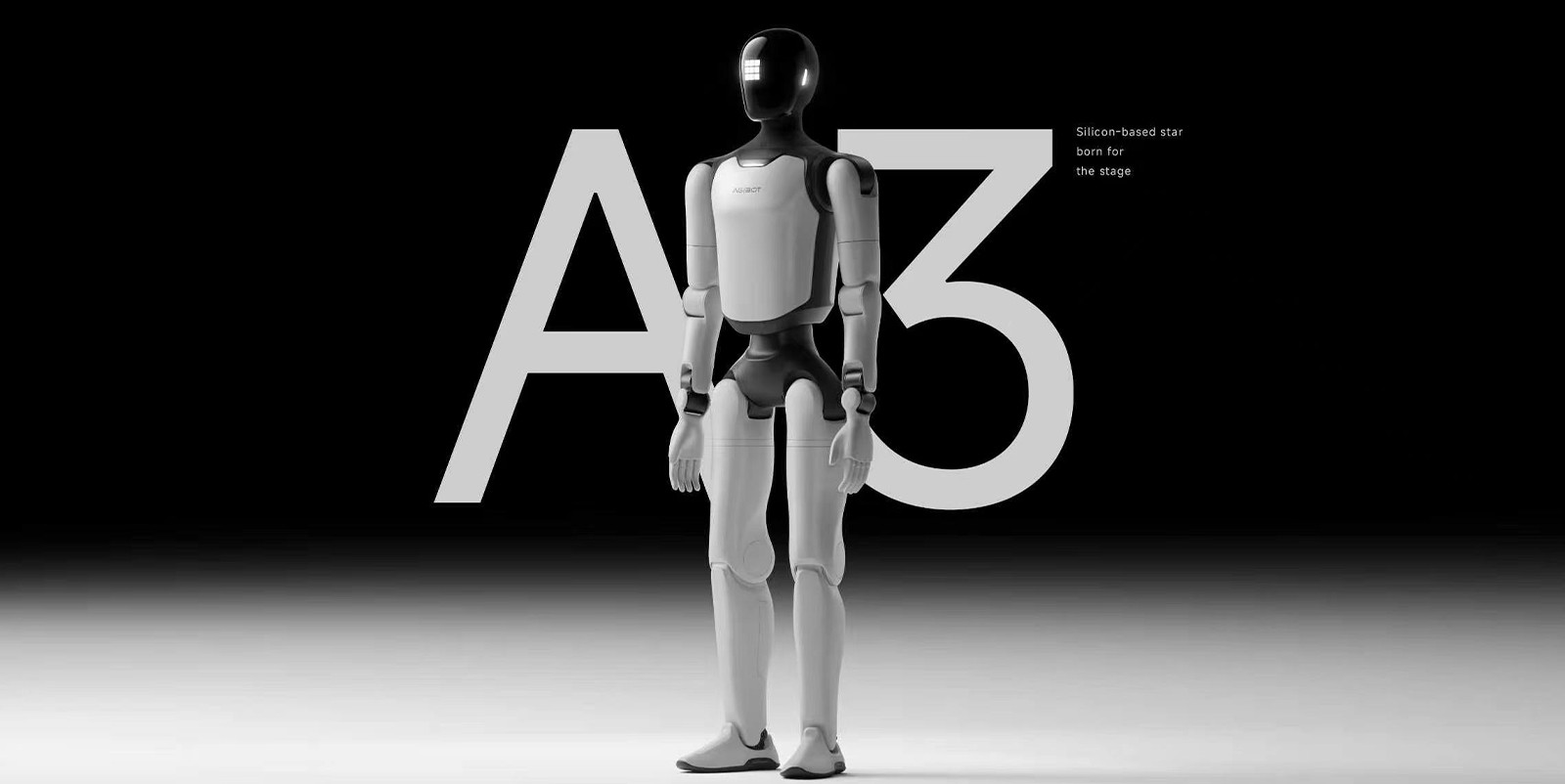
AGIBOT's Robots Got a Guinness Record. The Real One Is Still 1,372.
AGIBOT choreographed 110 production-line humanoids into a Guinness-certified dance in Jinan, but the certificate is for a brand-new record category, not a win over the existing 1,372-robot "most robots dancing" benchmark set in 2018. The gap between the two numbers is a window into how humanoid makers are using invented record categories, and "not AI-generated" video labels, to borrow credibility their own operational data has not yet earned.
martti 4 min de lecture
BMW's Million-Vehicle Bet: The Smarts Belong in the Building, Not the Car
Embotech and BMW have automated 1 million in-plant vehicle movements across four factories using infrastructure-mounted lidar rather than onboard self-driving hardware, a certified Level 4 approach now headed to BMW's Spartanburg plant.
martti 4 min de lecture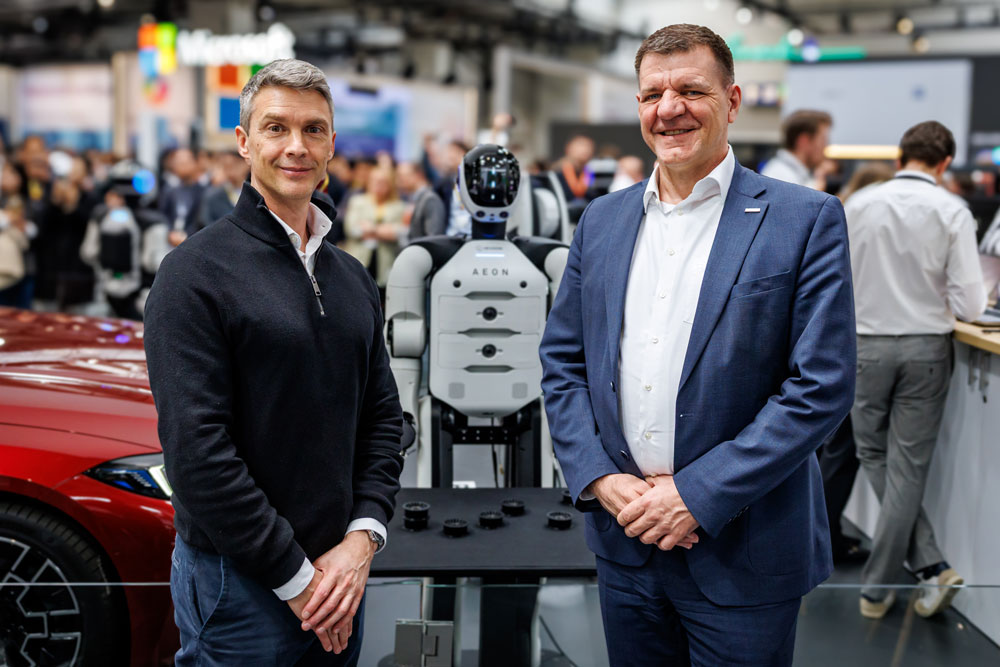
Schaeffler Turns Its Bearings Business Into a Humanoid Supply Chain
Schaeffler says humanoid robot component orders have reached US$449 million as its COO lays out a four-part strategy spanning components, factory productivity, customer integration and aftermarket service, backed by a dedicated China factory and a 1,000-unit Hexagon Robotics deployment commitment.
martti 4 min de lecture
Singapore Priced the One Robot Task Nobody Has Solved at US$88,000
A new Singapore robotics contest, backed by Micron and Infineon, just put a price on the one task no humanoid robot has publicly proven it can do: precision maintenance inside a semiconductor process chamber. Why a government-run contest instead of a purchase order is itself the real signal.
martti 4 min de lecture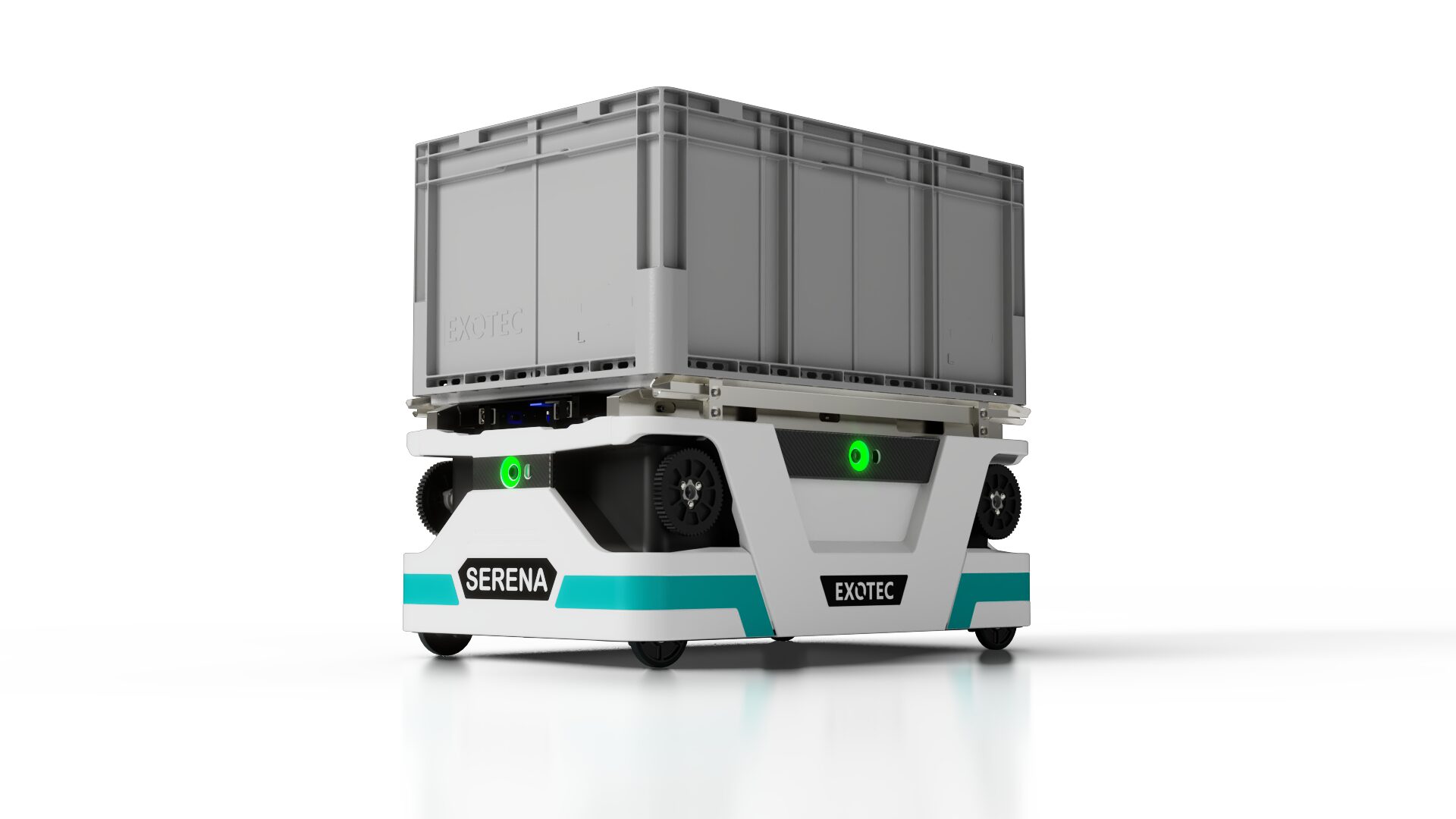
One in Four Warehouse Automation Buyers Say They Picked the Wrong Vendor
A new Exotec survey of 250 North American supply chain leaders finds nine in ten call warehouse automation essential, yet one in four regret their vendor choice, with price-driven buyers nearly five times more likely to report regret.
martti 4 min de lecture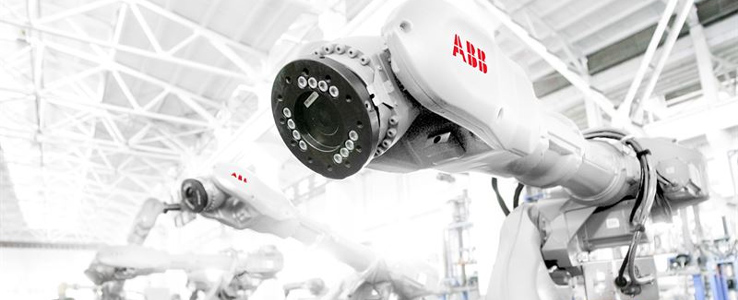
ABB Posted a Record Quarter. Its Robots Had Nothing to Do With It.
ABB's record Q3 2026 earnings already exclude the robotics division it is selling to SoftBank for roughly US$5.4 billion in a deal still awaiting regulatory approval, revealing that electrification and data centers, not robots, actually drove the quarter.
martti 4 min de lecture
Figure Locks In Its Fourth Humanoid Design as Its Data Bill Explodes
Figure AI told employees its Figure 04 humanoid has reached design lock while CEO Brett Adcock disclosed a weekly data bill north of US$8 million and a plan to double compute capacity, teasing a Helix 3.0 model with no benchmark yet attached.
martti 4 min de lecture
Washington's Robot Ban Just Met the Company It Was Built to Protect
Intel's October 16 petition asking the FCC to keep foreign-made automated guided vehicles running in its US chip fabs shows Washington's year-old robot import ban still has no working lane for industrial equipment, only for lawn mowers, a vacuum cleaner, and one warehouse-robot line.
martti 4 min de lecture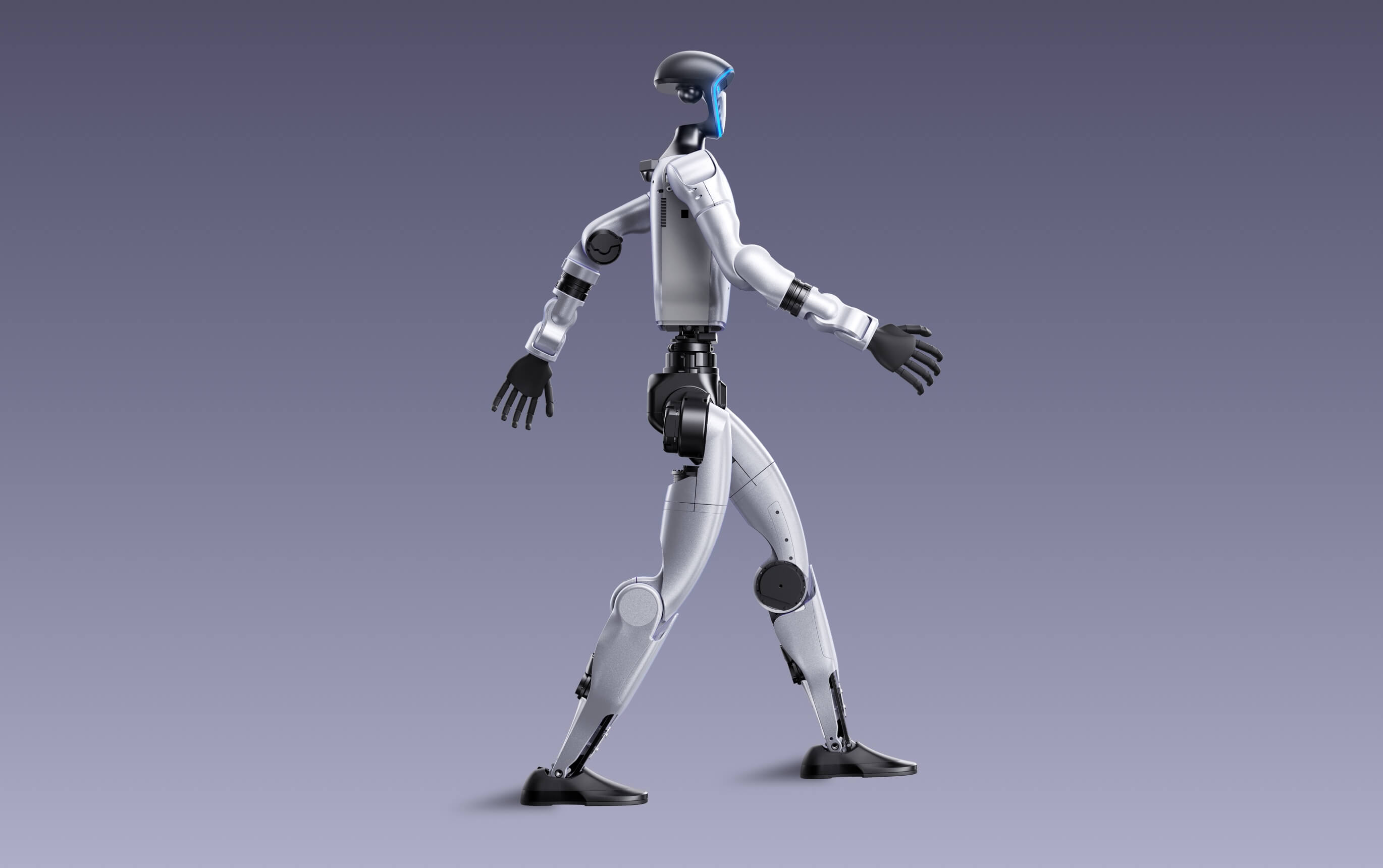
Inside the US Startups Building Products on Unitree's G1
Three American robotics startups, Lightberry (Lumi), Tuesday Labs (Voxel) and Dynamic Creatures (Hugo), have each built humanoid products on top of Unitree's G1 chassis rather than engineering their own hardware, with varying degrees of public disclosure about the underlying platform. The pattern lets startups skip years of mechanical engineering but concentrates supply chain risk in a single Chinese supplier, a tradeoff this article examines through each company's own statements and a regulatory window that may be narrowing for modified foreign-made chassis.
martti 4 min de lecture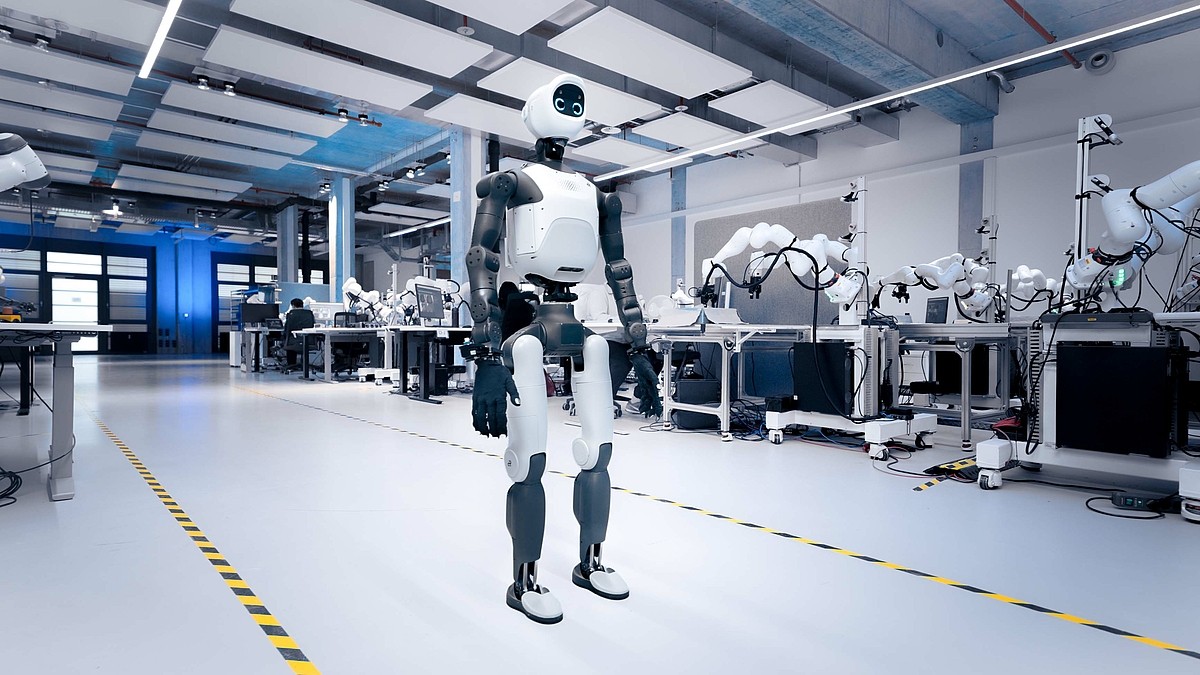
Europe Calls It Robot Sovereignty. The Chips Say Otherwise.
A single day of NVIDIA GTC Berlin announcements shows European robotics firms building almost entirely on American chip platforms. Only the one deepest in American investment capital, Generative Bionics with AMD, called it sovereignty; the other seven building on NVIDIA's stack did not need to.
martti 4 min de lecture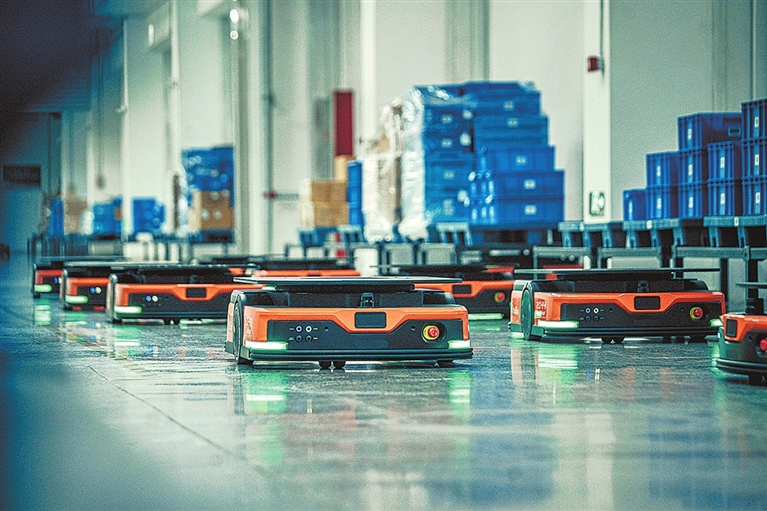
China's AGV/AMR Orders Rise as Average Deal Size Shrinks
CMRA, the China Mobile Robot Alliance, reported 419 disclosed AGV/AMR procurement contracts in China worth a combined RMB 2.64 billion (approximately US$370 million) across Q1-Q3 2026. Project counts rose every quarter to a Q3 record of 164, while quarterly contract value fell 13.8% from Q2 to Q3 because Q1 and Q2 each contained a single mega-deal (including a RMB 403 million/US$56 million Lexus factory contract) that Q3 lacked. The analysis argues procurement teams should benchmark China-facing AGV/AMR vendors on their ability to deliver high volumes of smaller deployments profitably, not on flagship mega-deal wins.
martti 4 min de lecture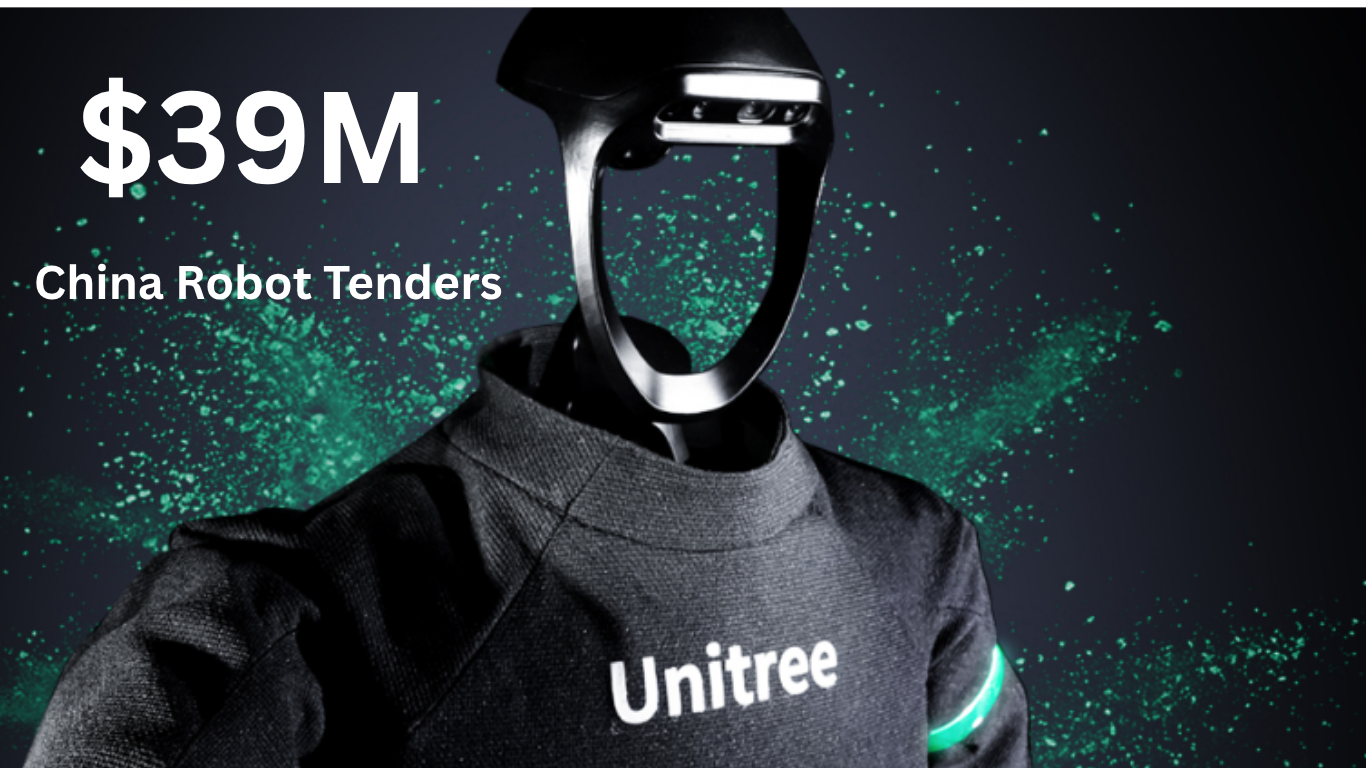
China's Humanoid Tenders Tripled in September. The Market Still Isn't Real Yet.
China's government procurement of humanoid robots jumped 168% to US$39M in September, but shrinking average deal sizes reveal a market still dominated by training labs and demonstrations, not factories.
martti 4 min de lecture
The Robot Skills Gap Isn't About Headcount. It's About Portability.
The robot skills gap gets described as a headcount shortage, but the real bottleneck is portability: FANUC, Universal Robots, ABB, and Yaskawa each run their own closed certification pipeline, and a technician trained on one vendor's equipment has almost nothing that transfers to a competitor's floor. The industry's own trade association quietly admitted the problem this year by launching its first vendor-neutral training course.
martti 4 min de lecture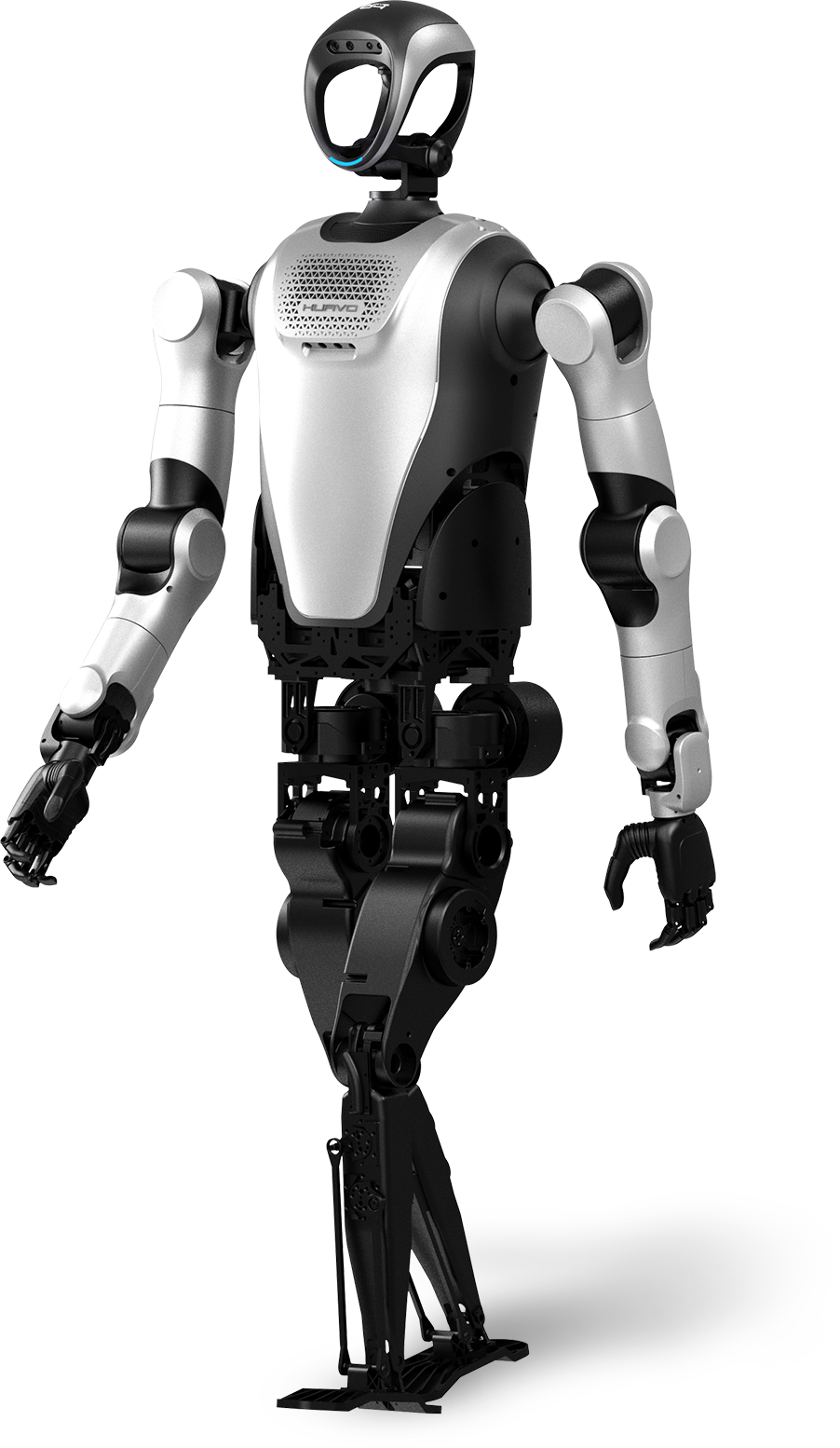
China's Humanoid Tenders Tripled in September. The Market Still Isn't Real Yet.
China's government procurement of humanoid robots jumped 168% to US$39M in September, but shrinking average deal sizes reveal a market still dominated by training labs and demonstrations, not factories.
martti 4 min de lecture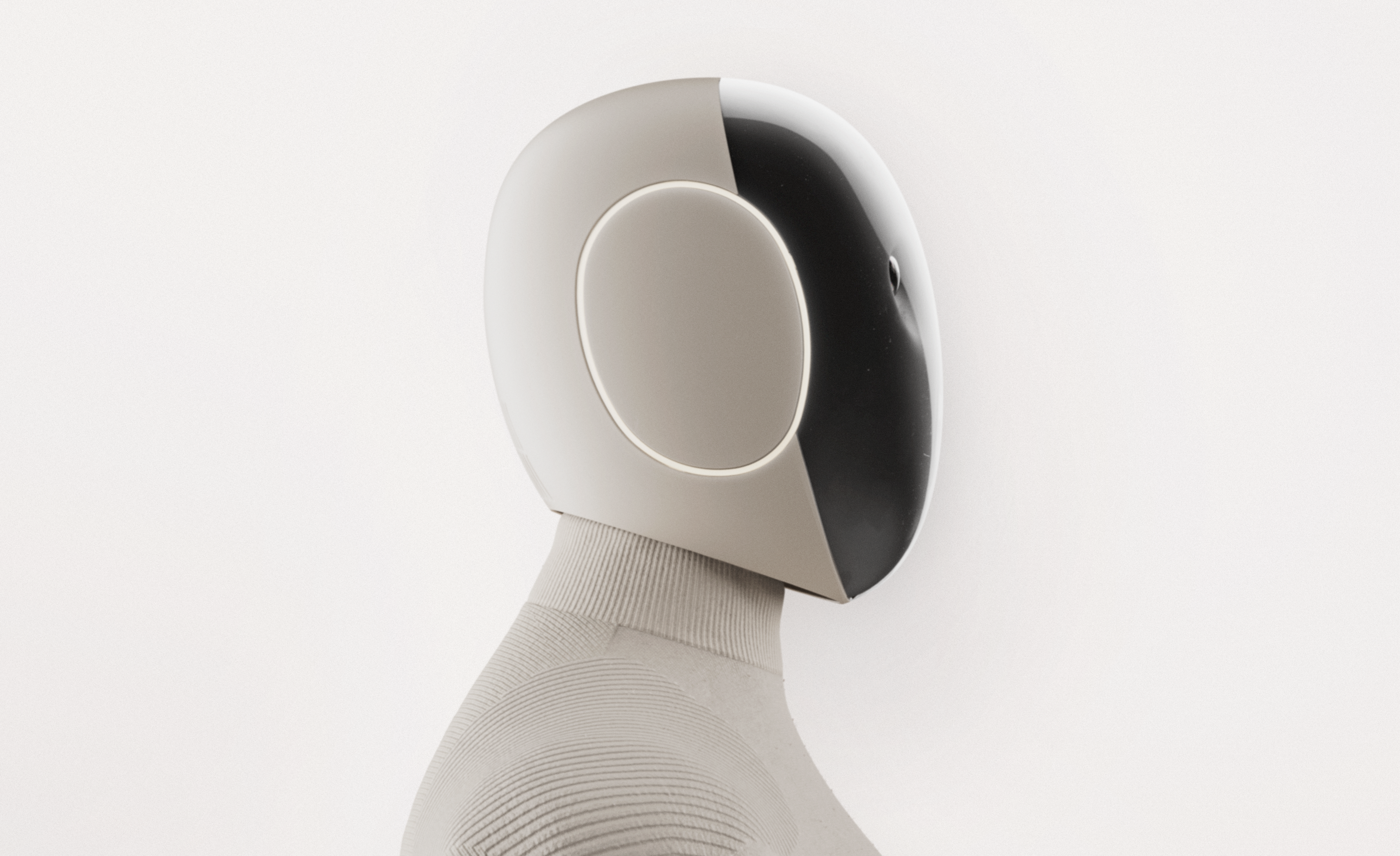
Humanoid Robots' Missing Expense Line Is a Philippine Call Center
Humanoid robot makers are raising money as if autonomy is a solved problem, but their own disclosures and the history of Scale AI's Philippine data-labeling operation show how much of the job still runs on outsourced human labor. The Philippines' two-decade-old BPO industry, not a software breakthrough, is the infrastructure actually absorbing that gap.
martti 4 min de lecture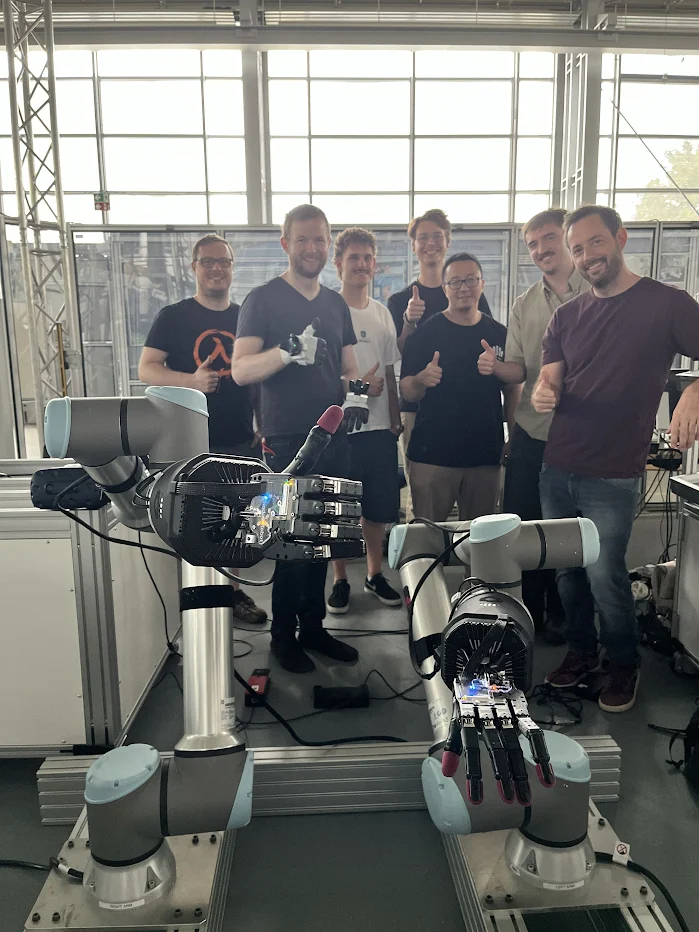
The Missing Sense in Factory Automation Is Touch
Shadow Robot Company and Fraunhofer IFF launched a six-month project testing whether tactile-sensing dexterous hands can close the 10-20 percent gap in manufacturing tasks still done by hand, mounted on ordinary industrial arms rather than humanoids.
martti 4 min de lecture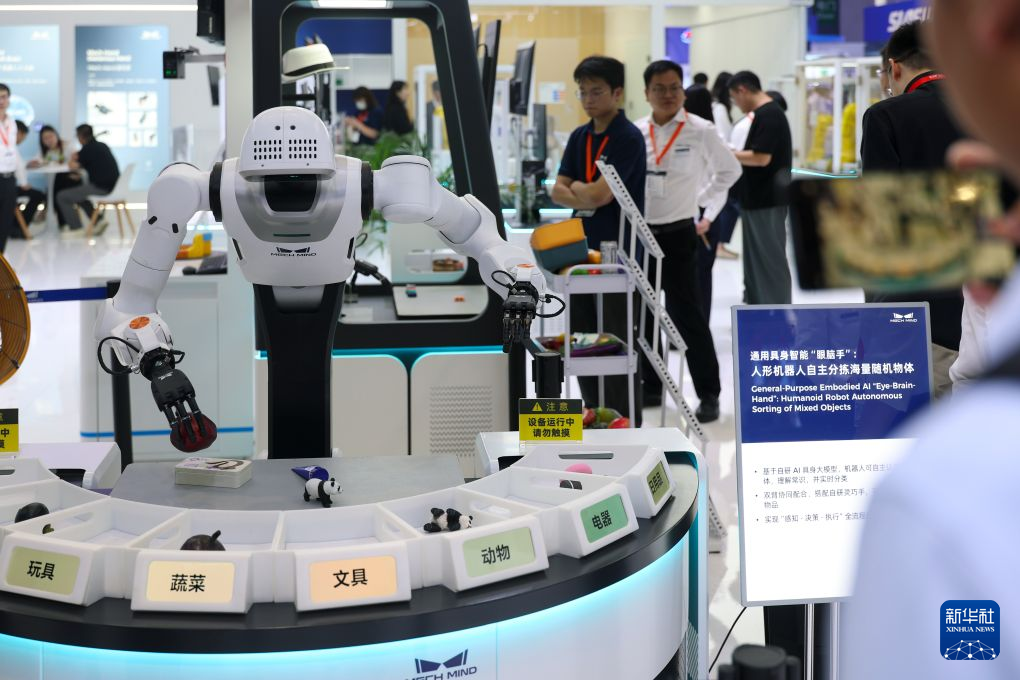
China Warned of a Robot Bubble. Shanghai Just Ordered 8,000 More.
China's National Development and Reform Commission warned in November 2025 that the country's humanoid robot sector had too many near-identical companies chasing an unproven market. A year later, Shanghai answered with a quota: 8,000 humanoid robots into local factories by 2028, regardless of whether factory operators had asked for them. For buyers outside China, the revenue rankings crediting Chinese manufacturers with global leadership increasingly measure procurement policy, not proven demand.
martti 4 min de lecture
Plim Robotics Renamed Itself to Admit What Tesla Spent a Year Denying
Devanthro's October 8 rebrand to Plim Robotics puts a human-operated "step-in" mode front and center instead of hiding it, unlike 1X's quietly-disclosed NEO Expert Mode and Tesla's after-the-fact Optimus admissions. The real taxonomy question for AI robotics was never autonomous versus assisted; it's disclosed versus hidden.
martti 4 min de lecture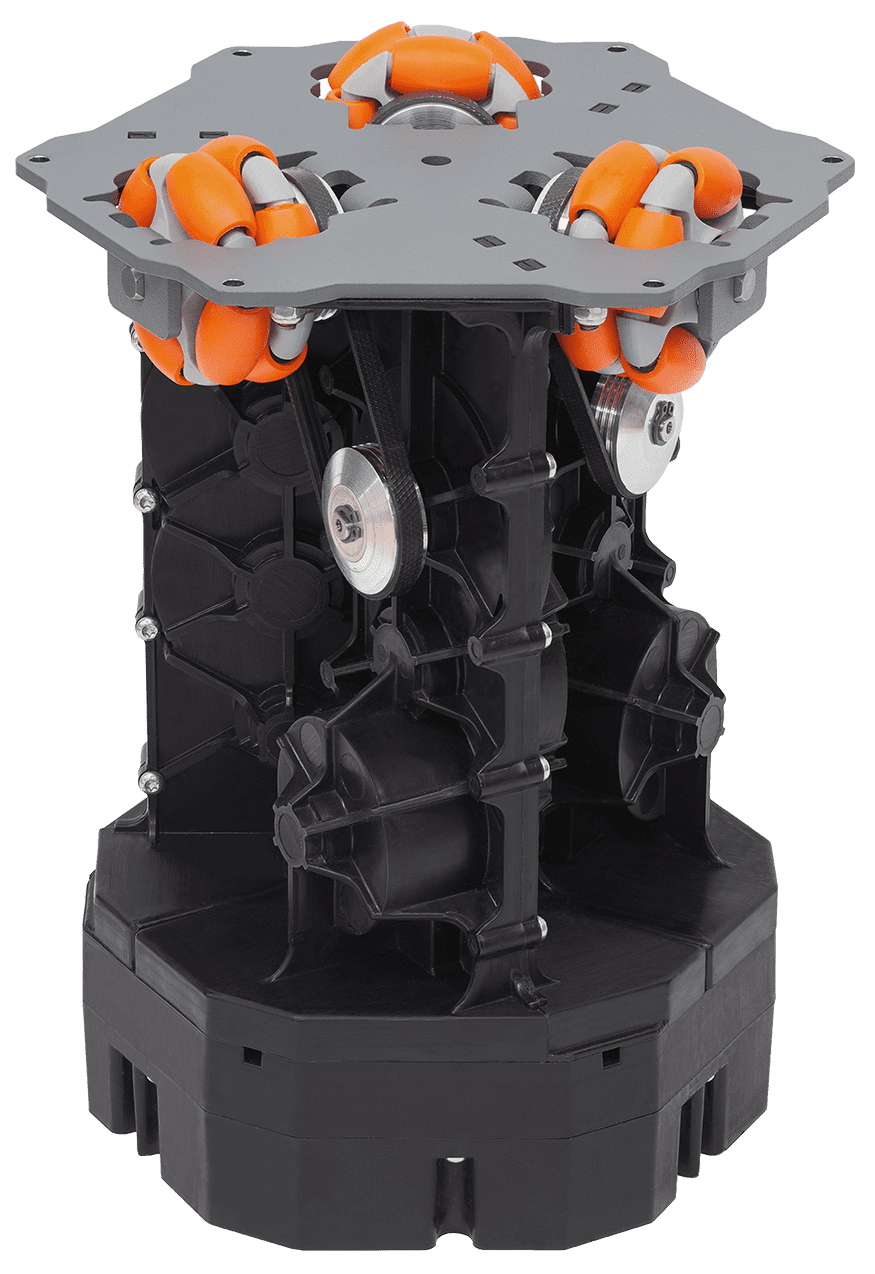
Robotics Doesn't Have a ChatGPT-Moment Problem. It Has a Geography Problem.
Two former colleagues in Nvidia's robotics orbit are debating when robotics gets its 'ChatGPT moment.' Four unrelated events from the same week, a Micron earnings call, a Chinese technical standard, a Symbotic acquisition, and a Hong Kong training ground, suggest the debate itself is asking the wrong question.
martti 4 min de lecture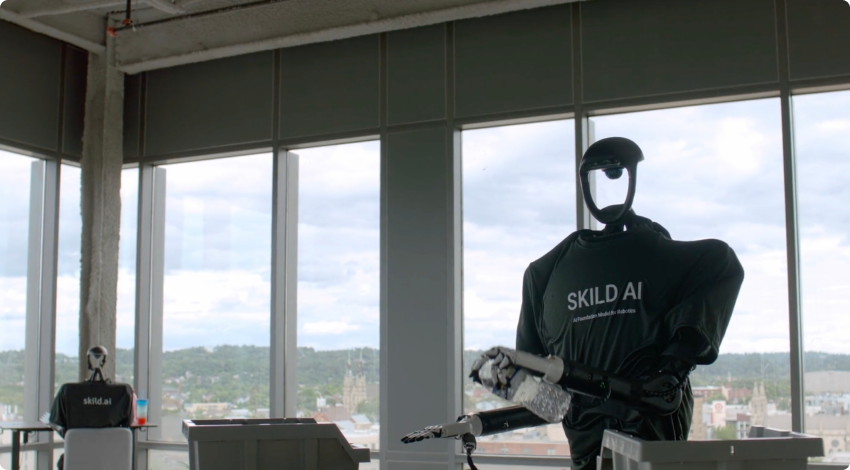
Why Skild AI Taught a Robot Soccer Instead of a Warehouse Job
Skild AI used self-play, not human demonstrations, to train a humanoid robot to play soccer, testing whether robots can learn physical skills beyond what any human teacher could show them.
martti 4 min de lecture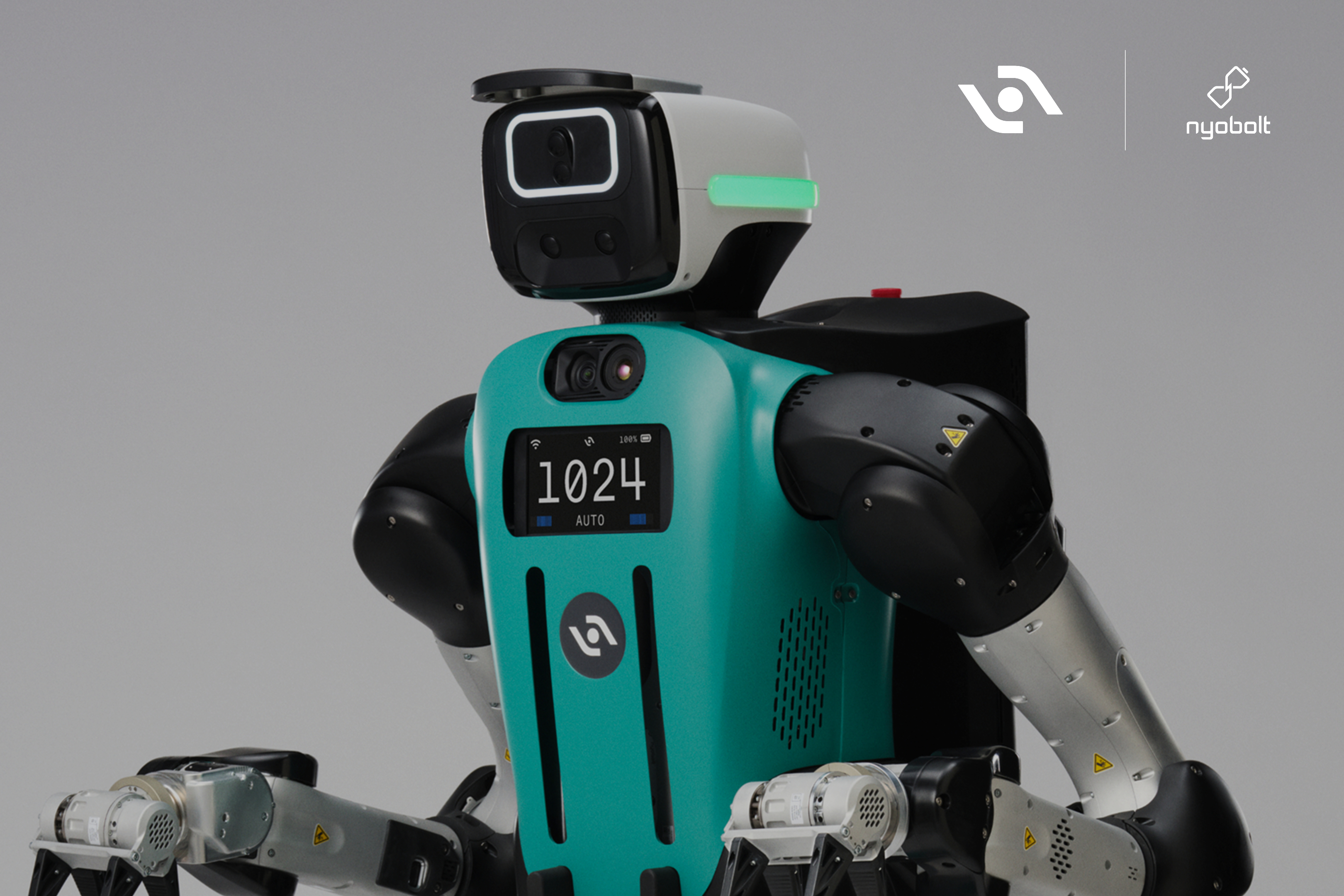
A Battery Startup, Not an AI Lab, May Decide Who Wins the Humanoid Race
Agility Robotics just picked Nyobolt to cut Digit 5's recharge time to nine minutes, following DJI and Boston Dynamics into the same race to kill robot downtime. The real competitive edge in humanoid robotics may belong to whoever solves the charger, not whoever trains the smartest model, and the vendor math behind the headline ratios still needs floor-tested proof.
martti 4 min de lecture
Mobile Robotics Funding Concentrated in Fewer, Bigger Bets in 2026
A new CMRA industry report finds that 20 mega-rounds captured 93% of the roughly US$1.19 billion raised by mobile robotics companies through Q3 2026, with Hong Kong IPOs supplying 40% of all disclosed funding.
martti 4 min de lecture