
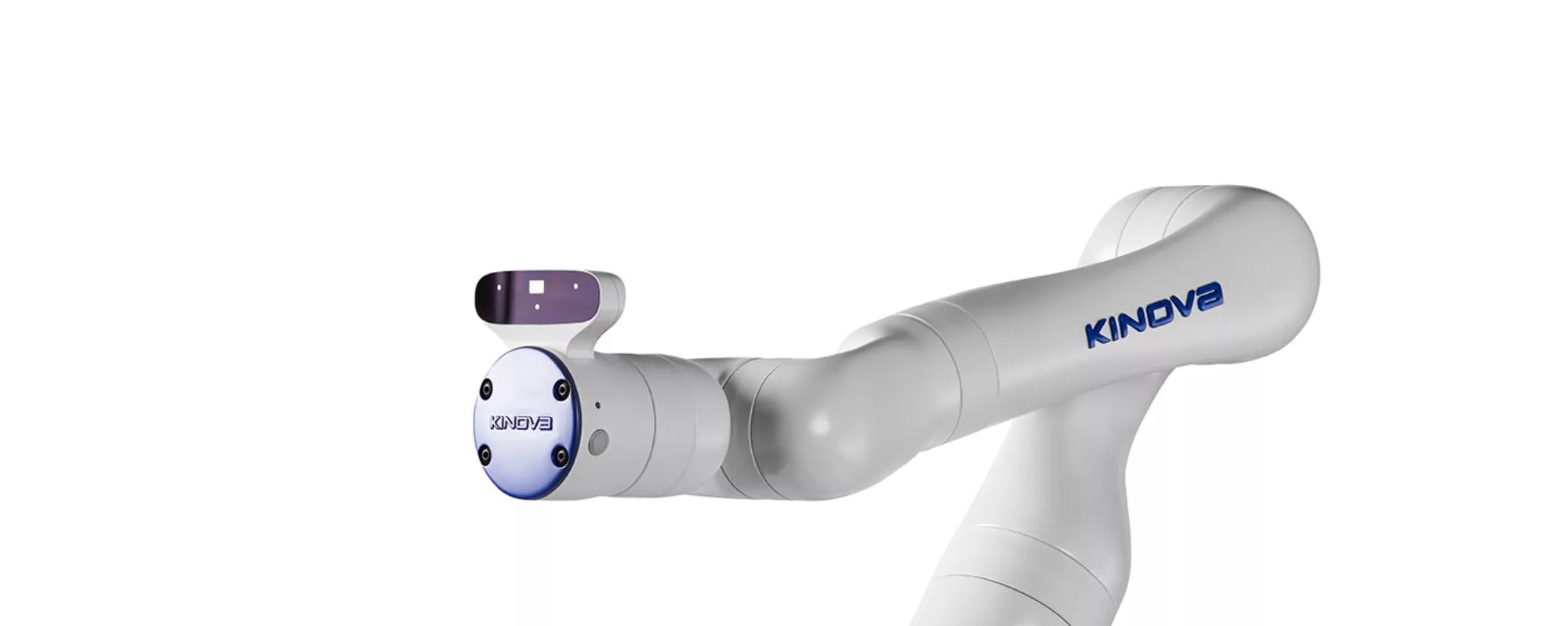
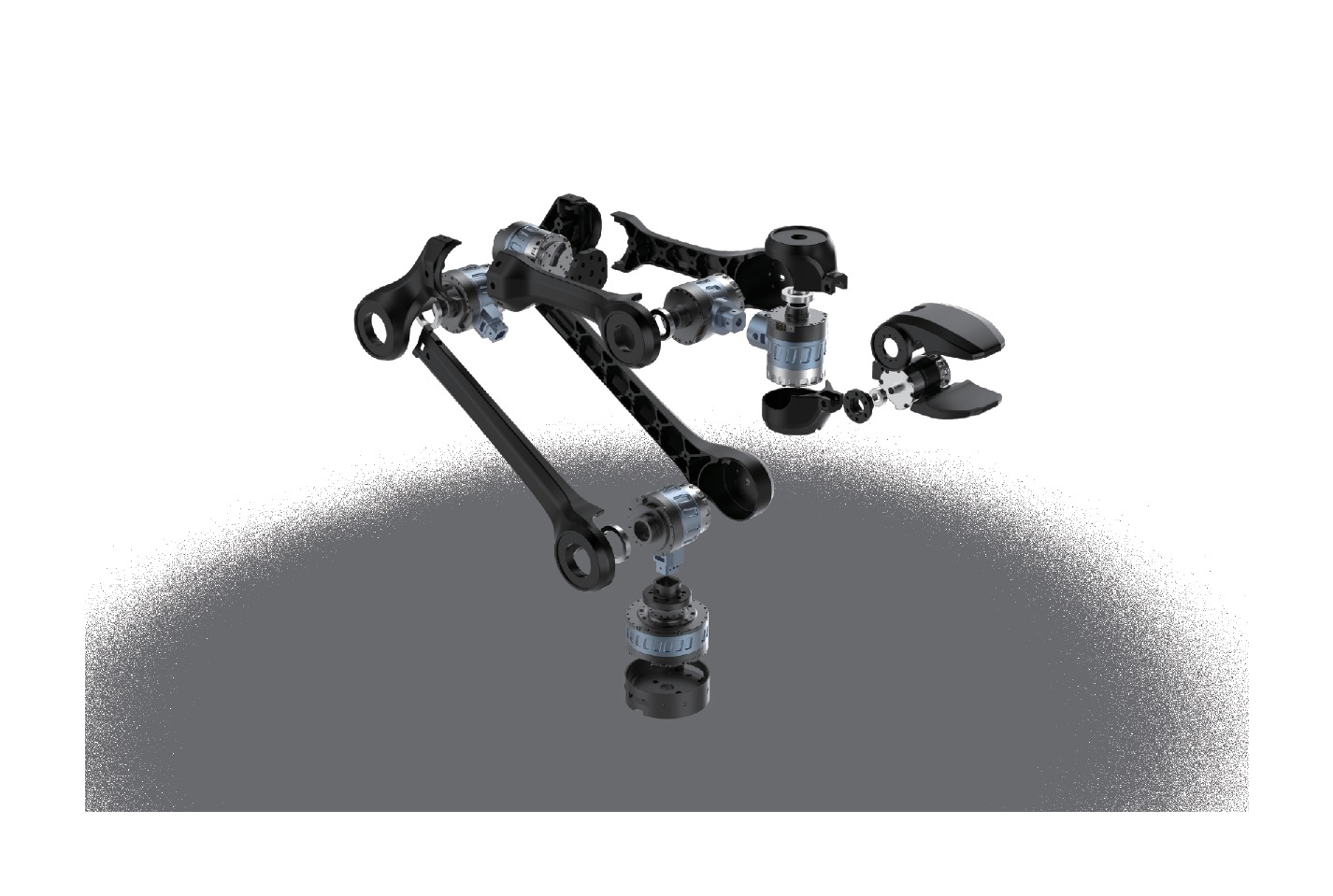
Kinova Gen3 robotic arm (6-axis) vs PHYBOT PhyArm
Kinova vs PHYBOT — specs, price, and data-backed comparison.
QUICK TAKE
- PHYBOT PhyArm offers the higher payload (5 kg vs 4 kg).
- PHYBOT PhyArm offers the longer reach (1 m vs 891 mm).
- PHYBOT PhyArm offers the more degrees of freedom (7 vs 6).
- Kinova Gen3 robotic arm (6-axis) offers the lighter build (7.2 kg vs 9 kg).
SPECIFICATIONS COMPARED
| Kinova Gen3 robotic arm (6-axis) | PHYBOT PhyArm | |
|---|---|---|
| Company | Kinova | PHYBOT |
| Category | Robotic-Arms | Research-Robots |
| Price: | Not announced | Not announced |
| Weight | 7.2 kg | 9 kg |
| Payload | 4 kg | 5 kg |
| Reach | 891 mm | 1 m |
| Degrees of Freedom | 6 | 7 |
| Speed | 1.8 km/h | — |
| Software / AI | — | Supplied ready to control and use with complete development documentation |
FREQUENTLY ASKED QUESTIONS
What is the difference between the Kinova Gen3 robotic arm (6-axis) and the PHYBOT PhyArm?
Kinova Gen3 robotic arm (6-axis) is made by Kinova, while PHYBOT PhyArm is made by PHYBOT. Kinova Gen3 robotic arm (6-axis) is a robotic-arms, while PHYBOT PhyArm is a research-robots.
Which has the higher payload, the Kinova Gen3 robotic arm (6-axis) or the PHYBOT PhyArm?
The PHYBOT PhyArm has the higher payload at 5 kg, compared to 4 kg for the Kinova Gen3 robotic arm (6-axis).