Tesla Audits Chinese Suppliers as Optimus Orders Surge
Tesla's robotics team certified three Zhejiang component makers for Optimus mass production this week, revealing how deep the humanoid's supply chain runs through China.

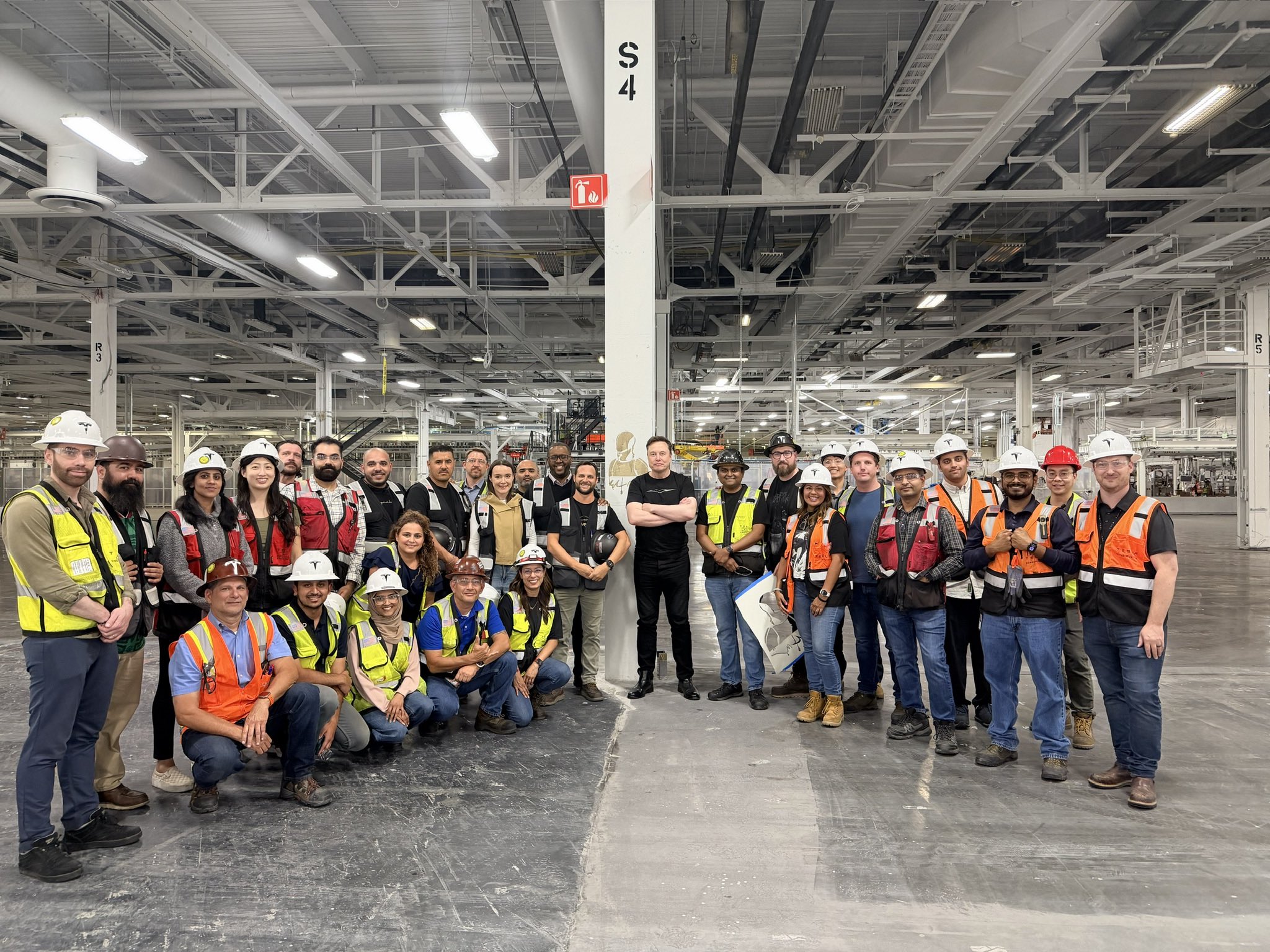
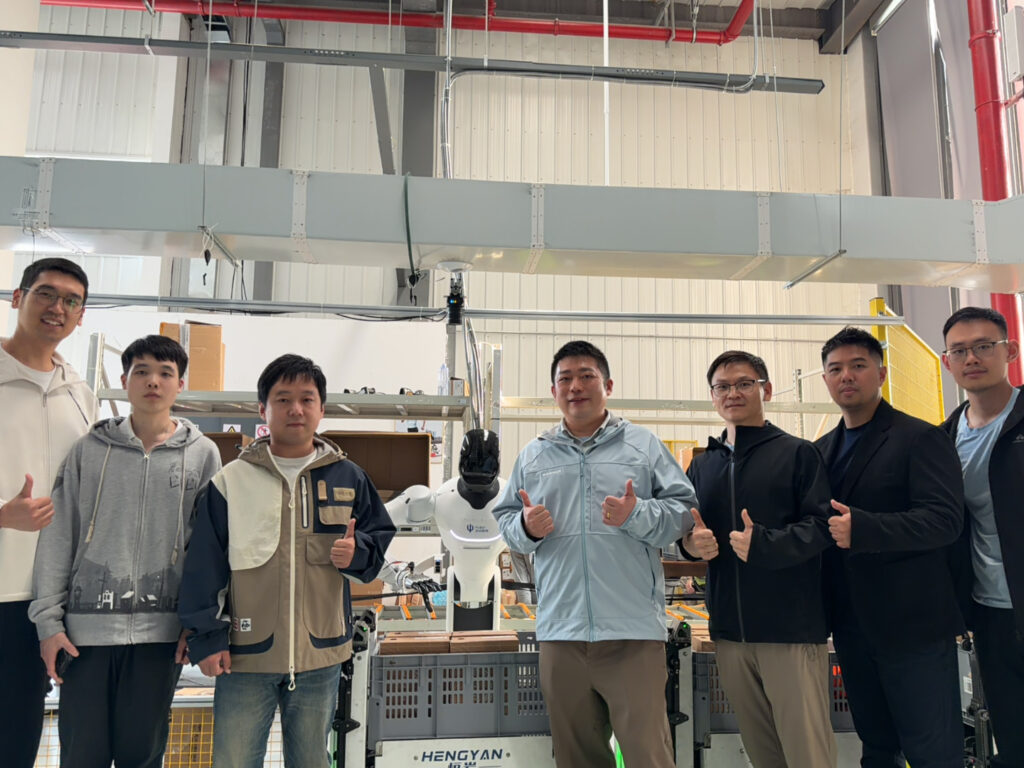
Tesla's robotics team landed in Ningbo, Zhejiang province, on September 16 and began a formal audit of its Chinese Optimus suppliers the following day, moving three component makers from provisional to certified mass-production status and placing fresh orders that local supply-chain reports put at an initial batch of roughly 5,000 units. Shares of the three companies named in the audit, actuator and chassis maker Tuopu Group, auto-parts and sensor supplier Ningbo Joyson Electronic, and thermal-management specialist Zhejiang Sanhua Intelligent Controls, all rose on the news, a market reaction that says as much about how thin Tesla's humanoid supply chain still is as it does about Optimus's prospects.
Tuopu Group, Joyson Electronic, and Sanhua Intelligent Controls are not household names outside industrial supply chains, but all three are established Zhejiang-based manufacturers that built their core businesses supplying actuators, sensors, and thermal systems to the automotive industry before Optimus gave them a second, faster-growing customer category. That existing automotive-grade manufacturing base, capable of the tolerances and volumes carmakers demand, is precisely why Tesla is auditing them now rather than starting from scratch with pure robotics startups: the qualification bar for a component that goes into a mass-produced humanoid is closer to automotive-grade than to consumer-electronics-grade, and China's auto-parts sector already clears that bar at scale.
An Audit Is a Production Gate, Not a Courtesy Visit
The distinction between a provisional supplier and a certified mass-production partner is the actual substance of this story, and it is easy to miss under the stock-price headline. Tesla's stated objectives for the Ningbo visit were to verify component consistency and exclusivity commitments at production volume, help partners debug their equipment for the specific tolerances Optimus requires, and transfer manufacturing know-how from Tesla's U.S. lines into the Chinese factories that will actually build the parts. That last point deserves attention from anyone tracking where humanoid robot expertise concentrates: Tesla is not merely buying components off a shelf, it is exporting its own production knowledge into these suppliers' facilities, which raises both supply-chain velocity and the suppliers' own long-term capability, a trade-off Tesla appears to have decided is worth making to hit its ramp targets.
Supply-chain reports circulating alongside the audit put Tesla's production goal at roughly 1,000 Optimus units a week by late September, rising to 2,000 to 2,500 units a week by year-end, with some accounts citing a full-year 2026 target as high as 50,000 units. Tesla has not confirmed a specific annual figure itself, and buyers should treat the higher-end numbers as directional rather than guaranteed, but the weekly ramp trajectory is consistent across multiple supply-chain accounts and lines up with what a certified, audited supplier base would need to support.
The Factory Timeline Now Has to Match the Supplier Timeline
The Ningbo audit does not happen in isolation. Tesla broke ground on a dedicated Optimus factory at Gigafactory Texas in late March, and as of mid-September the building's structural steel frame is close to complete, with assembly crews roughly five column grids from reaching the site's north perimeter beam. Tesla has also converted a portion of its original Fremont, California plant, the facility that once built the Model S and Model X, into an Optimus production line, with the last Model S and Model X units rolling off that line earlier this year. Two dedicated U.S. assembly sites and a newly certified Chinese component base are now all supposed to converge on the same production calendar, and any one of the three running behind schedule would cap the others' output regardless of how fast the remaining pieces move.
Tesla has run this exact playbook before, just not for a humanoid robot. When it needed battery cells, motors, and castings at electric-vehicle volume a decade ago, it qualified Chinese and Japanese suppliers through the same provisional-to-certified process, then used its own manufacturing engineers to help those partners hit tolerances Tesla needed rather than waiting for the market to produce them independently. The Ningbo visit applies that template to Optimus, and the fact that Tesla is willing to send its own engineers into a rival power's manufacturing base to accelerate a strategically sensitive robotics program says something about how much schedule risk the company is trying to buy out. A domestic-only supplier strategy would have been slower and, on current evidence, would not have hit even the lower end of the reported weekly production targets.
That convergence is the real story for buyers and investors watching the humanoid category rather than any single company within it.
The audit also lands inside an increasingly tense export-control environment, which makes Tesla's choice to deepen its Chinese supplier relationships now, rather than diversify away from them, a notable signal in its own right. Washington has tightened restrictions on advanced robotics and AI hardware moving in both directions between the United States and China over the past year, and several Chinese humanoid makers have already had to adjust their own US shipment plans around new rules. Tesla's decision to certify three more Zhejiang-based suppliers for a flagship US robotics program, rather than accelerate a parallel domestic sourcing track, suggests the company is betting that component-level trade, as opposed to finished-robot trade, remains the less contested lane. That bet could prove wrong if policy tightens further around dual-use manufacturing equipment and know-how transfer specifically, which is closer to what the Ningbo audit actually involves than a simple parts purchase.
For automation buyers evaluating any humanoid platform, not just Optimus, the audit is a useful reminder that supply-chain concentration risk is now a Tesla problem too, not just a risk unique to Chinese-headquartered humanoid makers. A buyer choosing between platforms on the basis of geopolitical exposure alone will find less daylight between a "Western" and a "Chinese" humanoid program than brand positioning suggests, since the component layer beneath nearly every serious humanoid effort now runs through the same handful of Zhejiang and Jiangsu manufacturing clusters.
Tesla's approach mirrors what RobotAIGeek documented earlier this year in Optimus's harmonic-reducer supply chain, where Chinese manufacturers captured a large share of a critical component category by combining automotive-grade manufacturing discipline with a cost structure Western suppliers could not match. The Ningbo audit extends that pattern from reducers into actuators, sensors, and thermal systems, and it confirms that Tesla's China dependency for Optimus is not a single-component exposure but a structural feature of the entire program.
What the Stock Reaction Actually Reveals
Markets rewarding Tuopu, Joyson, and Sanhua for winning certified-supplier status is a useful, if noisy, signal about how investors are pricing humanoid robotics exposure in China right now. None of the three companies design or sell a finished robot, and none carries the brand recognition of a Unitree or an AgiBot. What they sell is qualification: proof that a components maker can hit automotive-grade tolerances at the volumes a mass-market humanoid program eventually requires. That is a narrower, more mechanical kind of value than a humanoid platform company offers, but it is also less exposed to the risk that any single robot design fails commercially, since a certified actuator or thermal-management supplier can sell into whichever humanoid program wins, not just Tesla's.
RobotAIGeek's analysis of China's mobile-robot export share found that Chinese manufacturers already account for the large majority of global mobile robot shipments, built on exactly this kind of component-level manufacturing depth rather than any single flagship brand. Tesla's Ningbo audit is, in effect, an acknowledgment from one of the most vertically integrated manufacturers in the world that it cannot replicate that depth domestically on its own production timeline, and that the fastest path to a working Optimus supply chain runs directly through the same Zhejiang manufacturing cluster that already supplies much of the rest of the industry.
The Number That Will Confirm or Break the Story
Every element of this audit points toward a single, checkable number: whether Tesla's Optimus lines are actually producing roughly 1,000 units a week by the end of September. That figure is close enough in time to verify against Tesla's own disclosures rather than supply-chain rumor, and it will tell buyers more about the program's real state than any stock move in Ningbo, Ningbo Joyson, or Sanhua shares this week. If the weekly rate holds, the audited supplier base will have done exactly what it was certified to do. If it slips, the bottleneck will not have been components at all, but the two Texas and California assembly lines Tesla has bet the rest of the program on.
This analysis draws on public reporting regarding Tesla's supplier audit in Ningbo, China, and related supply-chain disclosures about Optimus production planning. It is for general information purposes only and does not constitute investment, financial, or legal advice.
Hero image credit: Tesla.