Teradyne Robotics Sues JAKA Over Cobot Patents at Europe's Unified Patent Court
Teradyne Robotics filed a hardware-and-software patent case against JAKA's German unit at the Unified Patent Court in Copenhagen, its second IP action against a Chinese cobot maker in Europe this year.

Teradyne Robotics Sues JAKA Over Cobot Patents at Europe's Unified Patent Court
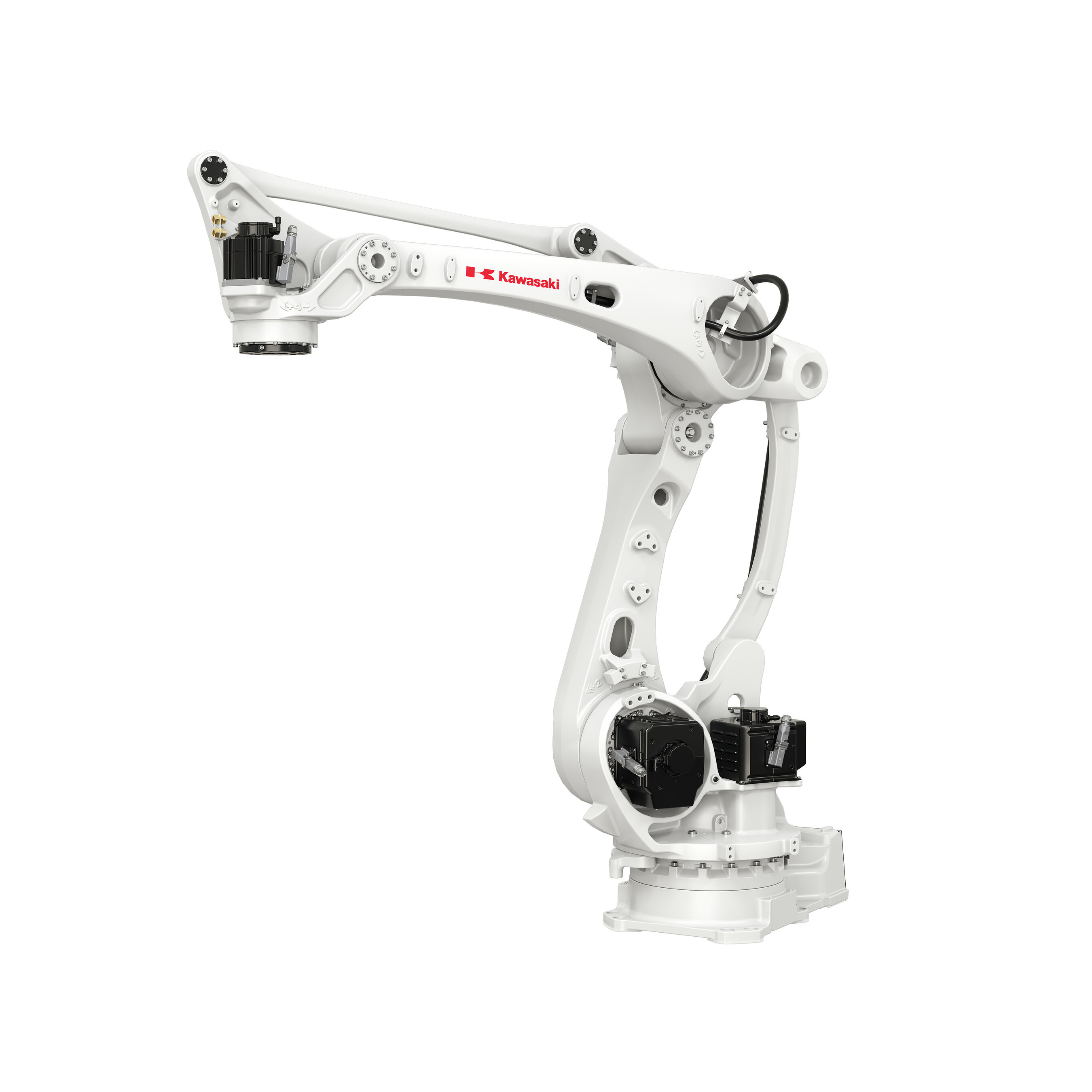
Teradyne Robotics filed a patent infringement case Thursday against the German subsidiary of JAKA Robotics, a Shanghai-based collaborative robot maker, at the Unified Patent Court's local division in Copenhagen. The filing targets both hardware and software patents held by Teradyne Robotics and its collaborative-robot subsidiary Universal Robots, and it marks one of the more direct legal actions a Western cobot incumbent has taken against a Chinese competitor since the Unified Patent Court began hearing cases in 2023. JAKA, founded in 2014 and headquartered in Shanghai, builds six-axis collaborative robot arms under its Zu product line, with more than 10,000 units deployed worldwide at customers including Toyota and Schneider Electric, and the company has expanded aggressively into European markets over the past two years through local subsidiaries and distributor networks.
Jean-Pierre Hathout, president of the Teradyne Robotics Group, said the filing "is another clear demonstration that Teradyne Robotics will enforce its patents and intellectual property rights against what we consider to be illegal and unfair copying and infringement, across both hardware and software." The company has not disclosed the specific patent numbers at issue, but confirmed the case covers both physical cobot design elements and the control software that runs on Universal Robots' PolyScope platform, the two layers where collaborative-robot makers most commonly differentiate their products from lower-cost rivals. The JAKA filing is Teradyne Robotics' second intellectual-property case against a Chinese cobot maker in Europe this year, following a copyright case it brought against Elite Robots' German subsidiary in February.
The Elite Robots Precedent Already Produced a Court Win
That earlier case gives the JAKA filing a concrete legal backdrop rather than an untested legal theory. Teradyne Robotics sued Elite Robots Deutschland in Germany after a cease-and-desist letter went unanswered, alleging Elite Robots' cobot software copied Universal Robots' PolyScope 5 operating platform, and the Regional Court of Hamburg issued a preliminary injunction barring Elite Robots Germany from offering or distributing the disputed software, along with any cobot products built on it, in Germany. Elite Robots, founded in 2016 and now ranked among the top three cobot brands sold in China by volume, has continued shipping unrelated product lines elsewhere in Europe, but the German injunction stands as the first concrete judicial finding in Teradyne Robotics' favor in this enforcement campaign. That precedent matters directly to the JAKA case: a Unified Patent Court panel weighing whether Universal Robots' software architecture is distinctive enough to warrant patent and copyright protection now has a sitting German court ruling to consider, even though the Hamburg injunction was a national copyright case rather than the pan-European patent proceeding Teradyne Robotics has now opened against JAKA.
Why the Unified Patent Court Matters More Than a National Case
The choice of venue is itself a signal worth reading carefully. Before the Unified Patent Court opened, a company seeking to enforce a European patent against an infringer typically had to file separate cases in each national jurisdiction where infringement occurred, an expensive and slow process that let a well-funded defendant drag out enforcement for years while continuing to sell the disputed product across the rest of the continent. A single Unified Patent Court ruling instead applies across all participating European Union member states at once, which means a favorable outcome for Teradyne Robotics could force JAKA to halt sales of the disputed products throughout the bloc rather than in Germany alone. For a Chinese hardware exporter with growth ambitions across the European Union, that continent-wide exposure raises the stakes of a single adverse ruling far higher than the German-only case a similar dispute would have produced two years ago.
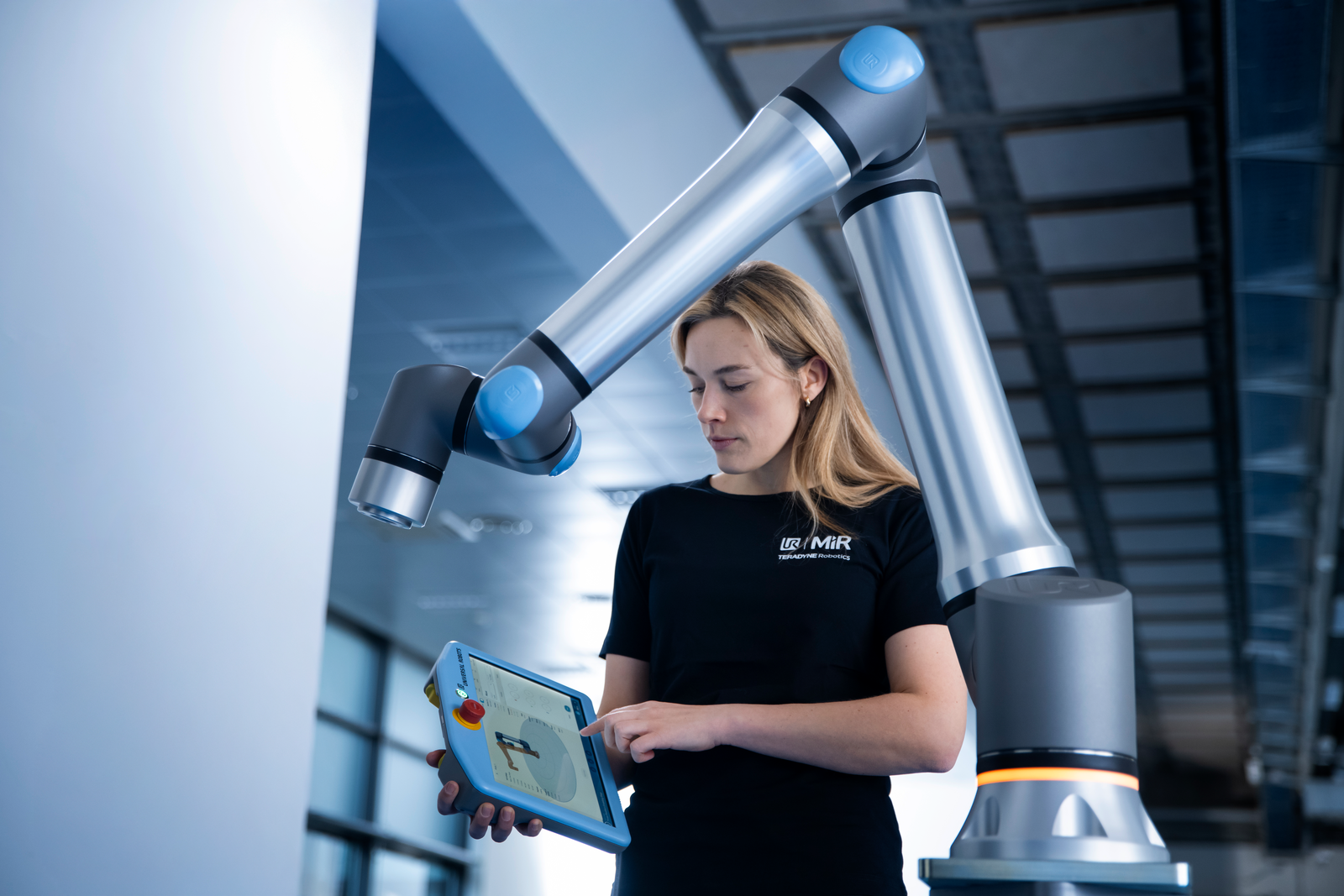
Universal Robots, the Denmark-based cobot maker Teradyne acquired in 2015, holds a position in the collaborative-robot category roughly analogous to an original equipment inventor defending its core intellectual property against a fast-following manufacturer. Universal Robots effectively created the modern lightweight, safety-rated collaborative-arm category in the early 2010s and has spent more than a decade building a patent portfolio around the safety sensing, force limiting, and control-software architecture that let a robot arm work directly alongside a human operator without a safety cage. A finding that JAKA's cobots or software infringe that portfolio would validate the depth of that intellectual-property position at a moment when Chinese manufacturers have captured a growing share of the global cobot market on the strength of substantially lower prices.
The Software Claim Is the More Consequential Half of the Case
Buyers evaluating collaborative robots typically focus their diligence on hardware specifications, payload, reach, repeatability, because those numbers are easy to compare across vendors on a datasheet. The software layer, the programming interface, safety-configuration logic, and motion-planning algorithms that actually make a cobot usable by a line worker without specialized robotics training, is harder to evaluate but frequently the more defensible and more copied asset. Universal Robots' PolyScope interface is widely credited with lowering the skill threshold needed to deploy a cobot, and a software-infringement finding would suggest that competitors chasing feature parity have been replicating not just the physical arm design but the interaction model that made collaborative robots commercially viable for small and mid-size manufacturers in the first place.
For a procurement team currently evaluating cobots from multiple vendors, including Chinese suppliers offering comparable specifications at a meaningfully lower price, the practical risk from this case is not a probable near-term interruption to their own operations. Patent litigation of this scale typically runs a year or more before a ruling, and any resulting sales restriction would likely include transition provisions for equipment already in the field. The more immediate diligence question is whether a given supplier's control software and safety architecture were developed independently or licensed, since a Unified Patent Court ruling against JAKA would create legal precedent that could expose other Chinese cobot makers using similar underlying architectures to follow-on claims, and a buyer standardizing an entire production line on a single vendor's software ecosystem is taking on a supplier-continuity risk that a split-hardware, split-software architecture would not carry.
A Deliberate Campaign, Not a One-Off Filing
Two intellectual-property cases against two different Chinese cobot makers inside a single calendar year is a pattern, not an isolated dispute, and it signals Teradyne Robotics has made litigation a standing part of its competitive strategy rather than a last-resort response to one bad actor. Litigation is a materially different competitive response than a price cut or a new product launch: it does not require Teradyne Robotics to match a Chinese rival's price point, and if successful, it removes a competitor's product from the market entirely within the covered jurisdictions rather than simply making it a less attractive purchase. Running the Elite Robots and JAKA cases in parallel also lets Teradyne Robotics test two different legal instruments at once, a national copyright claim decided quickly through a German preliminary injunction, and a slower-moving but continent-wide Unified Patent Court patent case, and compare which produces more durable protection before deciding how to pursue any future infringement claims against other fast-following manufacturers.
That makes the JAKA case a useful bellwether for how enforceable the current generation of Western collaborative-robot patents actually is against a manufacturer building functionally similar hardware and software at a lower price point, a question that has been debated across the robotics industry for years but rarely tested this directly in a court with jurisdiction across the full European Union.
The case also arrives as the European Union has separately been tightening its posture toward Chinese industrial equipment through tariff and procurement-preference measures aimed at sectors including electric vehicles and, increasingly, industrial robotics. A Unified Patent Court ruling against JAKA would function as intellectual-property enforcement rather than trade policy, but the practical effect for buyers, a Chinese cobot vendor losing the ability to sell disputed products across the European Union, would look similar to a trade restriction from the customer's side of the transaction regardless of the legal mechanism that produced it.
What Buyers Should Track as the Case Proceeds
For a manufacturer or systems integrator with an active or planned JAKA deployment in the European Union, the immediate action item is not to halt procurement but to ask the vendor directly which product lines and software versions are named in the filing, since Teradyne Robotics has not made that detail public and a full production-line commitment before that clarity exists carries avoidable risk. For a buyer evaluating cobot vendors more broadly, the case is worth tracking as an early test of whether patent enforcement, rather than price competition or export controls, becomes the primary mechanism through which established robotics makers try to slow share losses to lower-cost Chinese entrants. Unified Patent Court patent cases typically take well over a year to reach a final ruling, but the Elite Robots case shows Teradyne Robotics is willing to seek a preliminary injunction well before that, so any early request for interim relief against JAKA's German sales is the more immediate milestone worth watching.
Disclaimer: This article is for general information purposes only and does not constitute investment, legal, or procurement advice. Readers should verify details with primary sources before making business decisions.