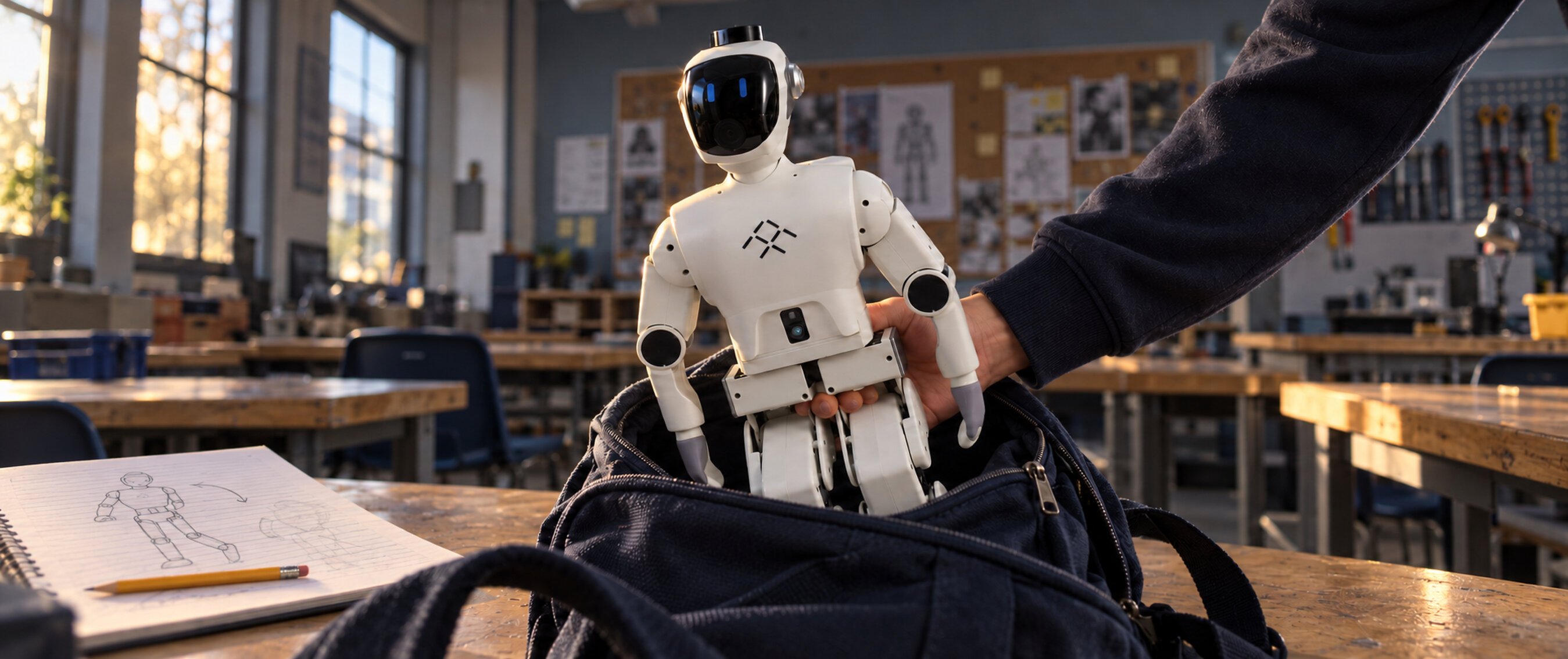
OpenAI Says It Will Build a Humanoid, With a Demo Target of 2027
Sam Altman said OpenAI will build a humanoid and expects a 2027 demonstration, with street-ready robots years further out.

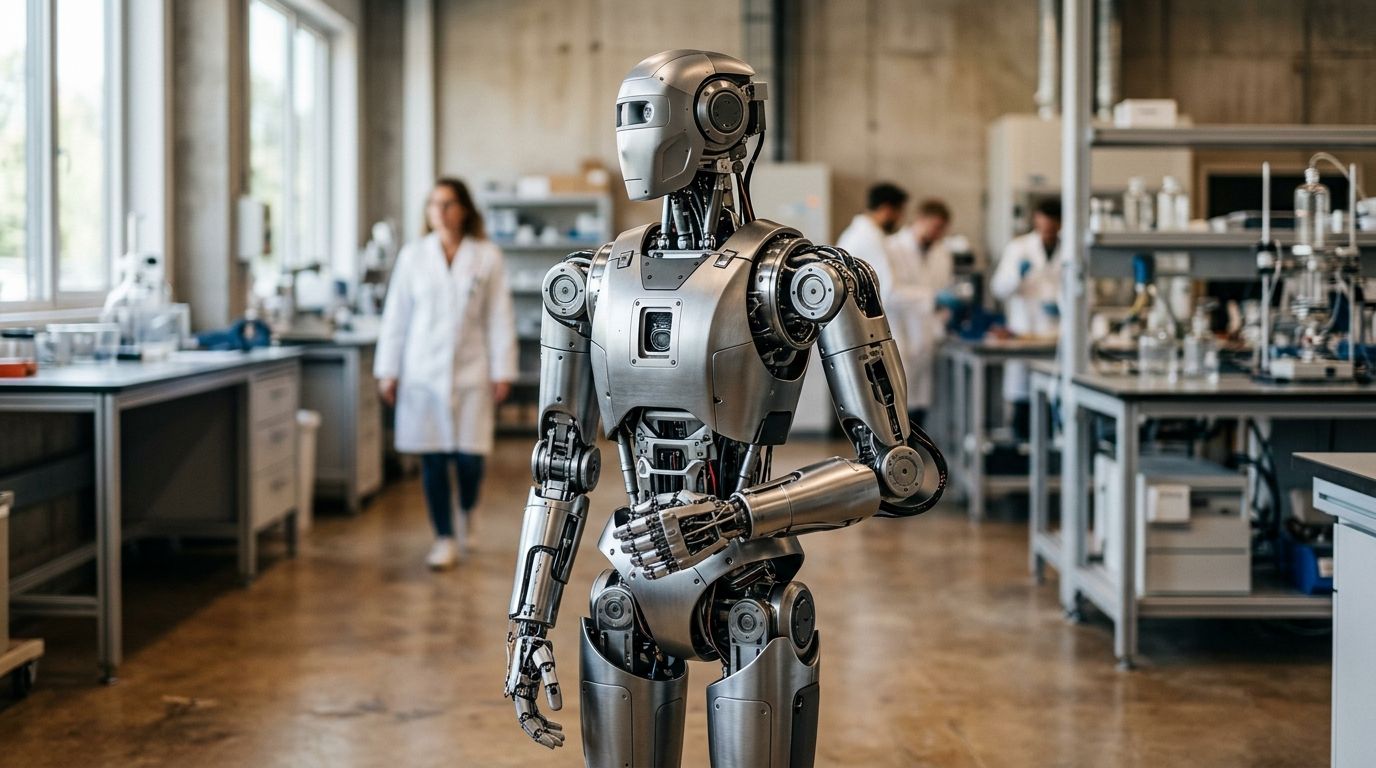
OpenAI will build a humanoid robot, and its chief executive has put a demonstration on the calendar for 2027. That is a planning signal for buyers, not a product announcement. Sam Altman told Fortune that the company should be able to show a demonstration in 2027, and that robots would not be walking the streets for a few years after that. He has not said what the demonstration will include, what the machine will look like, or when anyone outside the company will see it.
Procurement teams should read the date as a research milestone. A demonstration can be a controlled task in a lab. A machine that can be specified, insured, and put on a night shift is a different purchase. Altman has not given a commercial release date, a price, or a service model.
OpenAI is the San Francisco company behind ChatGPT. Its core business is large language models sold to consumers and enterprises. A humanoid is a departure from software into machines that have to survive contact with the physical world. The company previously researched robot hands under the Dactyl project, training a hand in simulation and then using it on real objects, including a Rubik's Cube. That work showed that a skill learned in software still has to absorb friction, slip, and sensor noise once it leaves the simulator.
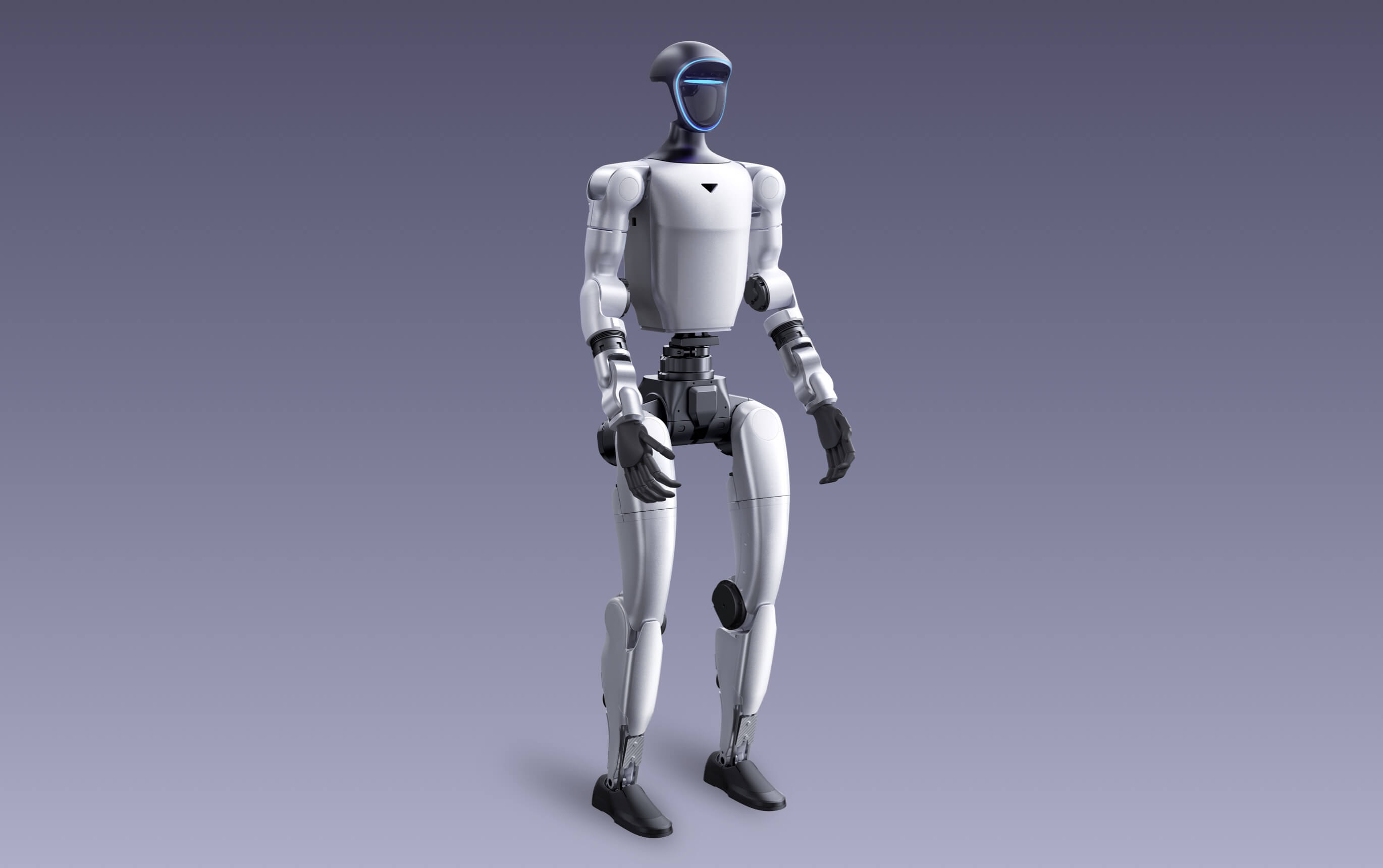
Altman made the humanoid comments on the Sources podcast and in the Fortune interview, as reported on 18 October 2026 by Engadget and Mint and carried the next morning by DigitalToday in Seoul. He said a humanlike body is a practical choice because the built world is arranged for people. Doors, keyboards, and hand tools assume a human reach and grip. He said matching that form factor seems good. He also said the appearance is less important than the intelligence that makes the robot work. Arms and legs, on his account, are not useful if the machine cannot perceive objects, interpret an instruction, plan a sequence, and control its own body.
That split matters more than the slogan. A buyer who needs a robot to pick cases in a warehouse is not buying a face. The buyer is buying uptime, a payload, a safety case, and a vendor who will still answer the phone in year three. OpenAI has not published any of those figures. Until it does, the announcement is a statement of intent.
The hiring list is the most concrete evidence that the intent has a budget. DigitalToday reported that OpenAI's careers page listed 27 robotics-related openings. The roles cover motion control, state estimation, actuator control, whole-robot behavior, and the machine-learning infrastructure used to train physical systems. Separate openings cover custom electromechanical actuators, including motors, gearboxes, sensors, and thermal management, plus manufacturing and supply-chain work. A company that only wanted to license a brain to someone else's body would not need gearbox and thermal engineers.
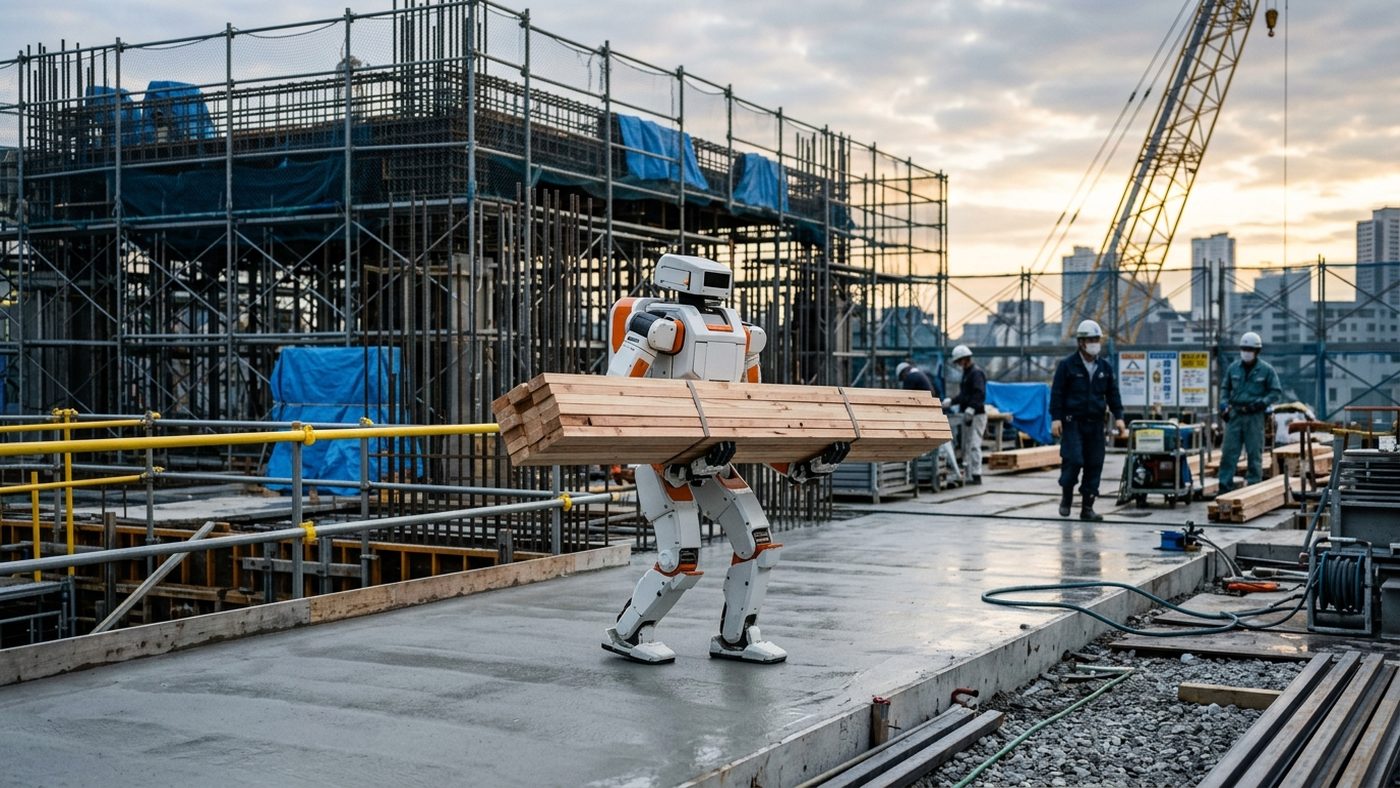
The short-term job description is industrial, not domestic. The listings say the first machine is meant to support skilled workers on infrastructure construction sites, with personal robots described as a later expansion. That sequencing matches how other humanoid programs have actually moved. Factory and site work can be fenced, supervised, and measured. A home cannot.
Think of the 2027 demonstration the way a plant manager thinks of a vendor's first pilot cell. The cell proves that a motion is possible under watched conditions. It does not prove that the cell will hold its cycle time after the vendor's engineers go home. Altman himself separated the two when he said street-ready robots would take additional years. Buyers who treat a demo date as a delivery date are the ones who get surprised.
Rivals already have hardware in the world, which is the skeptical point this announcement has to clear. Tesla has been developing Optimus for years and has shown units in its own facilities. XPeng has shown its IRON humanoid walking off a production line under its own power. Figure, Agility Robotics, Apptronik, and a long list of Chinese makers have published deployment claims, some of them in customer sites and many of them still in pilots. OpenAI ended an earlier collaboration with Figure and did not complete a reported look at acquiring 1X. It is now choosing to build rather than partner. That choice buys control of the training data. It also means OpenAI is starting the hardware clock later than companies that already have a bill of materials.
The comparison that matters for a sourcing lead is not who has the best keynote. It is who can name a task, a site, a failure rate, and a price.
| Question a buyer asks | OpenAI, as of 19 Oct 2026 | Tesla Optimus | Agility Digit | Figure | | --- | --- | --- | --- | --- | | Public commitment to build | Yes, from the chief executive | Yes, multi-year program | Yes, shipping pilots | Yes, commercial pilots | | Dated public demonstration | 2027, contents undisclosed | Shown in company facilities | Customer pilots already running | Customer pilots reported | | Street or home use | A few years after 2027, per Altman | Not scheduled publicly | Not the current product | Not the current product | | Payload, speed, runtime | Not disclosed | Confirm on the current revision | Published for Digit; confirm revision | Published selectively; confirm revision | | Price or service model | Not disclosed | Not a list price for outside buyers | Sold against warehouse tasks | Pilot contracts, not a list price | | Safety case for shared space | Not disclosed | Not a general clearance | Task-specific, site by site | Task-specific, site by site | | Where the evidence sits | Interviews plus 27 job listings | Company demonstrations | Customer and company reports | Customer and company reports |
Prices in that table are N/A because none of these vendors is offering a comparable humanoid at a public list price that a procurement team can drop into a bid. Where a number exists for an older revision, it should not be copied forward. Confirm the current revision with the vendor.
The commercial significance is the labor market these machines are being aimed at, not the robot itself. Infrastructure work has a shortage of skilled trades and a high injury rate. A machine that can carry, hold, and fetch on a site would change crew size. It would not remove the need for a person who understands the job. Altman's own framing, a robot that supports skilled workers, is the honest version of the pitch. A robot that replaces the crew is a claim nobody in this announcement has made.
Adoption signals so far are internal. Twenty-seven open roles say OpenAI is staffing a hardware group. They do not say a customer has signed a pilot. There is no named site, no cycle-time study, and no safety certification. For a technology evaluator, the next useful document is a task list with pass-fail criteria, not another interview.
The pattern across the field is that software companies reach for bodies once model progress stops translating into new revenue on its own. Owning the robot means owning the data the robot collects. That data is the asset. The metal is the cost of getting it. Buyers should assume the vendor's incentive is to learn from their site, and they should write the contract accordingly: who owns video, how long it is kept, and whether it can train a model that later serves a competitor.
A useful test for any humanoid pitch is whether the vendor can describe the failure, not the success. Altman did part of that job by separating a 2027 demonstration from street use. He has not yet described what the demonstration must do to count as success. Until that bar is public, the date is a direction, not a specification.
OpenAI has not published a privacy framework for a camera-carrying robot. DigitalToday noted the gap. A machine that moves through a site records workers, visitors, and layout. That is a data-protection issue in Europe and a labor-relations issue almost everywhere. It should be on the first questionnaire, not the last.
Currency is not yet part of this story. No price has been stated in US dollars or any other unit. When a figure appears, buyers should ask whether it is hardware only, or hardware plus the model, the maintenance, and the on-site support that actually determine cost per hour.
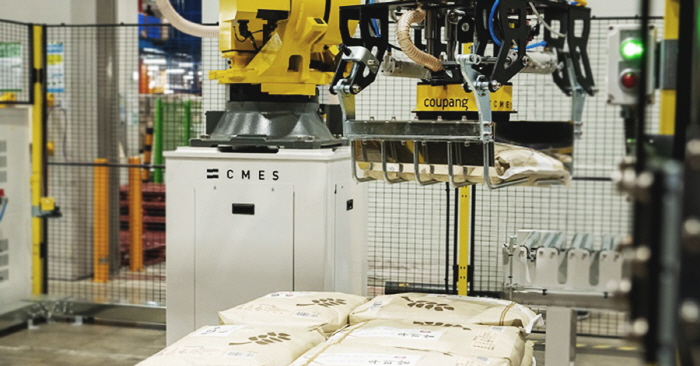
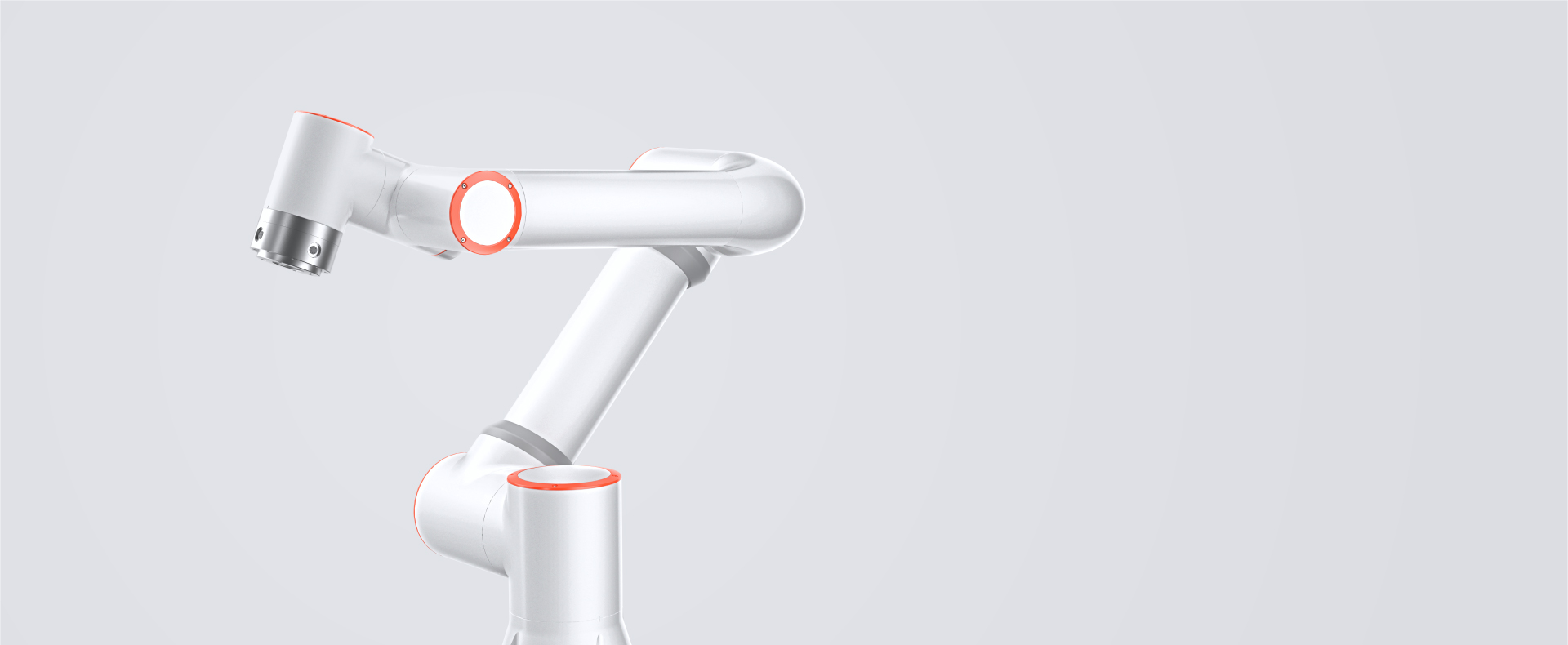
Japan and Korea are the comparison buyers in this region should keep in view. Fanuc, Yaskawa, and Kawasaki already sell arms with parts networks and safety files. Samsung's robotics push, including Rainbow Robotics, is aimed at warehouses and factories that can be visited. OpenAI's 2027 date does not compete with those installed bases. It competes with other humanoid programs that are also still proving a task. A sourcing lead in Jakarta or Seoul who needs a cell next year should buy the arm that has a local integrator. The humanoid belongs on a review agenda.
The conclusion is narrow and firm. OpenAI has committed, in its chief executive's words, to build a humanoid and to show something in 2027. The hiring list supports that the work includes hardware. Nothing in the public record supports a purchase order, a delivery slot, or a claim that this machine will be ready for an unsupervised shift in that year. Keep it on the watch list. Do not put it on the capital plan.
One more distinction is worth writing into the internal note. A demonstration in 2027 can slip by a quarter and still be the same program. A promise that robots will be on streets in 2027 would be a different claim, and Altman did not make it. The public record is the milder one. Hold vendors to the milder one when they paraphrase him.
Standard disclaimer: This article is for general information. It is not investment, legal, or purchasing advice. Specifications, dates, and commercial claims should be confirmed with the companies involved before any decision.