Om AI Links Edge Multimodal Models with Physical Artificial Intelligence Hardware at the World Artificial Intelligence Conference
Om AI used a World Artificial Intelligence Conference (WAIC) forum to detail edge-native multimodal models for physical artificial intelligence (AI) hardware, including latency, security, and deployment constraints.

Why does edge-native multimodality matter for physical artificial intelligence hardware?
Edge-native multimodal models process visual and sensor data directly on physical hardware rather than relying on cloud servers. This local processing eliminates network latency and ensures continuous operation in disconnected environments, which is essential for real-time autonomous navigation and safe physical interaction in industrial robotics.
The Shift Toward Edge-Native Embodied Architecture
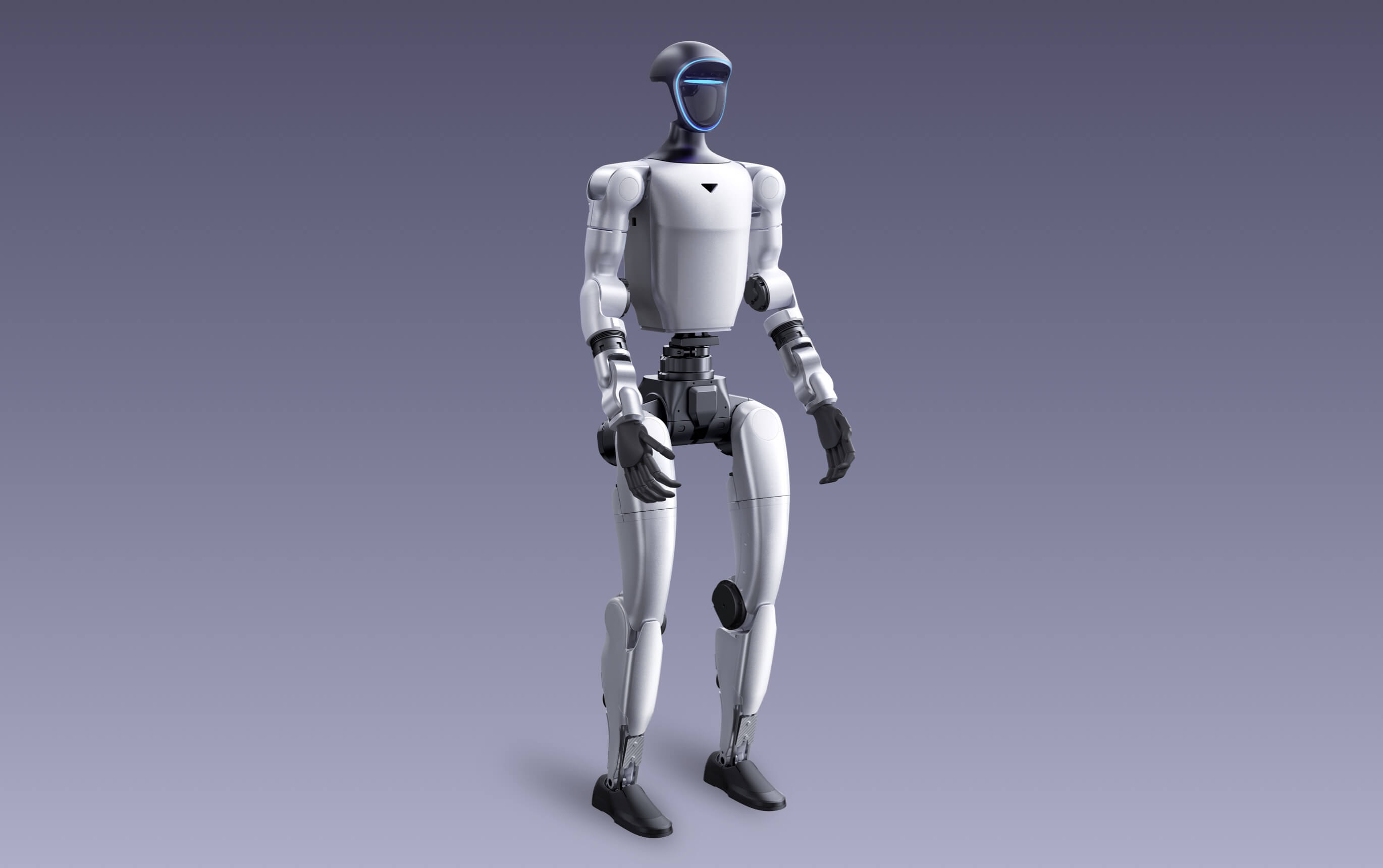
The deployment of physical artificial intelligence (AI) systems necessitates a rigorous evaluation of architectural approaches. The Om AI (Hangzhou Om AI Technology Co., Ltd.) forum at the 2026 World Artificial Intelligence Conference (WAIC) highlighted a distinct shift toward edge-native embodied architectures. Om AI, an AI company focused on terminal intelligence headquartered in Hangzhou, develops the VLX edge multimodal model base. This approach prioritizes processing data locally on the device rather than relying on continuous communication with cloud servers. The keynote presentation detailed the specific mechanisms by which edge-native models operate within the constraints of physical hardware.
Local processing offers significant advantages in scenarios requiring real-time physical interaction and autonomous navigation. By eliminating the latency associated with network roundtrips, edge-native systems can respond to environmental stimuli with the immediacy required for safe and effective operation. This is particularly crucial in dynamic environments where split-second decisions are necessary to avoid collisions or adapt to unforeseen changes. The architectural design of these systems must therefore focus on optimizing model efficiency to function within the power and compute limitations of the physical device.
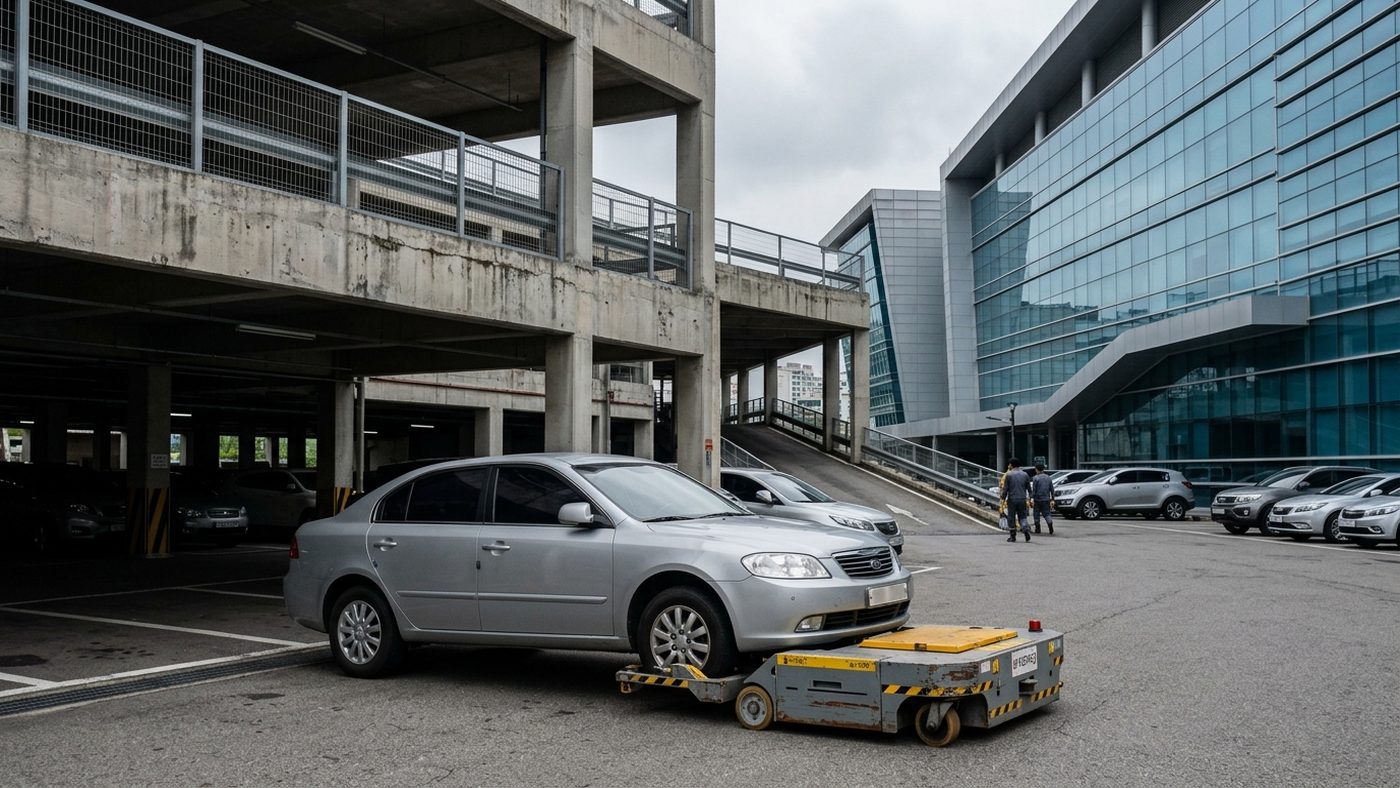
additionally, the edge-native approach addresses critical concerns regarding network dependence. Physical AI systems deployed in remote locations or environments with unstable connectivity cannot rely on cloud-centric architectures. Operating offline ensures continuous functionality regardless of network availability. This resilience is a fundamental requirement for applications ranging from industrial automation in remote facilities to autonomous vehicles addressing areas with poor signal coverage. The Om AI forum emphasized the necessity of building robust local processing capabilities to guarantee operational continuity. The event, co-organized by the Binjiang Institute of Zhejiang University and Zhejiang University, underscored the academic and industrial consensus on this architectural shift.
Security and Enterprise Deployment Considerations
The integration of AI into physical hardware introduces intricate security and privacy considerations. The WAIC forum included specific sessions addressing these challenges within the context of enterprise deployment, notably a keynote titled "Research on Embodied Intelligence and Edge AI System Security." Edge-native architectures offer inherent advantages in this domain by keeping sensitive data on the device. This localized approach minimizes the risk of data interception during transmission and reduces the attack surface associated with cloud storage.
For enterprise applications, data privacy is often a paramount concern. Physical AI systems, such as robots operating in healthcare facilities or autonomous agents handling proprietary manufacturing processes, generate and process highly sensitive information. By processing this data locally, organizations can maintain stricter control over their information assets and comply with stringent data protection regulations. The Om AI sessions detailed the security protocols and encryption methods necessary to safeguard data residing on the physical device.
However, deploying edge-native systems in enterprise environments also presents unique challenges. The hardware constraints of physical devices require highly optimized models that can deliver robust performance without exceeding power or thermal limits. This necessitates a tight integration between the AI software and the underlying hardware architecture. The forum discussions highlighted the importance of co-designing hardware and software to achieve the necessary balance between performance, efficiency, and security. The successful deployment of these systems depends on overcoming the friction associated with integrating intricate AI models into constrained physical environments. Another keynote, "Edge multimodal models enable enterprises to innovate and deploy real business scenarios," focused on the practical steps required to transition these technologies from the laboratory to the factory floor.
The Edge-Multimodal and AI-Hardware Collaboration Initiative
A central component of the Om AI forum was the release of the "Initiative for the Collaborative Development of End-End Multimodal Platforms and AI Hardware." While specific details about the initiative beyond its title are not available in primary sources, its announcement signals a strategic effort to encourage cooperation between AI model developers and hardware manufacturers. This collaboration is essential for addressing the integration dependencies that often bottleneck the commercialization of physical AI systems.
The development of effective physical AI requires a deep understanding of both the software algorithms and the hardware components that execute them. Multimodal models, which process various types of data such as vision, audio, and sensor inputs, demand significant computational resources. Integrating these models into physical devices requires specialized hardware accelerators, efficient memory management, and optimized power delivery systems. The collaboration initiative aims to bridge the gap between these two domains, facilitating the development of hardware platforms specifically designed to support edge-native multimodal models. This aligns with broader industry trends observed at WAIC, where the robot stack and full-stack integration are increasingly viewed as the primary product offering.
This collaborative approach is crucial for addressing the intricate failure modes associated with physical AI. When a robot fails to execute a task, the root cause could lie in the AI model's interpretation of sensor data, a communication error between hardware components, or a mechanical failure in an actuator. By encouraging closer collaboration between software and hardware developers, the industry can develop more robust diagnostic tools and integrated systems that are less susceptible to these intricate failure modes. The initiative represents a necessary step toward building reliable and scalable physical AI solutions.
Architectural Trade-Offs: Edge-Native Versus Cloud-Centric
The discussions at the Om AI forum underscore the fundamental architectural trade-offs involved in deploying physical AI. The choice between an edge-native approach and a cloud-centric approach dictates the capabilities, limitations, and operational requirements of the resulting system. The following table outlines the key considerations associated with each architecture.

Architecture trade-offs are analytical context supported by first-party materials. They are not a product ranking.
The edge-native approach, exemplified by the Om AI VLX, prioritizes low latency and operational independence. By processing data locally, these systems can achieve the real-time responsiveness required for physical interaction and autonomous navigation. additionally, the localized processing enhances privacy and security by keeping data on the device. However, this approach imposes significant constraints on the hardware, requiring highly efficient models that can operate within limited compute and power budgets. This architectural debate is central to the ongoing discussions surrounding embodied AI chips and controller architecture.
Conversely, the cloud-centric approach leverages the vast computational resources of remote servers. This allows for the deployment of larger, more intricate models capable of sophisticated reasoning and large-scale data processing. The physical device acts primarily as a sensor and actuator interface, transmitting data to the cloud for analysis and receiving instructions in return. This approach significantly reduces the compute requirements on the device itself. However, it introduces high latency due to network roundtrips and creates a strict dependence on continuous network connectivity. additionally, transmitting sensitive data to the cloud raises privacy and security concerns.
The selection of the appropriate architecture depends entirely on the specific requirements of the deployment scenario. Applications demanding immediate physical responses and operational resilience in disconnected environments necessitate an edge-native approach. Conversely, applications requiring intricate analysis of massive datasets, where latency is less critical, may benefit from a cloud-centric architecture. The Om AI forum highlighted the growing importance of edge-native solutions for the advancement of physical AI, emphasizing the need for efficient models and tight hardware integration.
Addressing Deployment Constraints and Integration Dependencies
The commercialization of physical AI systems is fundamentally constrained by the realities of hardware integration and deployment environments. The Om AI forum at WAIC provided a clear view of these challenges, moving beyond theoretical capabilities to address the practical friction of real-world implementation. The success of edge-native multimodal models depends on overcoming significant engineering hurdles.
One of the primary deployment constraints is the power budget of the physical device. Autonomous robots and remote sensors often rely on battery power, limiting the amount of energy available for computation. Edge-native models must be highly optimized to minimize energy consumption while maintaining acceptable performance levels. This requires advancements in model compression, quantization, and efficient hardware accelerators. The integration of these optimized models into the hardware architecture is a intricate process that requires careful balancing of performance and efficiency.
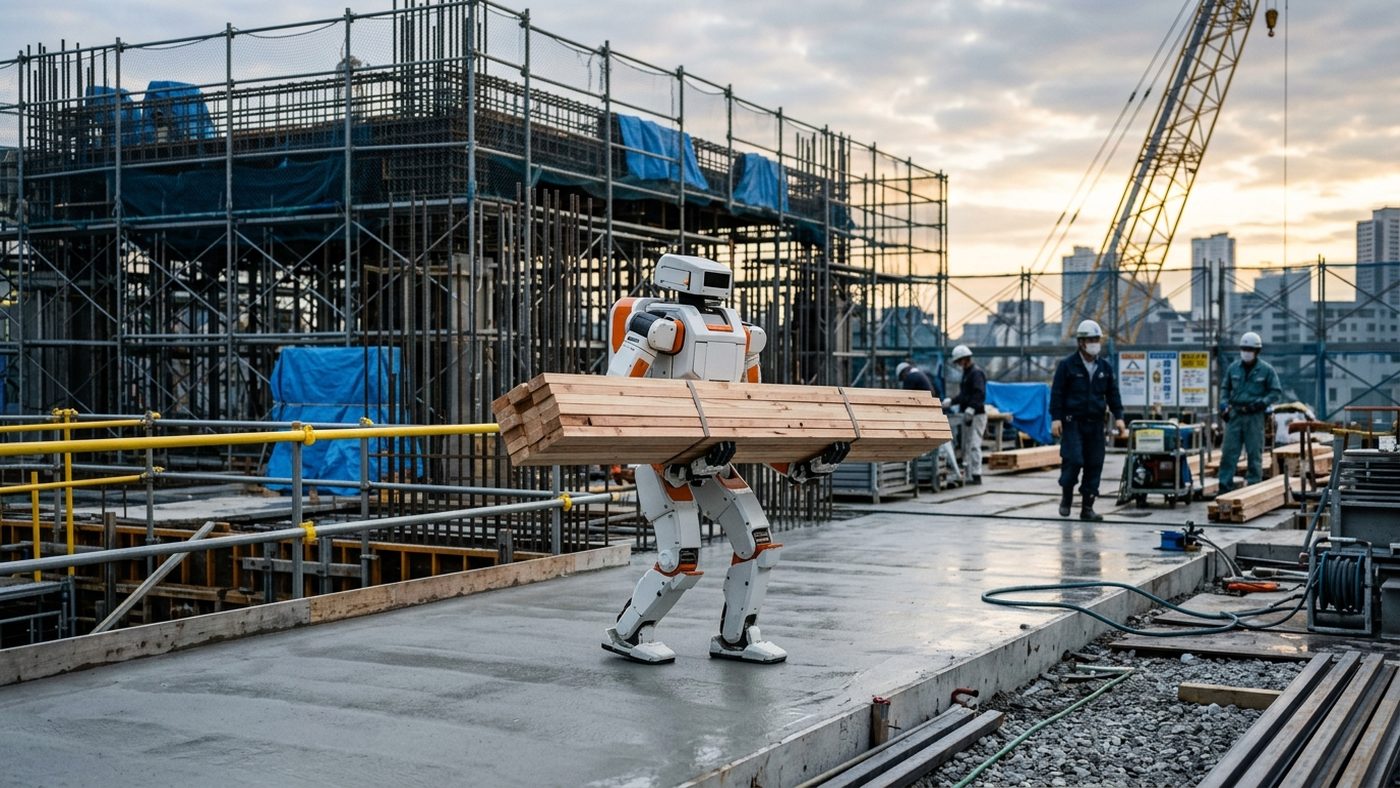
additionally, physical AI systems must operate reliably in unpredictable and dynamic environments. This requires robust sensor fusion capabilities, allowing the system to integrate data from multiple sources, such as cameras, LiDAR, and tactile sensors, to build an accurate understanding of its surroundings. The edge-native architecture must process this multimodal data in real-time, making split-second decisions to address obstacles and interact with objects safely. The failure modes in these scenarios are intricate and often involve a combination of sensor inaccuracies, algorithmic errors, and mechanical limitations.
The collaboration initiative announced at the forum represents a strategic response to these integration dependencies. By aligning the development of AI models with the design of physical hardware, the industry can create more cohesive and reliable systems. This requires a shift away from isolated component development toward a holistic approach that considers the entire system architecture. The Om AI forum highlighted the necessity of this integrated approach for the successful deployment of physical AI in enterprise and industrial settings.
Open Source Contributions to Physical AI
Om AI Lab maintains several open-source repositories on GitHub that provide practical tools for developers working on physical AI applications. These repositories offer a glimpse into the technical foundations of the VLX model base and its intended applications. The availability of these tools is a significant factor in accelerating the development and deployment of edge-native systems.
The VLX-Seek repository focuses on open-world visual understanding for physical AI. This capability is essential for robots operating in unstructured environments, allowing them to identify and classify objects that they may not have encountered during training. By providing a robust visual perception system, VLX-Seek enables robots to interact more intelligently with their surroundings.
Similarly, the VLX-Go repository addresses the challenge of open-world embodied AI navigation. Autonomous navigation requires a intricate interplay of perception, mapping, and path planning. VLX-Go provides a framework for developing navigation systems that can adapt to dynamic environments and address safely around obstacles. The VLX-Flow repository, which focuses on streaming vision language models (VLM) for real-time general vision intelligence, further enhances the capabilities of these systems by enabling them to process continuous streams of visual data.
Quotable insight: Edge-native architecture is not merely a technical optimization. For physical artificial intelligence systems, local processing changes latency, connectivity, data-control, and hardware-integration constraints.
This analysis captures the core rationale behind the development of edge-native multimodal models. The ability to process data locally and respond to environmental stimuli in real-time is the defining characteristic of these systems.
The Future of Edge-Native Physical AI
The developments presented at the Om AI WAIC forum indicate a clear trajectory for the future of physical AI. The emphasis on edge-native architectures reflects a growing recognition of the limitations of cloud-centric approaches for applications requiring real-time interaction and operational resilience. As AI models become more efficient and hardware accelerators become more powerful, the capabilities of edge-native systems will continue to expand.
The integration of multimodal models into physical devices will enable more sophisticated and nuanced interactions with the physical world. Robots will be able to understand intricate commands, interpret visual scenes, and adapt to changing environments with greater autonomy. However, realizing this potential requires overcoming significant engineering challenges related to power consumption, thermal management, and system reliability.
The collaboration between AI developers and hardware manufacturers will be critical in addressing these challenges. By co-designing software and hardware, the industry can create optimized platforms that maximize the performance and efficiency of edge-native models. The Om AI forum serves as a clear indicator of this strategic direction, highlighting the importance of architectural choices and hardware integration in the ongoing evolution of physical AI. The focus remains firmly on practical deployment constraints and the engineering solutions required to overcome them.
This analysis synthesizes company statements and public market activity.
Image credit: Om AI / WAIC
Disclaimer: This article is provided for informational purposes only and does not constitute investment, legal, technical, or business advice. It synthesizes verified primary-source materials available on July 19, 2026. Product specifications, event schedules, benchmarks, and performance claims remain subject to independent verification. Readers should conduct their own due diligence before making commercial or technical decisions.