FANUC Launches Initiative to Standardize 5-Axis Machining Compatibility
FANUC introduced a certification logo verifying that machine tools, post-processors, and CAD/CAM software work together correctly, aimed at cutting integration errors in five-axis aerospace part manufacturing.

A Compatibility Logo Aimed at a Real Manufacturing Bottleneck
FANUC launched a certification program Monday aimed at a problem that costs aerospace and precision manufacturers far more shop-floor time than any single machine's spindle speed or accuracy rating: getting a five-axis machine tool, its numerical control, its post-processor software, and its CAD/CAM design system to actually agree with each other. The Japanese automation giant's new 5-Axis Integrated Technology Initiative certifies combinations of machine tools, post-processors, and CAD/CAM systems that meet its latest five-axis compatibility requirements, letting qualifying products display a shared logo so a buyer can identify a compatible stack before committing to a purchase rather than discovering a mismatch after installation.
The initiative targets intricate-part manufacturing, work that increasingly means aerospace structural components, turbine blades, and other geometries that cannot be machined on a standard three-axis mill and require simultaneous five-axis motion, where the cutting tool and the workpiece both move along multiple axes at once. FANUC frames the goal as reducing machining time, improving accuracy, stabilizing quality, easing machine startup, and cutting the operational burden on machinists, a list that reads like a direct response to complaints procurement and manufacturing engineering teams have voiced for years about five-axis programming in practice.
Why the Software Stack Breaks More Often Than the Hardware
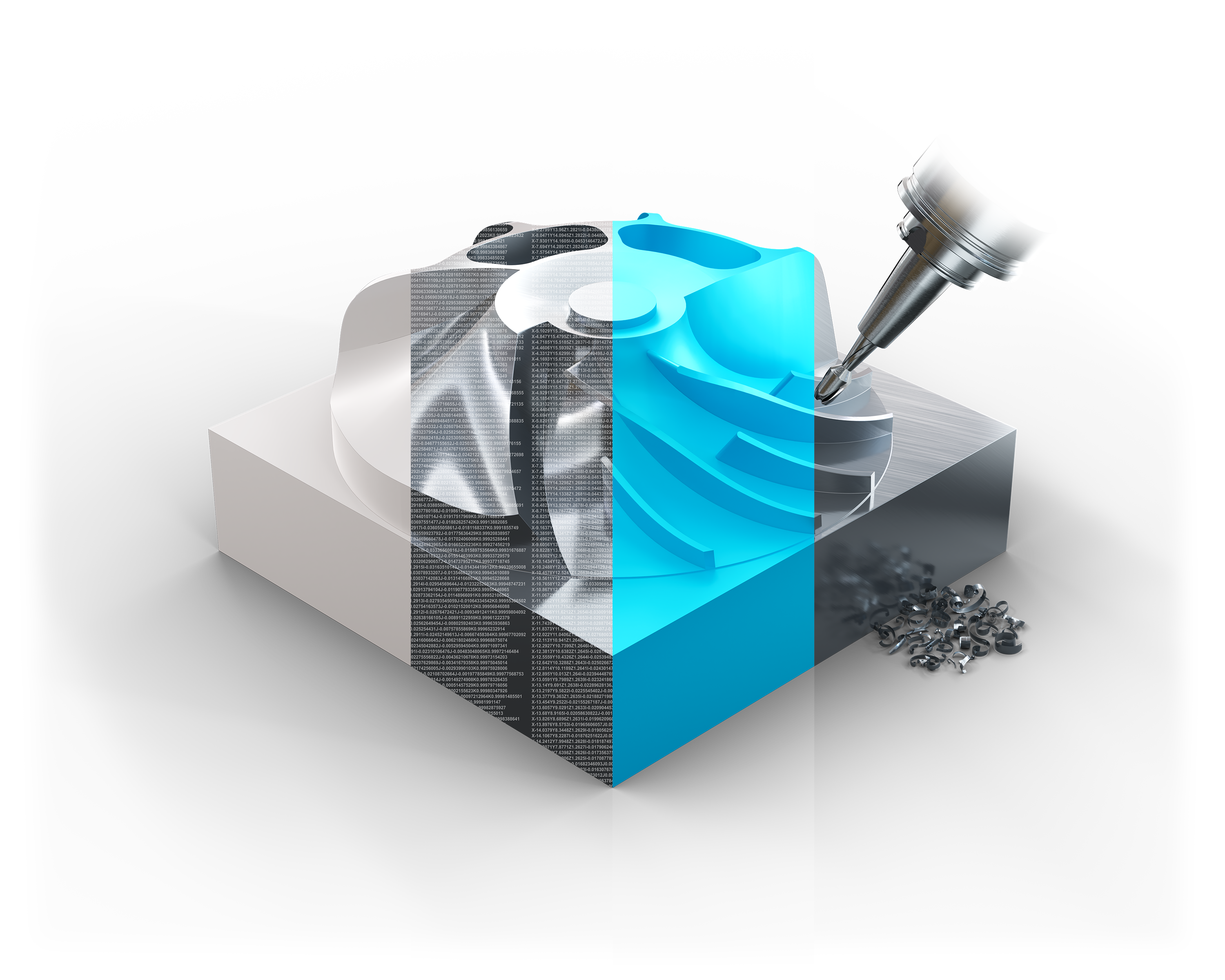
The underlying problem the initiative addresses is more mundane than it sounds and more expensive than most manufacturers admit publicly. A five-axis machine tool's actual cutting motion depends on a chain of software translations: a CAD/CAM system generates a toolpath based on a part's geometry, a post-processor converts that toolpath into machine-specific code accounting for the exact kinematic configuration of that particular machine's rotary axes, and the numerical control then executes that code in real time while compensating for the machine's specific mechanical characteristics. If any link in that chain, the post-processor's model of the machine's geometry, the CAD/CAM system's assumptions about tool orientation limits, or the control's own kinematic calibration, is even slightly out of sync with the others, the result is a toolpath that looks correct on screen but produces a collision, a dimensional error, or a scrapped part on the actual machine.
That failure mode is why five-axis programming has historically required specialist programmers who understand one specific combination of machine, control, and CAD/CAM software intimately, rather than being a portable skill that transfers cleanly between shops running different equipment brands. It is also why manufacturers standardizing on FANUC controls but sourcing machine tools, CAD/CAM licenses, and post-processors from separate vendors, a common setup, have historically absorbed the integration risk themselves, verifying compatibility through trial and error on the shop floor rather than relying on a vendor guarantee. FANUC's certification logo is an attempt to shift that verification burden earlier, onto the vendors who already have the technical relationship and the incentive to test their products against each other before a customer's part program ever runs.
What the Certification Actually Buys a Manufacturing Buyer
For a manufacturing engineering or procurement team specifying new five-axis capacity, the immediate practical value of the certification logo is a shortcut through vendor due diligence that is otherwise slow and expensive to perform independently. Confirming that a specific machine tool model, paired with a specific post-processor and a specific CAD/CAM package, will run reliably in five-axis simultaneous mode typically requires either a proof-of-concept part run at the vendor's demonstration facility or a costly trial period after installation, both of which extend the time between capital approval and productive output. A recognized compatibility mark does not eliminate the need for that validation entirely, but it narrows the field of untested combinations a buyer needs to evaluate, similar in function to interoperability certification programs in other industries where a shared logo signals that two vendors have already done the integration testing a customer would otherwise have to do themselves.
The certification is also a signal worth reading carefully rather than treating as a blanket guarantee. It confirms that a given machine tool, post-processor, and CAD/CAM combination meets FANUC's specified requirements for its latest five-axis functions as tested by the participating vendors, not that any arbitrary part geometry or material will machine correctly on that setup without further programming work. A buyer evaluating a capital purchase should still confirm which specific control version, post-processor release, and CAD/CAM version carry the certification, since software updates on any side of that chain can, in principle, reintroduce the mismatches the certification is meant to prevent. Aerospace suppliers in particular, who typically operate under strict process qualification requirements from prime contractors, will need to confirm whether a certified combination also satisfies their existing AS9100 or customer-specific process documentation, since a compatibility logo from an equipment vendor is not itself a substitute for a qualified manufacturing process record.
FANUC Is Not the Only Control Vendor Chasing This Problem
FANUC is one of several major control system builders competing for the same five-axis machining business, alongside Siemens, Heidenhain, and control offerings built directly into machine tools from Mazak, DMG Mori, and other major builders. Each of those vendors has its own approach to the same underlying compatibility problem, ranging from proprietary machine tool and control bundles sold as a single integrated package to open standards efforts aimed at making post-processor and CAD/CAM compatibility less dependent on any single control brand. FANUC's certification initiative sits closer to the latter model in spirit, since it explicitly brings in independent machine tool builders and third-party CAD/CAM and post-processor vendors rather than restricting the program to FANUC's own hardware, but it remains a FANUC-branded compatibility mark rather than an industry-wide standard, meaning a shop running Siemens or Heidenhain controls gets no direct benefit from it regardless of how well designed the underlying certification criteria turn out to be.
That distinction matters for a manufacturer weighing which control ecosystem to standardize on for new capital equipment, a decision that typically locks a shop into one vendor's software and support relationships for a decade or more given how long machine tools stay in service. A buyer already committed to FANUC controls gains a genuine, near-term benefit from this initiative in the form of reduced integration risk on new five-axis purchases. A buyer still evaluating which control platform to standardize on should treat the existence of a compatibility certification program as one data point among several, alongside total cost of ownership, local service and applications-engineering support, and how well each vendor's ecosystem covers the specific part geometries and materials the shop actually intends to machine, rather than as a decisive factor on its own.
A Robotics Company Solving a Machine Tool Problem
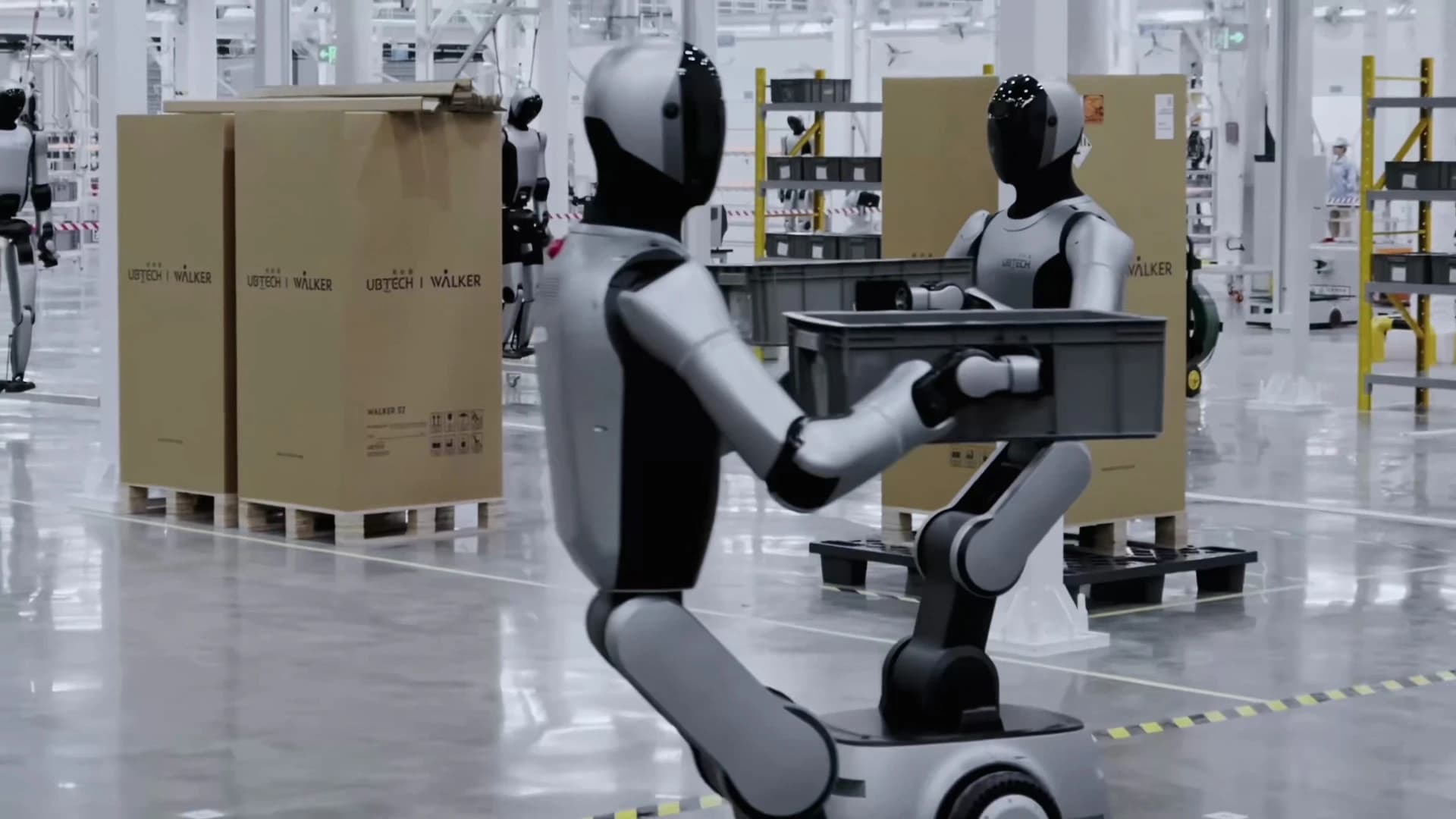
FANUC's core business outside CNC controls is industrial robot arms, and the company's five-axis initiative is a reminder of how tightly integrated machining and robotic automation have become on a modern factory floor. Aerospace and precision manufacturers increasingly pair five-axis machining centers with robotic part loading, deburring, and inspection cells from the same automation vendor, and a control ecosystem that reduces machining errors upstream also reduces the downstream burden on any robotic system handling parts after they come off the machine, since a robot cell built around expected part dimensions has to handle far more exceptions when the machining process itself is inconsistent. FANUC's willingness to build an open, multi-vendor certification program around its controls, rather than keeping the compatibility advantage proprietary to its own machine tool relationships, is consistent with a company whose broader strategy already depends on its automation and robotics products working reliably alongside equipment it does not manufacture itself.
The Timing Reflects Where Aerospace Production Is Actually Heading
The initiative's aerospace framing lines up with a manufacturing environment where structural part geometries have been growing more intricate faster than the supply of experienced five-axis programmers. Commercial aircraft production rates have been climbing back toward pre-pandemic levels across multiple airframe programs, and the structural components involved, ribs, spars, and monolithic titanium or aluminum parts machined from solid billet, are exactly the geometries that require simultaneous five-axis motion rather than simpler three-axis or three-plus-two positioning. A manufacturer adding five-axis capacity to meet that demand faces a genuine skills bottleneck: experienced five-axis programmers take years to train, and a certification program that reduces how much of that expertise has to live inside one company's engineering staff, because more of the compatibility burden has already been resolved upstream by the equipment vendors, directly addresses a capacity constraint that specialist headcount alone cannot solve quickly.
That also explains why FANUC built this as a multi-vendor certification rather than a proprietary lock-in play limited to its own machine tool partners. A manufacturer standardizing on FANUC controls still typically buys machine tools from independent builders and CAD/CAM software from separate specialists, and a certification scheme that only worked within a single vendor's closed ecosystem would do little to solve the cross-vendor compatibility problem that actually causes programming failures on real shop floors. By certifying combinations across machine tool builders, post-processor developers, and CAD/CAM vendors, FANUC is betting that reducing integration risk across the broader ecosystem, rather than trying to own every layer of the stack itself, is what actually earns it more control business as manufacturers expand five-axis capacity.
For a buyer currently specifying new machining capacity, the practical takeaway is straightforward: ask any machine tool or software vendor bidding on a five-axis project whether their specific configuration carries FANUC's certification, and treat the absence of that mark as a prompt for more rigorous independent validation before committing capital, not as a disqualifier on its own, since plenty of reliable five-axis setups will predate or fall outside this specific certification scheme.
Disclaimer: This article is for general information purposes only and does not constitute investment, legal, or procurement advice. Readers should verify details with primary sources before making business decisions.