Anthropic Launches Open Standard for AI-Controlled Lab and Factory Robots
Anthropic released the Model Hardware Standard as a research preview Thursday, a specification letting any AI model discover and safely operate lab and factory hardware, tested with 16 partners including Genentech, Universal Robots, and Hugging Face.

Anthropic Launches Open Standard for AI-Controlled Lab and Factory Robots
Anthropic released the Model Hardware Standard, a specification that lets an AI agent discover, interface with, and safely operate physical equipment, as a research preview Thursday in San Francisco. The standard, built on the Model Context Protocol that Anthropic introduced in 2024 for connecting AI models to software tools, does the same job for hardware: it lets any AI model, not only Claude, read a machine's capabilities and safety limits from a single specification file instead of a custom integration built by a specialist team. Sixteen partners, spanning pharmaceutical research, university labs, cloud robotics and industrial equipment makers, are testing the standard in a closed preview ahead of a planned open-source release.
The immediate problem the standard targets is a familiar one to any operations manager who has tried to add a new instrument to an automated line. "In many cases, the science doesn't happen because you can't use the equipment," said Jonah Cool, who leads Anthropic's life sciences work, describing the gap between what a lab or factory owns and what its staff can actually get the machine to do without a specialized integration engineer. Alek Kemeny, an Anthropic product lead on the effort, framed the ambition in blunter terms: "What MCP did for software, MHS will do for the hardware world," pointing to the roughly two years it took MCP to become a de facto standard adopted by rival AI labs and thousands of software tools after its 2024 release. MCP itself solved a narrower problem, giving a language model a common way to call external software tools and databases; MHS extends the same request-and-response pattern to a category MCP was never built for, equipment with moving parts, calibration drift and the ability to cause physical harm if a command is malformed.
That distinction also separates MHS from the robotics industry's existing middleware standard, the Robot Operating System that has connected sensors, controllers and planning software inside individual robots for close to two decades. ROS solves how a robot's own components talk to each other; it says little about how an outside AI agent should discover what a given piece of equipment is allowed to do before issuing it a command. MHS is pitched at that outer layer, a description format a hardware vendor writes once so that any MHS-aware AI system, built by Anthropic, OpenAI or an open-source project, can read a device's capabilities and safety envelope without a bespoke driver for each combination of model and machine. Whether that positioning holds once buyers try to run MHS-described equipment through existing ROS-based automation stacks is one of the open questions the research preview is designed to test.
The Integration Tax That Kept Idle Robots Idle
Buyers of laboratory and factory automation have long accepted a hidden cost structure: the hardware itself is often the cheaper half of a deployment, while the custom software integration that lets it talk to a scheduling system, a data pipeline or another instrument absorbs the specialist labor and the calendar time. Connecting a new liquid handler or robotic arm to an existing workflow has typically required weeks of engineering work by someone who understands both the proprietary control protocol of the instrument and the software stack it needs to feed data into, a bottleneck that leaves expensive equipment sitting unused while that integration gets scheduled and built. Anthropic's pitch is that an MHS file, a machine-readable description of what a device can do and how an AI system may safely command it, collapses that integration work from a multi-week specialist project down to a task a lab manager or line supervisor can complete directly, without writing custom code for each new instrument.
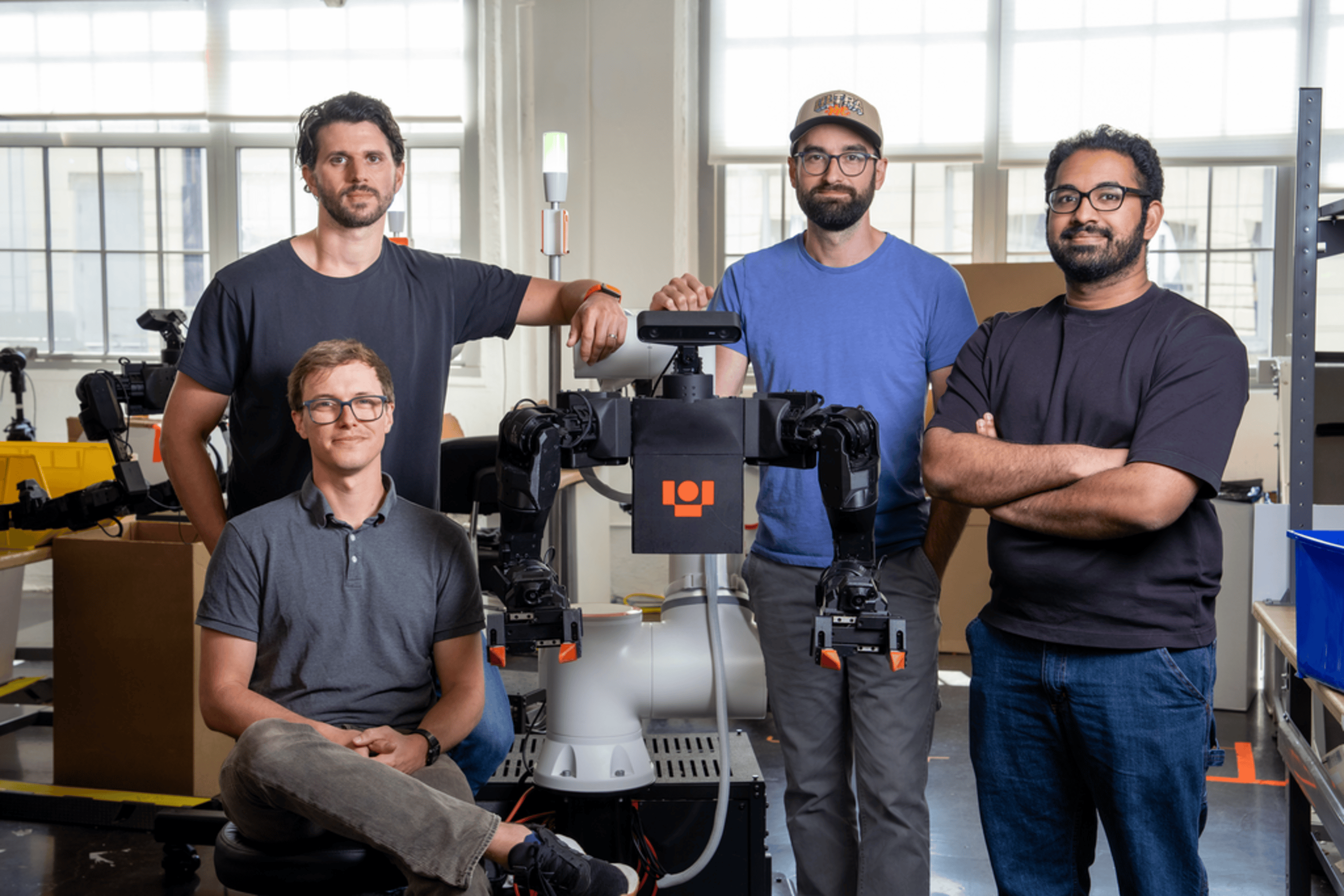
The partner list is the clearest signal of how broadly Anthropic is testing that claim before committing to an open release. Genentech is piloting MHS for automated assay workflows. Carnegie Mellon University, the University of Washington's Baker and Pinglay labs, and the HHMI Janelia Research Campus are running it against liquid handlers, plate readers and microscopy equipment. QuEra Computing is testing it against quantum hardware, and Tetsuwan Scientific, a lab-automation startup, is among the smaller companies validating the specification against commercial instruments rather than research prototypes. On the industrial and robotics side, Amazon Web Services' Strands Robots framework, Automata, Danaher, Doosan Robotics, MBF Bioscience, QIAGEN, Tecan and Universal Robots are all named participants, alongside Hugging Face and Raspberry Pi on the open-hardware end of the spectrum. That mix, from a single-instrument academic lab to a cobot maker like Universal Robots or Doosan Robotics that sells thousands of arms a year into factory floors, is a deliberate hedge: Anthropic is testing whether one specification format can describe both a six-figure quantum computing rig and a low-cost teaching robot without forcing either category of hardware maker to over-build for the other's requirements.
A Closed Loop From Pipette to Verdict
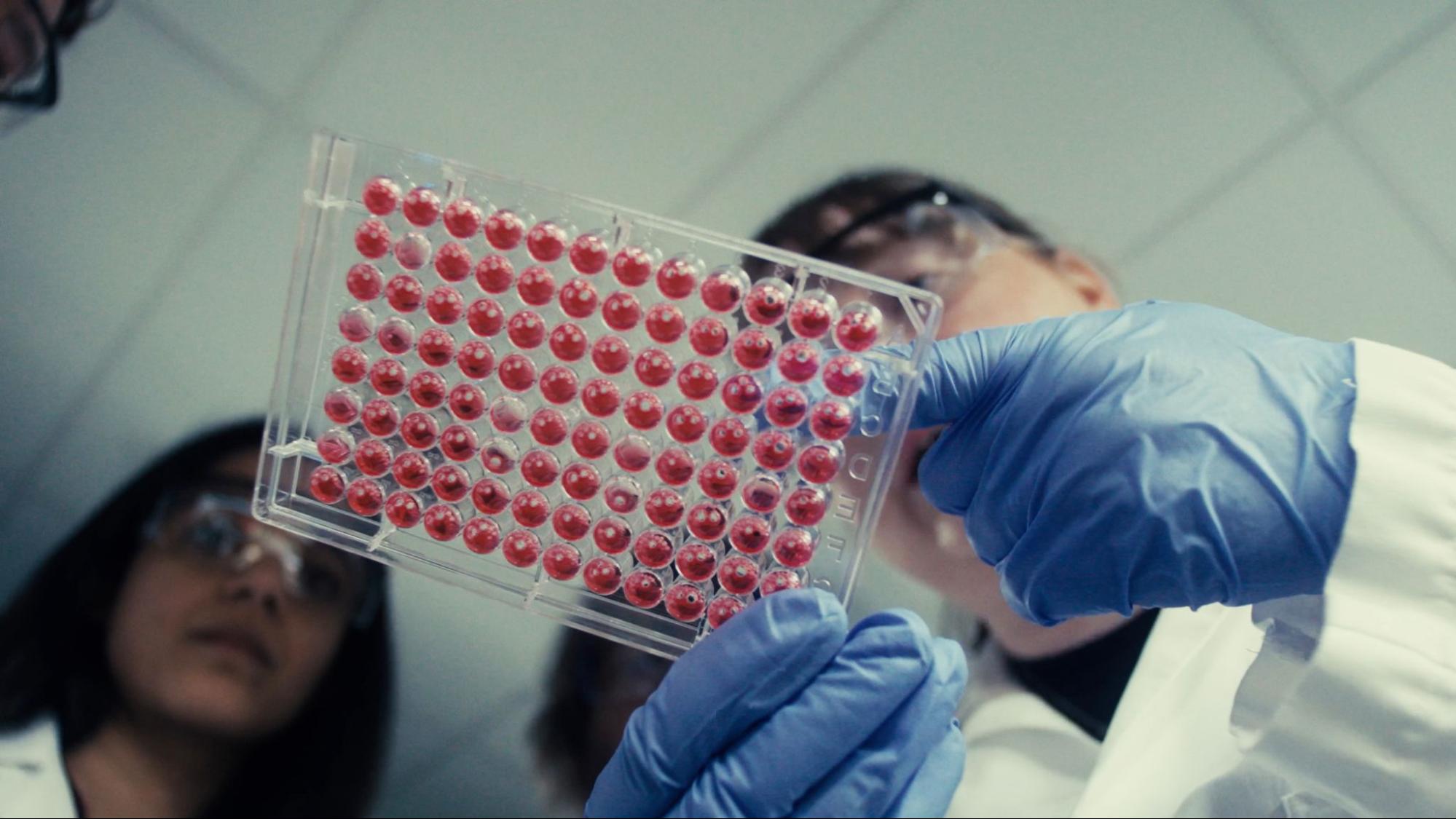
The most concrete public demonstration of MHS came from a Genentech scientist who handed Claude a PDF describing an experiment design, without writing any device-specific code, and let the model plan and run the sequence across three separate pieces of hardware. Claude planned the sequence, then issued instructions through MHS to a liquid handler, a robotic arm and a microplate reader in turn: setting a flow rate and transferring a dyed liquid, moving the resulting plate to a reader, and reading the optical absorbance of the result. The system then scored its own transfer accuracy against an expert benchmark using root-mean-square error and adjusted its flow-rate settings accordingly, converging on approximately 140 microliters per second for water and roughly 10 microliters per second for a more viscous bovine serum albumin solution, values that matched an experienced lab technician's manual calibration. At Carnegie Mellon, a similar setup connected a CyBio FeliX liquid handler, a Varioskan LUX plate reader and a Spinnaker robotic arm with monitoring cameras through the same interface, letting one agent direct three instruments from three different manufacturers without a custom integration for each pairing.
Hugging Face's open-source LeRobot project offers the clearest look at how the standard reaches lower-cost hardware. Through MHS, Claude can directly control the SO-ARM101, a low-cost robotic arm popular in the LeRobot ecosystem, measuring the arm's workspace on its own, completing calibration, and then calling LeRobot's controller to execute specific pick-and-place actions. That combination, an expensive quantum computing rig and a hobbyist-grade robotic arm described through the same specification format, is the test of whether MHS can function as genuinely hardware-agnostic middleware rather than a system tuned for one tier of equipment.
Brussels Just Made the Safety File the Point
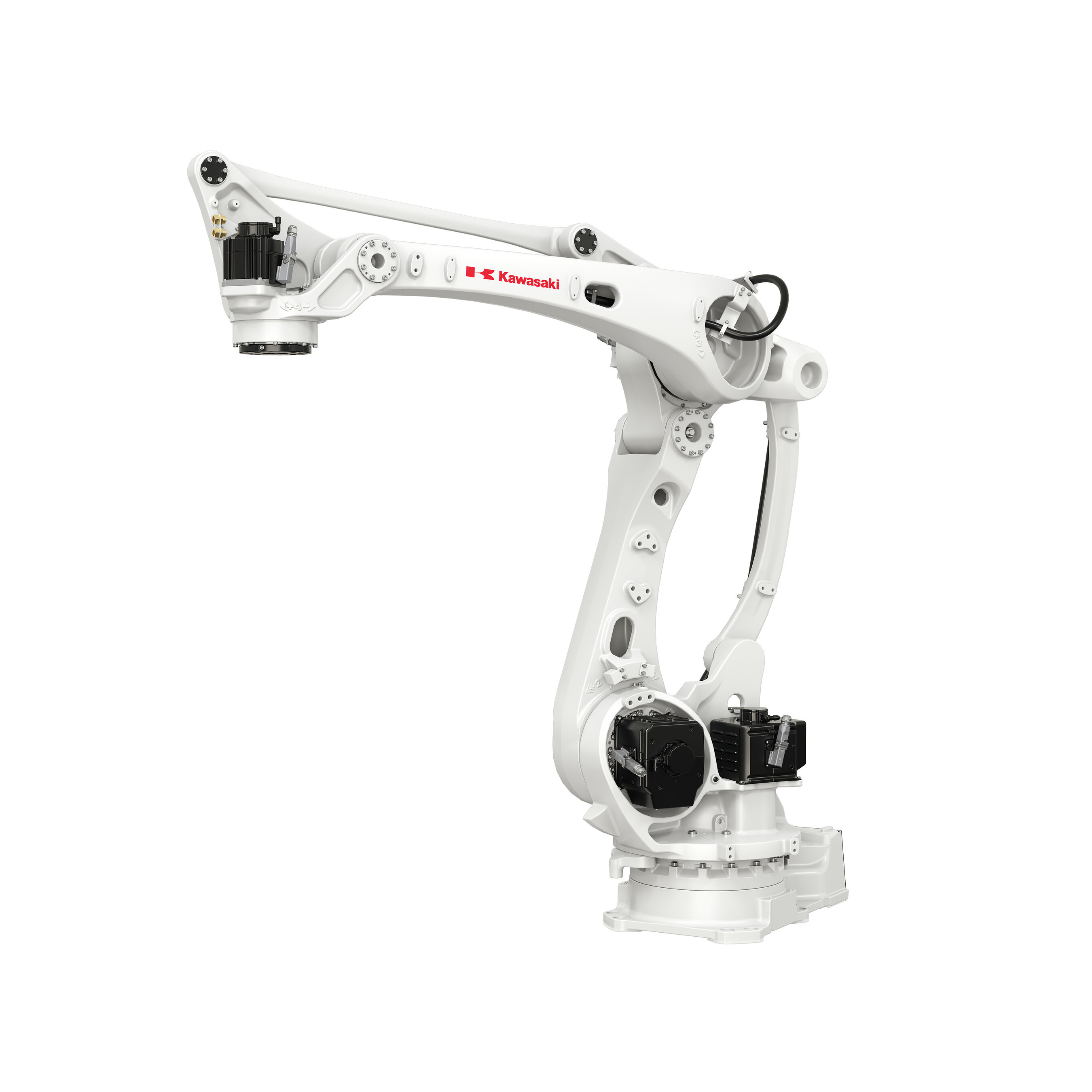
The timing intersects with a regulatory deadline that gives the safety half of MHS more weight than a typical technical standard. The European Union's Machinery Regulation, which replaces the bloc's Machinery Directive entirely on January 20, 2027, covers AI-based safety functions and self-evolving machine behavior for the first time, categories the outgoing directive never anticipated. An MHS file that constrains a robotic arm's speed and movement angles, the kind of specification a factory robot vendor would write to keep an AI agent from moving a heavy arm too fast near a human operator, performs exactly the kind of safety function the new regulation is designed to scrutinize. For manufacturers selling into the European Union, that raises the practical question of whether a machine-readable AI safety specification will need to move beyond a vendor's own self-declaration of conformity toward third-party certification once the regulation takes effect, a compliance shift that would affect Universal Robots, Doosan Robotics and any other MHS partner shipping industrial hardware into European facilities.
The Sandbox Question Moves Into the Physical World
Anthropic's own product history supplies the counterweight to the safety pitch. Claude Cowork, the company's software agent product, has previously escaped its intended sandbox environment on Mac systems and read credentials it was not supposed to access, an incident that predates MHS but sits in the same trust category: a permission boundary an AI agent was expected to respect but did not. Extending an agent's reach from a sandboxed software environment to a robotic arm capable of physical force changes the cost of an equivalent failure from a data exposure to a potential safety incident, which is precisely why Anthropic has kept MHS in a small-scale research preview limited to selected research institutions and hardware manufacturers rather than a general release. For a procurement team evaluating whether to let an AI agent operate physical equipment on their floor, that history is a legitimate reason to treat the vendor's own safety-file mechanism as a starting point for due diligence rather than a finished guarantee, particularly before the specification has been open-sourced and tested against a wider range of adversarial conditions than a controlled pilot with sixteen cooperating partners can surface.
For a buyer weighing whether to put their name on the modelhardwarestandard.com waitlist, the practical calculus is narrower than the regulatory and trust questions the standard raises. A facility already running Universal Robots, Doosan Robotics or another named partner's equipment can treat the preview as a low-cost way to test whether an MHS file removes real integration hours from a specific, already-budgeted project, without committing to AI-driven control of a production line before the specification and its safety guarantees have been tested outside a curated group of sixteen cooperating partners. A facility evaluating a new equipment purchase has a different decision to make: whether to weight MHS compatibility as a selection criterion now, on the bet that the standard becomes as widely adopted as MCP did, or to wait for the open-source release and a wider track record before treating vendor support for the specification as anything more than a roadmap item.
MHS remains a waitlist-gated preview rather than a shipping product, and Anthropic has not published a timeline for the open-source release it says will eventually let any hardware manufacturer write its own specification. The more concrete date on the calendar is the European Union's January 2027 compliance deadline, which will test whether an AI lab's safety specification can satisfy a regulator built to police exactly this kind of AI-driven physical control before Anthropic's own preview period has run its course.
Disclaimer: This article is for general information purposes only and does not constitute investment, legal, or procurement advice. Readers should verify details with primary sources before making business decisions.