AeroVironment Wins US$51 Million Army Order for Switchblade 600
AeroVironment booked a second Switchblade 600 loitering-munition order from the U.S. Army in six months, a US$51 million draw against its five-year IDIQ contract that signals the Army now treats the systems as a recurring, replenishment-driven buy rather than a one-off purchase.

A US$51 Million Order Shows How the Army Now Buys Loitering Munitions
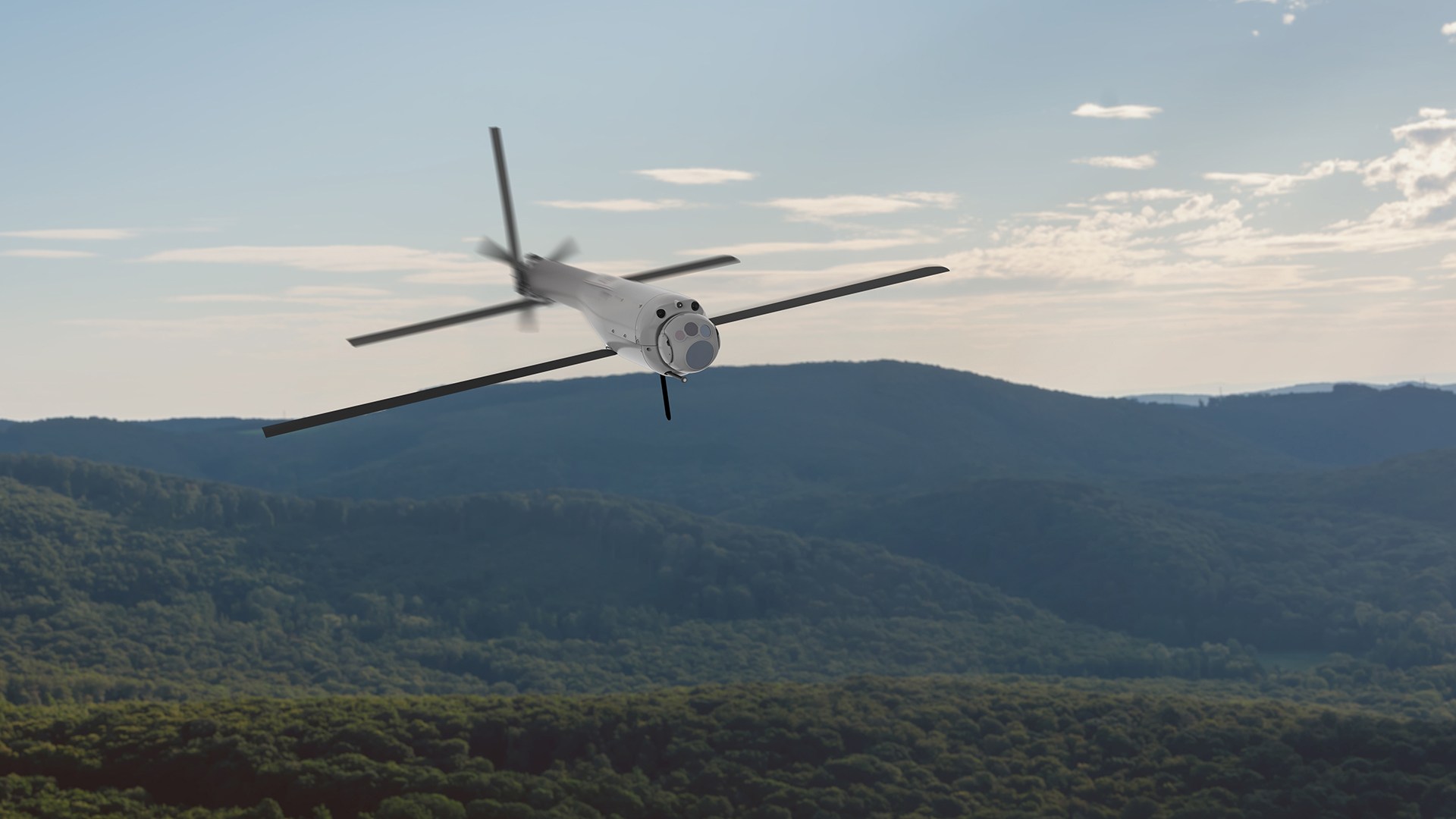
AeroVironment said Wednesday it received a US$51 million delivery order from the United States Army for additional Switchblade 600 Block 2 loitering munition systems, alongside a smaller allotment of Switchblade 600 Block 1 units destined for a foreign military sale to an undisclosed allied nation. The order was issued under the Army's existing five-year, US$990 million indefinite-delivery, indefinite-quantity contract for Lethal Unmanned Systems, a vehicle originally awarded in August 2024 that the service has now drawn on repeatedly rather than negotiating a fresh contract for each delivery. AeroVironment, headquartered in Arlington, Virginia and led by chief executive Wahid Nawabi, is a publicly traded maker of small unmanned aircraft and loitering munitions, best known for the Switchblade family and the Puma reconnaissance drone, and this is its second disclosed Switchblade order from the Army in six months, following a US$186 million delivery order announced in February.
The mechanism matters as much as the dollar figure. An IDIQ contract structure lets the Army draw down against a pre-negotiated ceiling through individual delivery orders rather than running a new competitive procurement cycle every time it needs more units, which compresses the time between a stated operational requirement and units reaching units in the field from what would otherwise be a multi-year acquisition process down to a matter of months. For a defense contractor, repeated draws against the same IDIQ vehicle function less like a series of one-off wins and more like a recurring revenue channel with a known ceiling, in this case US$990 million over five years, that the company can plan production capacity and supply-chain commitments against with more confidence than a backlog built entirely on discrete, independently negotiated contracts.
What Block 2 Actually Adds Over the Original Switchblade
Switchblade 600 Block 2 is not a minor variant of the original system. It was developed in collaboration with United States Special Operations Command and is built for multi-domain operations, ruggedized specifically for maritime and other highly contested electromagnetic environments where earlier loitering munitions have struggled to maintain reliable command and control. The Block 2 configuration adds upgraded avionics and an automatic target recognition system AeroVironment calls SPOTR AiTR, intended to speed the detection-to-engagement sequence against moving or camouflaged targets without requiring an operator to manually track a target through the entire engagement window. It also incorporates Silvus MANET radios, mesh-networking hardware that allows a formation of loitering munitions or supporting systems to hand off tracking and control data between units and extend the effective operating range beyond what a single point-to-point radio link could sustain, and includes improved navigation for GPS-degraded or GPS-denied environments, a capability that has become a standard requirement rather than a premium feature as electronic-warfare jamming has become routine in contested airspace.
Each of those upgrades maps directly onto lessons that have become widely discussed in modern drone warfare over the past several years: contested electromagnetic environments where GPS and radio links cannot be assumed reliable, the operational value of networked rather than isolated systems, and the premium placed on automated target recognition when engagement windows are measured in seconds rather than minutes. AeroVironment building those specific capabilities into Block 2, rather than treating the original Switchblade 600 as sufficient, reflects a broader shift across the loitering-munition category toward systems designed for contested, networked combat conditions rather than the more permissive operating environments earlier generations were built around.
Reading the Recurring Order as a Procurement Signal
For a defense-sector supplier or systems integrator evaluating where to position component or subsystem offerings, the pattern of repeated Army draws against the same Lethal Unmanned Systems IDIQ is a more useful signal than the dollar figure of any single order. A US$51 million order is modest against AeroVironment's overall revenue base, but its significance lies in what a second draw within six months against the same vehicle indicates about the Army's underlying consumption rate for this category of system. An IDIQ contract with a five-year, US$990 million ceiling that the Army is drawing against roughly every few months, rather than in occasional large tranches, suggests the service is treating loitering munitions less as a specialty capability procured for specific contingencies and more as a standing consumable inventory item that requires continuous replenishment, closer in acquisition behavior to ammunition than to a traditional weapons platform bought in discrete production lots.
That shift in acquisition behavior has direct implications for suppliers further down AeroVironment's own supply chain. A company selling a steady, replenishment-driven volume rather than lumpy, contingency-driven orders needs sensors, propulsion components, radios, and airframe materials at a matched cadence, which creates a more predictable, if lower-margin-per-unit, opportunity for component suppliers who can commit to that production rhythm than the boom-and-bust pattern that has historically characterized defense hardware procurement. Suppliers positioning themselves for the loitering-munitions category should read the frequency of AeroVironment's IDIQ draws, not just their size, as the more reliable indicator of sustained demand.
The Foreign Military Sale Component Signals Wider Adoption
The Block 1 units included in this order for a foreign military sale to an unnamed allied nation are a smaller detail but a strategically relevant one. Foreign military sales require U.S. government approval on top of the underlying commercial transaction, and their inclusion in a routine domestic Army delivery order indicates the ally in question already has an approved pathway to receive Switchblade systems rather than being in an early, unresolved approval process. Allied demand for a system already validated by an approver like the U.S. Army functions as a form of second-party due diligence for other prospective foreign buyers evaluating the same platform, since it demonstrates the system has cleared not only a technical evaluation but an export-control and diplomatic approval process that can otherwise take years to complete for a sensitive lethal system.
Why Combat Data Now Shapes Every Design Decision
Loitering munitions moved from a specialty niche to a mainstream procurement category largely because of how visibly effective and how visibly vulnerable early designs proved to be in recent conflicts, and Block 2's specific upgrades read as direct responses to that operational record rather than speculative feature additions. Electronic-warfare jamming of GPS signals and command links has become a routine countermeasure against loitering munitions in contested airspace, which is why GPS-degraded navigation and mesh-networked radios are no longer differentiators but baseline requirements for any system expected to survive a serious near-peer electronic-warfare environment. Automatic target recognition addresses a related, more human problem: an operator manually tracking a moving target through final approach is a single point of failure that a jammed video feed or a lost link can defeat instantly, while an onboard recognition system that can complete an engagement with degraded or intermittent connectivity is measurably more resilient. Reading Block 2's feature list against that operational backdrop makes clear the upgrade path is defensive engineering driven by observed battlefield attrition patterns, not an incremental product refresh timed to a sales cycle.
The Order Lands Alongside a Broader Financial Disclosure Cycle
AeroVironment's Switchblade order arrived the same week the company confirmed the date for its first-quarter fiscal 2027 earnings call, a scheduling detail that matters to investors and integrators tracking the company's order backlog trajectory rather than to the immediate operational story. Public defense contractors disclose material contract awards as they are received rather than waiting for a quarterly filing, which is why a delivery order of this size becomes public the same week it is booked instead of surfacing only in a subsequent earnings report. For an investor or supply-chain partner building a model of AeroVironment's near-term revenue visibility, treating each disclosed IDIQ draw as an independent data point, rather than waiting for the aggregated quarterly number, is the more current way to track the drawdown pace against the underlying US$990 million contract ceiling described above.
What Buyers and Competitors Should Track From Here
For a systems integrator or allied defense ministry assessing AeroVironment against competing loitering-munition suppliers, the more informative metric going forward is less this specific US$51 million figure than the drawdown pace against the full US$990 million IDIQ ceiling. At the current rate of roughly one disclosed order every few months, the contract vehicle has years of remaining capacity, which gives AeroVironment a multi-year visibility window into Army demand that few of its competitors can currently match from a single disclosed contract. A rival supplier trying to displace AeroVironment within this specific vehicle would need to win a separate competitive award rather than simply offering a lower per-unit price against an existing IDIQ, since the Army has already established its primary Lethal Unmanned Systems channel and shows no sign of slowing its draws against it. That structural advantage, a large, already-awarded, multi-year contract vehicle that the customer keeps returning to, is the more durable competitive position than any individual delivery order, and it is the detail worth tracking across AeroVironment's next several quarterly disclosures.
Disclaimer: This article is for general information purposes only and does not constitute investment, legal, or procurement advice. Readers should verify details with primary sources before making business decisions.