
New Jersey Bill S1677 Mandates Lidar for Robotaxis, Challenging Tesla's Camera-Only Approach
New Jersey's proposed S1677 bill requires autonomous vehicles to use redundant sensor modalities, effectively blocking Tesla's camera-only Robotaxi from operating in the state without hardware changes.
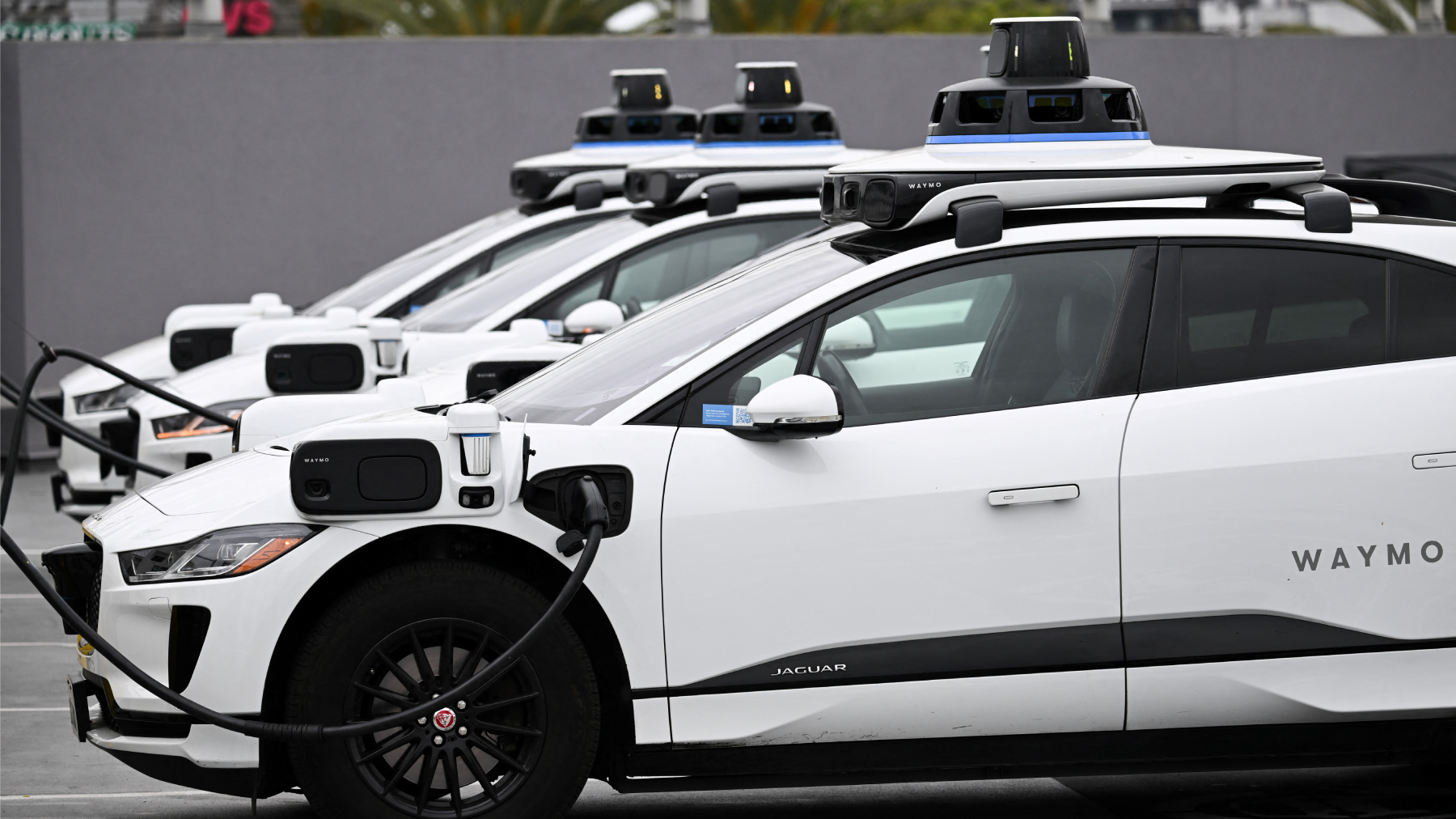
New Jersey's proposed S1677 bill requires autonomous vehicles to feature crash-avoidance systems with at least two distinct sensing modalities, such as cameras and lidar or radar. This mandate effectively prevents Tesla's camera-only Robotaxi from operating in the state unless the company alters its hardware configuration to include redundant sensors.
What Happened
A New Jersey bill, S1677 (Senate Committee Substitute for Senate, No. 1677), sponsored by Democratic state Sen. Andrew Zwicker and Sen. Gordon M. Johnson, proposes a three-year pilot program for fully autonomous vehicles [1]. The legislation requires these vehicles to be equipped with crash-avoidance systems that include a camera system and two distinct sensing modalities capable of detecting and tracking obstacles if the primary camera system fails [1].
This requirement effectively blocks Tesla's camera-only Robotaxi system from operating in New Jersey unless the company changes its hardware [2]. The bill is expected to come up for a vote later this year [2]. In response, Tesla has lobbied against the legislation, encouraging New Jersey Tesla owners to contact lawmakers to oppose the mandate [2]. The bill was adopted by the Senate Transportation Committee on May 11, 2026.
The Regulatory Shift in Autonomous Driving
The introduction of S1677 in New Jersey marks a significant moment in the ongoing debate over how best to regulate autonomous vehicles on public roads. For years, state governments have taken varied approaches to oversight, ranging from strict permitting processes to more permissive, self-certification models. California, for instance, maintains a rigorous regulatory framework where the California Public Utilities Commission (CPUC) and the Department of Motor Vehicles (DMV) jointly oversee autonomous vehicle operations [3]. Applicants in California must obtain an Autonomous Vehicle Deployment Permit from the DMV, while the CPUC manages passenger service programs [3].
In contrast, Texas has historically adopted a lighter-touch approach, allowing automakers to self-certify their autonomous systems [4]. Arizona also permits the testing and operation of self-driving vehicles on public roads, provided they follow federal laws and regulations [5]. The New Jersey bill, however, introduces a specific hardware mandate that goes beyond general safety performance standards, dictating the types of sensors that must be present on the vehicle. This prescriptive approach represents a departure from the technology-neutral regulations seen in other jurisdictions, raising questions about the role of state legislatures in determining engineering solutions for autonomous driving.
By requiring redundant sensing modalities, New Jersey lawmakers are explicitly endorsing a hardware-heavy approach to autonomous vehicle safety. This stance aligns with the strategies of companies like Waymo and Zoox, which have long argued that a combination of cameras, lidar, and radar is necessary to achieve true autonomy. However, it directly conflicts with Tesla's vision-only philosophy, which relies on advanced artificial intelligence and high-resolution cameras to interpret the driving environment. The outcome of this legislative battle in New Jersey could have far-reaching consequences, potentially influencing how other states draft their own autonomous vehicle regulations in the coming years.
The Technological Divide: Vision-Only vs. Multi-Sensor Suites
At the heart of the New Jersey legislative debate is a fundamental disagreement over the optimal sensor architecture for autonomous vehicles. Tesla has steadfastly maintained that cameras, combined with sophisticated neural networks, are sufficient to achieve full autonomy. The company argues that since human drivers rely primarily on vision to drive, an artificial intelligence system trained on vast amounts of visual data should be able to do the same. This approach, often referred to as "vision-only," eliminates the need for expensive and bulky sensors like lidar and radar, potentially lowering the cost of producing autonomous vehicles.
However, critics of the vision-only approach point out that cameras have inherent limitations. They can be blinded by direct sunlight, obscured by heavy rain or snow, and struggle to accurately judge distance in low-light conditions. This is where redundant sensor suites come into play. Companies like Waymo and Zoox utilize a combination of cameras, lidar, and radar to create a comprehensive, 360-degree view of the vehicle's surroundings. Lidar, which uses laser pulses to measure distance, provides highly accurate 3D mapping of the environment, even in complete darkness. Radar excels at detecting the speed and trajectory of moving objects, particularly in adverse weather conditions where cameras and lidar might struggle.
The 6th-generation Waymo Driver, for example, includes 13 cameras, 4 lidars, 6 radar units, and external audio receivers [6]. This multi-modal approach ensures that if one sensor type fails or is compromised by environmental factors, the others can compensate, providing a critical safety net. Similarly, the Zoox robotaxi combines cameras, lidars, radar, and long-wave infrared sensors (FLIR thermal cameras) to achieve its autonomous capabilities [7]. The New Jersey bill S1677 effectively codifies this multi-sensor philosophy into law, mandating that autonomous vehicles must have backup systems capable of detecting obstacles if the primary camera system fails.
Strategic Implications for the Robotaxi Market
The New Jersey bill represents a significant regulatory hurdle for companies relying solely on vision-based autonomous driving systems. By mandating redundant sensor modalities, lawmakers are prioritizing hardware-based safety nets over software-driven, single-sensor approaches. This legislative move could set a precedent for other states, potentially creating a fragmented regulatory environment where autonomous vehicle operators must tailor their hardware to specific regional requirements.
For Tesla, the bill directly challenges its long-standing strategy of using only cameras and artificial intelligence for autonomous driving. If S1677 passes, Tesla will face a critical decision: either abandon the New Jersey market for its Robotaxi service or redesign its vehicles to include lidar or radar. The latter option would require substantial investment and a fundamental shift in the company's engineering philosophy. As of May 2026, Tesla had registered only 42 automated vehicles in its driverless Robotaxi service in Texas, indicating that its autonomous fleet is still in the early stages of deployment compared to some competitors [8].
Conversely, competitors like Waymo and Zoox, which already incorporate multiple sensor types, are well-positioned to comply with the proposed regulations and capture market share in states with similar mandates. Waymo, which operates a fleet of 577 vehicles in Texas, has already established a significant presence in the autonomous ride-hailing market [9]. The company's recent $16 billion funding round, which valued Waymo at $126 billion, further solidifies its position as a leader in the industry [10]. Zoox, backed by Amazon, is also expanding its operations, offering free rides in its driverless vehicles with plans to eventually match the pricing of traditional ride-hailing services like Uber and Lyft [11].
Competitor Comparison

Procurement and Strategic Perspective
From a strategic standpoint, the New Jersey bill highlights the growing divergence between regulatory expectations and certain technological approaches in the autonomous vehicle sector. Fleet operators and municipalities must carefully evaluate the regulatory trajectory of their target markets before committing to a specific autonomous platform. Investing in vehicles with robust, multi-modal sensor suites appears to be the safer bet for ensuring broad operational compliance across different jurisdictions.
The legislative push for redundant sensors underscores the importance of hardware diversity in mitigating risk. While vision-only systems may offer cost advantages, the potential for regulatory exclusion in key markets could outweigh these savings. Stakeholders should monitor the progress of S1677 closely, as its passage could trigger a domino effect, prompting other states to adopt similar hardware mandates and reshaping the competitive dynamics of the robotaxi industry. Fleet managers looking to deploy autonomous vehicles must weigh the upfront costs of multi-sensor systems against the long-term regulatory certainty they provide.
The Broader Impact on Autonomous Vehicle Innovation
The debate over sensor requirements in New Jersey is indicative of a larger tension within the autonomous vehicle industry between rapid innovation and regulatory caution. Proponents of the vision-only approach argue that strict hardware mandates stifle technological progress by forcing companies to adopt specific solutions rather than allowing the best technology to win out in the market. They contend that artificial intelligence and machine learning are advancing at such a rapid pace that vision-only systems will soon surpass the capabilities of multi-sensor suites, making hardware mandates obsolete.
On the other hand, safety advocates and regulators argue that the public cannot be used as beta testers for unproven technologies. They maintain that redundant sensor systems are a necessary precaution to ensure the safe deployment of autonomous vehicles on public roads. The New Jersey bill reflects this cautious approach, prioritizing proven hardware solutions over the theoretical potential of advanced software. This regulatory philosophy could slow the deployment of autonomous vehicles in states that adopt similar mandates, as companies must ensure their vehicles meet strict hardware requirements before they can operate.
The outcome of this debate will have profound implications for the future of autonomous vehicle innovation. If more states follow New Jersey's lead and mandate redundant sensors, companies that have invested heavily in vision-only systems may be forced to pivot their strategies, potentially delaying the widespread adoption of their technologies. Conversely, if vision-only systems can demonstrate a safety record that matches or exceeds that of multi-sensor suites, regulators may be persuaded to adopt more flexible, performance-based standards.
The Role of Public Perception and Lobbying
Public perception plays a crucial role in shaping autonomous vehicle regulations. High-profile accidents involving autonomous vehicles have heightened public concerns about the safety of these technologies, prompting lawmakers to take a more active role in regulating the industry. The New Jersey bill S1677 can be seen as a response to these concerns, providing a tangible legislative solution to the perceived risks of autonomous driving.
In response to the proposed legislation, companies are actively lobbying lawmakers to influence the outcome. Tesla, for example, has encouraged its New Jersey owners to contact their representatives and oppose the bill, arguing that the mandate would unnecessarily restrict the deployment of its autonomous technologies [2]. This grassroots lobbying effort highlights the contentious nature of autonomous vehicle regulation and the significant financial stakes involved for the companies developing these technologies.
The success of these lobbying efforts will depend on the ability of companies to convince lawmakers and the public that their technologies are safe and reliable. This requires not only rigorous testing and validation but also transparent communication about the capabilities and limitations of autonomous systems. As the industry continues to mature, the interplay between technological innovation, public perception, and regulatory oversight will determine the pace and direction of autonomous vehicle deployment.
Industry Insight
"The push for redundant sensors in New Jersey signals a growing regulatory preference for hardware-based safety guarantees, challenging the viability of vision-only autonomous systems in diverse legislative environments."
Company Backgrounds
Tesla: Founded in 2003 by engineers Martin Eberhard and Marc Tarpenning. Elon Musk joined in 2004 with Series A funding and became chairman [12]. Tesla's product line includes electric vehicles and the upcoming Cybercab, which is designed to operate as a fully autonomous Robotaxi. The company has been a pioneer in the electric vehicle market and has invested heavily in developing its Full Self-Driving technology.
Waymo: Originally the Google Self-Driving Car Project, Waymo has been at the forefront of autonomous vehicle research and development for over a decade. In February 2026, Waymo raised a $16 billion funding round, valuing the company at $126 billion [10]. The company operates a commercial autonomous ride-hailing service in several cities and continues to expand its fleet and operational areas.
Zoox: Founded in 2014 by Tim Kentley-Klay and Jesse Levinson, Zoox was established with the goal of building a fully autonomous, purpose-built robotaxi from the ground up. The company was later acquired by Amazon [13]. Zoox's vehicles feature a unique, symmetrical design that allows them to drive in either direction, and they are equipped with a comprehensive suite of sensors to ensure safe and reliable operation.
References
[1] NJ Legislature S1677 Bill Text: https://pub.njleg.state.nj.us/Bills/2026/S2000/1677_U1.PDF
[2] The Verge NJ Robotaxi Bill: https://www.theverge.com/transportation/962309/new-jersey-robotaxi-bill-lidar-tesla
[3] CPUC AV Programs: https://www.cpuc.ca.gov/regulatory-services/licensing/transportation-licensing-and-analysis-branch/autonomous-vehicle-programs
[4] TxDMV AV Program: http://www.txdmv.gov/AVprogram
[5] AZDOT AV Testing: https://azdot.gov/mvd/services/professional-services/autonomous-vehicles-testing-and-operating-state-arizona
[6] Waymo 6th-generation Driver: https://waymo.com/blog/2024/08/meet-the-6th-generation-waymo-driver
[7] Zoox Sensor Suite: https://zoox.com/know-your-ride
[8] CNBC Tesla Robotaxi Fleet Texas: https://www.cnbc.com/2026/05/28/tesla-robotaxi-fleet-texas-one-tenth-size-of-waymos-filings-reveal.html
[9] The Next Web Tesla vs Waymo Fleet: https://thenextweb.com/news/tesla-robotaxi-fleet-42-vehicles-waymo-577-texas
[10] Waymo $16B Funding: https://waymo.com/blog/2026/02/waymo-raises-usd16-billion-investment-round
[11] Zoox Pricing: SINGLE-SOURCE
[12] Wikipedia Tesla, Inc.: https://en.wikipedia.org/wiki/Tesla,_Inc.
[13] Wikipedia Zoox: https://en.wikipedia.org/wiki/Zoox












