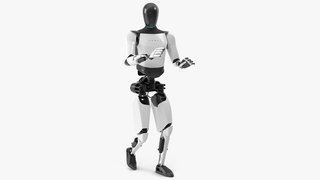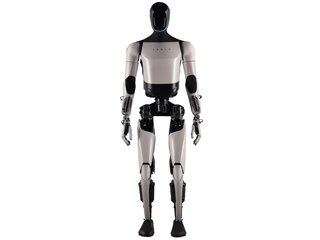
Tesla Fremont — Model 3, 2018
California · bespoke automated conveyor and assembly
5,000/wktarget
<2,500/wkachieved at the time
Tesla의 로봇 도입 사례 — 자체 조사 기준.
California · bespoke automated conveyor and assembly
도입 사례는 게시 전에 공개 출처와 대조해 확인합니다. T2 = 운영사 보고 또는 독립 관찰, T3 = 제조사 주장.
https://www.tesla.com/contact
아직 주요 로보틱스 동영상이 없습니다
아직 동영상이 없습니다
이 회사에 연결된 주요 로보틱스 동영상이 없습니다.
등록된 주요 로보틱스 분야가 없습니다.
Tesla's robotics team certified three Zhejiang component makers for Optimus mass production this week, revealing how deep the humanoid's supply chain runs through China.
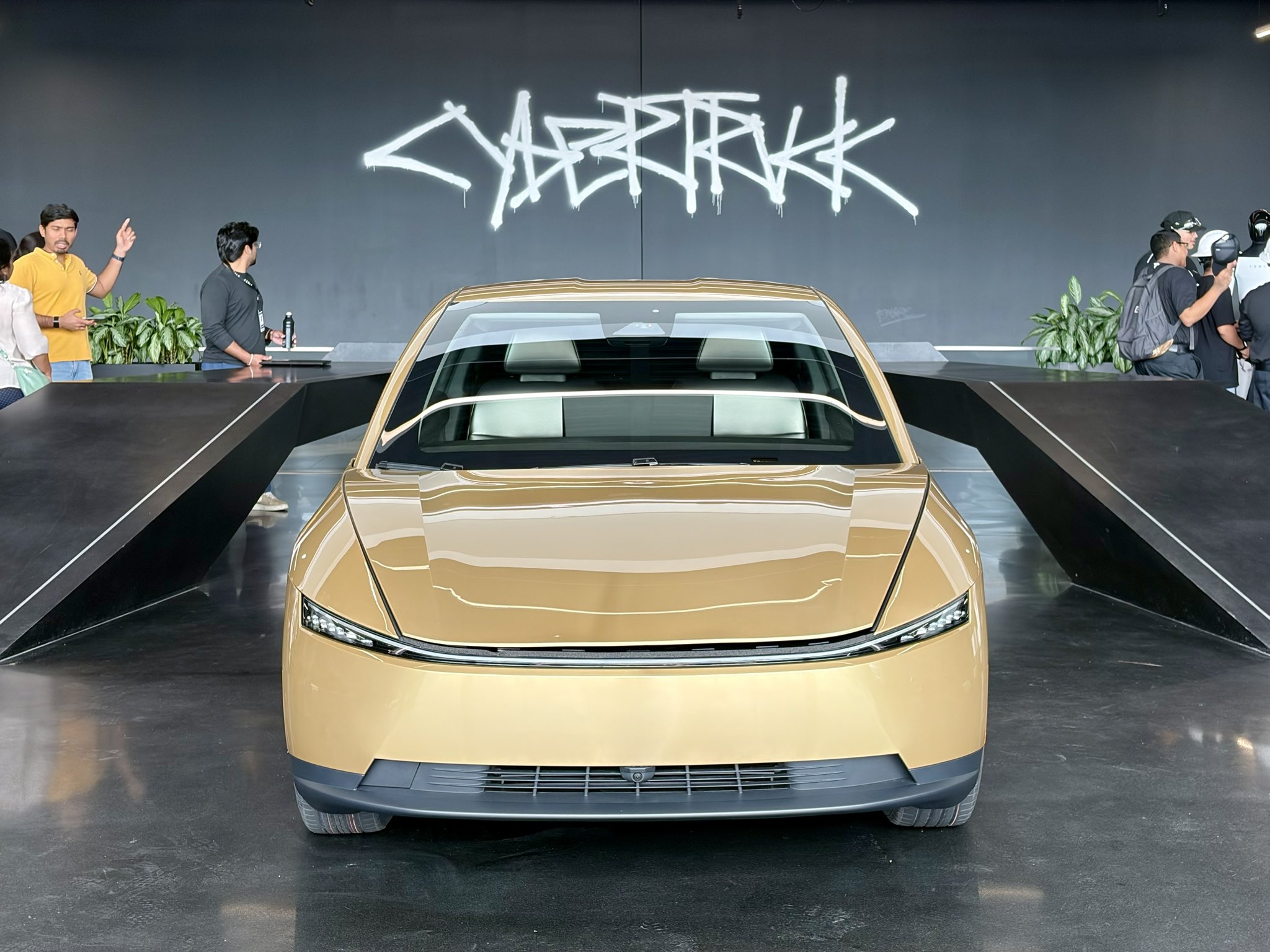
Tesla revealed the production Cybercab at an Austin event, pricing its first vehicle with no steering wheel or pedals at US$25,000 and rolling it into the existing Robotaxi app.
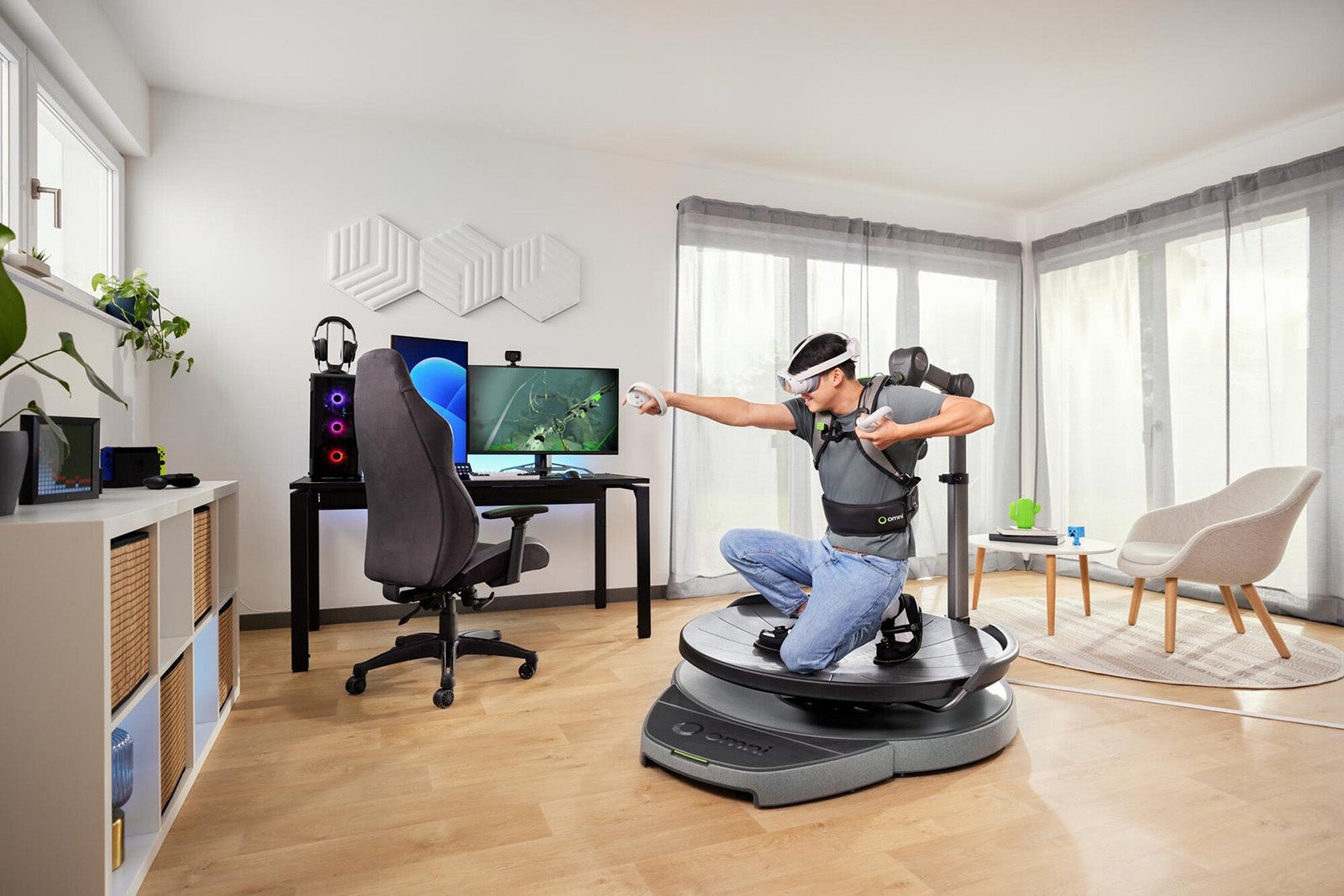
Virtuix disclosed Tesla’s Optimus division bought its first Omni One Enterprise omnidirectional treadmill, positioned for whole-body humanoid teleoperation. Deliberately conservative framing: one unit, seller-disclosed, pilot reading; broker chatter about a Tesla Optimus app excluded. Significance: locomotion training data is becoming a procurement category.
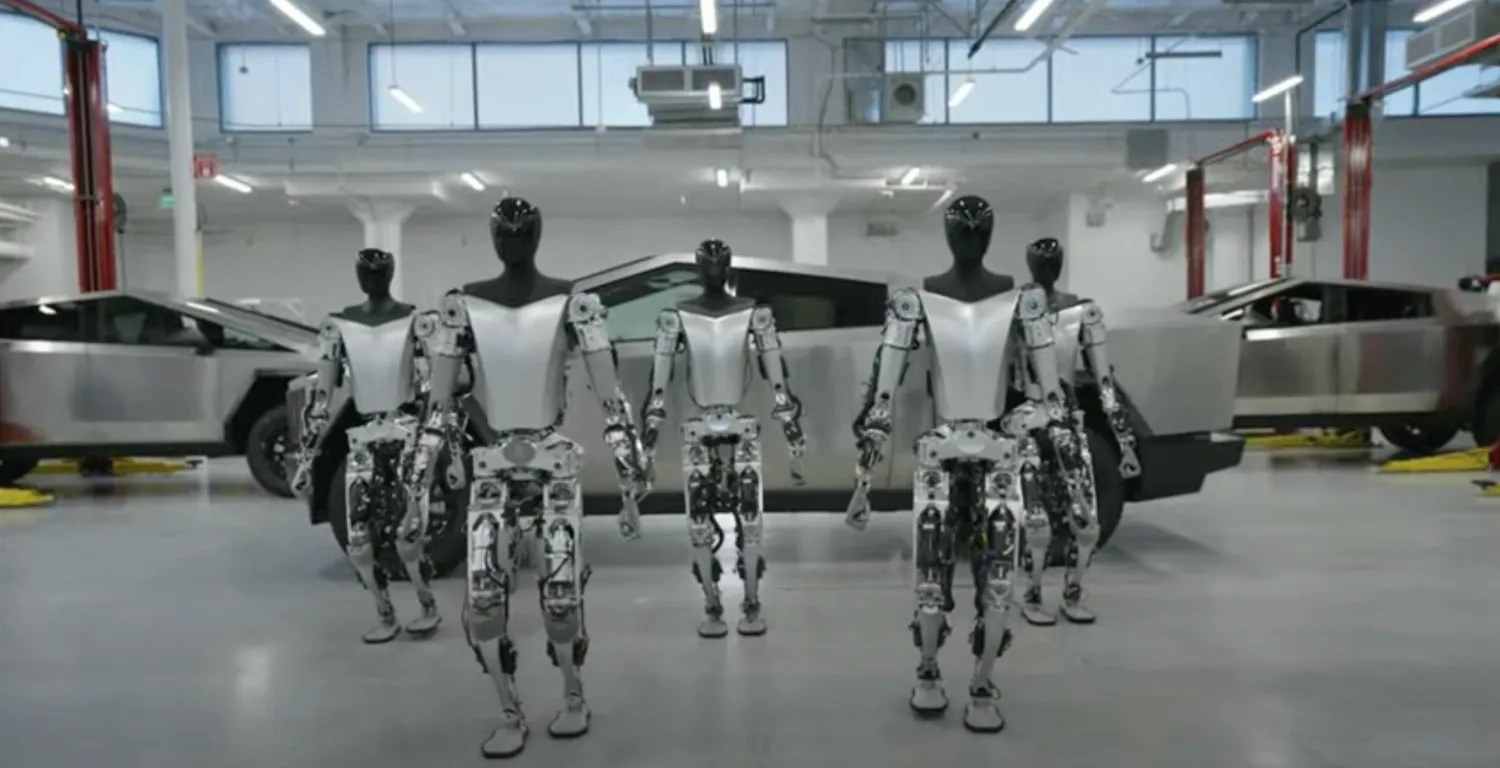
Tesla's second quarter results reaffirmed that Optimus production at Fremont stays on schedule for later this year and revealed a new internal Optimus Academy that will absorb the first production units for training. Capital spending surged 142 percent as investment pivots toward robots, artificial intelligence infrastructure, and autonomous vehicles.
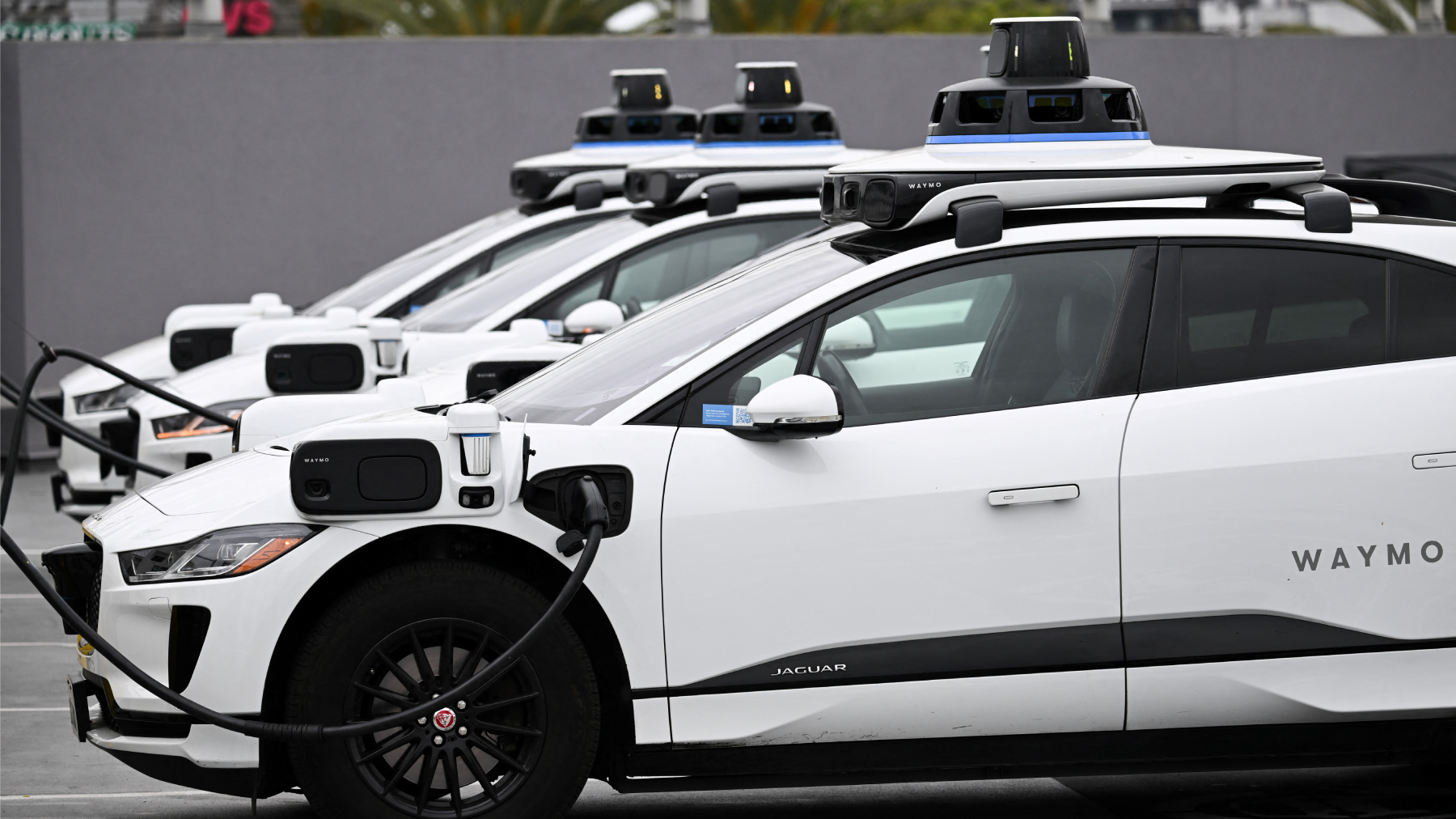
New Jersey's proposed S1677 bill requires autonomous vehicles to use redundant sensor modalities, effectively blocking Tesla's camera-only Robotaxi from operating in the state without hardware changes.
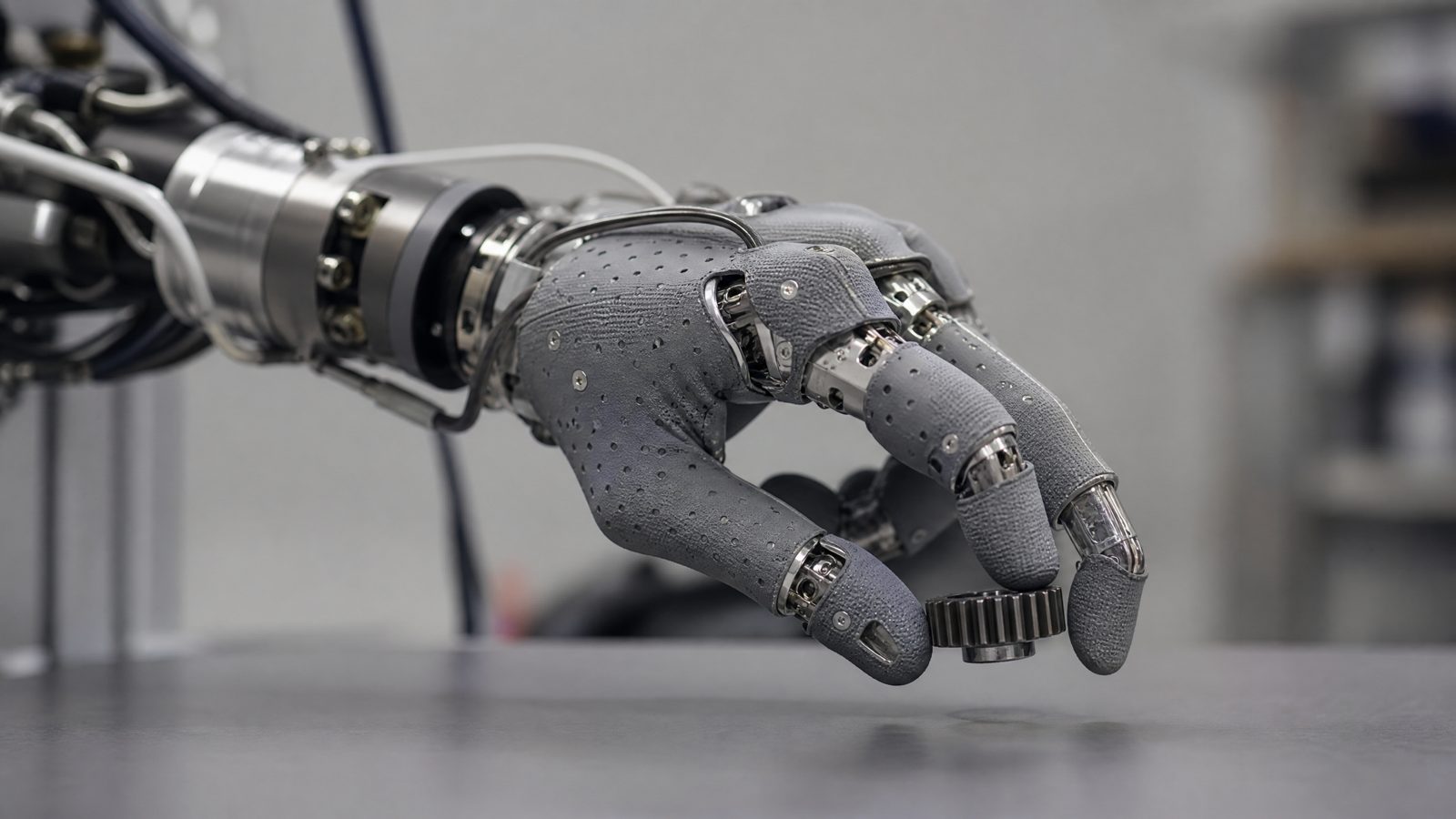
Proception, a robotics startup founded by a former Tesla Optimus engineer, settled a year long trade secret lawsuit with Tesla and announced an 11 million United States dollar seed round on the same day. The company is shipping its first high dexterity robotic hands to researchers and robotics companies, betting that most humanoid makers will buy hands rather than build them.
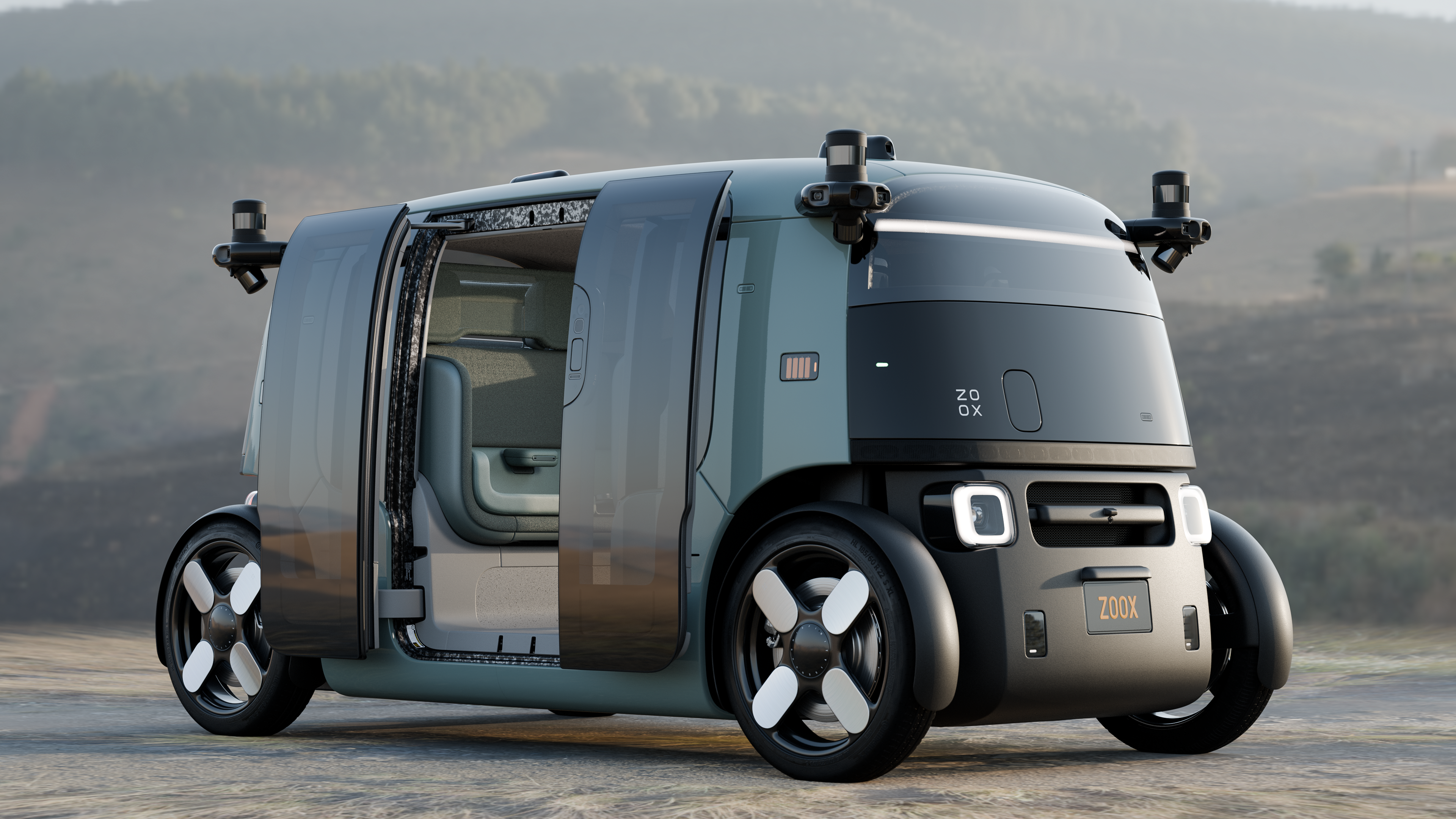
Tesla says its wheelless Cybercab already meets every federal safety standard, no exemption needed. Zoox spent two years and accepted a 2,500-vehicle cap to win permission for the identical design. What that gap in approach actually signals about risk, not price.
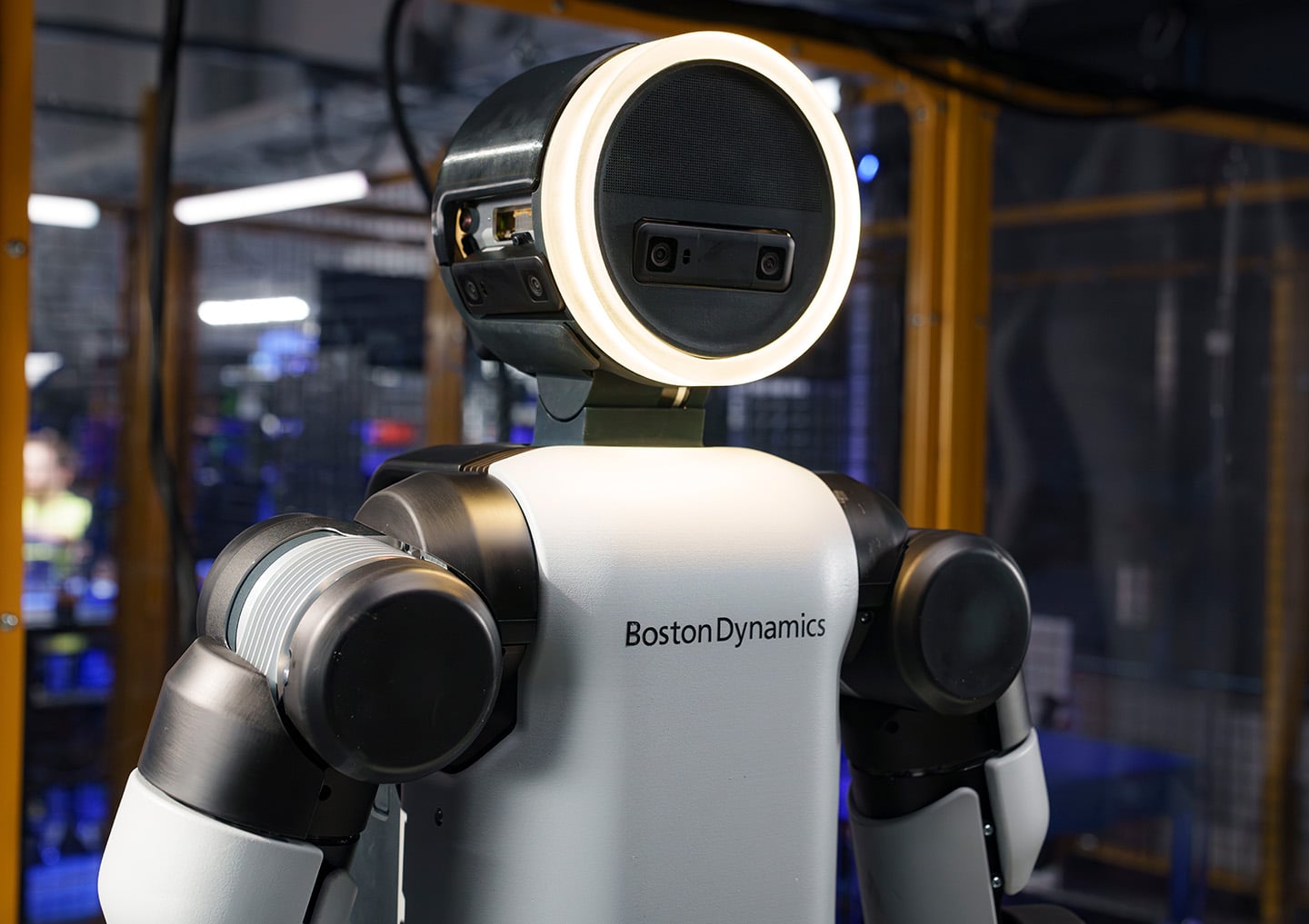
Kawasaki's own March roadmap puts full humanoid autonomy at 2040, yet October coverage says 2030. The same compression shows up at Tesla and Hyundai; only 1X is honest about how much of its robot is still human-operated.
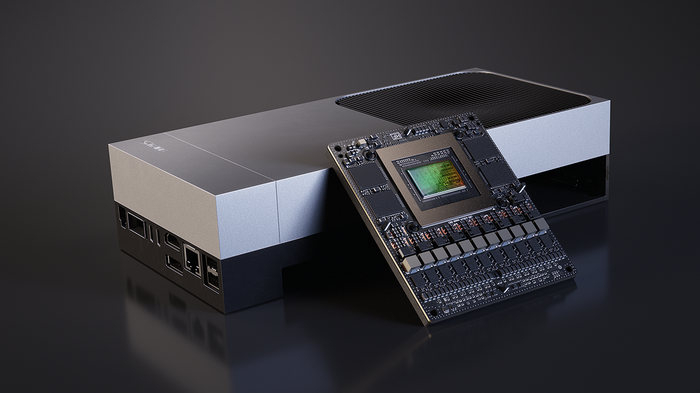
NVIDIA's own account of its automotive partnerships shows nearly 30 robotaxi and AV companies, from Uber and Waymo to Pony.ai and Tesla, now building on its compute and simulation stack as the industry consolidates around shared infrastructure ahead of a projected US$400 billion 2035 market.
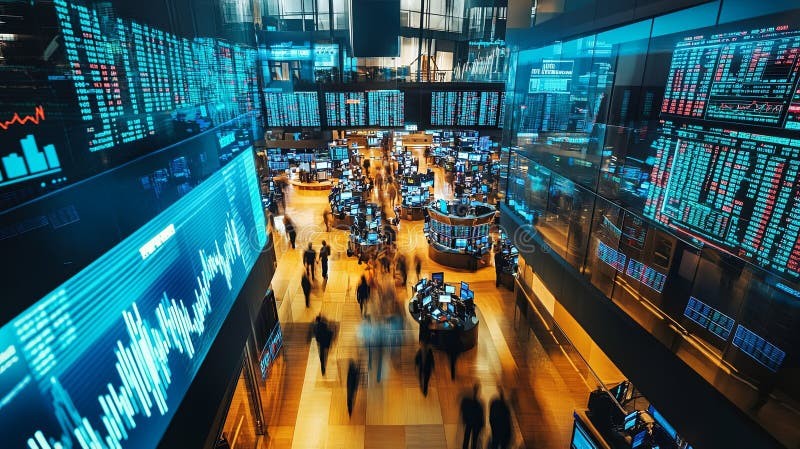
As the first half of 2026 closes with a record $18.8 billion in global robotics funding, the third quarter pivots from fundraising to delivery. This forward-looking watch examines the upcoming IPO wave, the delivery scorecard for Tesla, Figure, and 1X, and how the $700 billion hyperscaler data centre buildout is squeezing the robotics supply chain.

Fanuc, Yaskawa and Kawasaki are expanding US manufacturing and partnerships even though China remains roughly 20 percent cheaper to build in, betting that proximity to AI-driven capital spending matters more than unit cost for the next wave of orders.
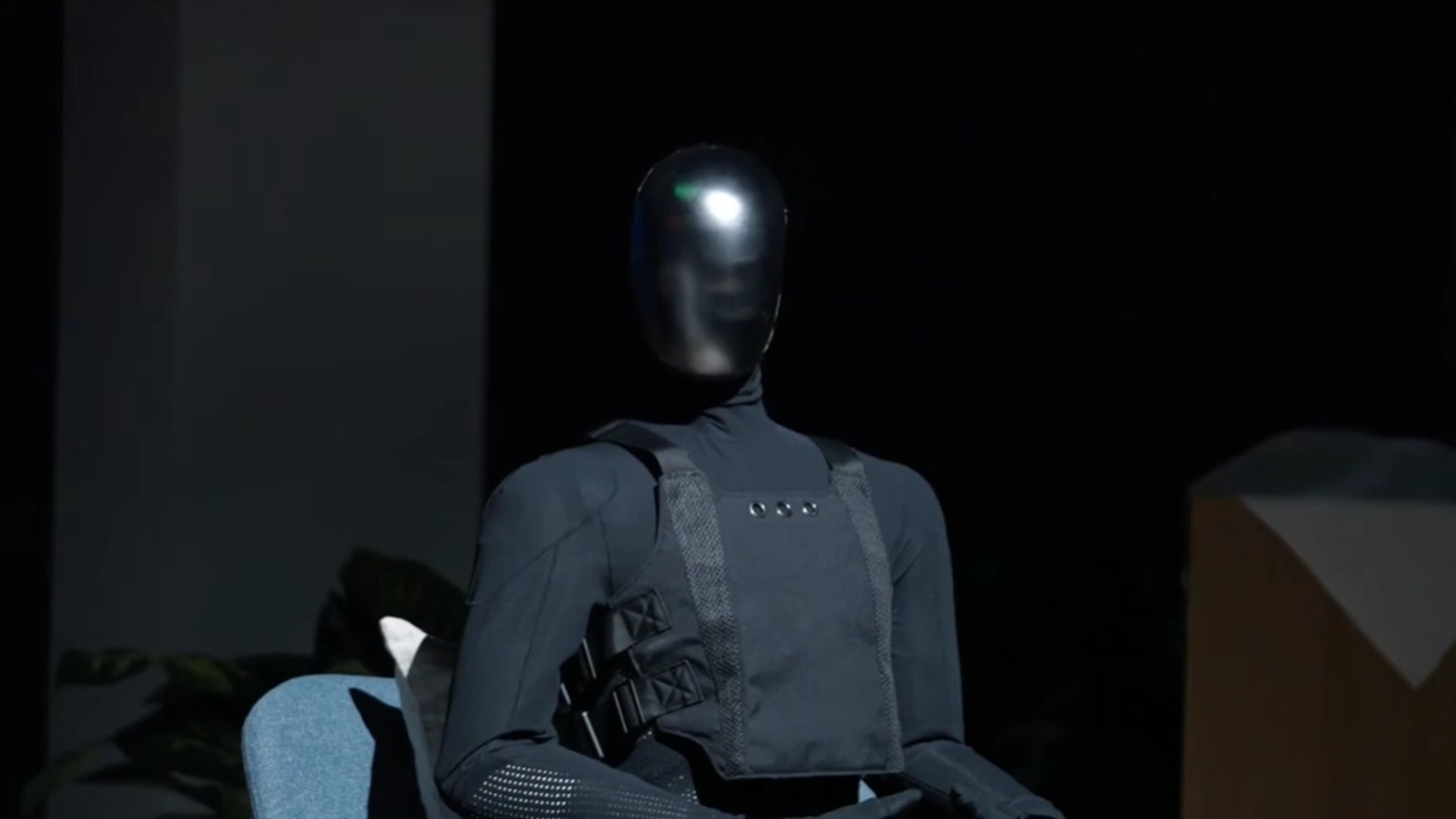
Shenzhen startup Kinetix AI has assembled hardware, dexterous hands, data-capture rigs, a predictive world model, and AI training infrastructure for its KAI humanoid in about a year, a stack rival Figure needed three years to build, and it is already selling components to other robotics developers.
Elon Musk (CEO and Technoking) Vaibhav Taneja (Chief Financial Officer)