Samsung SDI to Supply Most of Atlas's Humanoid Batteries
A Korean trade report says Boston Dynamics' Atlas humanoid will run on a 70-cell, 1.3-kWh battery pack led by Samsung SDI, with fast charging over swapping and mass production still not expected before 2028.

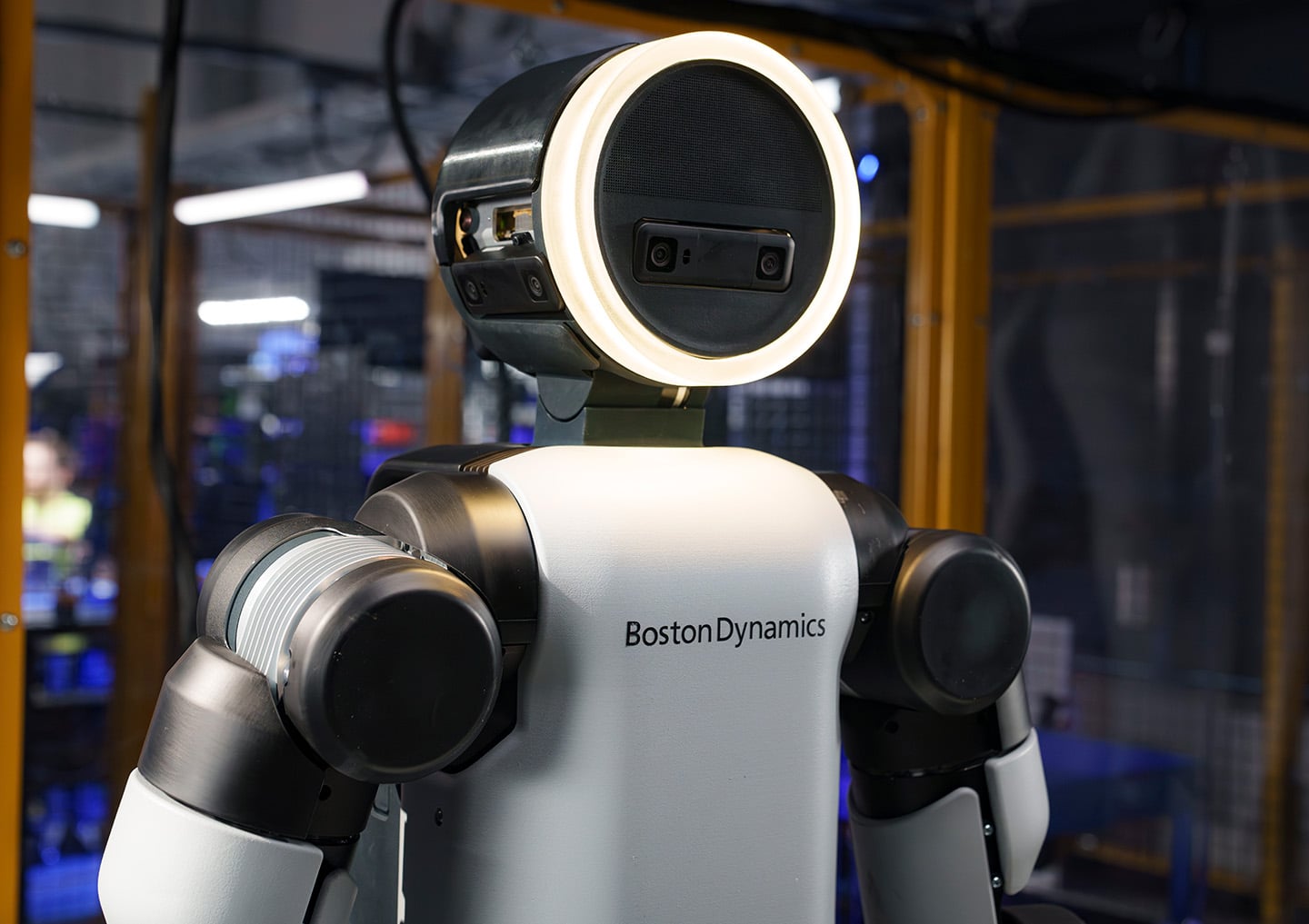
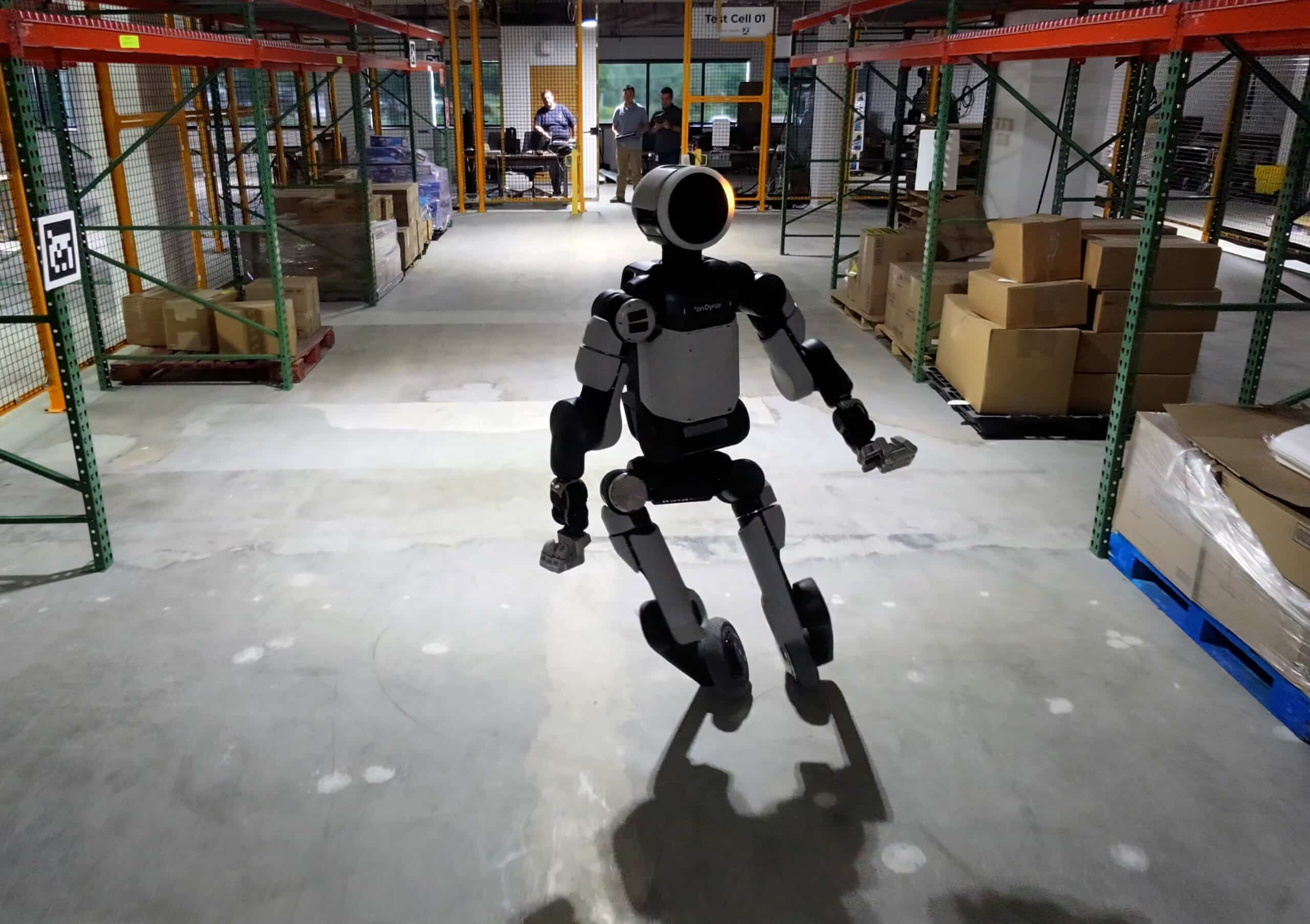
Each production Atlas humanoid from Boston Dynamics will run on a pack of 70 cylindrical battery cells supplied chiefly by Samsung SDI, according to a Friday report from The Elec, a South Korean trade publication that covers the battery supply chain and cited unnamed industry sources. Hyundai Motor Group, which owns Boston Dynamics, has selected Samsung SDI and LG Energy Solution as Atlas's two battery suppliers, with Samsung SDI handling the bulk of initial volume and functioning, for now, as the de facto sole supplier. The pack totals roughly 1.3 kilowatt-hours, a small fraction of the 84-kilowatt-hour pack in Hyundai's own Ioniq 5 Long Range electric car, but the report says it is enough to exceed the typical two-to-four-hour runtime most humanoid robots currently manage.
The specifics matter more than the headline supplier name. Each cell is a cylindrical 2170 format, 21 millimeters in diameter and 70 millimeters tall, rated at 5,000 milliamp-hours, and the same form factor already used widely across electric-vehicle and power-tool batteries rather than a bespoke robotics cell. That choice says something concrete about how Hyundai and Boston Dynamics are approaching Atlas's path to volume production: they are building a humanoid robot's power system around a cell Samsung SDI and LG Energy Solution already manufacture at automotive scale, instead of waiting on a purpose-built robotics battery that would need its own supply chain and qualification cycle.
A Supplier Fight That Predates the Robot
Samsung SDI's position as the larger of the two suppliers did not happen by accident. The Elec's report describes Hyundai Mobis, the group's electronics affiliate, weighing competing module-and-pack partners for the two cell suppliers before settling on a split: Kapec Valeo working alongside Samsung SDI, and PowerLogics alongside LG Energy Solution. Both integration partners are already working with Boston Dynamics on Spot2, the next generation of its quadruped robot dog, which uses the same 2170-format cells and will reach the market first. That sequencing gives Samsung SDI and its partner a head start: whichever supplier's pack integration proves reliable on the lower-stakes, higher-volume Spot2 program is the one more likely to keep the larger share of Atlas's business once humanoid production scales up.
LG Energy Solution is not standing still while that plays out. The Elec reports that LG's H-series cells, aimed mainly at aerospace and robotics applications, have moved from a 3,200 milliamp-hour capacity, discontinued earlier this year, to more than 5,000 milliamp-hours, closing the gap with Samsung SDI's cell on the single metric that matters most for a robot's runtime between charges. A battery supplier does not upgrade a niche product line by more than 50 percent in capacity unless it expects a buyer who will reward that improvement with volume, and Hyundai's dual-sourcing structure, rather than a single exclusive supplier, is precisely the kind of buyer who can reward it.
Swapping, Not Just Charging
The report's operational detail is where the story moves from component trivia to something a fleet operator would actually plan around. Battery swapping for the pack takes about one hour and thirty minutes, the report says, while charging the same pack takes under three minutes, a gap wide enough to explain why Boston Dynamics and Hyundai are building Atlas's power architecture around fast charging rather than a swap-and-go model more commonly associated with electric-vehicle fleets and some humanoid competitors. A three-minute charge cycle, if the figure holds through production, changes how a warehouse or factory would schedule a humanoid robot's downtime: closer to how operators already schedule a forklift's quick top-up than how they would schedule a battery-swap robot requiring a dedicated swap station and a spare pack inventory.
Samsung SDI's own technical direction reinforces that fast-charging bet. The company has been steadily raising the capacity of its cylindrical cells while shifting toward a tab-less internal structure, which reduces internal resistance and the heat that resistance generates during high-current charging and discharging. That structural choice is exactly what makes a three-minute charge tolerable rather than dangerous, since fast charging without better heat management in a cell this dense would shorten its working life or create a safety risk neither Samsung SDI nor Hyundai can afford to ship at scale. The tradeoff, according to the report, is that tab-less cells demand far more precise handling of electrode materials and current collectors during manufacturing, which is itself a reason a buyer might prefer an established automotive-battery supplier over a robotics-specific startup without that manufacturing discipline already proven at volume.
Why 1.3 Kilowatt-Hours Is the Right Number, Not a Small One
Viewed against an electric car's battery, 1.3 kilowatt-hours looks almost trivial. Viewed against what a humanoid robot actually needs to do between charges, it is closer to generous. The report notes the pack holds enough energy for more than 24 hours of an efficient household refrigerator's typical draw, a comparison meant to illustrate that the constraint on a humanoid's runtime has never really been total energy storage. It is weight, and where that weight sits on a bipedal frame that has to stay balanced while walking, reaching and lifting. A larger pack would extend runtime on paper while making the robot heavier, shifting its center of mass, and demanding more structural reinforcement to carry the extra weight, all of which work against the actuator efficiency and balance control that determine whether a humanoid can do useful physical work in the first place. Seventy small cells distributed through the frame, rather than one large pack in a single location, suit that constraint better than a single oversized battery would, even if the kilowatt-hour figure reads small next to an automobile.
That same logic is why fast charging matters more to Atlas's economics than raw capacity does. A robot that can only work for three hours before needing ninety minutes of downtime to swap a pack is a worse fit for a continuous shift pattern than one that works three hours and then recharges in three minutes during a changeover, lunch break or material restock. Hyundai and Boston Dynamics appear to be betting that solving the charging-speed problem is cheaper and more scalable than solving the energy-density problem, a bet that leans on Samsung SDI's existing automotive fast-charging expertise rather than requiring a breakthrough in battery chemistry specific to robotics.
Mass Production Is Still Years Out
None of this changes the most important date in the report: Atlas mass production is not expected before 2028. Spot2 will reach the market well ahead of the humanoid, at a planned rate of roughly 100 units a month and an estimated unit cost, depending on configuration, in the range of 100 million South Korean won, or roughly US$70,000 at current exchange rates. Around 500 units of the current Spot1 quadruped are already deployed at Hyundai's HMGMA assembly plant in Georgia, running about an hour per charge, and Spot2 is expected to extend that runtime while adding an optional robotic arm that will, in turn, draw down the battery faster whenever it is in use. The battery-sourcing story for Atlas is, in other words, being tested and de-risked on a cheaper, higher-volume, already-selling robot more than two years before the humanoid itself reaches a factory floor in meaningful numbers.
For buyers and integrators tracking humanoid robotics as a category rather than a single company's roadmap, the detail worth filing away is not the 1.3-kilowatt-hour figure itself, which will almost certainly change before Atlas ships in volume. It is the sourcing pattern: a major humanoid program choosing automotive-grade, already-qualified cylindrical cells from two competing suppliers, tested first on a lower-stakes companion robot, over a bespoke battery built from scratch for one humanoid design. Every other humanoid maker racing toward a 2027 or 2028 production date faces the same choice between a custom pack that might perform better on paper and a proven automotive cell that a buyer can actually get serviced, replaced and insured at scale. Hyundai, sitting on top of one of the world's largest electric-vehicle battery supply chains, did not have to think hard about which side of that tradeoff to take.
What is still missing from the public record is any figure for how long a 1.3-kilowatt-hour pack actually keeps Atlas running during real, loaded work rather than idle standing time, and neither Boston Dynamics, Hyundai Mobis, Samsung SDI nor LG Energy Solution has put a number on that yet. A procurement team evaluating any humanoid robot on a multi-year deployment horizon should treat every runtime claim made before mass production starts as provisional, because the gap between a cell's rated capacity and a robot's working endurance under load, heat and years of charge cycles is exactly the kind of gap that marketing material tends to understate and operating logs tend to reveal. The next real data point will not be another spec leaked to a Korean trade outlet. It will be whatever runtime Spot2 actually delivers once it starts shipping in volume next year, since that is the same battery architecture Atlas is inheriting, built by the same two suppliers, under the same fast-charging bet.
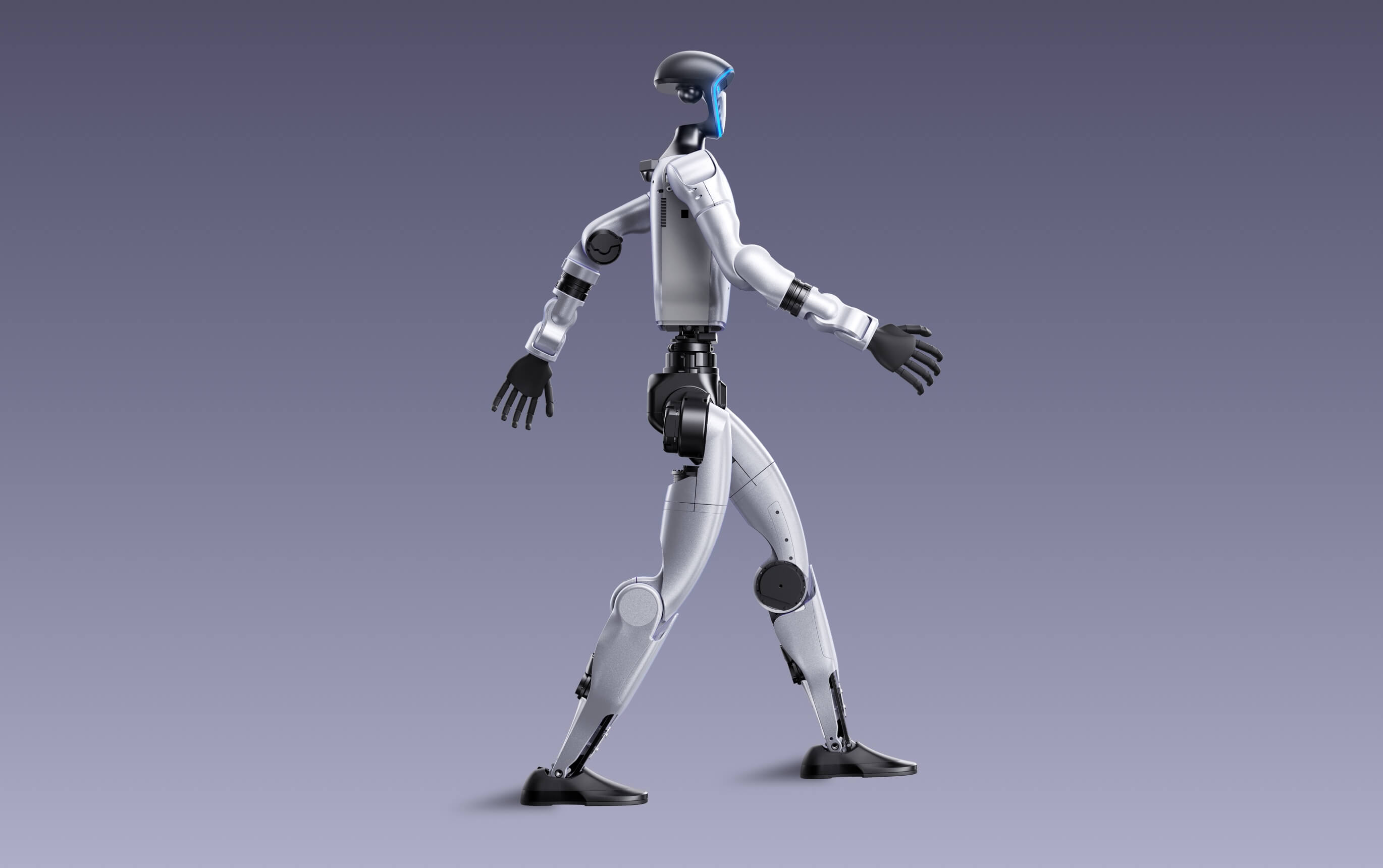
This analysis is based on reporting from The Elec as of November 6, 2026, and on company statements, and is provided for general information purposes only; it does not constitute investment, financial, or engineering advice. Hero image: Atlas humanoid robot, official Boston Dynamics product photography.