
PHYBOT M1 vs TX2-160
PHYBOT vs Stäubli — specs, price, and data-backed comparison.
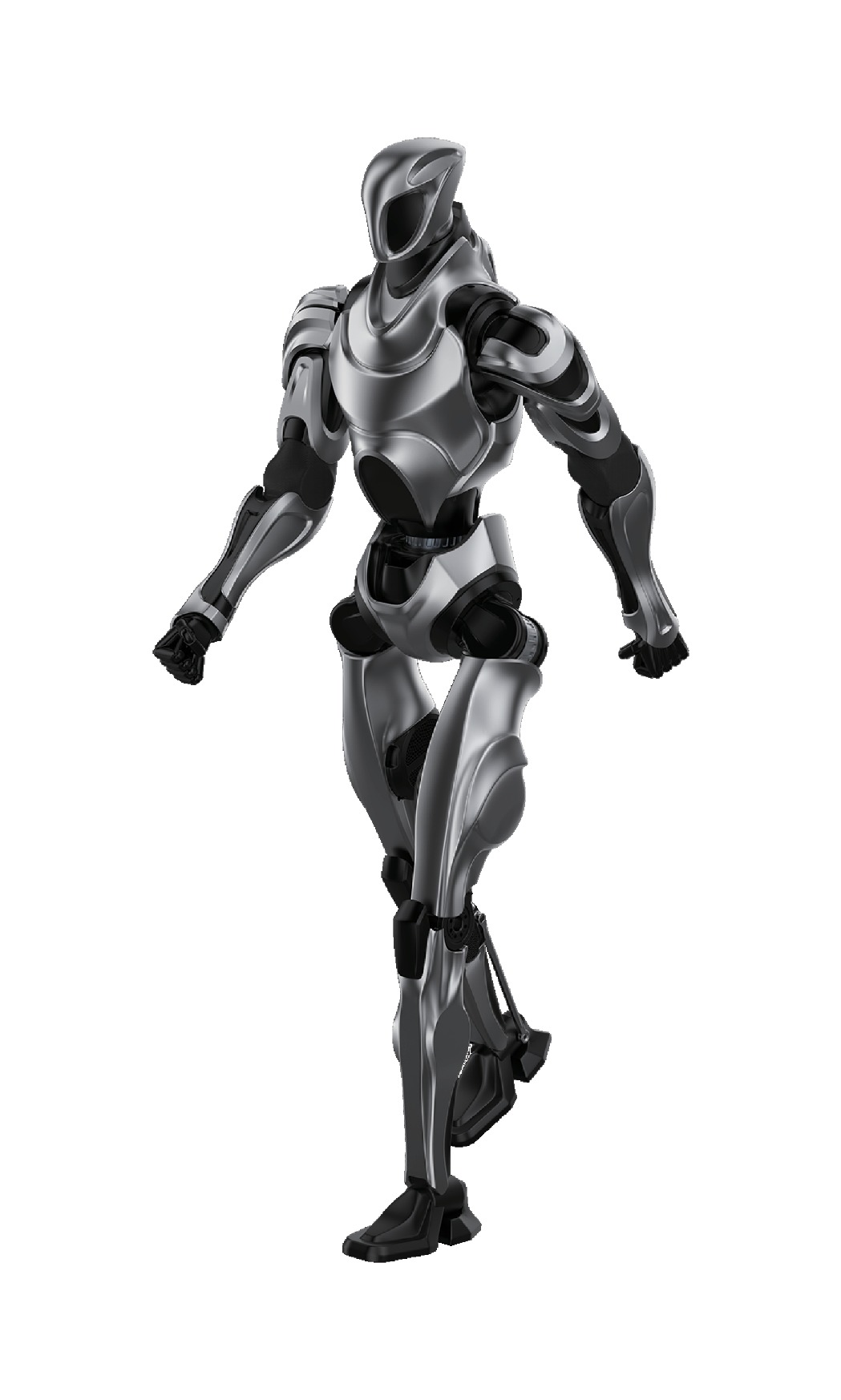
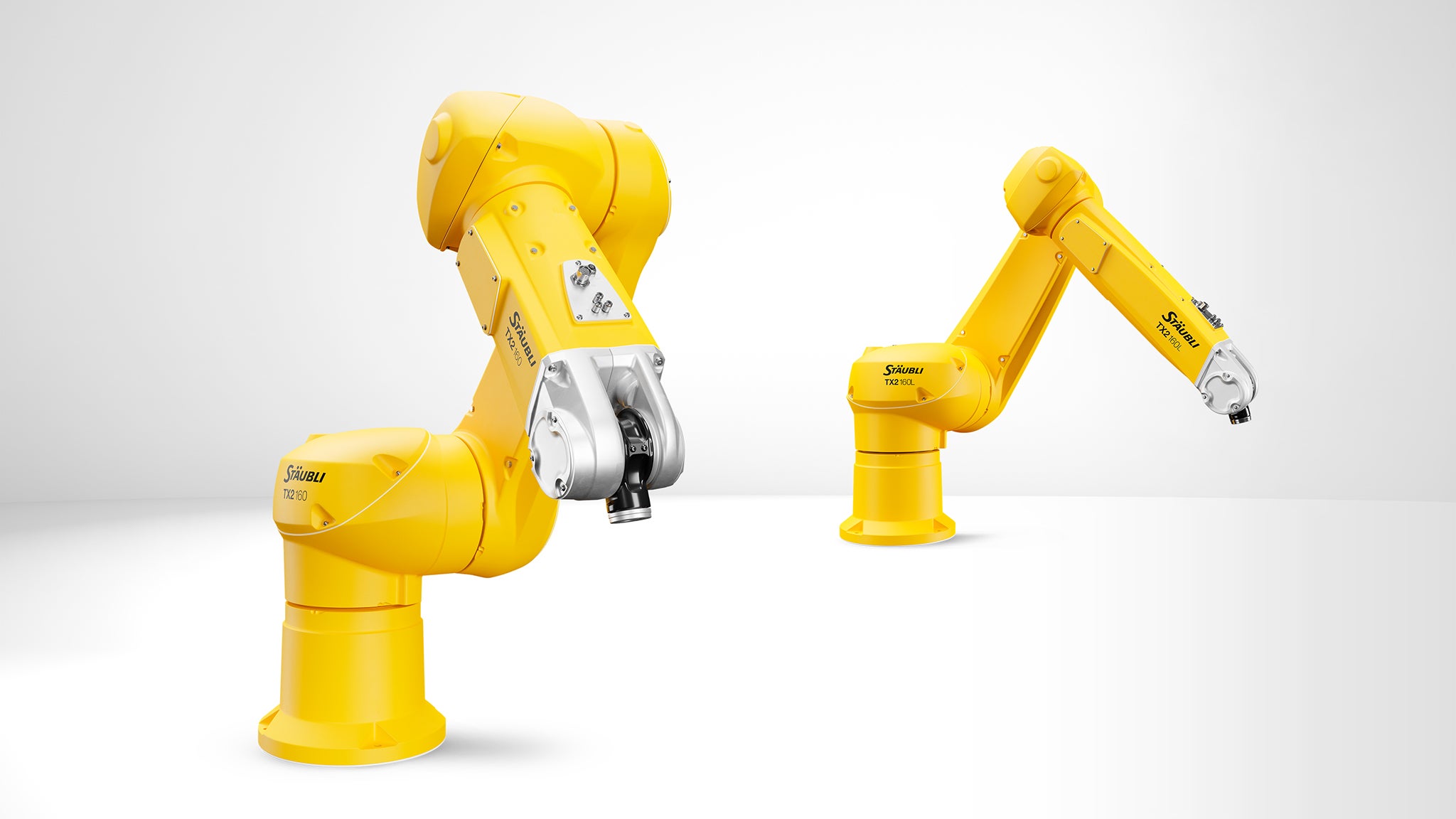
QUICK TAKE
- TX2-160 offers the higher payload (40 kg vs 20 kg).
- PHYBOT M1 offers the more degrees of freedom (32 vs 6).
- PHYBOT M1 offers the lighter build (67 kg vs 260 kg).
- PHYBOT M1 is the newer platform (2,025 vs 2,021).
SPECIFICATIONS COMPARED
| PHYBOT M1 | TX2-160 | |
|---|---|---|
| Company | PHYBOT | Stäubli |
| Category | Humanoid | Industrial-Robot |
| Price: | Not announced | Not announced |
| Released: | 2025 | 2021 |
| Weight | 67 kg | 260 kg |
| Payload | 20 kg | 40 kg |
| Reach | — | 1.71 m |
| Degrees of Freedom | 32 | 6 |
| Speed | 7.2 km/h | — |
| Battery Life | 120 min | — |
| Software / AI | End-to-end motion control trained by reinforcement and imitation learning with sim-to-real transfer; integrated multimodal large models | — |
FREQUENTLY ASKED QUESTIONS
What is the difference between the PHYBOT M1 and the TX2-160?
PHYBOT M1 is made by PHYBOT, while TX2-160 is made by Stäubli. PHYBOT M1 is a humanoid, while TX2-160 is a industrial-robot.
Which has the higher payload, the PHYBOT M1 or the TX2-160?
The TX2-160 has the higher payload at 40 kg, compared to 20 kg for the PHYBOT M1.