
Mini Pi vs Robovie-Z
High Torque Technology vs Vstone — specs, price, and data-backed comparison.
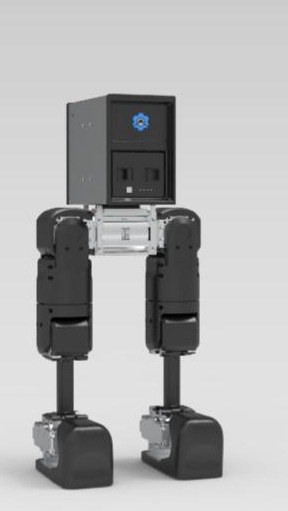
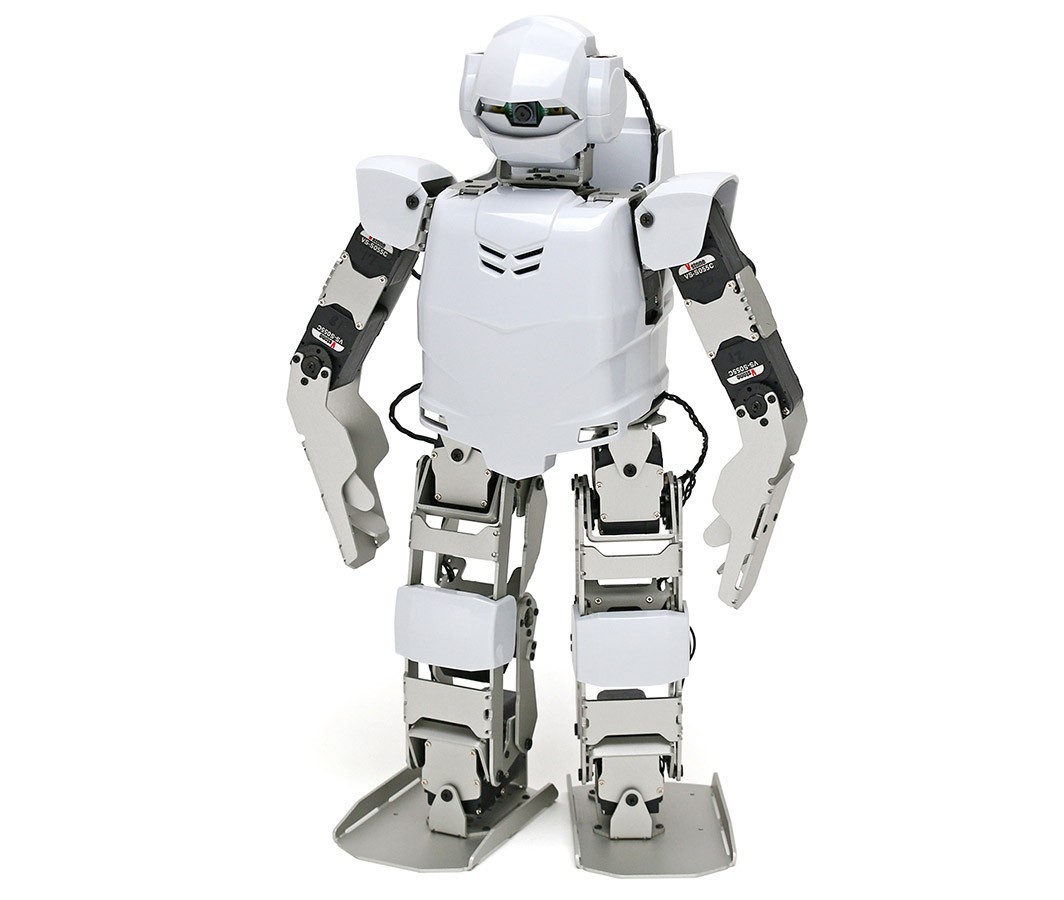
QUICK TAKE
- Robovie-Z offers the more degrees of freedom (20 vs 12).
- Robovie-Z offers the lighter build (1.02 kg vs 7 kg).
SPECIFICATIONS COMPARED
| Mini Pi | Robovie-Z | |
|---|---|---|
| Company | High Torque Technology | Vstone |
| Category | Educational-Robots | Educational-Robots |
| Price: | Not announced | ¥270,000 |
| Weight | 7 kg | 1.02 kg |
| Degrees of Freedom | 12 | 20 |
| Battery Life | 90 min | — |
| Connectivity | Bluetooth and Wi-Fi (Pi); WNIC (Pi Pro); USB 3.0 x1, USB 2.0 x3 and HDMI 2.0 x1 (Pi), Type-C x2, USB 2.0 x2 and HDMI 2.0 x1 (Pi Pro) | — |
| Software / AI | SDK interface with SDK-based development, OTA and firmware upgrade; voice interaction | — |
Buying guides and prices
FREQUENTLY ASKED QUESTIONS
What is the difference between the Mini Pi and the Robovie-Z?
Mini Pi is made by High Torque Technology, while Robovie-Z is made by Vstone. Both are educational-robotss, so the differences come down to price and specifications.
Which is cheaper, the Mini Pi or the Robovie-Z?
The Robovie-Z is listed at ¥270,000; pricing for the Mini Pi has not been publicly announced.