
Galileo C1 vs PHYBOT D1
Galileo Technology vs PHYBOT — specs, price, and data-backed comparison.
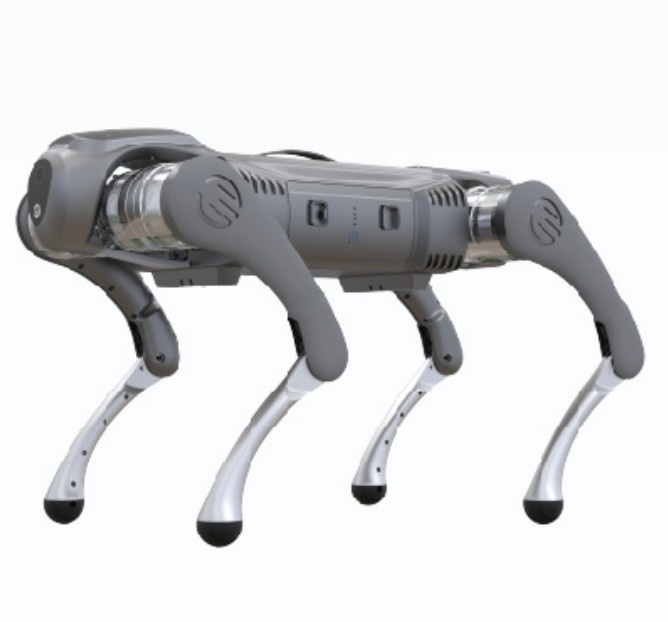
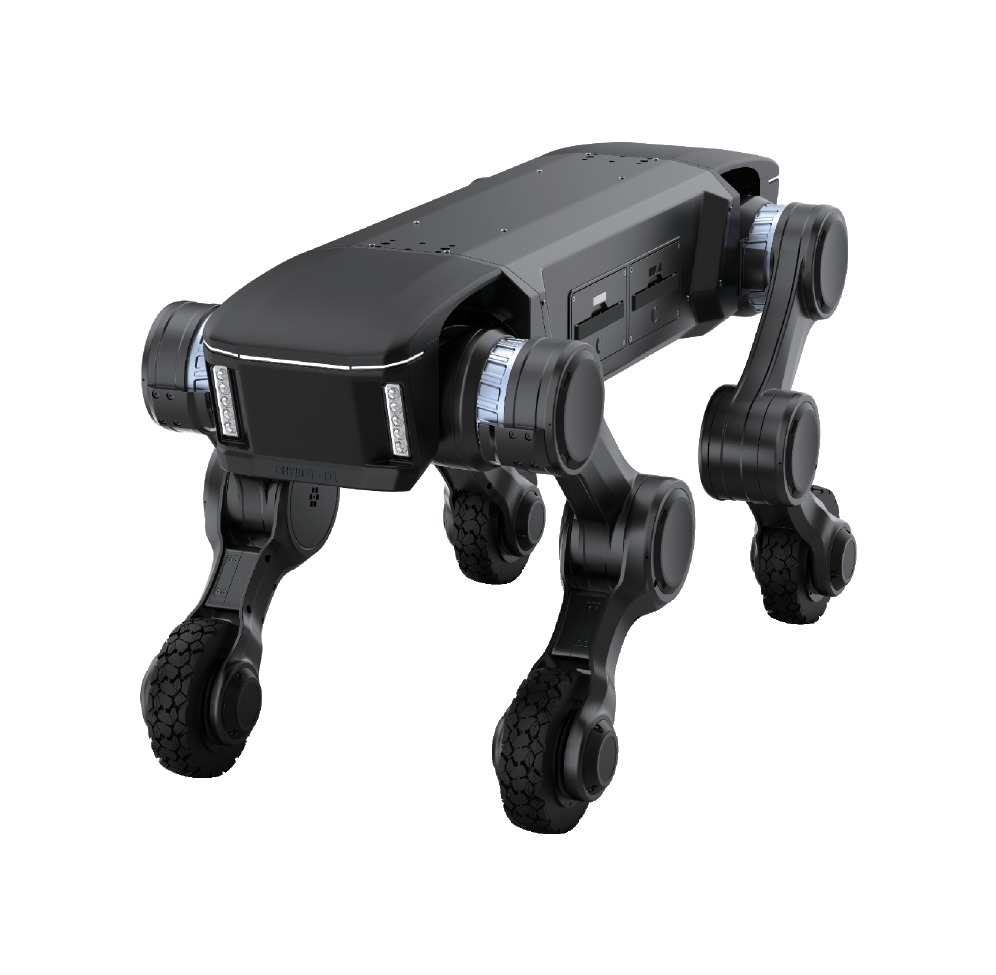
QUICK TAKE
- PHYBOT D1 offers the higher payload (500 kg vs 12 kg).
- PHYBOT D1 offers the faster top speed (21.6 km/h vs 10.8 km/h).
- PHYBOT D1 offers the larger battery (2.59 kWh vs 960 Wh).
- Galileo C1 offers the lighter build (22 kg vs 130 kg).
SPECIFICATIONS COMPARED
| Galileo C1 | PHYBOT D1 | |
|---|---|---|
| Company | Galileo Technology | PHYBOT |
| Category | Industrial-Robot | Industrial-Robot |
| Price: | Not announced | Not announced |
| Weight | 22 kg | 130 kg |
| Payload | 12 kg | 500 kg |
| Degrees of Freedom | — | 16 |
| Speed | 10.8 km/h | 21.6 km/h |
| Battery Life | 180 min | 72 V 18 Ah x2 (36 Ah total, removable) |
| Connectivity | WiFi 6, optional 4G and 5G; Ethernet, USB and RS485 external interfaces | — |
| Software / AI | Autonomous navigation and obstacle avoidance with multi-sensor fusion | Full-stack intelligent perception system providing autonomous driving capability |
FREQUENTLY ASKED QUESTIONS
What is the difference between the Galileo C1 and the PHYBOT D1?
Galileo C1 is made by Galileo Technology, while PHYBOT D1 is made by PHYBOT. Both are industrial-robots, so the differences come down to price and specifications.
Which has the higher payload, the Galileo C1 or the PHYBOT D1?
The PHYBOT D1 has the higher payload at 500 kg, compared to 12 kg for the Galileo C1.
Which is faster, the Galileo C1 or the PHYBOT D1?
The PHYBOT D1 has the higher top speed at 21.6 km/h, compared to 10.8 km/h for the Galileo C1.