
4NE-1 vs K3 Bumblebee
Neura vs Kepler Robotics — specs, price, and data-backed comparison.
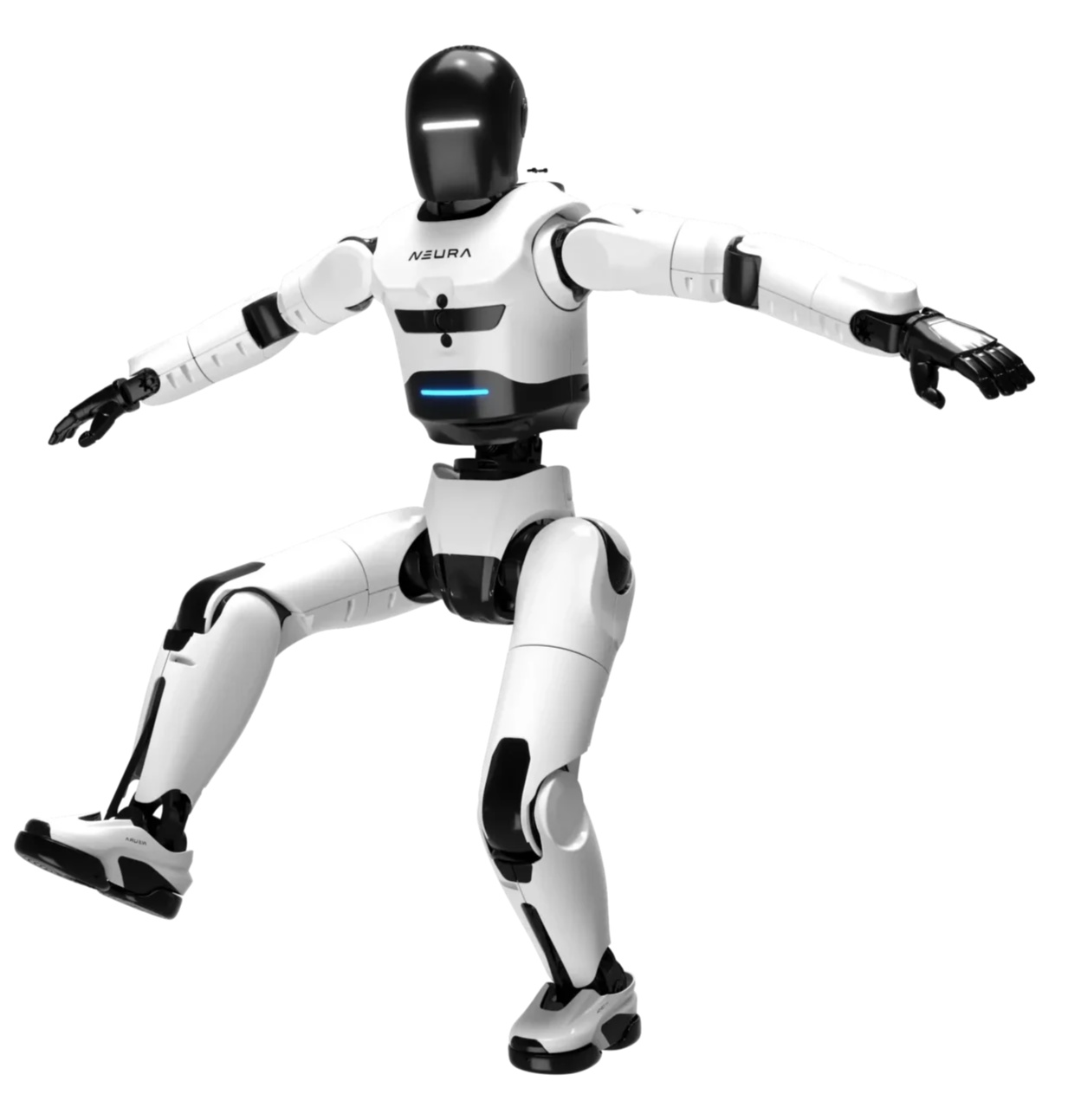
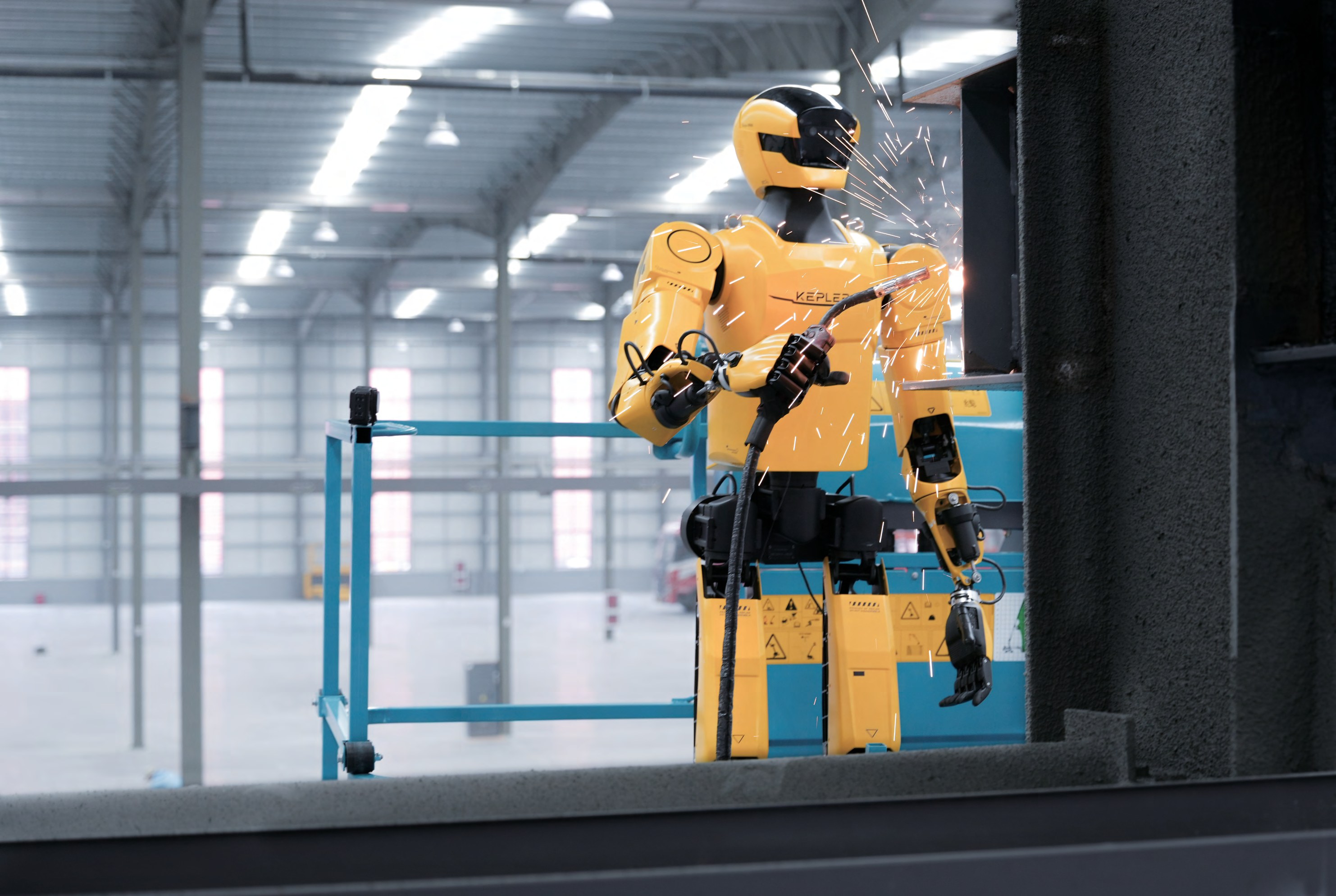
QUICK TAKE
- K3 Bumblebee offers the higher payload (30 kg vs 20 kg).
- 4NE-1 offers the more degrees of freedom (55 vs 53).
- 4NE-1 offers the lighter build (80 kg vs 83 kg).
SPECIFICATIONS COMPARED
| 4NE-1 | K3 Bumblebee | |
|---|---|---|
| Company | Neura | Kepler Robotics |
| Category | Humanoid | Humanoid |
| Price: | Not announced | Not announced |
| Weight | 80 kg | 83 kg |
| Payload | 20 kg | 30 kg |
| Degrees of Freedom | 55 | 53 |
| Speed | — | 3.49 km/h |
| Battery Life | 24/7 operating time (manufacturer datasheet) | 480 min |
| Connectivity | Remote operation | — |
| Software / AI | Multimodal AI: language model, computer vision and reinforcement learning | Nebula Embodied Intelligence Open Operating System; Kepler-OmniVTLA dataset ecosystem |
FREQUENTLY ASKED QUESTIONS
What is the difference between the 4NE-1 and the K3 Bumblebee?
4NE-1 is made by Neura, while K3 Bumblebee is made by Kepler Robotics. Both are humanoids, so the differences come down to price and specifications.
Which has the higher payload, the 4NE-1 or the K3 Bumblebee?
The K3 Bumblebee has the higher payload at 30 kg, compared to 20 kg for the 4NE-1.