
AI & Robotics
Our AI & Robotics in-depth articles
263 articles found • Page 5 of 22
Simate Claims It "Beat GPT-6" at Robotics. Its Own Leaderboard Says 27.96 Percent.
A three-month-old startup's claim to have "beaten GPT-6" on a robotics benchmark went viral unverified this week, while the benchmark's own published numbers show even the leaderboard-topping model still fails most real-world manipulation tasks against a 100 percent human baseline.
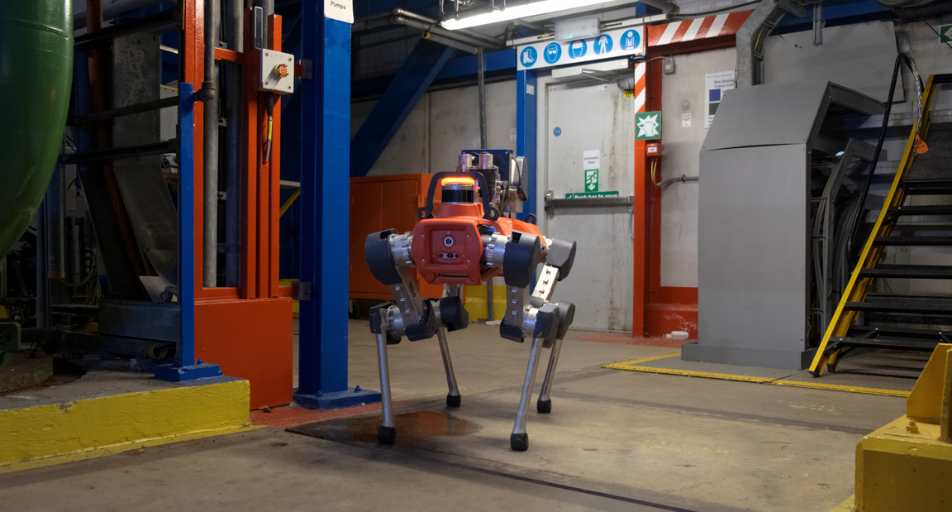
A Quadruped Just Got a Building Badge. Access Control Has No File For It.
ANYbotics' quadruped ANYmal just passed through secured doors at a GE Vernova power plant on its own digital access credential, via a pilot with dormakaba and LEGIC. The mechanics are a genuine safety win, but physical security has no equivalent of cybersecurity's "non-person entity" governance category for a badge holder that isn't a person, and the industry adopting this fastest has the least room for that accountability gap.
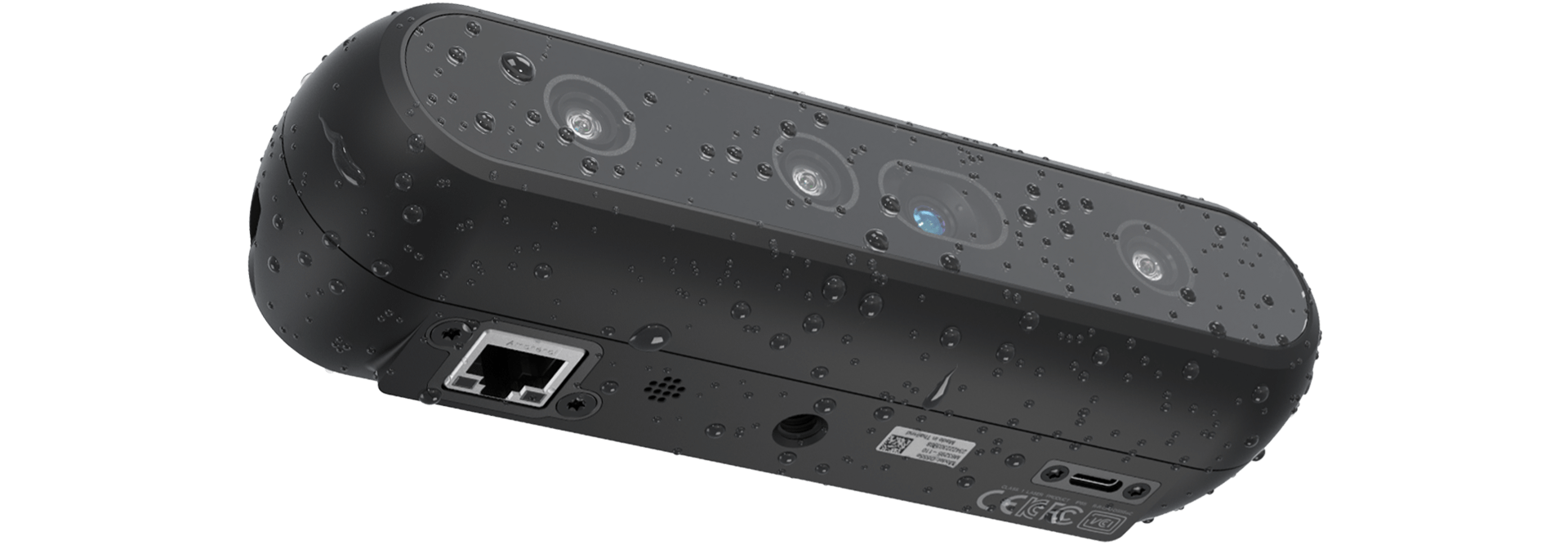
RealSense Just Proved Independence Is a Layover, Not a Destination
Cognex's US$500 million purchase of RealSense, just fourteen months after its Intel spinout, and the facial-authentication unit being spun out separately in the same deal, reveal what actually decides robot-perception M&A: who already owns the industrial sales channel, not who owns the sensor IP.
Open Source Is Becoming Robotics' Default Infrastructure
Intrinsic open-sourced its industrial robotics platform and Qualcomm agreed to acquire MoveIt maker PickNik while pledging to keep it open, a one-two punch at ROSCon 2026 that shifts the vendor lock-in math every robotics buyer runs.
A US$637,000 Robot-Arm Line Beats a Cluster Count as a Supply-Chain Signal
Epson just registered a US$637,000 robot-arm line at its 31-year-old Batangas, Philippines plant, adding SCARA and six-axis production plus knock-down sub-assembly and spare parts to an existing 20,000-worker facility. The investment is tiny next to Cognex's US$500 million RealSense deal or China's provincial robot cluster counts, and that smallness is the actual signal: this is what a real, low-risk supply-chain diversification test looks like, versus a headline built for a press cycle.

The Proven Companion Robot Is the One That Cannot Talk
OpenAI told researchers it had banned the maker of an AI teddy bear that discussed sexual fetishes during safety testing. Three months later, the researchers found the bear still appeared to run on an OpenAI model. The companion robot with the strongest clinical record has no language model at all. Both facts belong in the same story.

The Roboticist Who Wants Machines to Rot Like Leaves
IIT roboticist Barbara Mazzolai builds octopus, root and seed-inspired robots around a sustainability robotics framework that treats a machine's end-of-life material footprint as a design requirement, not an afterthought.
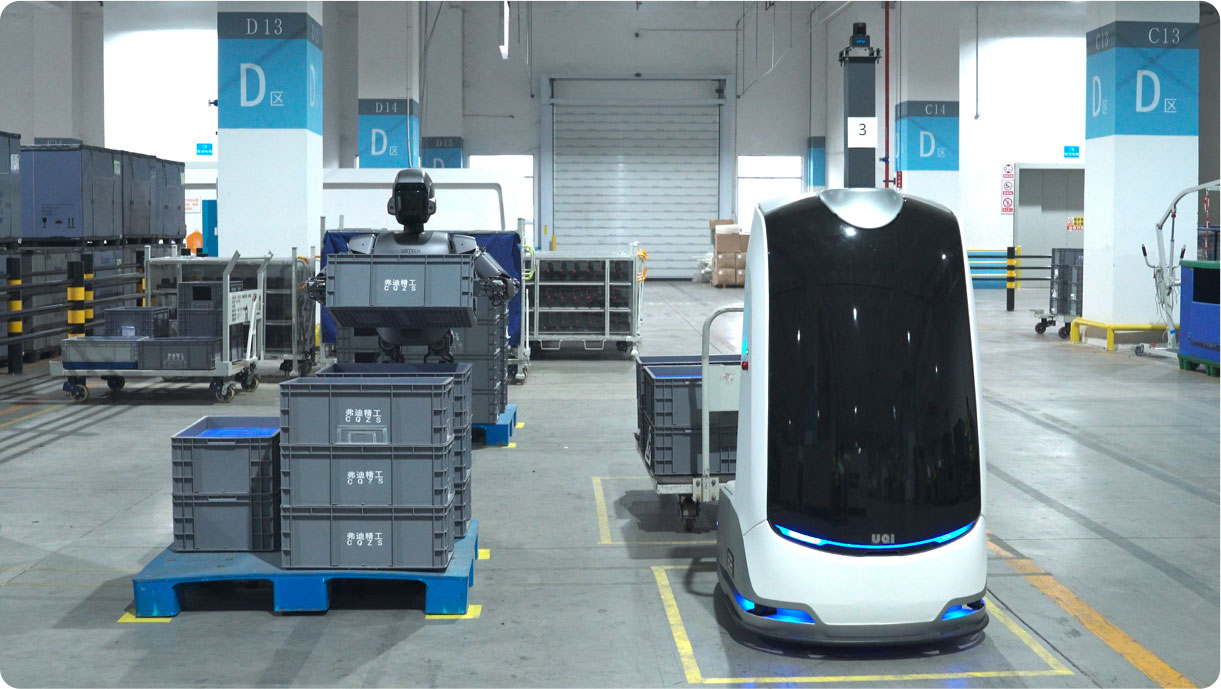
Guangdong Is Counting Robots by Mailing Address, Not by Shift
Guangdong's "Top 10" humanoid cluster mixes a real, checkable factory deal with a smartphone maker that has never named a robot worksite and an appliance giant whose flagship humanoid was built for a factory in a different province. The mismatch shows what a provincial robot count actually measures: company registration, not company deployment.
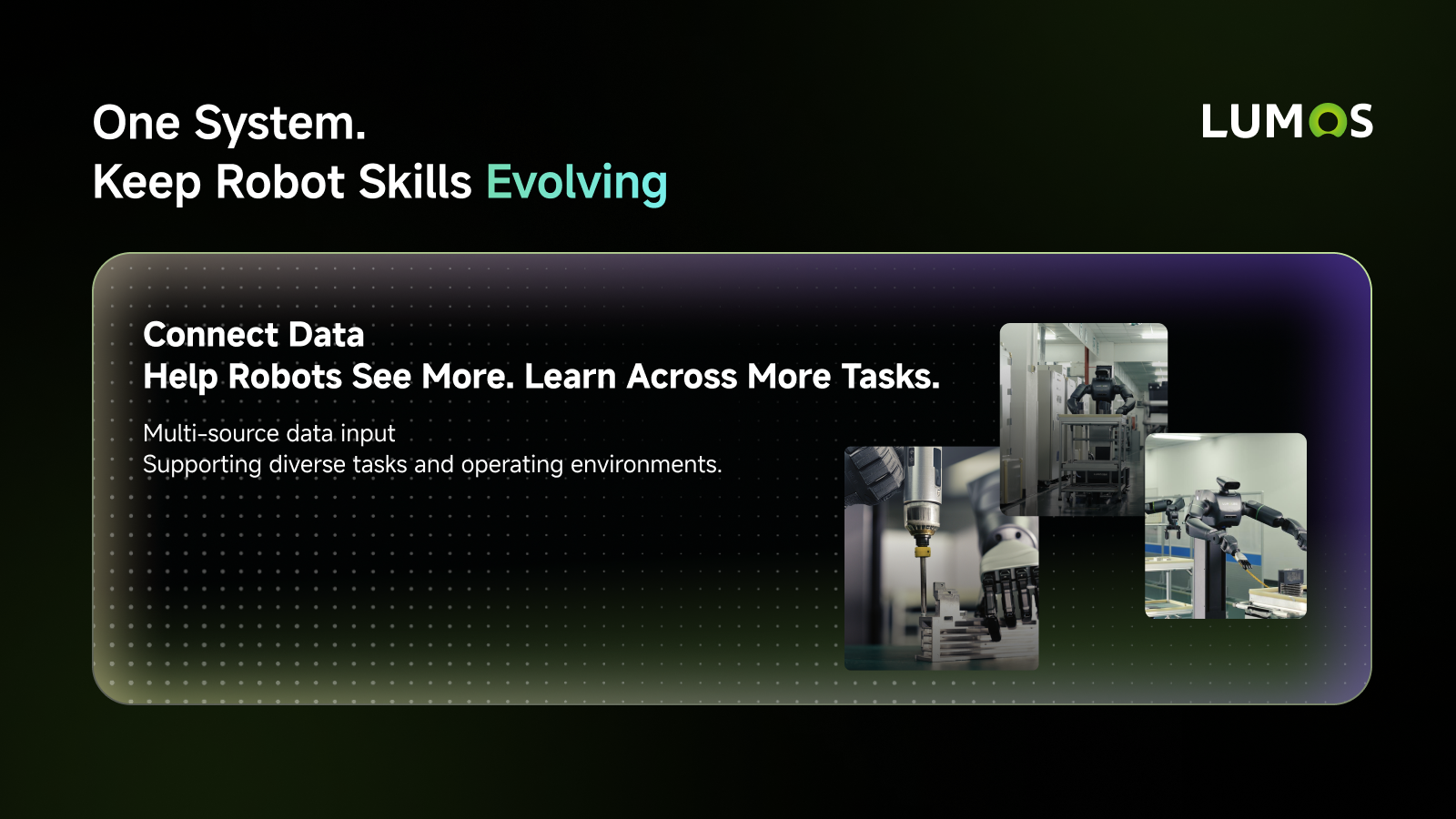
Lumos Robotics Launches NexCore to Make Robots More Plug-and-Play
New embodied AI platform cuts robotic skill development from weeks to days, helping enterprises create, deploy and continuously improve robot skills without building a full in-house AI engineering stack.

Japan's New ISS Robot Contest Isn't New, and Japan Isn't on the Podium
Japan is framing a new AI robot contest on the ISS as fresh national strategy, but a nearly identical JAXA-NASA competition has run for six years, and a Philippine state university has out-scored Japan's own entrants twice.
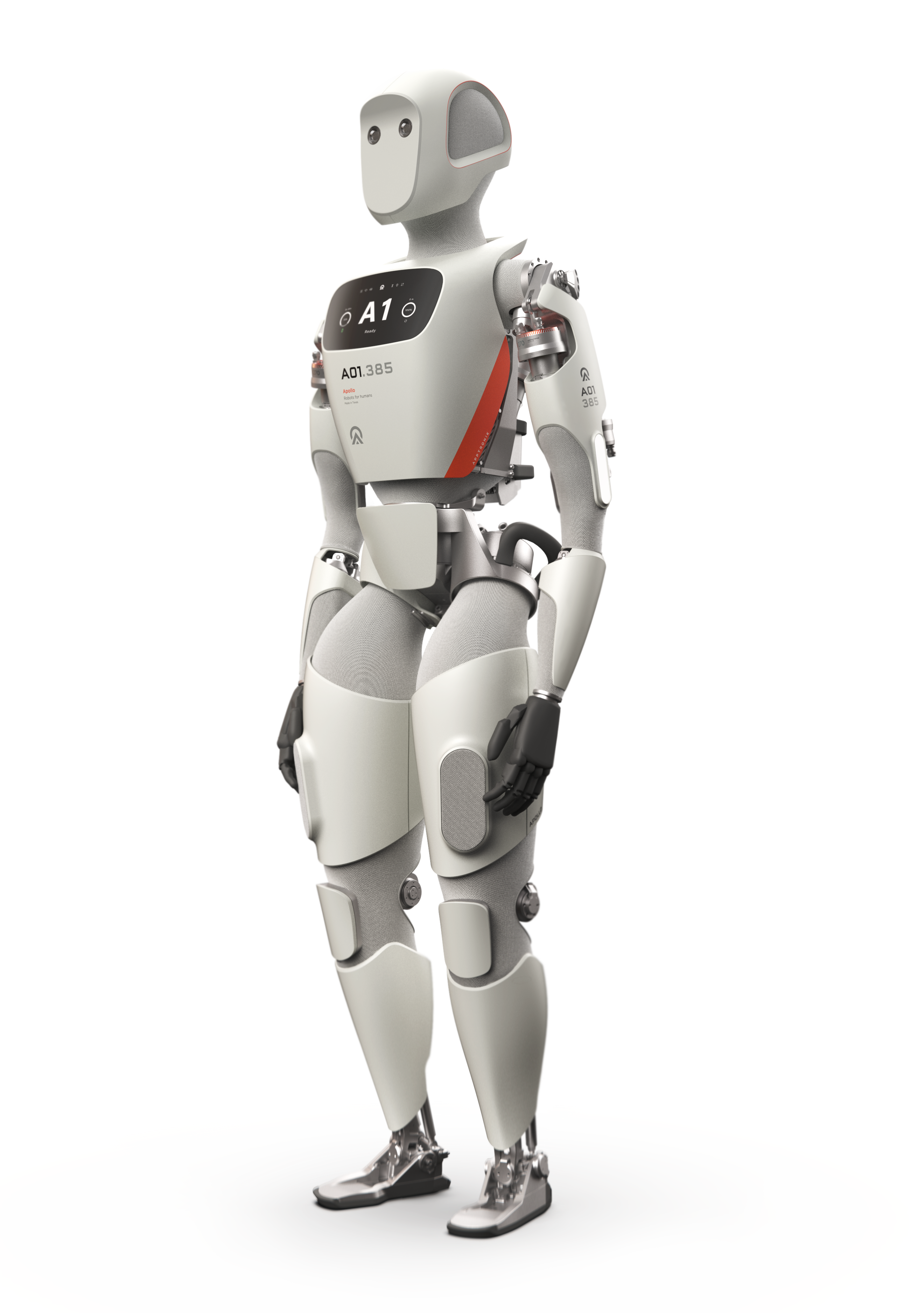
The Gulf Isn't Choosing Sides Between China and America. It's Choosing Layers.
G42 spent two years divesting from Chinese tech to protect its Nvidia chip access, yet Abu Dhabi's Stone Venture just led a funding round for a Chinese quadruped maker, and Qatar's fund backs a US humanoid rival. Gulf sovereign capital is splitting its China exposure by technology layer, not by country: chips face the same alliance discipline that reshaped G42, while finished robots move freely across both sides.

Washington's Robot Ban Has Cleared Exactly Two Companies, and Neither Is Chinese
Seven weeks after the FCC added foreign-made robots to its national-security Covered List, the only two device families cleared for exemption are a Swedish lawn mower maker and an Indian warehouse-robot startup, not the Chinese humanoid producers the rule is widely assumed to target, exposing a gap between the policy's framing and its actual early effect on buyers and vendors.