Komatsu Already Has 1,000 Autonomous Trucks. GXO's 1,000 Robots Are Still a Promise.
Two robotics announcements this week shared the number 1,000. Only one of them describes machines that are actually running.


Komatsu Already Has 1,000 Autonomous Trucks. GXO's 1,000 Robots Are Still a Promise.
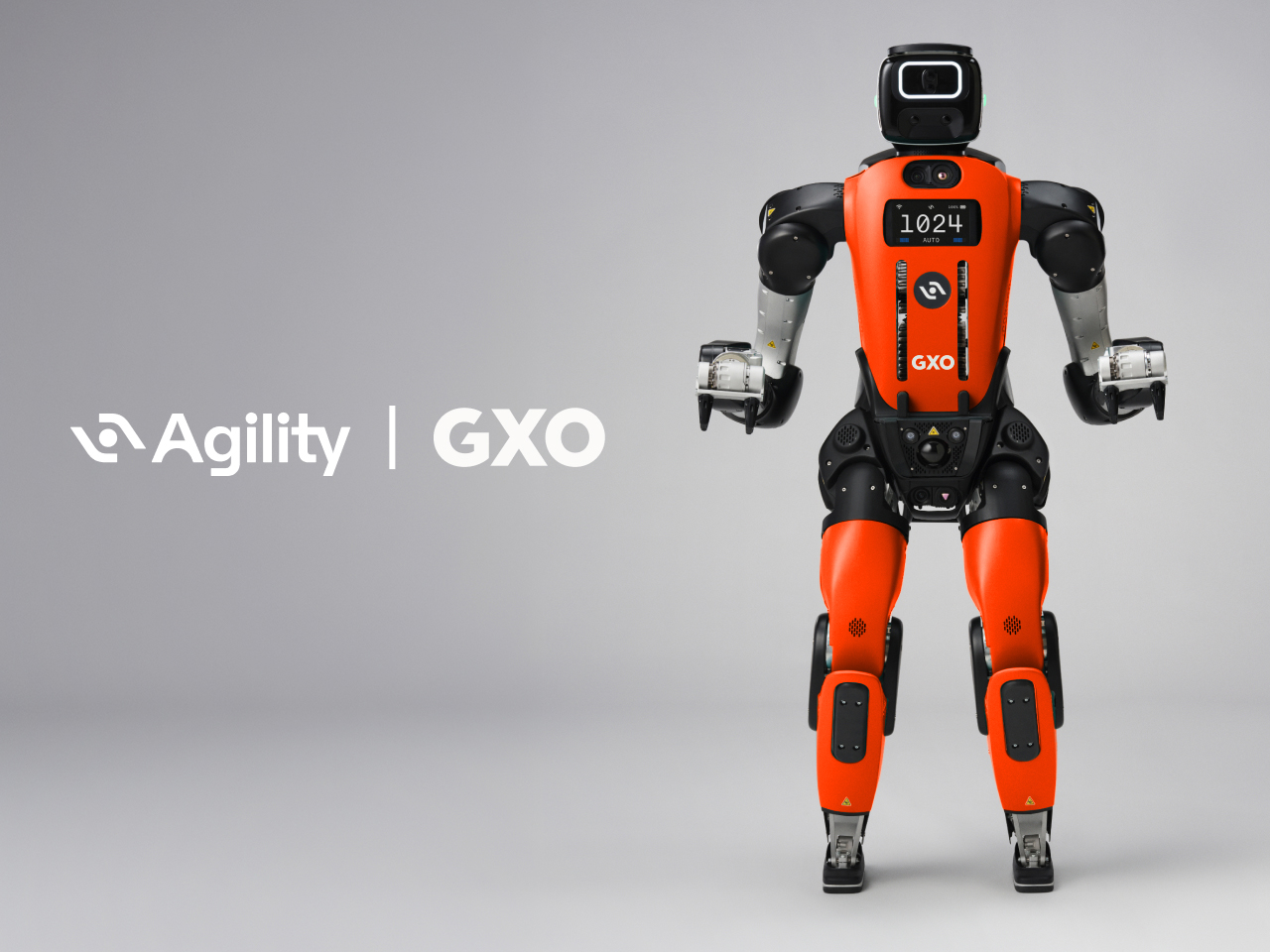
Two autonomy announcements landed inside a single week, each built around a round number. Komatsu said it had commissioned its 1,000th autonomous ultra-class haul truck. GXO and Apptronik said they had agreed on a letter of intent to deploy up to 1,000 humanoid robots across GXO's warehouse network. Skim both headlines and the two numbers look like evidence of the same thing: heavy-duty autonomy has arrived, at scale, in two different industries at once. Read past the headline, and the two numbers are not the same kind of fact at all.
One fleet already exists. The other fleet is a ceiling nobody has reached yet.
I spend most of my working days updating this site's company and robot taxonomy by hand, which means I end up staring at a lot of fleet-size claims and asking the same boring question: how many of these units are doing the job right now, today, versus how many are a plan with a number attached. This week's pair of "1,000" stories is as clean a test case for that question as I have seen.
A Milestone Komatsu Spent Eighteen Years Earning
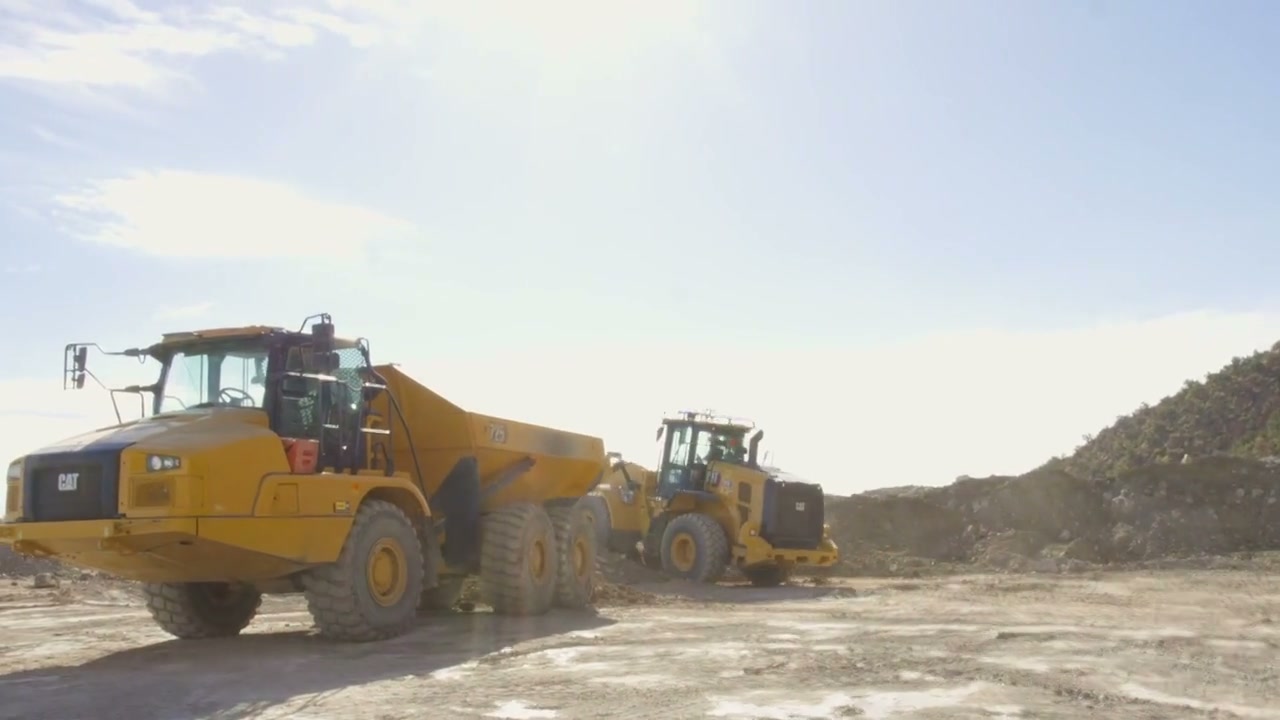
Komatsu's FrontRunner autonomous haulage system went commercial in 2008. The 1,000th ultra-class truck running on it, a 930E-5AT, was commissioned in April at Barrick's Nevada Gold Mines operation, making Komatsu the first heavy-equipment maker to cross that line. More than 500 of those commissioned trucks are the 930E model alone, and Komatsu puts FrontRunner's cumulative haulage, across every mine that has deployed it, above 11.5 billion metric tons of material moved.
That last figure is the one worth sitting with. Eleven and a half billion tons is not a projection. It is dirt and ore that machines without a driver in the cab have already physically moved, loaded, hauled and dumped, one truck at a time, across nearly two decades of paying mine customers. The "1,000" in that headline is a trailing count of machines that were already doing the job. Nobody at Komatsu is hoping the fleet reaches 1,000 trucks. It already has, and the company's own press release was simply catching up to count it.
What "Up to 1,000" Actually Commits To
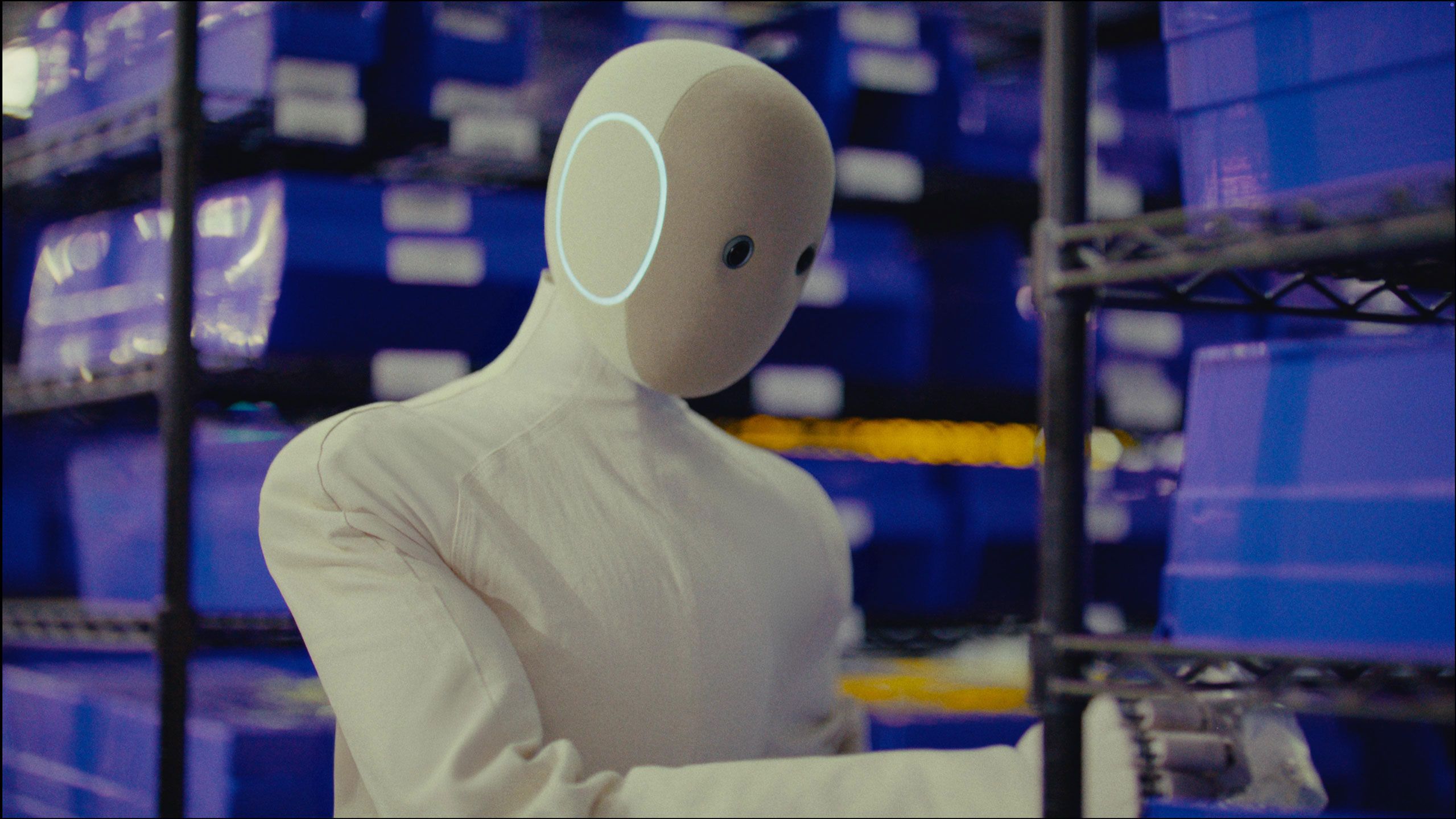
GXO and Apptronik's letter of intent reads differently once you get past the number. The agreement covers four named warehouse workflows: picking, case and tote movement, packing and sortation. None of them go live on signing. The companies describe 2027 as the point when expanded live-operation trials begin, with each workflow measured against productivity, safety and operational benchmarks before it is cleared for wider rollout. Only if those benchmarks clear does the deal point toward a global deployment of up to 1,000 Apollo units over four years, with the first units planned for North America in late 2027.
So which number are we actually looking at: a fleet, or a hypothesis with a budget attached?
Under this specific agreement, as of this week, zero Apollo robots are deployed. Not a small number. Zero. The 1,000-unit figure is a ceiling the two companies have agreed to test toward, contingent on results nobody has generated yet, across tasks that have so far only been exercised in controlled data-collection runs rather than a live GXO floor running production volume. That is a meaningfully different kind of commitment than "1,000 trucks already moved 11.5 billion tons of ore."
A 2027 Target Caterpillar Already Hit, Two Years Early
The same week also carried a second, smaller-scale version of this same gap. Komatsu, TIER IV and Komatsu's EARTHBRAIN subsidiary announced they are jointly developing full-cycle autonomy, loading, hauling and dumping, for three dump truck lines built for quarries and construction sites rather than giant open-pit mines, targeting 2027 for deployment in Japan and North America.
That target is not a frontier. A rival already crossed it. Caterpillar's autonomous Cat 777 haul trucks went live at Luck Stone's Bull Run quarry in November 2024, doing the same full loading-hauling-dumping cycle Komatsu and TIER IV are now targeting for 2027, on a smaller truck class than Komatsu's flagship, at an ordinary aggregates quarry rather than a flagship mine site built around a single custom autonomy program. By this September, Caterpillar was expanding that same quarry-scale autonomy to two more Virginia sites with its Cat 775 trucks. Being the company that announces a target date is not the same as being the company that reaches it first.
None of that makes Komatsu and TIER IV's program pointless. Pairing an equipment maker with TIER IV's Autoware-based autonomy stack and a dedicated fleet-management layer from EARTHBRAIN is a genuinely different structure than Caterpillar building its stack entirely in-house, and a structure other equipment makers without Caterpillar's decade of internal autonomy investment will likely have to copy. But it means the right way to read "2027" is as a catch-up date against an existing competitor, not as the moment quarry autonomy becomes possible.
Mining Already Ran the Business-Model Experiment Humanoids Are Still Negotiating
Humanoid robotics coverage, including some of this site's own, treats Robotics-as-a-Service as a novel structure the industry is still figuring out, one where the robot maker absorbs the capital and uptime risk instead of the buyer. Mining solved that question years ago, and kept both answers. Komatsu and Caterpillar sell or license FrontRunner- and Command-equipped trucks to mines that take on the capital cost directly. Volvo's Autonomous Solutions runs the other model at the same time, charging customers per tonne of material moved rather than for the hardware itself. Both structures already carry real, paying tonnage. Vale's Northern System in Brazil runs 14 autonomous haul trucks today, under an agreement with Caterpillar to grow that fleet toward roughly 90 trucks by 2028. Caterpillar's own Command fleet stood at about 690 trucks at the end of 2024, against a stated goal of more than 2,000 by 2030.
Look at that pattern and the thing mining's autonomous-trucking business has that GXO and Apptronik's letter of intent does not is not a particular financing structure. It is a present-tense fleet sitting underneath every future-tense target. Vale's 90-truck goal for 2028 is a growth plan layered on top of 14 trucks already working. Caterpillar's 2,000-truck goal for 2030 sits on top of roughly 690 trucks already working. GXO and Apptronik's 1,000-robot ceiling for 2027 to 2031 sits on top of nothing currently running under that agreement at all.
Mining didn't get its thousand trucks by announcing them. It got there one mine contract at a time, for the better part of two decades, before anyone outside the industry called it a fleet.
What Actually Separates the Two Industries, and What to Watch
None of this is an argument that humanoid warehouse robots are behind schedule because someone is slacking. A haul road is a closed, fixed, largely pedestrian-free environment that mining autonomy has spent twenty years hardening against; a GXO distribution center has forklifts, seasonal volume swings and people working the next aisle over on an overlapping shift. Picking, packing and sortation vary task to task in ways a fixed mine haul route does not. Slower validation for a harder, less structured problem is the rational choice, not evidence that Apptronik or GXO are behind where they should be.
What is avoidable is treating a 1,000-unit ceiling and a 1,000-truck trailing count as comparable facts just because they share a digit. Between now and 2027, the number worth tracking in the GXO and Apptronik partnership is not the eventual unit ceiling. It is whether Apollo clears its first KPI-benchmarked, production-volume pick at a single GXO site, on any one of the four named workflows, before that date arrives. And on the construction-autonomy side, the number worth tracking is whether Komatsu and TIER IV's three truck models actually reach commercial deployment on their stated 2027 schedule, now that Caterpillar's quarry results have already shown the bar is reachable years earlier than Komatsu's own target date.
This analysis is for general information purposes only and does not constitute investment, legal, or procurement advice. Readers should conduct independent due diligence before making business or purchasing decisions related to the companies, products, or technologies discussed.
Hero image: a Komatsu 930E-5AT autonomous haul truck running on the FrontRunner system at Nevada Gold Mines' Cortez operation. Credit: Komatsu America Corp.