

DESCRIPTION
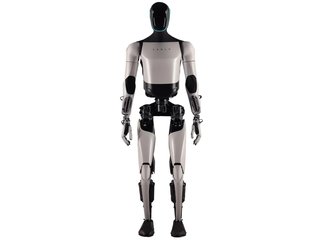
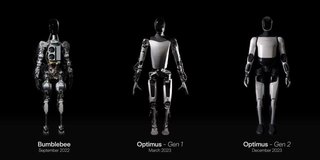
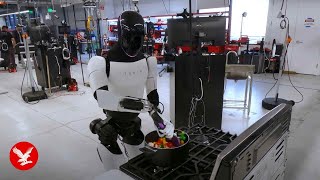
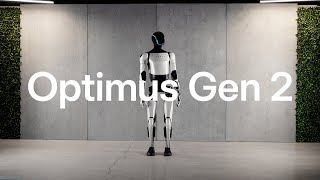
Optimus Gen 3 is the third-generation general-purpose humanoid robot developed by Tesla, Inc., representing Tesla’s long-term vision of scalable, human-centric robotics designed to remove humans from repetitive, dangerous, and physically demanding work. First announced as part of Tesla’s broader artificial intelligence roadmap in 2021, the Optimus program has progressed through multiple prototype generations. Optimus Gen 3, unveiled publicly in 2024–2025, marks a significant step toward production-intent design, focusing on improved dexterity, balance, intelligence integration, and manufacturability. Unlike traditional industrial robots that are fixed, single-purpose, and heavily programmed, Optimus Gen 3 is designed to operate in human environments, using vision-based perception and learning-based control to adapt to a wide range of tasks. Tesla positions Optimus as a foundational platform that could eventually operate across factories, warehouses, service environments, and—at a later stage—domestic settings. The broader objective behind Optimus is to enable scalable physical labor automation, addressing labor shortages, safety concerns, and productivity constraints through a robot that can learn, generalize, and improve over time.
FEATURES
- Bipedal humanoid design with human-like movement and dexterity
- Advanced AI and autonomy based on Tesla’s Full Self-Driving (FSD)
- Neural networks tailored for robot control
- Capable of walking at approx. 8 km/h (5 mph)
- Dexterous hands with many degrees of freedom for fine manipulation
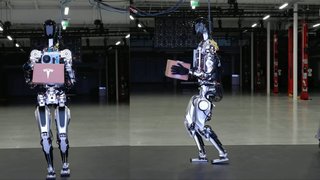
- Designed for general tasks in human environments (assembly, logistics, etc.)
- Electric custom actuators
- Hands with multi-DoF for precise manipulation
TECHNICAL SPECIFICATIONS
| Physical | |
| Weight | 60 kg |
|---|---|
| Dimensions | H 1.73 m |
| Materials | Metal alloys and advanced plastics |
| Mobility | |
| Movement Type | Bipedal |
| Degrees of Freedom | 40 |
| Power | |
| Battery Life | Approx. 8 hours of use on a single charge under typical workloads, roughly equivalent to a standard work shift in light duty tasks |
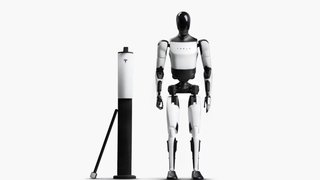
| Charging Type | Standard plug-in charging with smart autonomous docking/navigation to charger |
| Charging Time | Approx. 1-2 hours for a full charge from low to full under typical conditions (not fully published) |
| Sensing & Compute | |
| Sensors | Multiple cameras (similar to Tesla Autopilot cameras) for stereo/depth perception and object detection, Force and torque sensors in joints and feet for balance and interaction feedback, Tactile sensors in hands for precise grip and manipulation, Inertial measurement unit (IMU), gyroscopes, and accelerometers for motion and balance sensing |
| Connectivity | Wi-Fi (likely Wi-Fi 5/6) and Bluetooth for local communication. Possible Ethernet connectivity for wired connection options. Cloud integration for software updates, AI model improvements, and data handling. |
| Software / AI | Neural networks for perception & navigation Motion planning systems Speech/interaction AI (e.g., Grok AI for commands) |
TECHNICAL SPECIFICATIONS
| Physical | |
| Weight | 60 kg |
|---|---|
| Dimensions | H 1.73 m |
| Materials | Metal alloys and advanced plastics |
| Mobility | |
| Movement Type | Bipedal |
| Degrees of Freedom | 40 |
| Power | |
| Battery Life | Approx. 8 hours of use on a single charge under typical workloads, roughly equivalent to a standard work shift in light duty tasks |
| Charging Type | Standard plug-in charging with smart autonomous docking/navigation to charger |
| Charging Time | Approx. 1-2 hours for a full charge from low to full under typical conditions (not fully published) |
| Sensing & Compute | |
| Sensors | Multiple cameras (similar to Tesla Autopilot cameras) for stereo/depth perception and object detection, Force and torque sensors in joints and feet for balance and interaction feedback, Tactile sensors in hands for precise grip and manipulation, Inertial measurement unit (IMU), gyroscopes, and accelerometers for motion and balance sensing |
| Connectivity | Wi-Fi (likely Wi-Fi 5/6) and Bluetooth for local communication. Possible Ethernet connectivity for wired connection options. Cloud integration for software updates, AI model improvements, and data handling. |
| Software / AI | Neural networks for perception & navigation Motion planning systems Speech/interaction AI (e.g., Grok AI for commands) |
Images
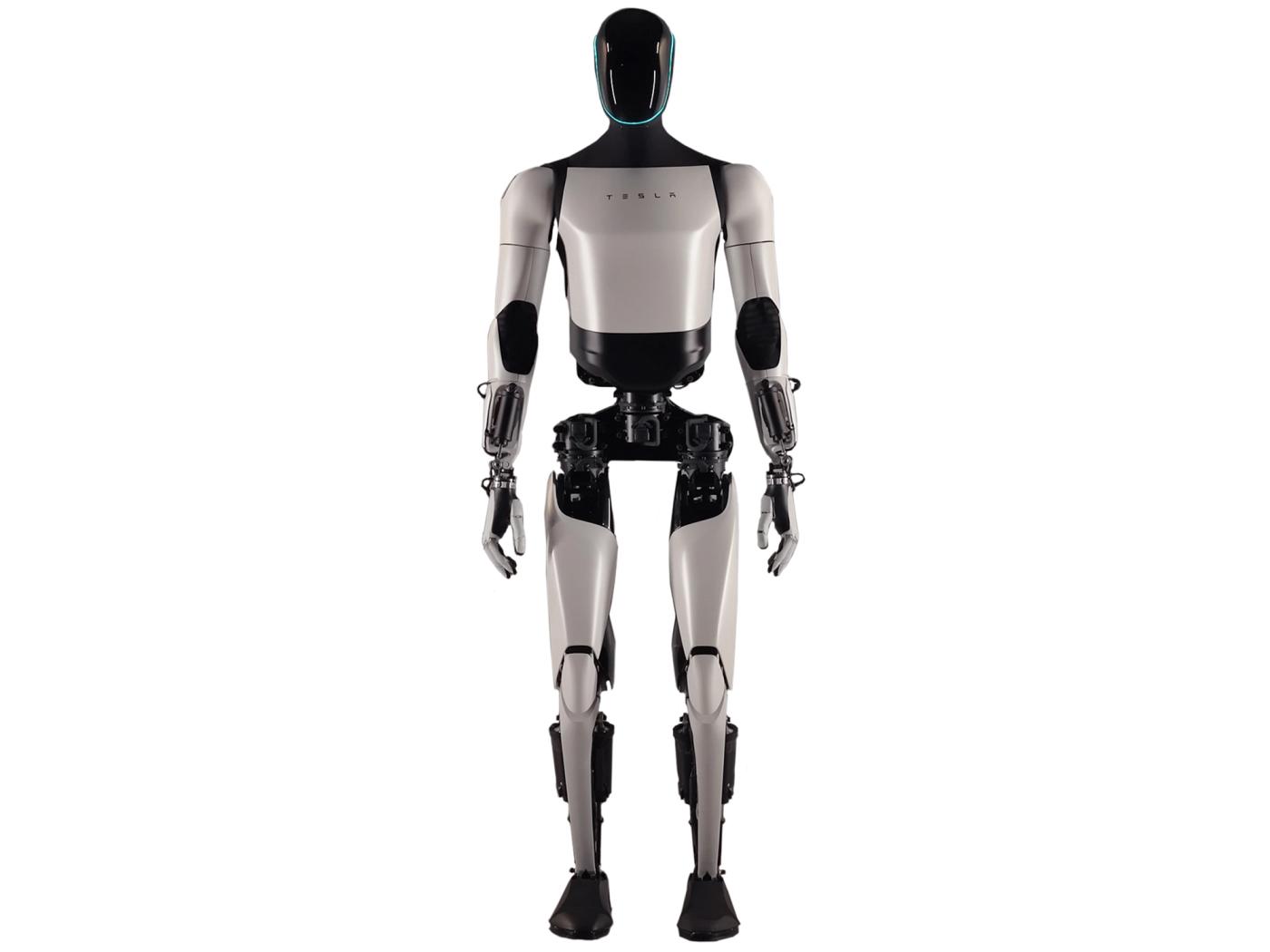

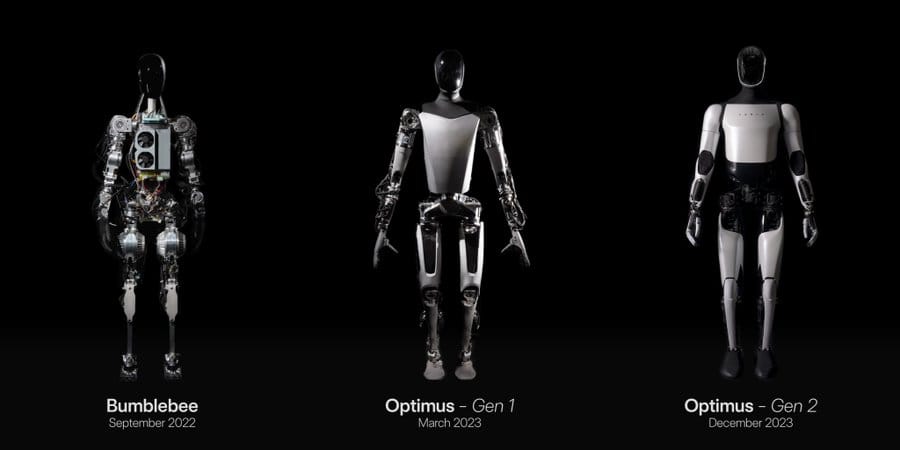
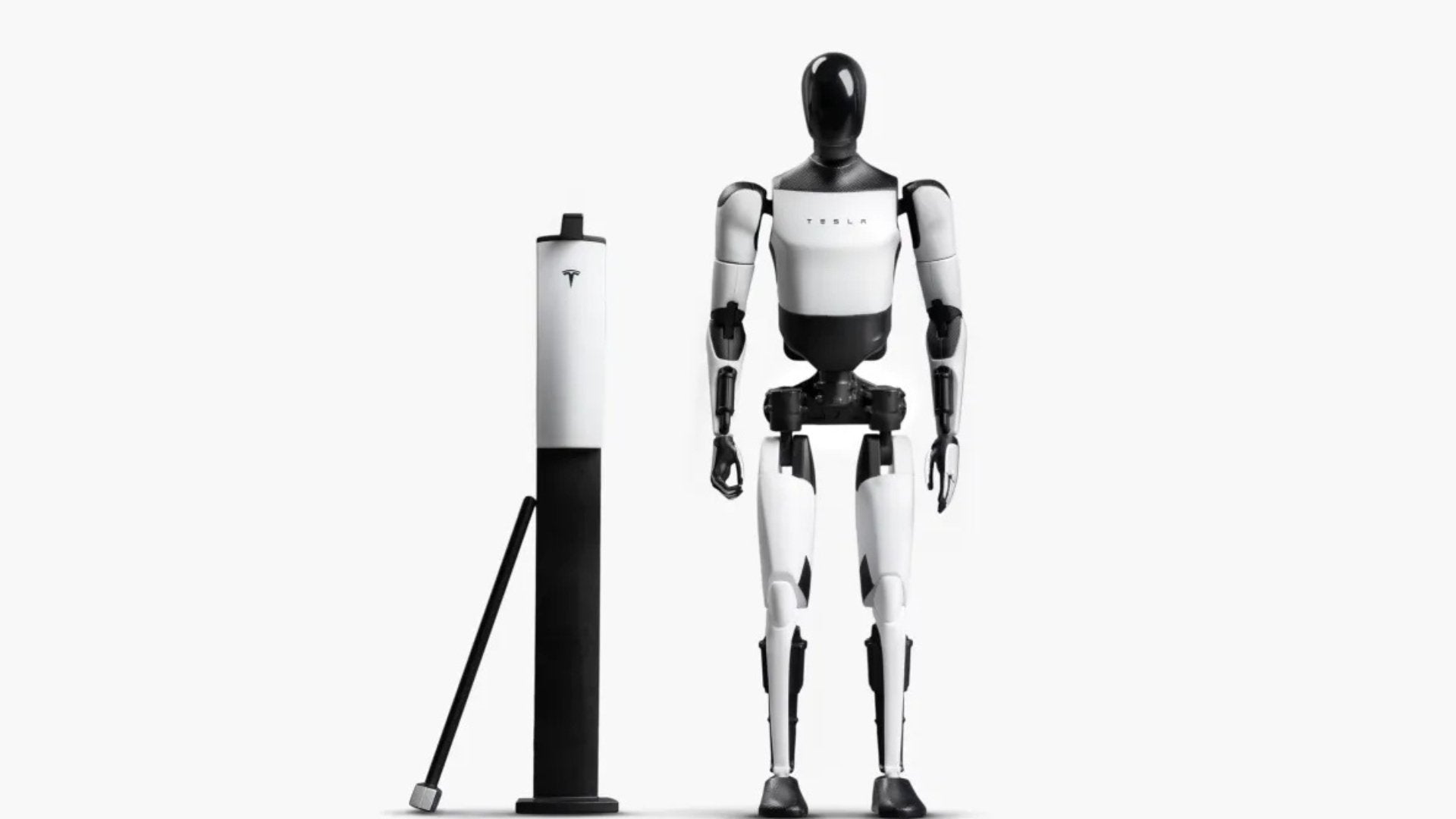
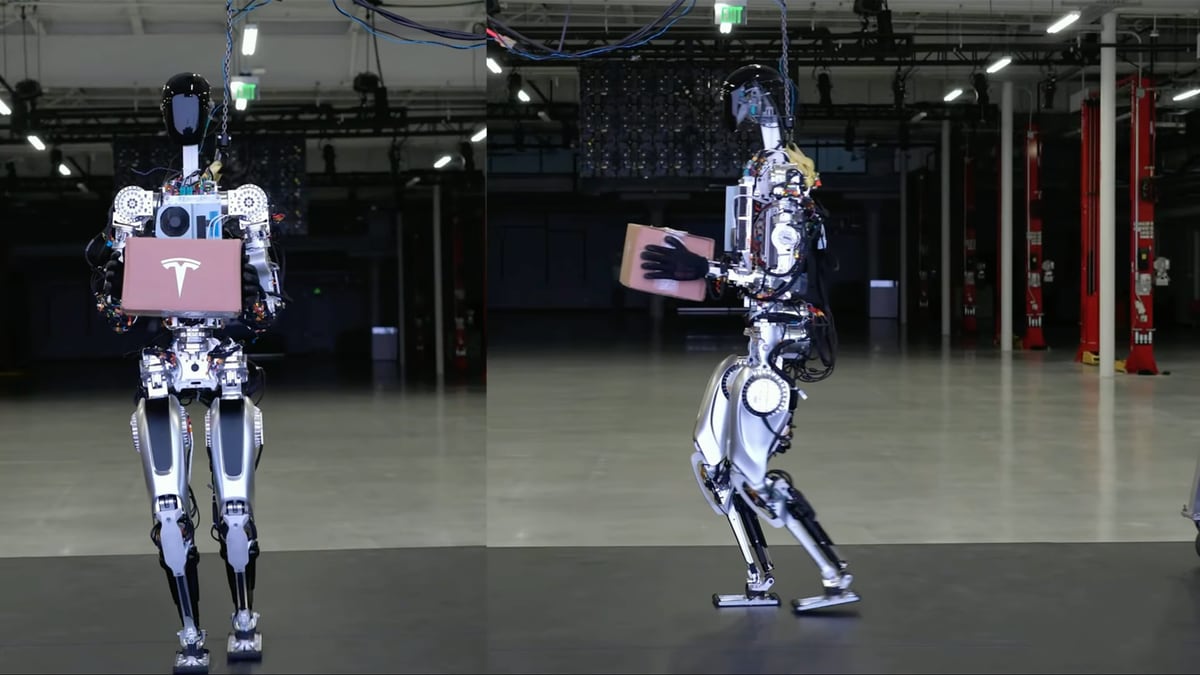
Image Contributions
ROBOT FORUMS
Loading forums...
RATINGS
FREQUENTLY ASKED QUESTIONS
What is the Tesla Optimus (Tesla Bot)?
Optimus Gen 3 is the third-generation general-purpose humanoid robot developed by Tesla, Inc., representing Tesla’s long-term vision of scalable, human-centric robotics designed to remove humans from repetitive, dangerous, and physically demanding work.
Who makes the Tesla Optimus (Tesla Bot)?
The Tesla Optimus (Tesla Bot) is made by Tesla, a robotics company based in United States.
How much does the Tesla Optimus (Tesla Bot) cost?
Tesla has not publicly announced pricing for the Tesla Optimus (Tesla Bot). You can enquire through RobotAIGeek for current pricing.
What is the Tesla Optimus (Tesla Bot) used for?
The Tesla Optimus (Tesla Bot) is designed for material-handling and helping. It is used in warehouse & logistics and manufacturing settings.
How much does the Tesla Optimus (Tesla Bot) weigh?
The Tesla Optimus (Tesla Bot) weighs 60 kg.
What is the battery life of the Tesla Optimus (Tesla Bot)?
The Tesla Optimus (Tesla Bot) runs for Approx. 8 hours of use on a single charge under typical workloads, roughly equivalent to a standard work shift in light duty tasks on a charge. It takes Approx. 1-2 hours for a full charge from low to full under typical conditions (not fully published) to charge.
How many degrees of freedom does the Tesla Optimus (Tesla Bot) have?
The Tesla Optimus (Tesla Bot) has 40 degrees of freedom.
COMPARE WITH SIMILAR ROBOTS
See how this robot stacks up against its closest alternatives
- Tesla Optimus (Tesla Bot) vs Phoenix
- Tesla Optimus (Tesla Bot) vs Unitree H2
- Tesla Optimus (Tesla Bot) vs AiMOGA Humanoid Robot
- Tesla Optimus (Tesla Bot) vs Digit
- Tesla Optimus (Tesla Bot) vs Apollo