


DESCRIPTION
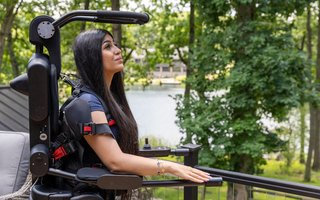
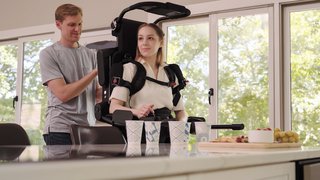
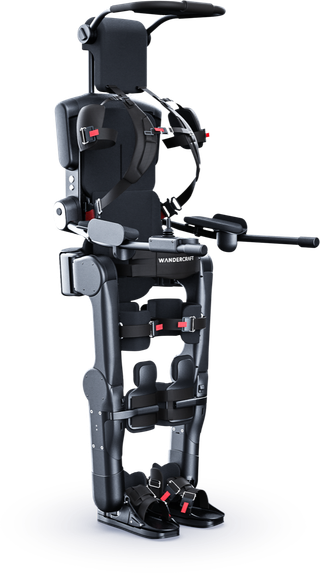
Eve is Wandercraft's personal exoskeleton: the same self-balancing walking technology as its clinical Atalante X, but built to leave the clinic and go home with the person who walks in it. It lets a wheelchair user stand and walk hands-free - no crutches, no walker - so they can turn, reach and use their hands while upright, at a kitchen counter, in conversation at eye level, or getting to the bathroom sink. Because it balances itself, upright autonomy is possible even without trunk control. It is designed to complement a wheelchair, not replace it. It has 12 motors, four hours of battery life and multi-directional movement, and both the hardware and the software are customised to the individual user, built with medical-grade components for daily use. Eve is FDA-cleared under K260381 for adults with spinal cord injury at any neurological level - a Class II prescription device, so a licensed practitioner has to prescribe it after an individual assessment - and becomes commercially available in the United States on 17 September 2026, with other regions to follow. It is fitted to the user's measurements, up to 100 kg and 1.94 m, within set ranges for thigh length, leg length, pelvis width and joint mobility. It is always used in the presence of a trained companion, who is assessed and certified alongside the user in a five-session programme of about two hours each. It works on level indoor surfaces and level open-air areas of the user's own building, and is not for stairs, slopes or ramps, wet or icy ground, crowded areas, roadways or sports.
FEATURES
- Self-balancing personal exoskeleton - stand and walk hands-free
- No crutches or walker
- usable without trunk control
- 12 motors
- 4 hours of battery life
- Multi-directional movement
- Hardware and software customised to the individual user
- FDA cleared under K260381 for adults with spinal cord injury at any level
- Class II prescription device
- Commercially available in the United States from 17 September 2026
- Fitted to the user: up to 100 kg and 1.94 m
- Used in the presence of a trained, certified companion
- Five-session certification programme for user and companion
- For level indoor surfaces and level open-air areas of the user's building
TECHNICAL SPECIFICATIONS
Verified| Physical | |
| Payload | 100 kg |
|---|---|
| Mobility | |
| Movement Type | Other, Bipedal |
| Degrees of Freedom | 12 |
| Environment | Level indoor surfaces and level open-air areas of the user's own building. |
| Actuators | 12 motors |
| Power | |
| Battery Life | 4 hours |
TECHNICAL SPECIFICATIONS
Verified| Physical | |
| Payload | 100 kg |
|---|---|
| Mobility | |
| Movement Type | Other, Bipedal |
| Degrees of Freedom | 12 |
| Environment | Level indoor surfaces and level open-air areas of the user's own building. |
| Actuators | 12 motors |
| Power | |
| Battery Life | 4 hours |
Images
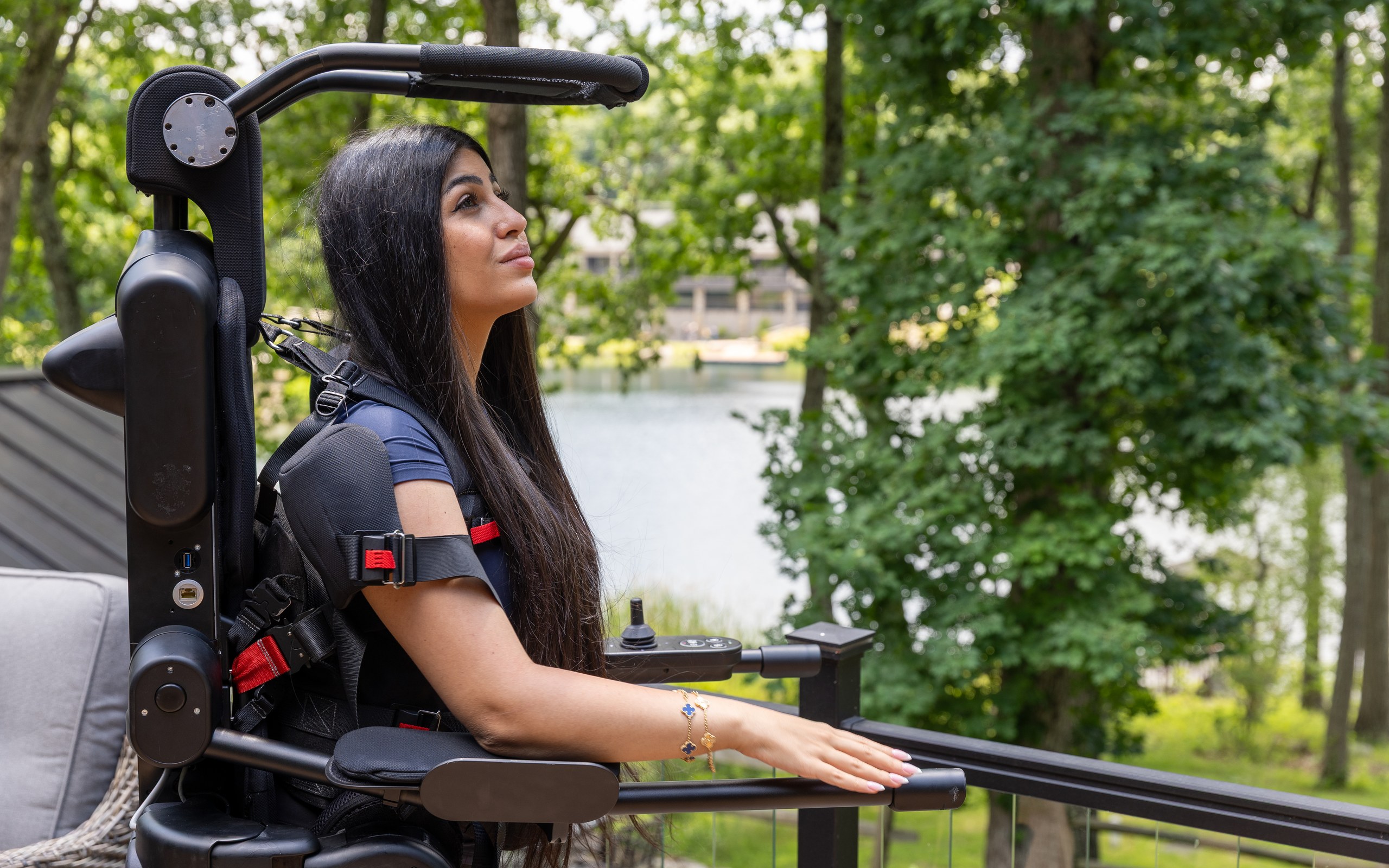
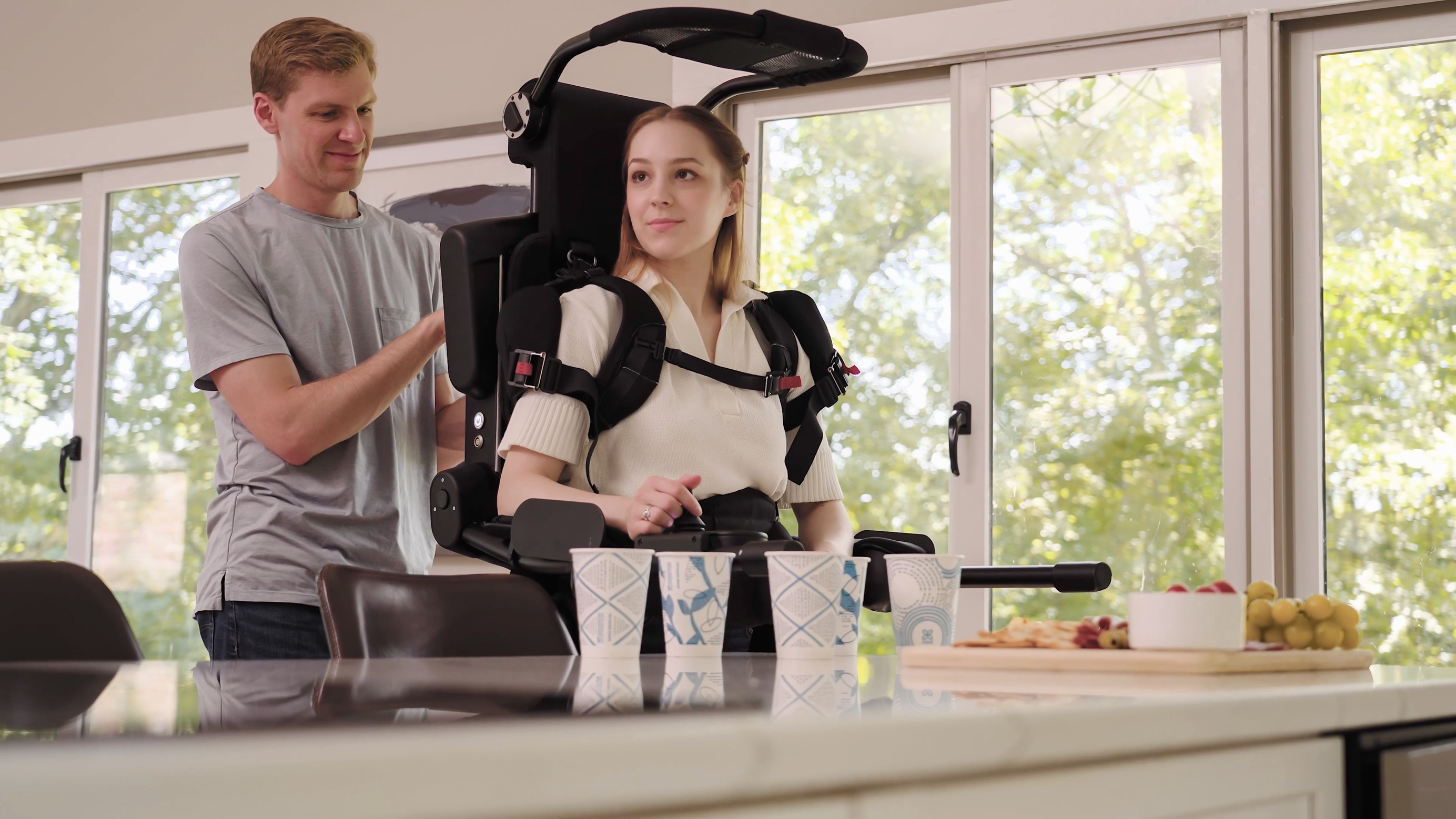
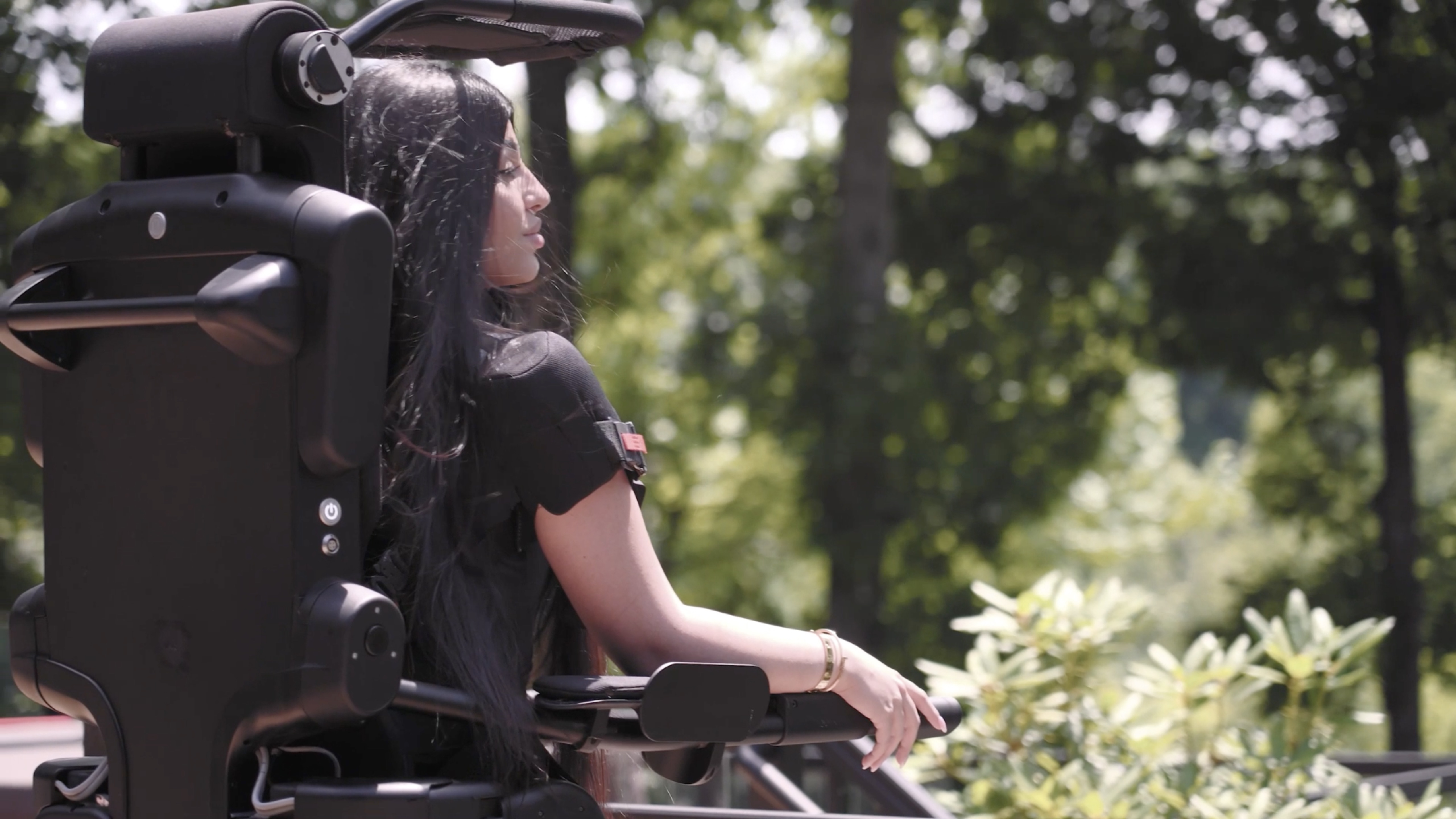
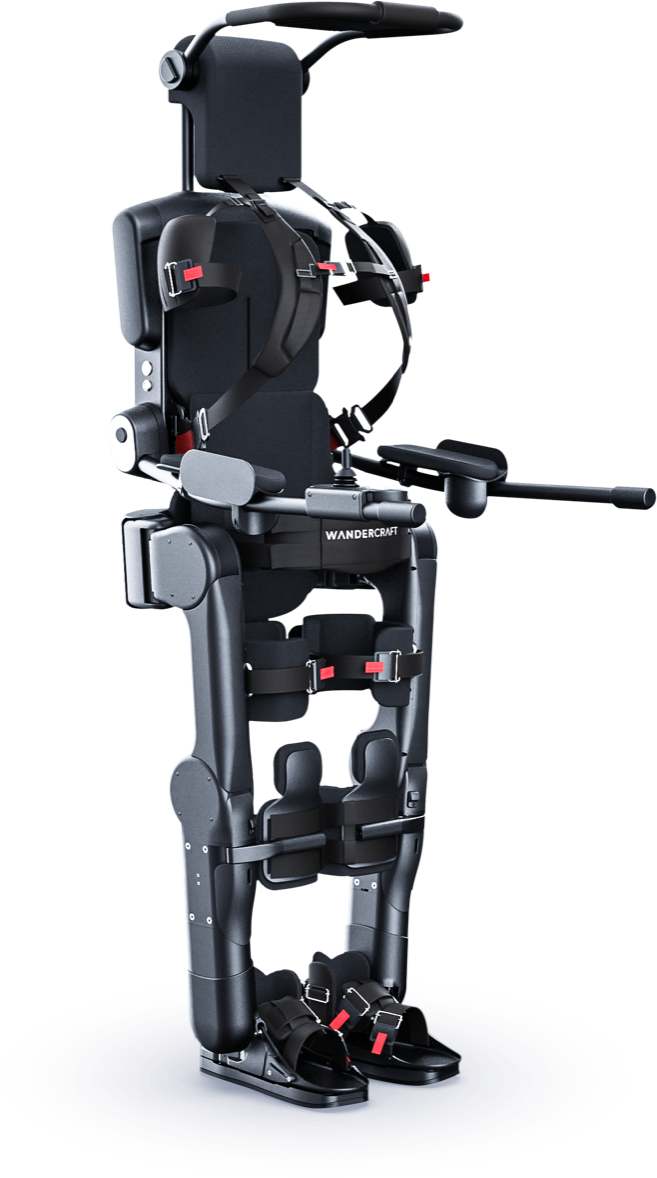
Image Contributions
Videos
ROBOT FORUMS
Loading forums...
RATINGS
FREQUENTLY ASKED QUESTIONS
What is the Eve?
Eve is Wandercraft's personal exoskeleton: the same self-balancing walking technology as its clinical Atalante X, but built to leave the clinic and go home with the person who walks in it.
Who makes the Eve?
The Eve is made by Wandercraft, a robotics company based in France.
How much does the Eve cost?
Wandercraft has not publicly announced pricing for the Eve. You can enquire through RobotAIGeek for current pricing.
What is the Eve used for?
The Eve is designed for assistance, medical-assistance, and rehabilitation. It is used in healthcare and homes settings.
What is the payload capacity of the Eve?
The Eve has a payload capacity of 100 kg.
What is the battery life of the Eve?
The Eve runs for 4 hours on a charge.
How many degrees of freedom does the Eve have?
The Eve has 12 degrees of freedom.
When was the Eve released?
The Eve was released in 2026.
COMPARE WITH SIMILAR ROBOTS
See how this robot stacks up against its closest alternatives
Alternatives to Eve →