
Mini Pi vs yobot R2V1
High Torque Technology vs Openmind Intelligent Robot — specs, price, and data-backed comparison.
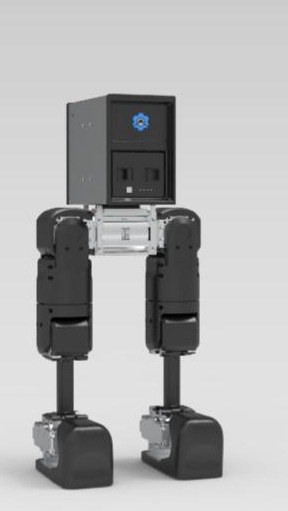
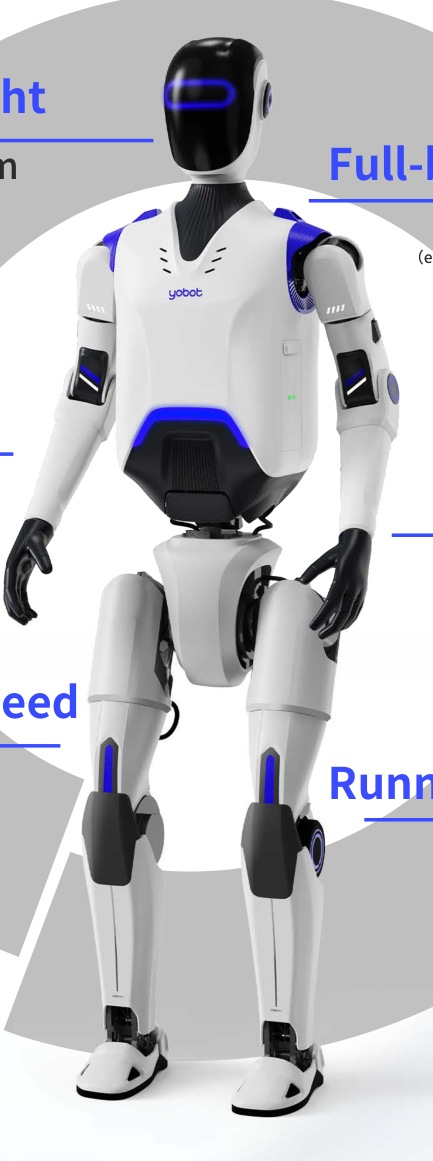
RESUMO RÁPIDO
- yobot R2V1 oferece a maior autonomia (120 min contra 90 min).
- yobot R2V1 oferece mais graus de liberdade (22 contra 12).
- Mini Pi oferece a construção mais leve (7 kg contra 43 kg).
COMPARAÇÃO DE ESPECIFICAÇÕES
| Mini Pi | yobot R2V1 | |
|---|---|---|
| Empresa | High Torque Technology | Openmind Intelligent Robot |
| Categoria | Educational-Robots | Educational-Robots |
| Preço: | Não divulgado | Não divulgado |
| Peso | 7 kg | 43 kg |
| Graus de liberdade | 12 | 22 |
| Velocidade | — | 3.6 km/h |
| Autonomia da bateria | 90 min | 120 min |
| Conectividade | Bluetooth and Wi-Fi (Pi); WNIC (Pi Pro); USB 3.0 x1, USB 2.0 x3 and HDMI 2.0 x1 (Pi), Type-C x2, USB 2.0 x2 and HDMI 2.0 x1 (Pi Pro) | Ethernet, Wi-Fi 6, Bluetooth and 5G; RJ45 x2 and USB 3.0 Type A x2 expansion; Ethernet port x4, USB 3.1 Type C x4; HDMI x1, AUX x1, RS485 x2, GMSL x6 |
| Software / IA | SDK interface with SDK-based development, OTA and firmware upgrade; voice interaction | GOPS embodied-intelligence training framework developed with Tsinghua University, integrating 30+ reinforcement-learning algorithms for highly dynamic whole-body coordinated control; five control modes (zero-torque, standby, damping, debugging, motion); ROS 2, Python and C++ on Ubuntu with URDF, simulation models, EtherCAT and standard SDK; OTA with one-click upgrade and rollback |
Guias de compra e preços
PERGUNTAS FREQUENTES
Qual é a diferença entre o Mini Pi e o yobot R2V1?
Mini Pi é fabricado pela High Torque Technology, enquanto yobot R2V1 é fabricado pela Openmind Intelligent Robot. Ambos são da categoria educational-robots, então as diferenças se resumem a preço e especificações.
Qual tem a maior autonomia de bateria, o Mini Pi ou o yobot R2V1?
O yobot R2V1 tem a maior autonomia, com cerca de 120 minutos, contra cerca de 90 minutos do Mini Pi.