
Mini Pi vs yobot R2V1
High Torque Technology vs Openmind Intelligent Robot — specs, price, and data-backed comparison.
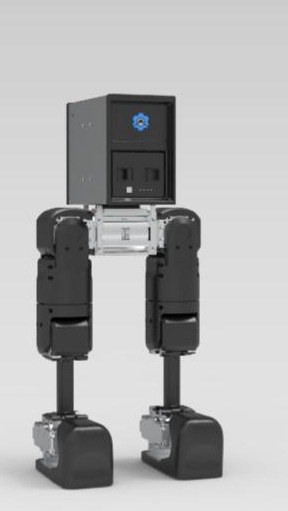
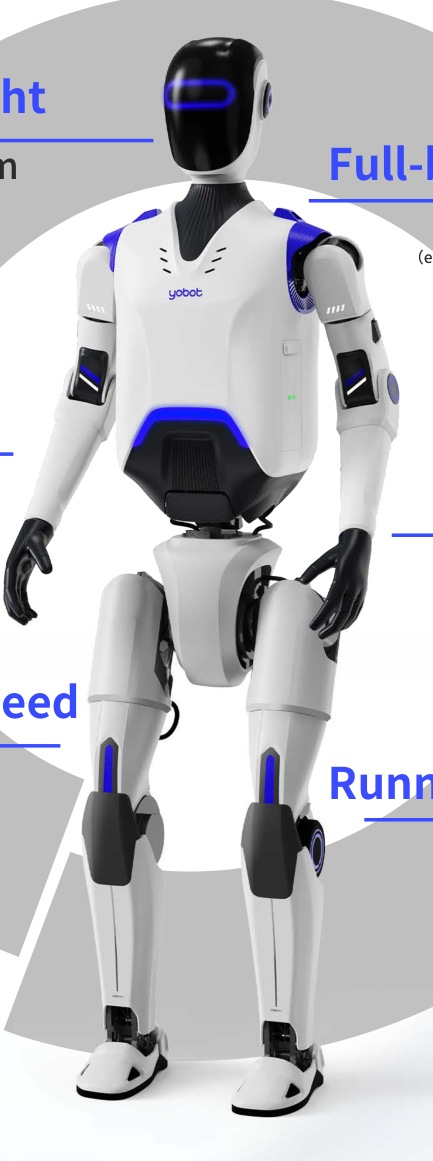
EN BREF
- yobot R2V1 offre la plus grande autonomie (120 min contre 90 min).
- yobot R2V1 offre davantage de degrés de liberté (22 contre 12).
- Mini Pi offre la construction la plus légère (7 kg contre 43 kg).
COMPARAISON DES CARACTÉRISTIQUES
| Mini Pi | yobot R2V1 | |
|---|---|---|
| Entreprise | High Torque Technology | Openmind Intelligent Robot |
| Catégorie | Educational-Robots | Educational-Robots |
| Prix : | Non annoncé | Non annoncé |
| Poids | 7 kg | 43 kg |
| Degrés de liberté | 12 | 22 |
| Vitesse | — | 3.6 km/h |
| Autonomie de la batterie | 90 min | 120 min |
| Connectivité | Bluetooth and Wi-Fi (Pi); WNIC (Pi Pro); USB 3.0 x1, USB 2.0 x3 and HDMI 2.0 x1 (Pi), Type-C x2, USB 2.0 x2 and HDMI 2.0 x1 (Pi Pro) | Ethernet, Wi-Fi 6, Bluetooth and 5G; RJ45 x2 and USB 3.0 Type A x2 expansion; Ethernet port x4, USB 3.1 Type C x4; HDMI x1, AUX x1, RS485 x2, GMSL x6 |
| Logiciel / IA | SDK interface with SDK-based development, OTA and firmware upgrade; voice interaction | GOPS embodied-intelligence training framework developed with Tsinghua University, integrating 30+ reinforcement-learning algorithms for highly dynamic whole-body coordinated control; five control modes (zero-torque, standby, damping, debugging, motion); ROS 2, Python and C++ on Ubuntu with URDF, simulation models, EtherCAT and standard SDK; OTA with one-click upgrade and rollback |
Guides d'achat et prix
QUESTIONS FRÉQUENTES
Quelle est la différence entre Mini Pi et yobot R2V1 ?
Mini Pi est fabriqué par High Torque Technology, tandis que yobot R2V1 est fabriqué par Openmind Intelligent Robot. Les deux appartiennent à la catégorie « educational-robots » ; les différences portent donc sur le prix et les caractéristiques.
Lequel a la meilleure autonomie de batterie, Mini Pi ou yobot R2V1 ?
yobot R2V1 a la meilleure autonomie, à environ 120 minutes, contre environ 90 minutes pour Mini Pi.