
Mini Pi vs yobot R2V1
High Torque Technology vs Openmind Intelligent Robot — specs, price, and data-backed comparison.
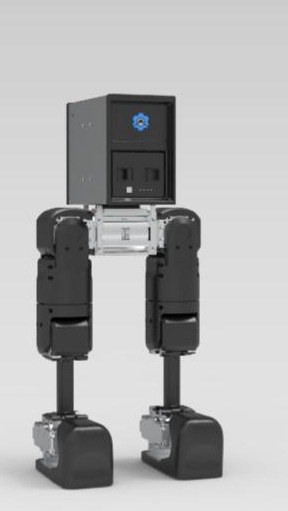
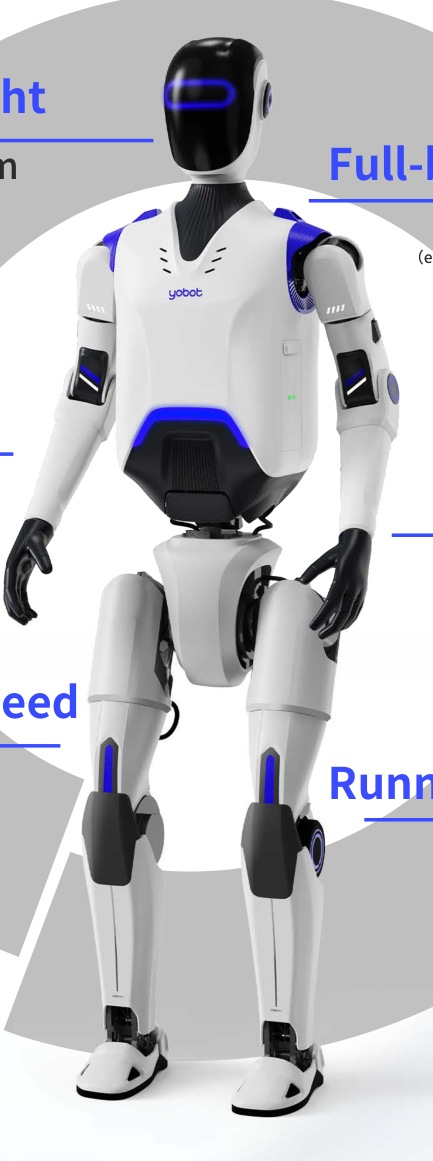
RESUMEN RÁPIDO
- yobot R2V1 ofrece la mayor autonomía (120 min frente a 90 min).
- yobot R2V1 ofrece más grados de libertad (22 frente a 12).
- Mini Pi ofrece la estructura más ligera (7 kg frente a 43 kg).
COMPARACIÓN DE ESPECIFICACIONES
| Mini Pi | yobot R2V1 | |
|---|---|---|
| Empresa | High Torque Technology | Openmind Intelligent Robot |
| Categoría | Educational-Robots | Educational-Robots |
| Precio: | No anunciado | No anunciado |
| Peso | 7 kg | 43 kg |
| Grados de libertad | 12 | 22 |
| Velocidad | — | 3.6 km/h |
| Autonomía de la batería | 90 min | 120 min |
| Conectividad | Bluetooth and Wi-Fi (Pi); WNIC (Pi Pro); USB 3.0 x1, USB 2.0 x3 and HDMI 2.0 x1 (Pi), Type-C x2, USB 2.0 x2 and HDMI 2.0 x1 (Pi Pro) | Ethernet, Wi-Fi 6, Bluetooth and 5G; RJ45 x2 and USB 3.0 Type A x2 expansion; Ethernet port x4, USB 3.1 Type C x4; HDMI x1, AUX x1, RS485 x2, GMSL x6 |
| Software / IA | SDK interface with SDK-based development, OTA and firmware upgrade; voice interaction | GOPS embodied-intelligence training framework developed with Tsinghua University, integrating 30+ reinforcement-learning algorithms for highly dynamic whole-body coordinated control; five control modes (zero-torque, standby, damping, debugging, motion); ROS 2, Python and C++ on Ubuntu with URDF, simulation models, EtherCAT and standard SDK; OTA with one-click upgrade and rollback |
Guías de compra y precios
PREGUNTAS FRECUENTES
¿Cuál es la diferencia entre Mini Pi y yobot R2V1?
Mini Pi está fabricado por High Torque Technology, mientras que yobot R2V1 está fabricado por Openmind Intelligent Robot. Ambos pertenecen a la categoría «educational-robots», por lo que las diferencias se reducen al precio y las especificaciones.
¿Cuál tiene mayor duración de batería, Mini Pi o yobot R2V1?
yobot R2V1 tiene la mayor autonomía, con unos 120 minutos, frente a unos 90 minutos de Mini Pi.