SKF Enters Humanoid Robot Supply Chain via Joint Venture with LeaderDrive
Swedish bearing and motion technology giant SKF has entered the humanoid robot market through a new joint venture with LeaderDrive, a Chinese manufacturer specializing in high-precision transmission components for robot joints. The partnership targets industrial humanoid applications, combining SKF's global manufacturing footprint with LeaderDrive's established position in robotic harmonic drives.
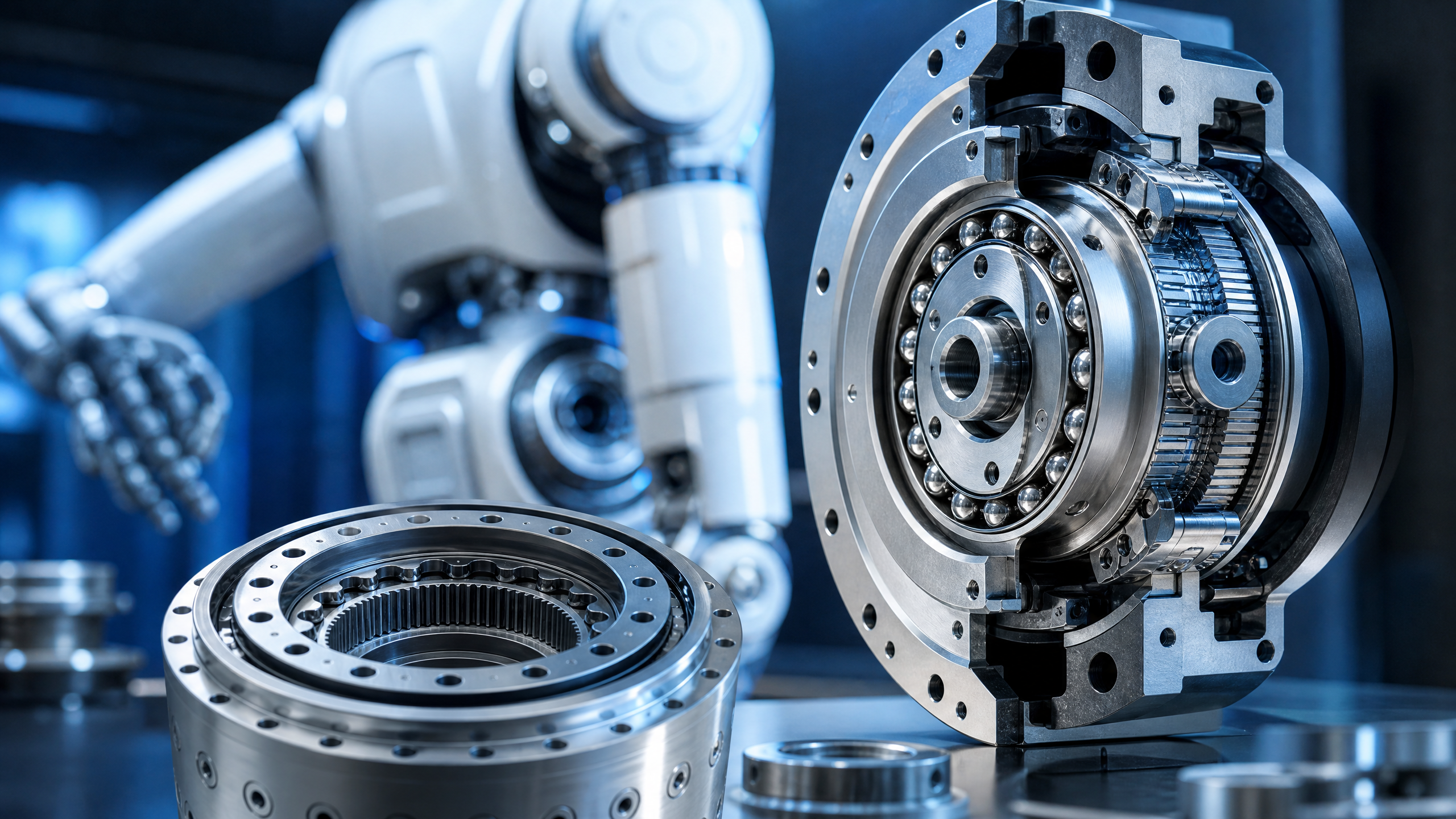
SKF, the Swedish bearing and motion technology company headquartered in Gothenburg with over 120 years of industrial components expertise and operations in more than 130 countries, has officially entered the humanoid robot market through a new joint venture with LeaderDrive. LeaderDrive, based in China, specializes in high-precision transmission components for robot joints, including harmonic drives and precision gearing used in collaborative and humanoid robotic platforms.
The partnership marks a significant strategic pivot for one of the world's oldest industrial components manufacturers. SKF's core business has historically served automotive, aerospace, and heavy industry customers with bearings, seals, and lubrication systems. The move into humanoid robotics represents a deliberate bet that the company's precision motion expertise will translate directly into the emerging embodied AI hardware stack.
Industrial Humanoids as the Target Market
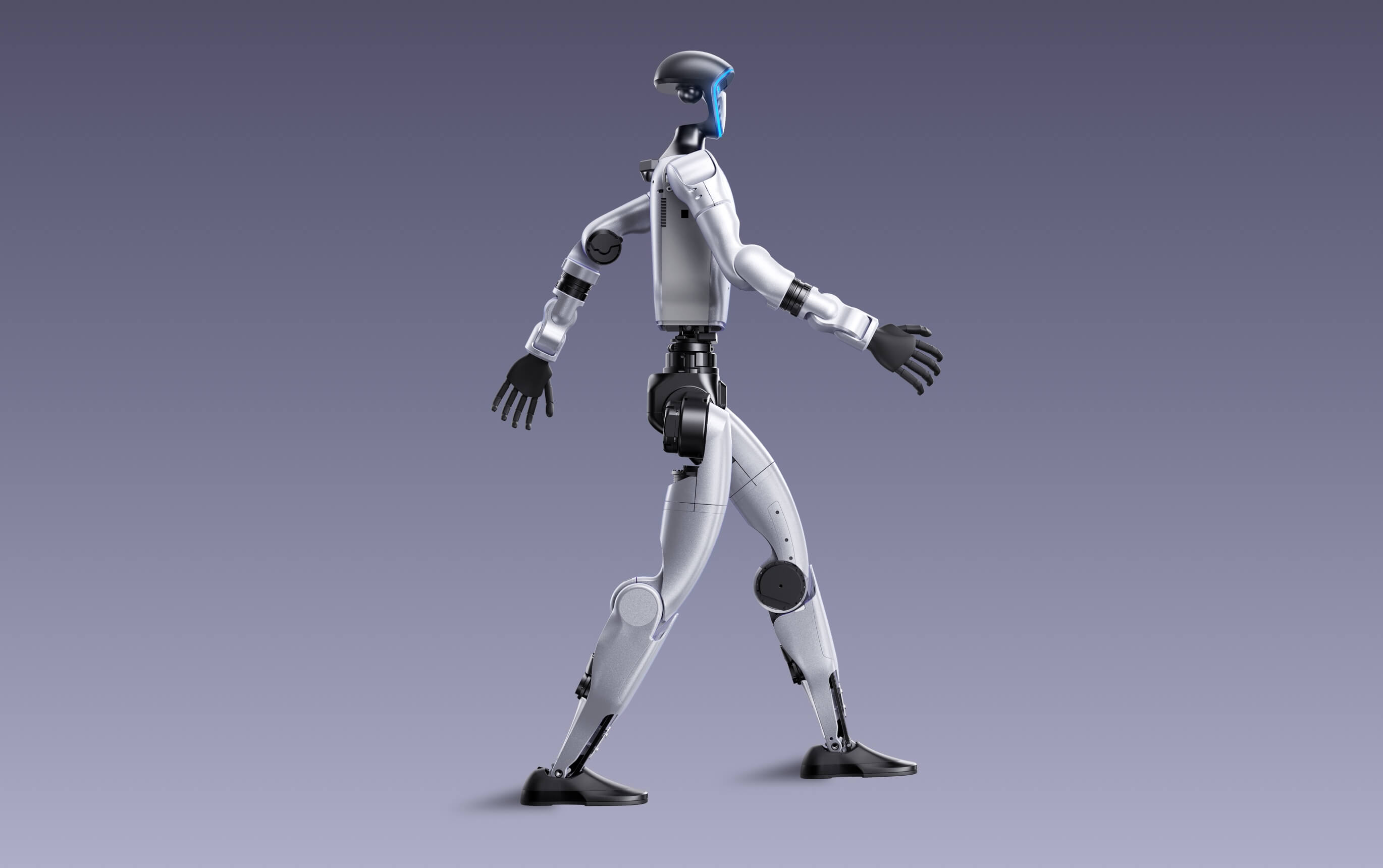
Following an internal study to identify its optimal role in the humanoid market, SKF concluded that its focus will remain strictly on humanoid robots designed for industrial applications rather than consumer or service roles. This strategic narrowing reflects a pragmatic assessment of where the first large-scale demand for humanoid hardware will materialize. Factory environments, with their predictable layouts, defined tasks, and existing maintenance infrastructure, represent the most viable near-term deployment context for humanoid form factors.
The joint venture leverages LeaderDrive's established position in robotic harmonic drives and precision gearing with SKF's global manufacturing footprint and bearing technology. Harmonic drives are a critical component in robotic joints, converting high-speed motor rotation into the precise, high-torque motion required for controlled limb movement. The quality and reliability of these components directly determines a humanoid robot's payload capacity, positional accuracy, and operational lifespan.
LeaderDrive has built a strong reputation in the Chinese robotics supply chain, providing transmission components to multiple domestic humanoid and collaborative robot manufacturers. The company's expertise in miniaturized, high-ratio gear systems addresses one of the key engineering challenges in humanoid design, specifically fitting sufficient torque capacity into joints that must remain compact enough to approximate human proportions.
Factory Floors Built for Human Form Factors
Industry observers note that the humanoid form factor aligns with existing manufacturing environments, which are already designed around human ergonomics. Workstations, tool heights, aisle widths, and safety systems are all calibrated for human-sized workers. This allows factories to deploy embodied AI without requiring massive capital expenditures to redesign production lines or workstations, a significant advantage over alternative robotic form factors that often require custom integration.
The ergonomic compatibility argument has become one of the strongest commercial cases for humanoid robots in industrial settings. Rather than retrofitting entire production lines to accommodate specialized robotic arms or mobile platforms, manufacturers can theoretically deploy humanoid workers into existing human workstations with minimal modification. This dramatically reduces the integration cost and timeline compared to traditional industrial automation.
Supply Chain Positioning in a Scaling Market
While broad deployment of industrial humanoids remains years away, SKF's early positioning ensures the company secures a foundational role in the hardware ecosystem required to support the next generation of automated manufacturing. The move follows a broader trend of legacy industrial suppliers entering the humanoid supply chain, recognizing that precision motion components will be a critical bottleneck as production scales from hundreds to tens of thousands of units annually.
The joint venture structure allows both companies to share development risk while maintaining their respective core competencies. SKF brings manufacturing scale, quality systems, and global distribution, while LeaderDrive contributes domain-specific design expertise and existing relationships with humanoid robot OEMs. The combined entity is positioned to serve both Chinese domestic demand and international markets as humanoid production scales.
For the broader humanoid robotics industry, the entry of established industrial suppliers like SKF validates the commercial trajectory of the sector. When century-old manufacturers begin restructuring their product portfolios to serve humanoid robot OEMs, it signals that the market has moved beyond speculative research into credible commercial planning.
The timing of the announcement is also notable. The humanoid robotics supply chain has been identified as a potential bottleneck by multiple industry analysts, with harmonic drives and precision bearings frequently cited as components where demand could outstrip supply as production scales. By establishing a dedicated joint venture now, SKF and LeaderDrive are positioning themselves to capture demand before the anticipated production ramp creates acute supply shortages.
The partnership also reflects the increasingly global nature of the humanoid supply chain. While much of the final assembly and system integration for humanoid robots occurs in China, critical components draw on expertise from across Europe, Japan, and the United States. SKF's entry adds another European industrial champion to a supply chain that already includes German motor manufacturers and Swiss precision engineering firms, creating a geographically distributed ecosystem that mirrors the complexity of the automotive supply chain.
The analysis synthesizes company statements and public industry disclosures.
Disclaimer: This analysis is provided for informational purposes only and does not constitute investment, legal, or procurement advice. RobotAIGeek does not endorse specific vendors or guarantee the performance of early-stage technologies.