Shenzhen Opens World's First Robot 6S Dealership Complex
The world's first 6S offline complex dedicated entirely to robotics has opened in Shenzhen's Longgang district. Spanning over 5,000 square meters, the facility adapts the traditional automotive 4S dealership model and expands it into a comprehensive robotics hub offering leasing, personalized customization, technology demonstrations, and industrial training.
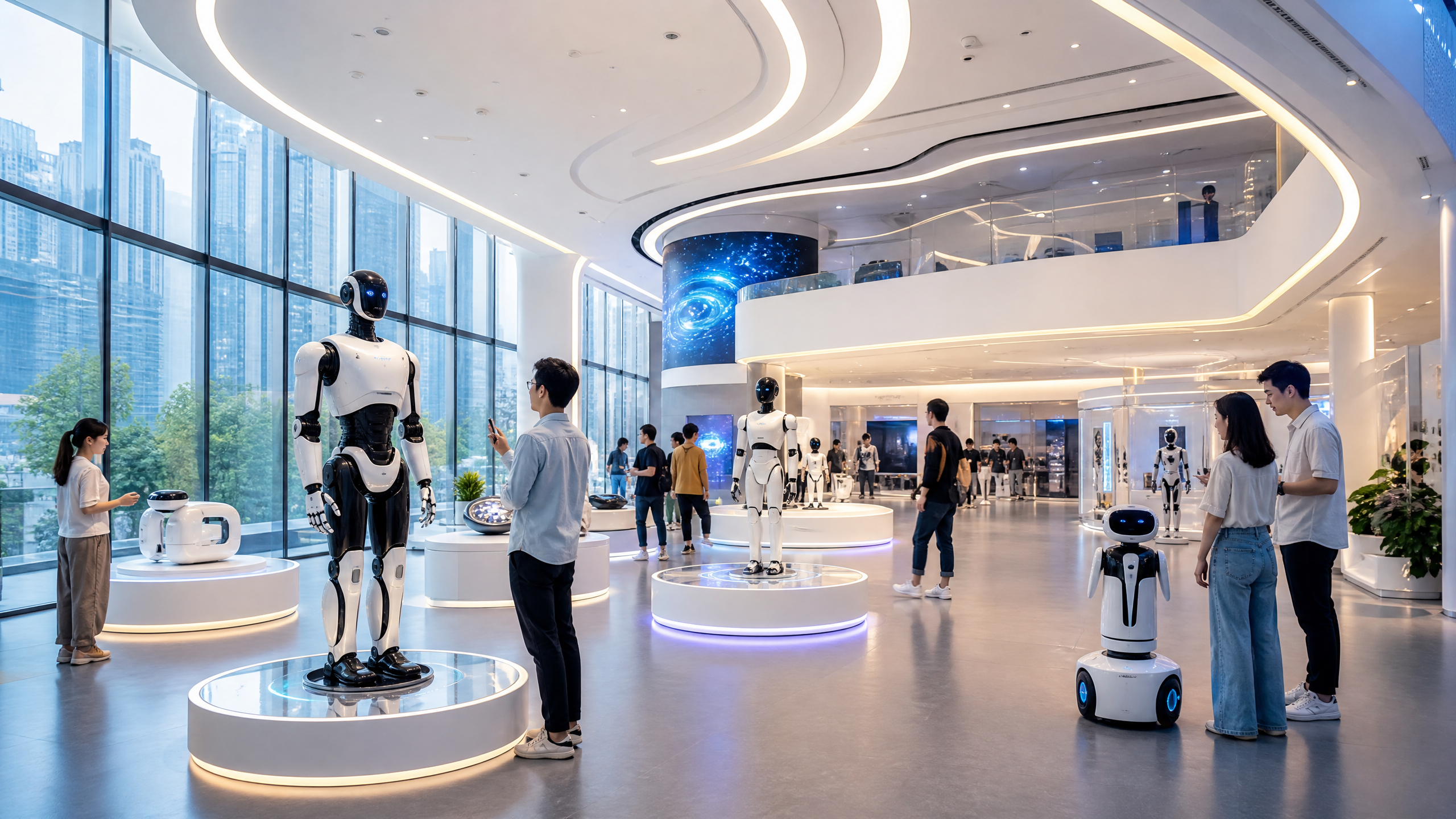
The world's first "6S" offline complex dedicated entirely to robotics has opened in Shenzhen's Longgang district, representing a novel approach to the commercialization and retail of embodied AI and service robots. The facility signals that China's robotics industry is moving beyond the laboratory and factory floor into direct consumer engagement, creating physical spaces where the general public can interact with, lease, and customize robotic platforms.
Shenzhen, historically one of the world's most important cities for hardware incubation and electronics manufacturing, has been at the center of China's robotics boom. The city hosts hundreds of robotics companies ranging from component suppliers to full-stack humanoid developers, and its municipal government has actively promoted robotics as a pillar industry through subsidies, land grants, and regulatory support.
Adapting the Automotive Dealership Model
Spanning over 5,000 square meters, the facility adapts the traditional automotive "4S" dealership model (Sales, Spare parts, Service, Survey) and expands it into a comprehensive robotics hub with two additional service dimensions. Unlike a standard retail store, the 6S complex is designed as a hybrid platform integrating technology demonstrations, interactive consumer experiences, scenario-based consumption, and industrial training.
The automotive 4S model has been enormously successful in China, where thousands of branded dealerships serve as the primary interface between manufacturers and consumers. By adapting this familiar format to robotics, the 6S complex leverages an existing consumer mental model for high-value technology purchases. Customers understand the dealership experience, including test drives, financing options, after-sales service, and customization, and the 6S format applies these same principles to robotic platforms.
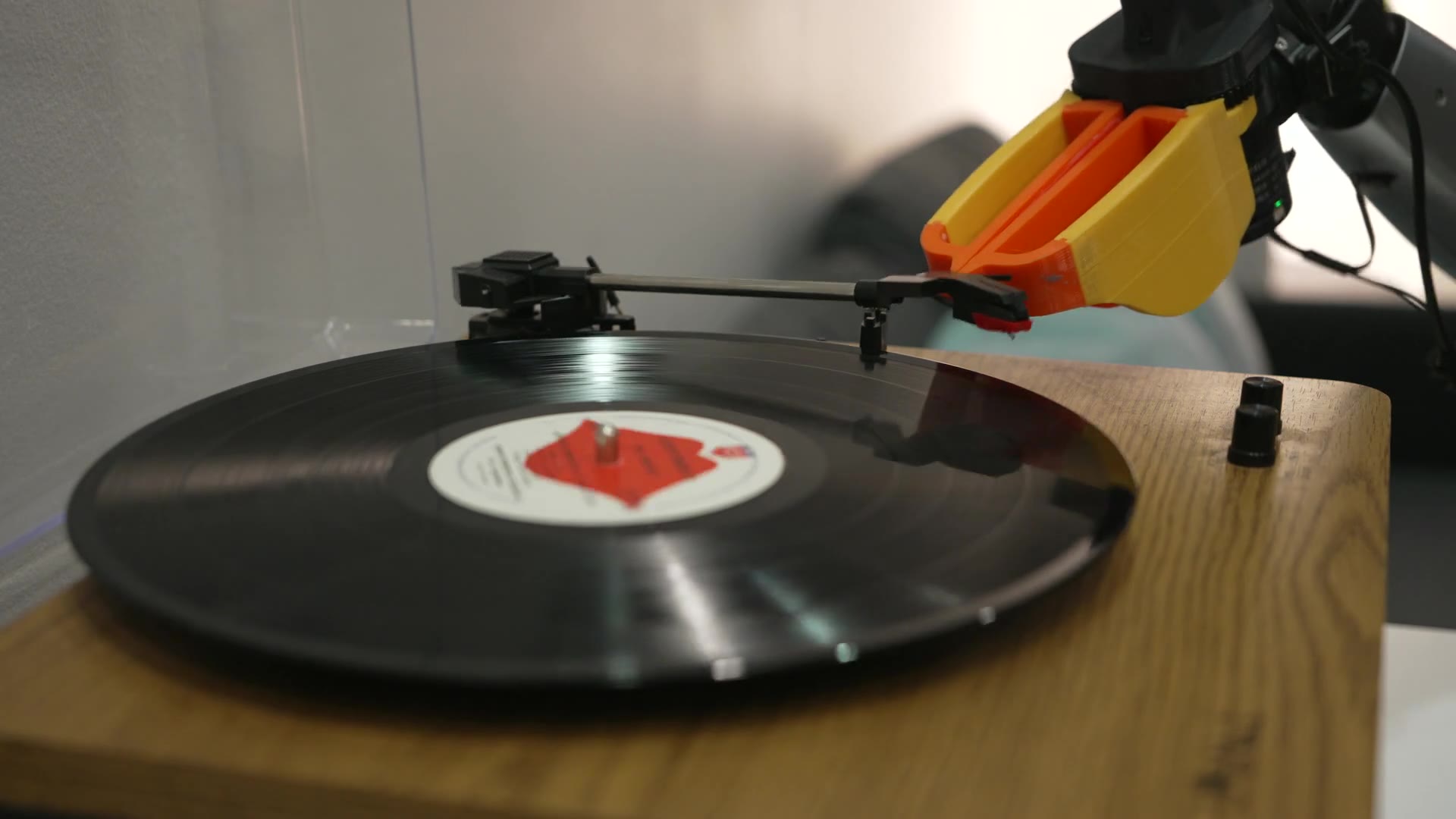
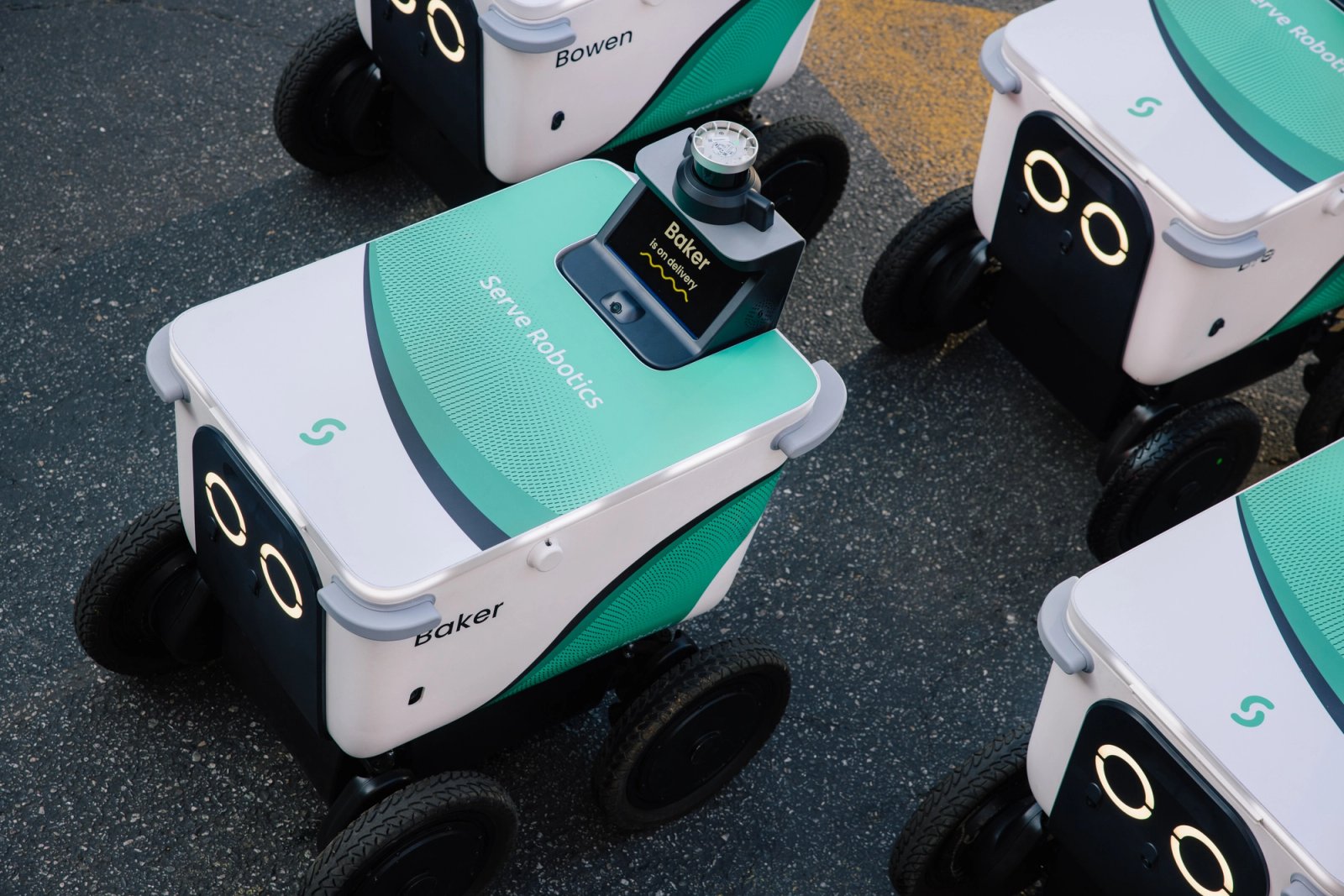
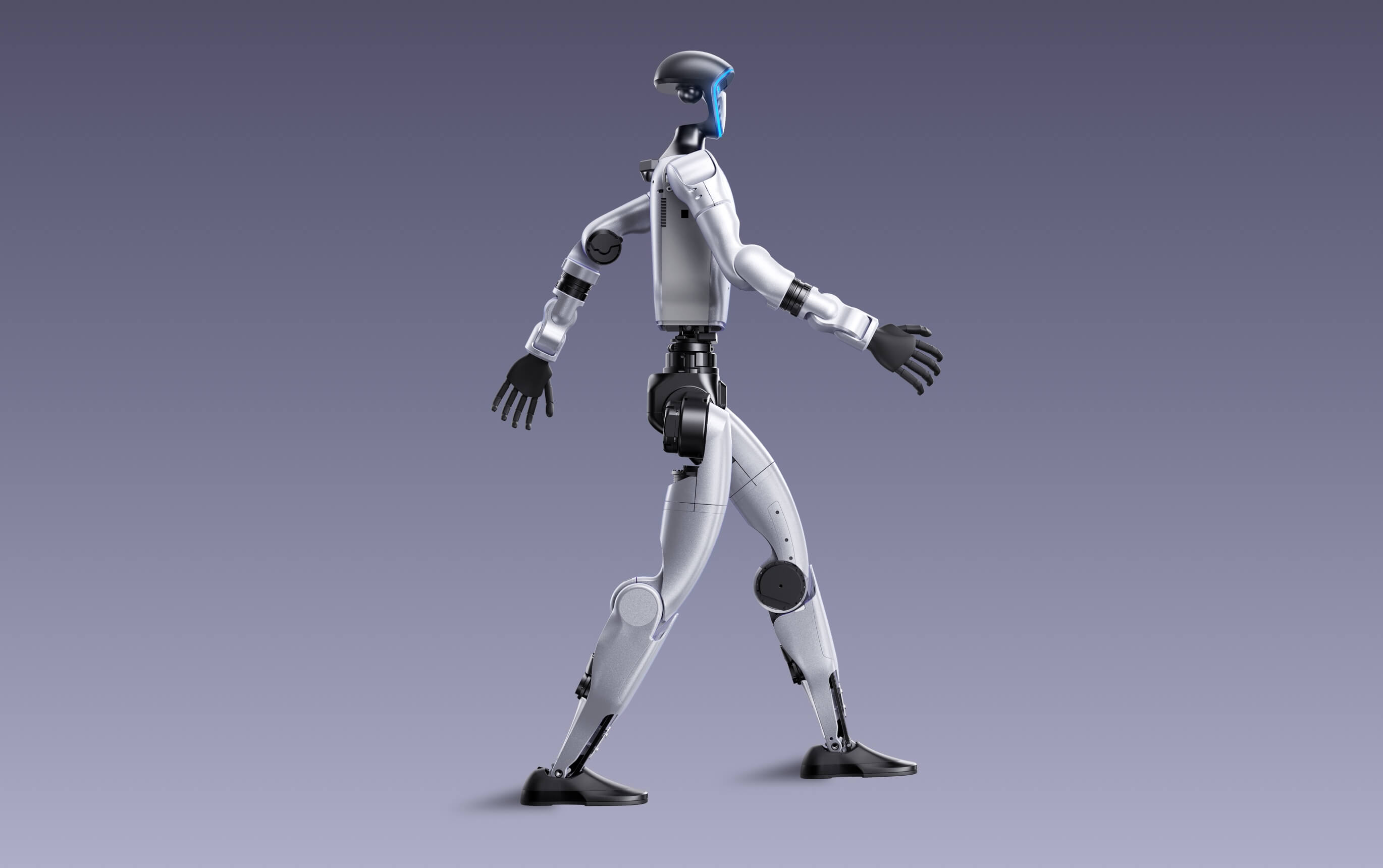
The facility offers direct robot leasing and personalized customization services, allowing both enterprise clients and individual consumers to interact with hardware before deployment. The leasing model is particularly significant because it lowers the barrier to adoption for small and medium enterprises that may not have the capital to purchase robots outright. Visitors can test technologies such as real-time AI translation glasses and interact directly with various robotic platforms on display, experiencing the capabilities firsthand before making procurement decisions.
Technology Tourism and Consumer Engagement
The complex serves as both a commercial hub and a technology tourism destination, drawing large numbers of foreign visitors daily. The experiential retail format represents a departure from the traditional B2B sales model that has dominated the robotics industry, signaling growing confidence that consumer-facing robot retail can sustain a viable business model.
The tourism dimension is not incidental. Shenzhen has positioned itself as a technology tourism destination, with visitors from across Asia and beyond traveling specifically to experience the city's hardware ecosystem. The 6S complex adds robotics to an already compelling technology tourism portfolio that includes drone shows, autonomous vehicle demonstrations, and smart city infrastructure.
For domestic consumers, the facility serves an educational function as well. Many Chinese consumers have seen robots in viral videos or news coverage but have never physically interacted with one. The 6S complex bridges this gap, providing hands-on experience that builds familiarity and trust, both prerequisites for eventual consumer adoption at scale.
Signal for the Maturing Robotics Market
The launch of this facility represents a maturation in the robotics market. The industry is moving beyond R&D and B2B sales into direct experiential retail and consumer-facing infrastructure. The 6S model suggests that robotics companies are beginning to invest in the same kind of physical retail presence that the automotive and consumer electronics industries have long maintained.
If the Shenzhen pilot proves commercially viable, the format could be replicated across other Chinese cities with strong robotics ecosystems, including Beijing, Shanghai, Hangzhou, and Qingdao. Early reports suggest that similar facilities may already be in planning stages in other municipalities, indicating that local governments see the 6S model as a viable tool for promoting their own robotics industries.
The broader implication is that robotics is transitioning from a purely industrial technology into a consumer-facing category. Just as personal computers moved from corporate offices to retail stores in the 1990s, and smartphones moved from enterprise tools to consumer electronics in the 2000s, robots may be beginning a similar journey from factory floors to showroom floors.
The analysis synthesizes public municipal announcements and verified media reports.
Disclaimer: This analysis is provided for informational purposes only and does not constitute investment, legal, or procurement advice. RobotAIGeek does not endorse specific vendors or guarantee the performance of early-stage technologies.