NVIDIA's ENPIRE Agent Achieves 99% Success Rate Controlling Real Robot Fleet
NVIDIA's GEAR Lab has published groundbreaking research demonstrating the successful integration of advanced software agents with physical robotic infrastructure. The ENPIRE framework deploys a fleet of Codex-based AI coding agents to fully autonomously control real robot arms. Achieving a remarkable 99% task success rate without human intervention, this development represents a critical milestone in bridging the gap between high-level LLM reasoning and low-level physical control.
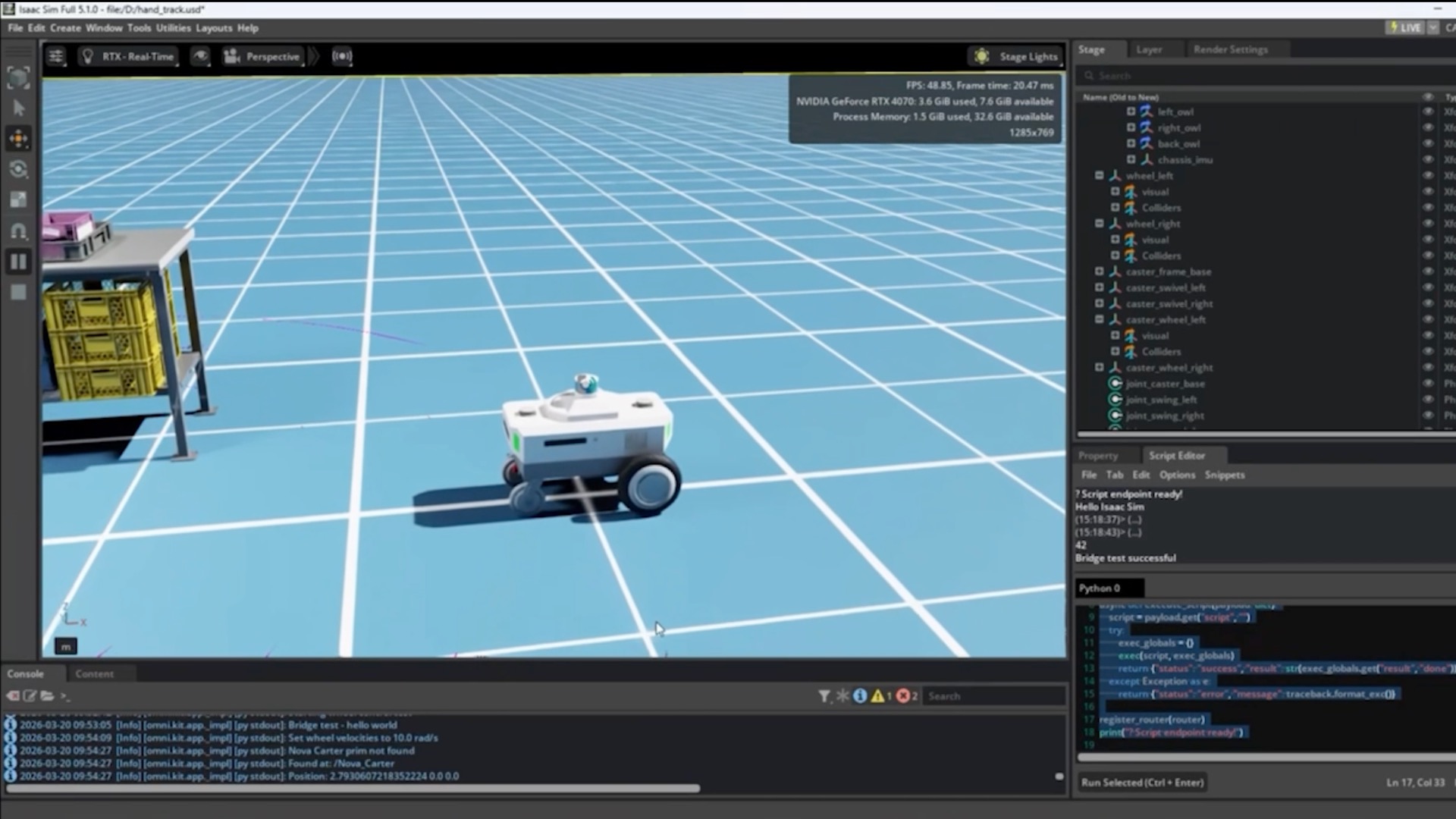
NVIDIA's Generalist Embodied Agent Research (GEAR) Lab has published groundbreaking research demonstrating the successful integration of advanced software agents with physical robotic infrastructure. The research introduces the ENPIRE framework, a system that deploys a fleet of Codex-based AI coding agents to autonomously control and self-improve real-world robotic arms. This development marks a significant leap forward in the quest to bridge the simulation-to-reality (sim-to-real) gap.
Autonomous Code Generation for Physical Control
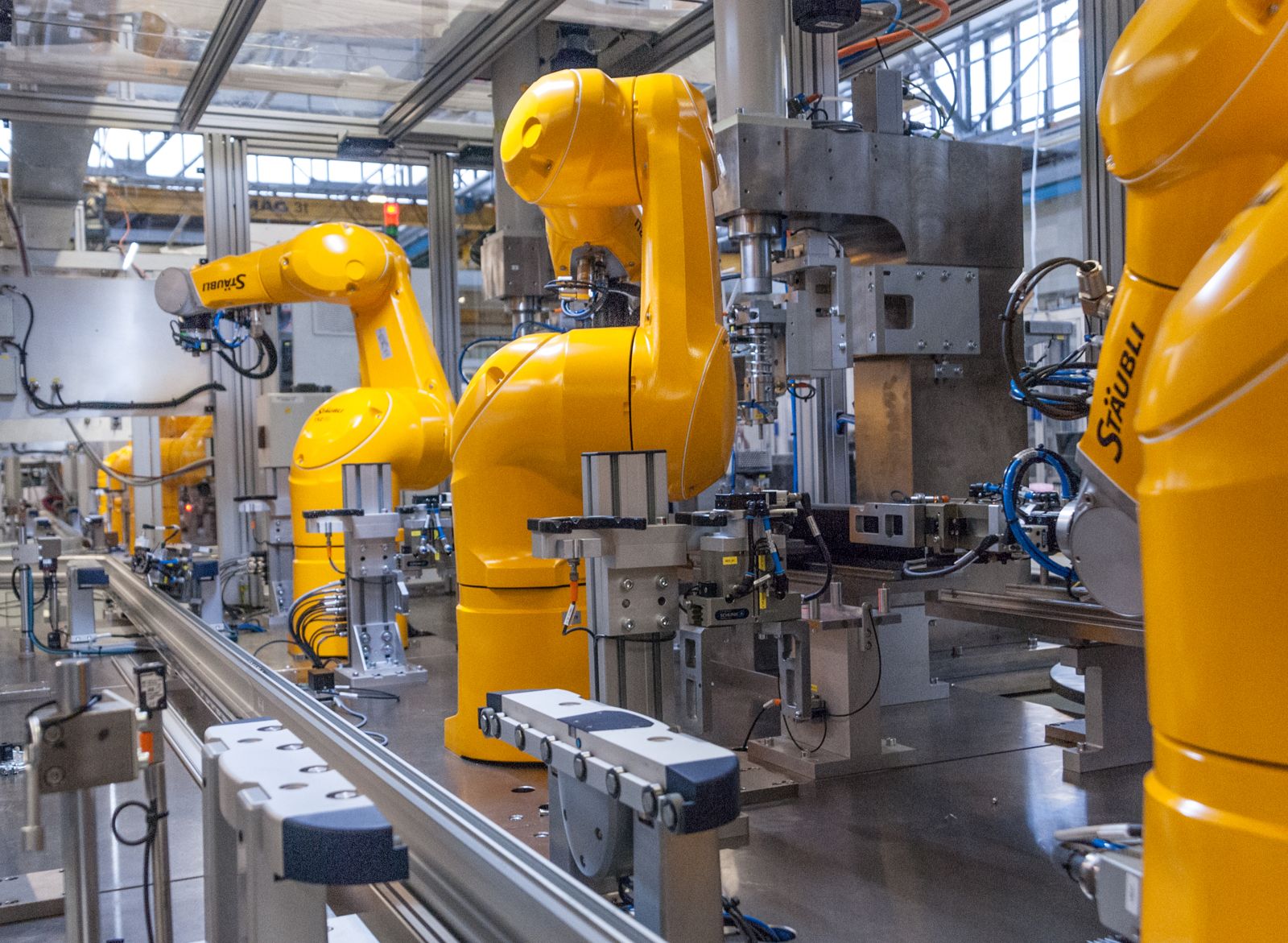
The core innovation of the ENPIRE framework lies in its ability to translate high-level natural language instructions into executable, low-level robotic control code in real-time. In the demonstrated laboratory environment, a fleet of eight physical robot arms was operated entirely by these AI agents, with no humans in the loop. The agents independently ran experiments, generated control code, observed the physical outcomes, and iteratively refined their algorithms based on those observations. This closed-loop system of autonomous trial and error mimics the scientific method, drastically accelerating the pace of robotic skill acquisition.
Achieving a 99% Task Success Rate
In a series of complex physical manipulation and sequencing tests, the ENPIRE agents achieved a remarkable 99% success rate. This level of reliability is critical for the commercial deployment of embodied AI. Historically, large language models have excelled at high-level reasoning but struggled with the high-frequency, precise control loops required for physical robotics. ENPIRE demonstrates that LLM-driven agents can now reliably bridge this gap, generating code that is robust enough to handle the unpredictability of the physical world.
The Implications for Robotic Automation
The ability of an autonomous agent to reliably write, execute, and correct code for physical robots dramatically lowers the barrier to entry for complex robotic automation. It shifts the paradigm from manual, labor-intensive robot programming to autonomous, goal-directed skill acquisition. This moves the industry closer to truly autonomous, self-correcting robotic facilities where machines can learn new tasks on the fly without requiring extensive human engineering.
RobotAIGeek's read: NVIDIA's ENPIRE demonstrates that the bottleneck in robotics is decisively shifting from hardware limitations to agentic software control. The 99% success rate in a real-world lab environment proves that LLM-driven agents are becoming capable of managing the messy reality of physical physics. By automating the programming and refinement process, NVIDIA is building the foundational software layer that will allow robotic capabilities to scale exponentially.
Primary Sources:
1. Jiqizhixin (机器之心) — NVIDIA Team ENPIRE Agent Research (June 18, 2026)