Current Robotics' Curr-0: The Single Policy That Lets Humanoid Robots Walk and Work at the Same Time
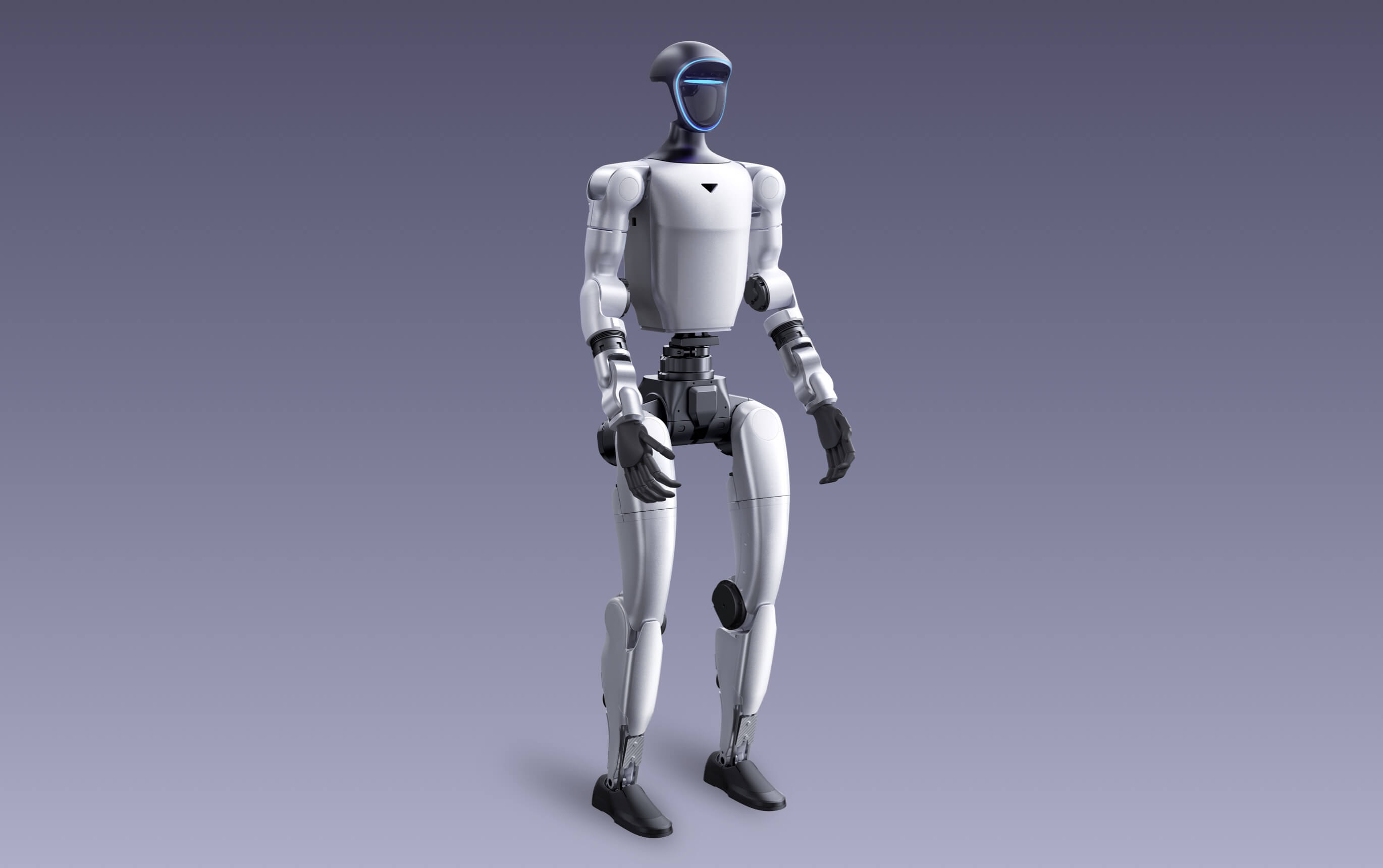
Current Robotics has released Curr-0, a full-body dexterous manipulation model that uses a Single Policy to unify locomotion, whole body coordination, and dexterous hand control on a 70+ degree of freedom humanoid robot. Trained on 21,000 hours of real human behaviour data, Curr-0 represents a meaningful step toward humanoid robots that can operate continuously in unstructured environments.
Founded in 2025 and headquartered in Toronto, Current Robotics is a research-driven embodied AI startup building foundation intelligence for humanoid robots. The company was established by Yichen Zhu, a robotics researcher who spent five years at Midea Group following his undergraduate studies at the University of Toronto. Its research team spans collaborators from Tsinghua University, Peking University, and the University of Toronto, and its institutional partners include AgiBot, ByteDance Seed, Beijing Humanoid Innovation Center, Wuji Tech, and NVIDIA.
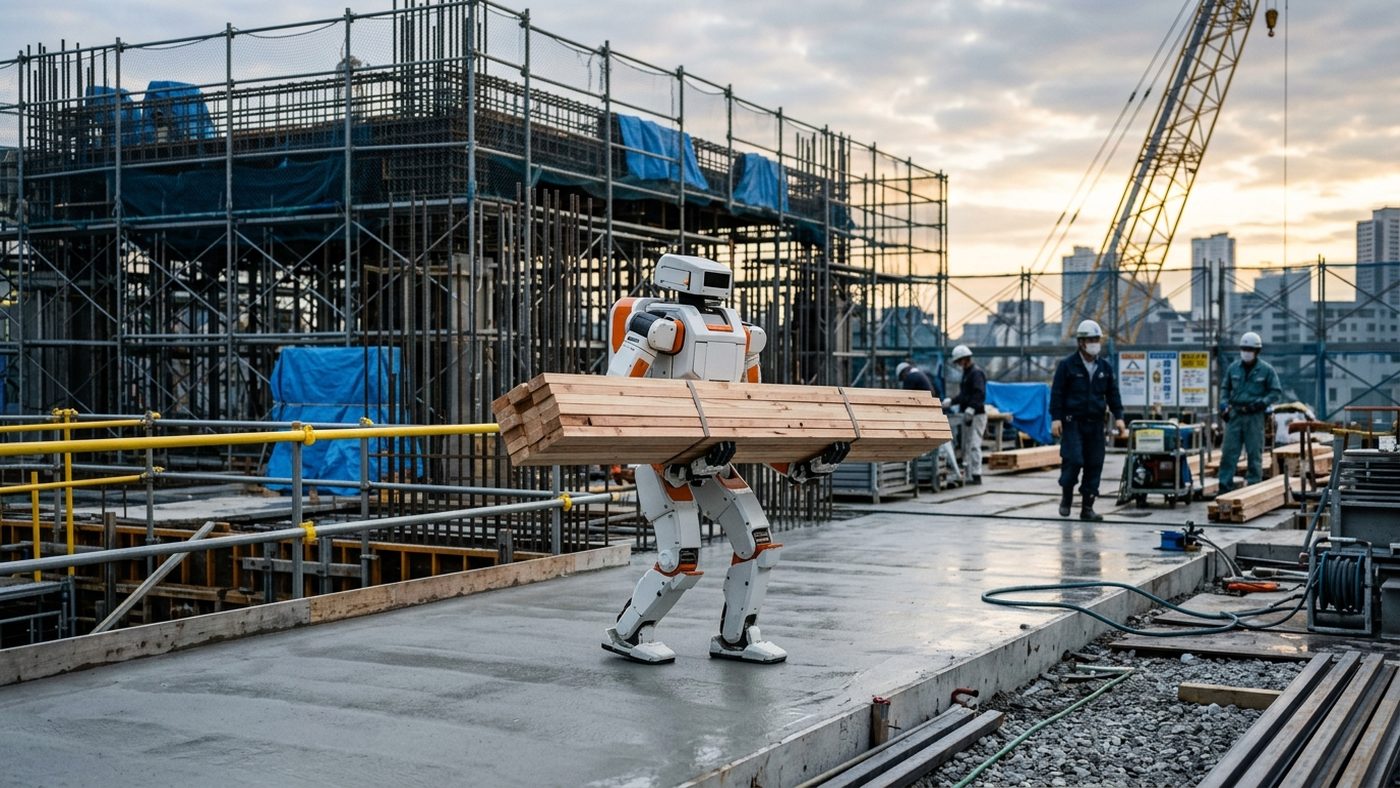
The company focuses on solving one of the hardest open problems in humanoid robotics: enabling a robot to move and manipulate at the same time. The dominant paradigm in humanoid robot control has been modular — a locomotion system moves the robot to a location, the robot stops, and a separate manipulation system executes the task. The approach works in structured factory settings but fails in environments where movement and manipulation are physically coupled: where the robot's stance determines what its hands can reach, where its torso posture affects how its arms apply force, and where contact with an object changes how the whole body must balance.
Current Robotics' Curr-0 takes a different approach. Released on June 18, 2026, the model uses a Single Policy where a single end-to-end trained strategy running on a 70+ degree-of-freedom humanoid handle locomotion, whole-body posture coordination, and dexterous hand control simultaneously. The system does not switch between modes; it runs as a unified closed-loop policy in real time.
The architecture is organized in three layers: an upper layer for task understanding and language instruction parsing, a middle layer for whole-body motion coordination and postural stability, and a lower layer for fine-grained hand-object interaction. These layers do not execute sequentially, they operate in parallel within the same policy, allowing the robot to adjust its full-body posture and hand movements simultaneously during locomotion.
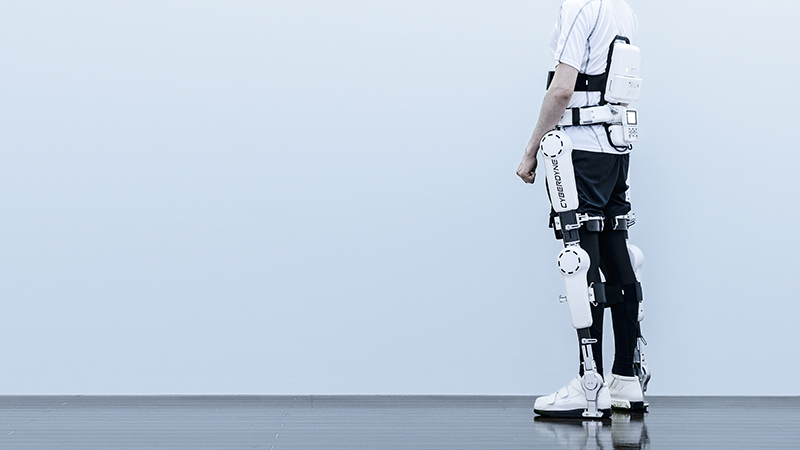
The training data underpinning Curr-0 is notable for its scale and method. The model was trained on 21,000 hours of real human behavior data, including 2,800 hours of full-body demonstration data collected via HumanEx, Current Robotics' proprietary full-body exoskeleton data collection system. HumanEx captures full-body posture, joint motion, hand movements, proprioception, electromyographic signals, and environmental interaction simultaneously, without requiring the robot hardware to be present during data collection. This decoupling of data collection from robot deployment allows the system to scale data acquisition independently of the number of deployed robots.
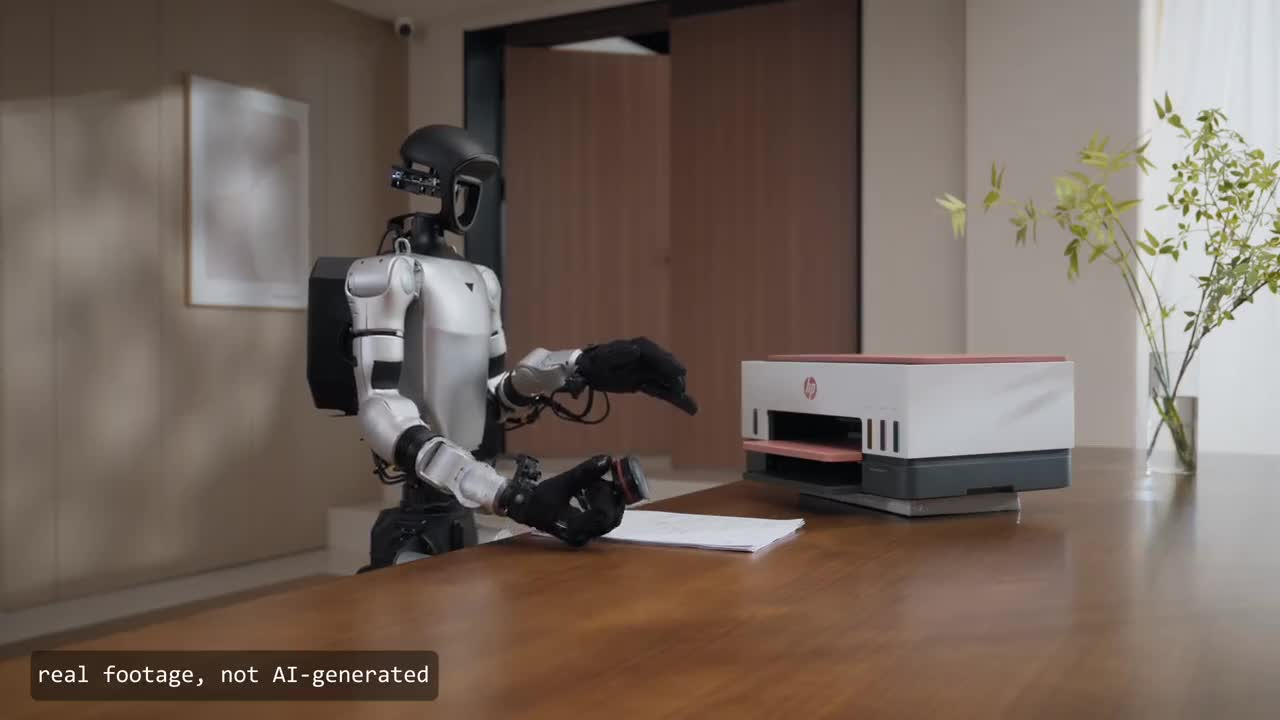
The demonstration tasks shown with Curr-0 are deliberately chosen to be physically demanding: inserting and lighting incense sticks, picking up paper balls and disposing of them in a bin with a lid, stamping documents, and carrying a toy through a doorway while crouching to place it in a basket. Each task requires continuous whole-body adjustment during execution with coupled locomotion-manipulation.
Current Robotics is also addressing the evaluation and deployment scaling problem through a multi-physics-modality world model that covers visual, proprioceptive, and force signals. The world model serves as a scalable substitute for physical testing, enabling policy evaluation, post-training, and pre-deployment verification without consuming hardware, energy, and personnel for every test cycle. The Human-in-the-World-Model framework allows human operators to intervene and correct errors within the world model, with correction data immediately fed back into training.
Curr-0 is positioned as a foundational system release, not a product announcement. The full technical report is available at current-robotics.com/blog/curr-0.
Primary Sources:
1. Current Robotics Technical Blog — current-robotics.com/blog/curr-0 (June 18, 2026)
2. Jiqizhixin / Sohu Technology Mirror (June 18, 2026)
Disclaimer: All editorial content is independently written based on publicly available Chinese and English-language sources. Quoted material is attributed to its original publisher.