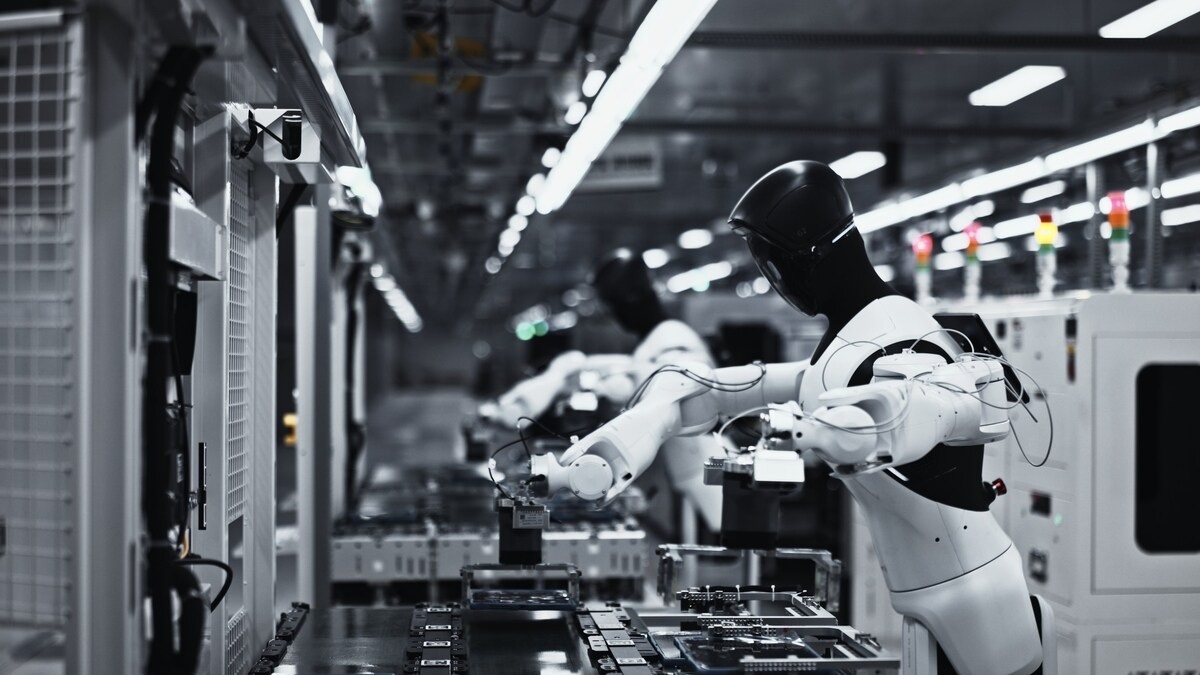
CATL — Xiaomo humanoids on the battery-pack line, Zhongzhou base (Luoyang)
China · Spirit AI Xiaomo · plugging in high-voltage battery connectors · from December 2025
CATL의 로봇 도입 사례 — 자체 조사 기준.
China · Spirit AI Xiaomo · plugging in high-voltage battery connectors · from December 2025
도입 사례는 게시 전에 공개 출처와 대조해 확인합니다. T2 = 운영사 보고 또는 독립 관찰, T3 = 제조사 주장.
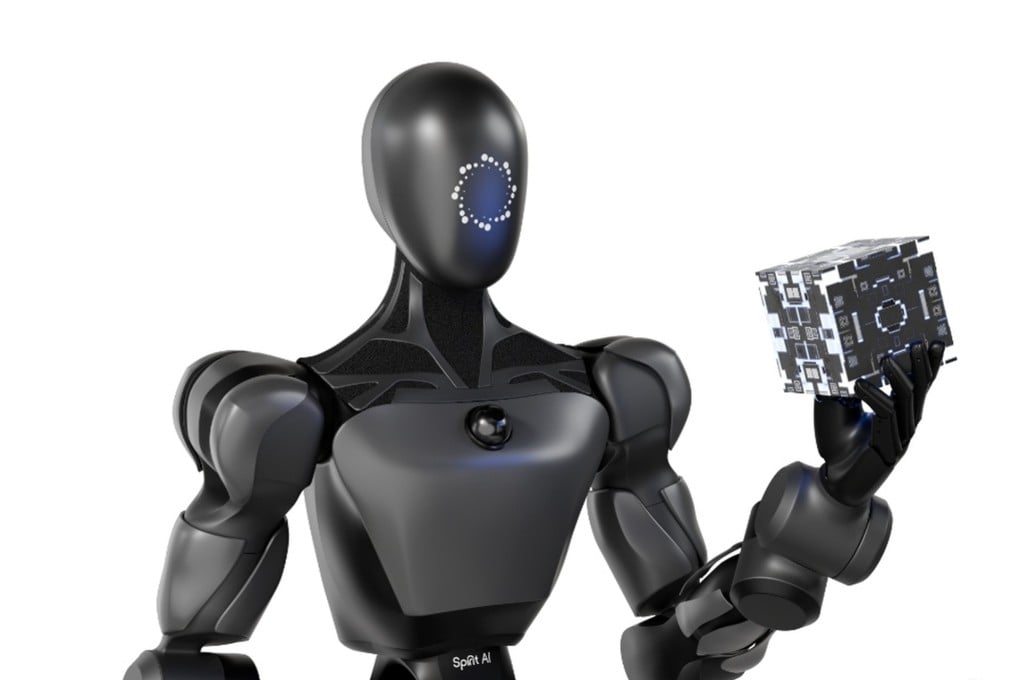
Contemporary Amperex Technology (CATL) is a Chinese maker of electric-vehicle batteries. It uses Spirit AI's Xiaomo humanoid robots on a battery-pack line at its Zhongzhou production base in Luoyang.
아직 주요 로보틱스 동영상이 없습니다
아직 동영상이 없습니다
이 회사에 연결된 주요 로보틱스 동영상이 없습니다.
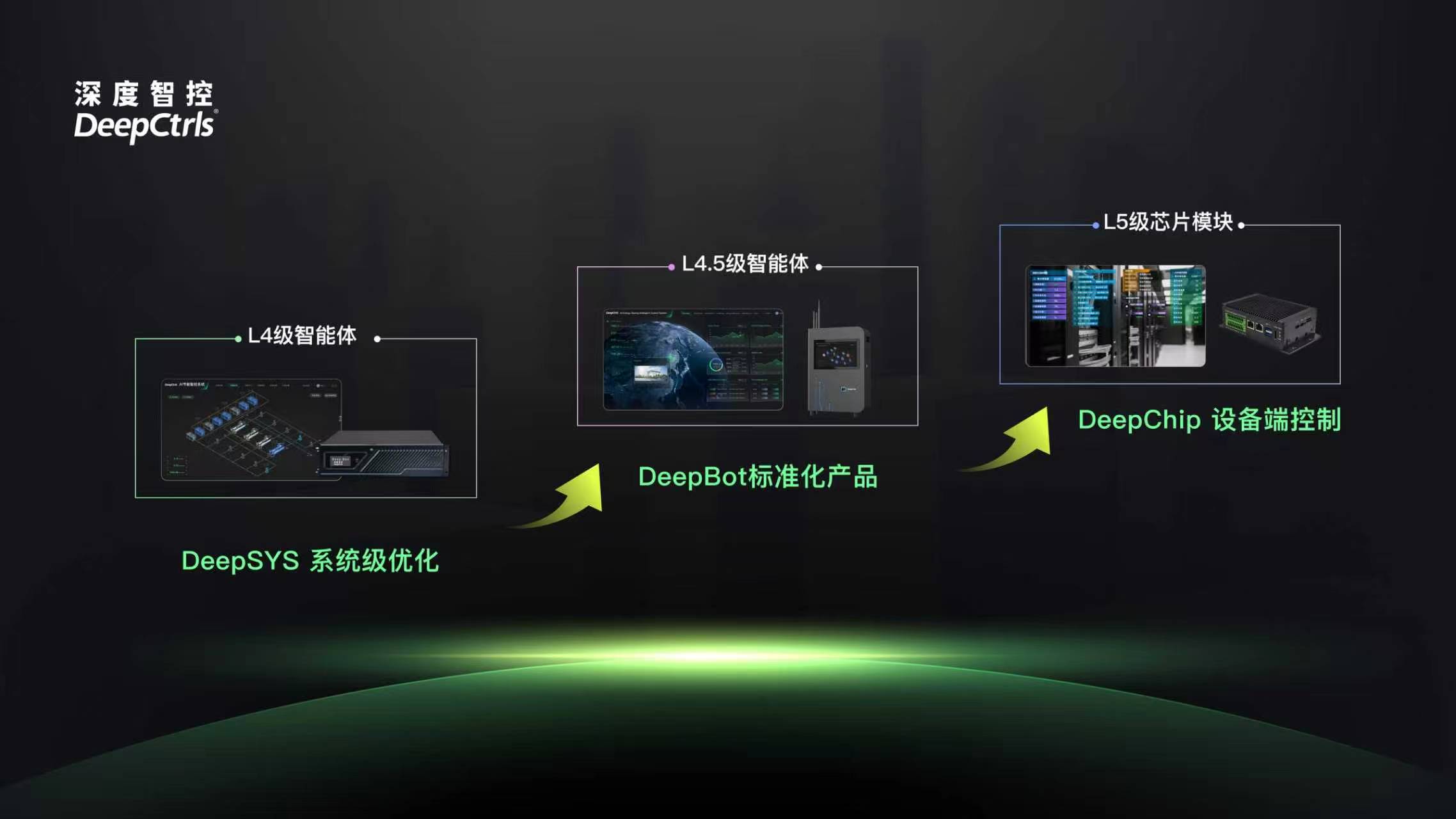
DeepCtrls, a profitable Shenzhen physical AI company selling energy-optimization software to data centers and factories, raised a B+ round led by CATL with Saudi Aramco Ventures participating, months after a JinkoSolar-led B round backed the same energy-infrastructure thesis.

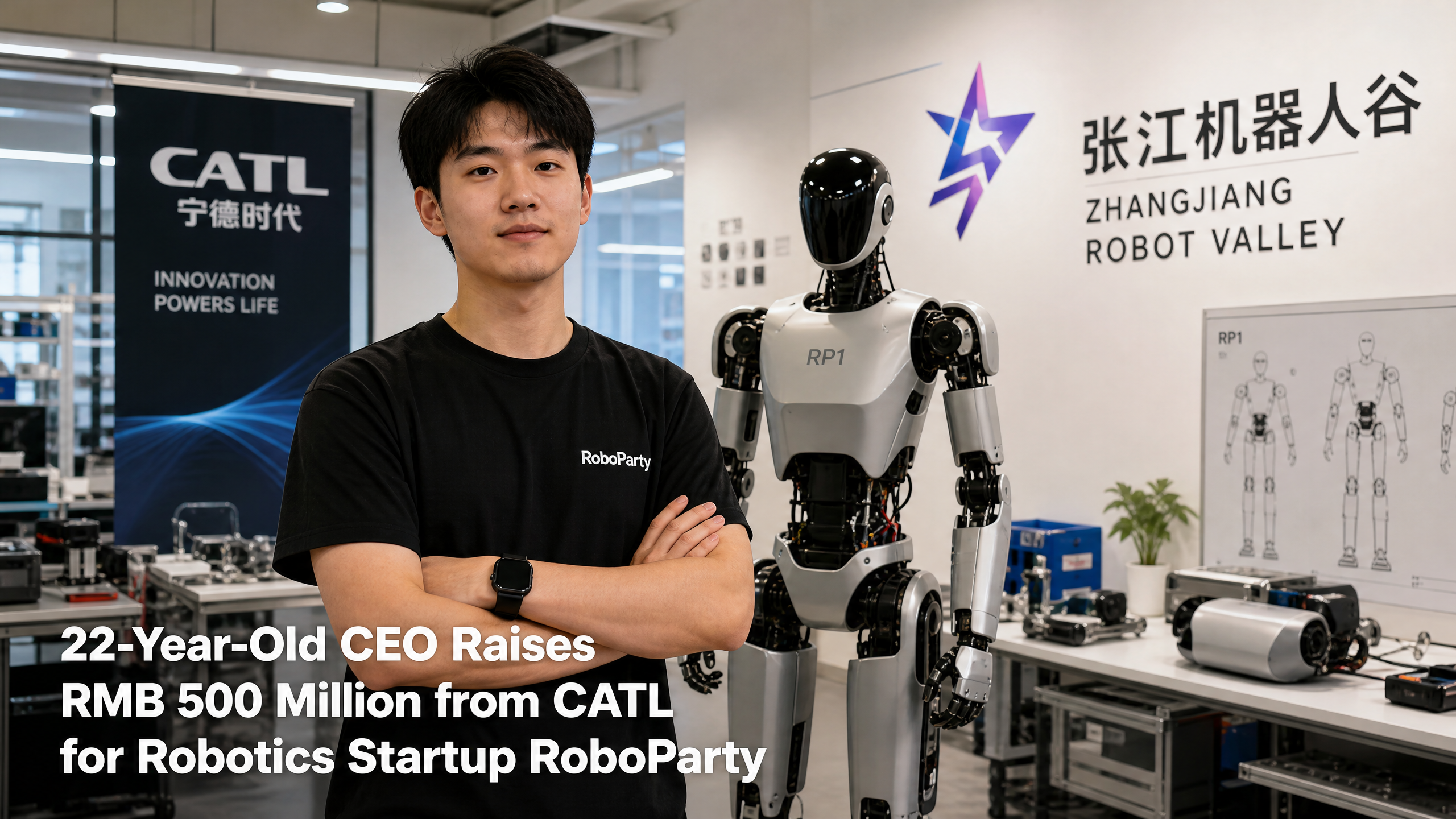
RoboParty closed Angel plus plus and pre A rounds totaling nearly RMB 500 million, with CATL exclusively investing in the latest round. The 22 year old founder targets a first robot launch in late 2026 as the startup moves its team to Shanghai’s Zhangjiang Robot Valley.

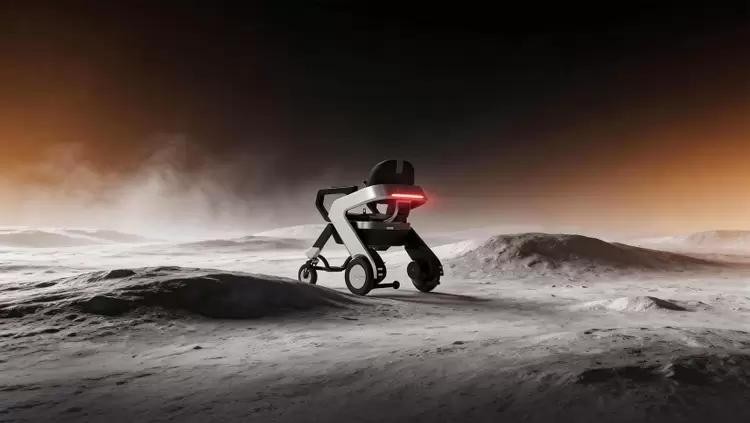
Physical AI company founded by Huawei/Baidu-Apollo veteran Wu Shulin closed several hundred million yuan across angel rounds from CDH VGC, Linear Capital, and SAIC-, CATL-, and BYD-affiliated funds plus Chow Tai Fook. Product: Quorra X5 personal mobility vehicle with autonomous following. Thesis: the autonomous-driving diaspora and auto capital claiming personal mobility as physical AI’s near-term wedge.

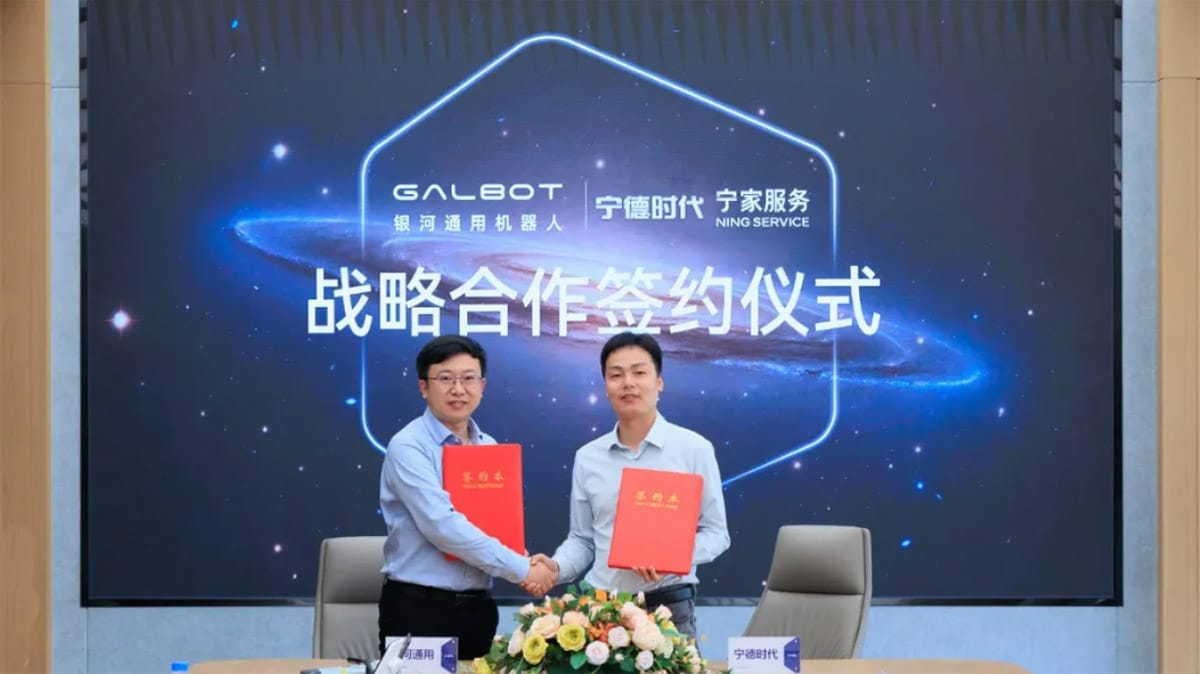
Chinese battery manufacturing giant CATL has deployed the Galbot S1 humanoid robot on its smart production line. This marks the first time an embodied intelligence robot powered by the company's own batteries has entered regular industrial operation, signalling a major shift toward specialized heavy load automation in high volume manufacturing.

Noetix Robotics, the Beijing-based maker of the sub-US$1,400 Bumi humanoid, has confidentially filed for a Hong Kong IPO seeking several hundred million US dollars, Bloomberg reported on October 22, 2026, with a listing possible as early as 2027. The company raised 1 billion yuan in March 2026 in a round led by a CATL-affiliated investment platform, and would join a crowded 2026 field of Chinese robotics IPO filers including Excelland, RoboTechnik and YOUIBOT.

Spirit AI's wheeled Moz1 humanoids already hit 90% success on structured tasks at CATL and JD.com. Its co-founder says the real bottleneck is the robot brain, not the body, and names a 2027 deadline for closing it.

Spirit AI's co-founder has set a mid-2027 deadline for a 'GPT-3.0 moment' in robot brains. The same week, a Columbia University lab, Hyundai's own RAI Institute, and an underwater-robotics team all published research on how a human should operate a robot's body, not how the robot should decide on its own. That gap, not the funding round, is the real roadmap.

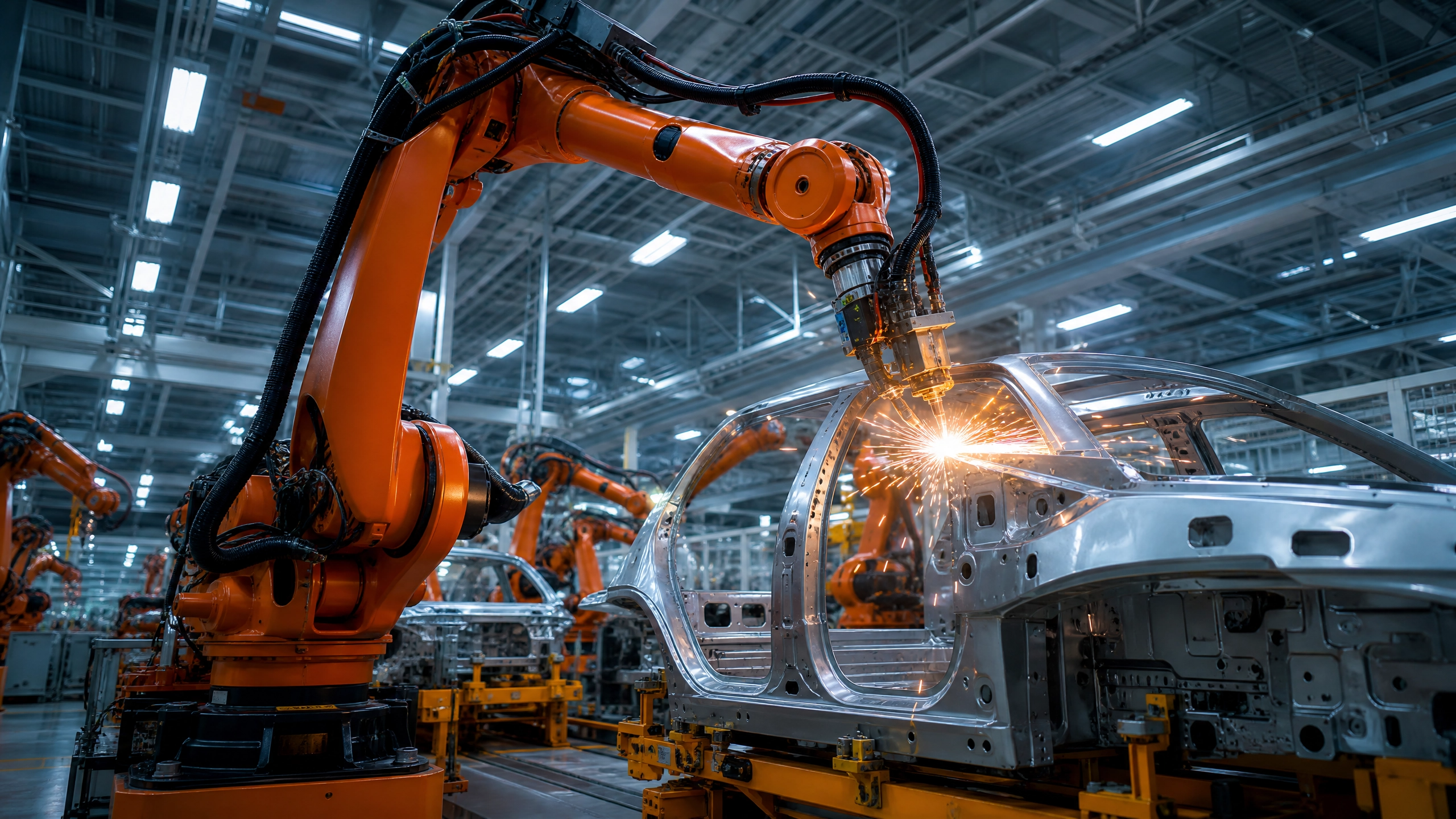
A comprehensive look at how industrial 6-axis robotic arms are deployed across major industries today. Drawing on IFR data, CSIS analysis, and verified factory case studies, this article examines primary industries, specific application examples, large-scale deployments in China and Europe, and the emerging sectors now adopting these arms for the first time.

Morgan Stanley estimates a humanoid robot built on the Chinese supply chain costs $46,000 to manufacture in 2025–2026, versus nearly $130,000 using non-Chinese components. This teardown breaks down where every dollar goes — and why actuation, not software, is the defining battleground.

This article maps the full landscape explains why the government is treating embodied AI as a national strategic priority, and identifies the four signals (IPO filings, RaaS pricing, component cost trajectories, and secondary market formation) that will determine whether this sector transitions from demonstration to deployment at scale.
리더십 정보가 아직 제공되지 않습니다.