DESCRIPTION
SO-101 est un Educational-Robots de The Robot Studio. Il est conçu pour Manipulation, Research, Remote. Chiffres clés : 6 degrés de liberté, sorti en 2025.
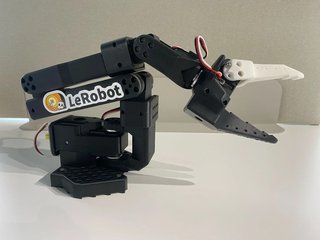
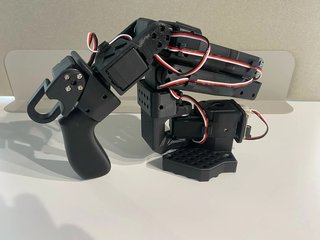
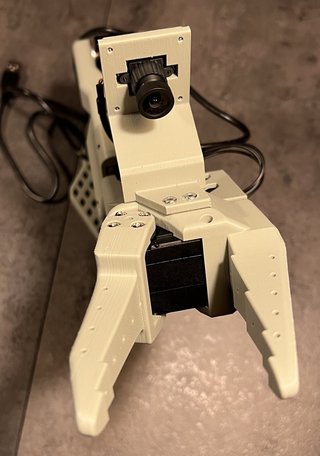
The SO-101 is an open-source, 3D-printable robot arm designed by The Robot Studio in collaboration with Hugging Face, and the next-generation version of the earlier SO-100 arm. It is built to work with Hugging Face's open-source LeRobot library, which records demonstrations, trains AI policies and runs them on the arm, and the classic setup is a pair: a follower arm with a gripper that does the work and a leader arm with a handle and trigger that a person moves to teleoperate it. Each arm uses six Feetech STS3215 serial-bus servos connected to a motor control board and a host computer over USB-C. The follower uses 7.4 V servos with 1/345 gearing, with a 12 V, 30 kg.cm version as an option for more strength, while the leader mixes three gear ratios. Compared with the SO-100 it has improved wiring, is easier to assemble because no gears have to be removed, and uses updated motors in the leader arm. Parts are printed in PLA+ on common desktop FDM printers, and the repository adds optional designs such as wrist and overhead camera mounts, a raised leader base and compliant grippers. The Robot Studio publishes the files, assembly guide links and a bill of materials under the Apache-2.0 licence: about USD 122 of parts for one follower arm and USD 230 for a leader-and-follower pair, excluding the printed parts. It does not sell the arm itself; builders print the parts, or buy kits and assembled arms from third-party vendors listed in the repository, including Seeed Studio, WowRobo, RobotEd, Robonine, PartaBot and ForgeMotion Labs.
FONCTIONNALITÉS
- Open-source, 3D-printable 6-servo robot arm (Apache-2.0)
- Designed by The Robot Studio with Hugging Face
- successor to the SO-100
- Leader-follower teleoperation pair: follower with gripper, leader with handle and trigger
- Works with the open-source LeRobot library for recording, training and inference
- Six Feetech STS3215 serial-bus servos per arm
- optional 12 V 30 kg.cm servos for the follower
- Motor control board, USB-C connection to a host computer
- Improved wiring and easier assembly than SO-100 (no gear removal)
- Printable on common FDM printers in PLA+ (Ender and Prusa/Bambu bed files)
- Parts cost about USD 122 per follower arm, USD 230 per leader-follower pair (BOM, printed parts extra)
- Optional wrist and overhead camera mounts, raised leader base, compliant grippers
- Kits and assembled arms sold by third-party vendors, not by The Robot Studio
CARACTÉRISTIQUES TECHNIQUES
| Physique | |
| Matériaux | 3D-printed PLA+ parts, Feetech STS3215 servos |
|---|---|
| Mobilité | |
| Type de déplacement | Stationary |
| Degrés de liberté | 6 |
| Environnement | Desks, labs and classrooms |
| Perception et calcul | |
| Connectivité | USB-C to a host computer via a serial-bus servo control board |
| Logiciel / IA | Hugging Face LeRobot (open source) |
FORUMS DU ROBOT
Chargement des forums...
CARACTÉRISTIQUES TECHNIQUES
| Physique | |
| Matériaux | 3D-printed PLA+ parts, Feetech STS3215 servos |
|---|---|
| Mobilité | |
| Type de déplacement | Stationary |
| Degrés de liberté | 6 |
| Environnement | Desks, labs and classrooms |
| Perception et calcul | |
| Connectivité | USB-C to a host computer via a serial-bus servo control board |
| Logiciel / IA | Hugging Face LeRobot (open source) |
Images
 martti

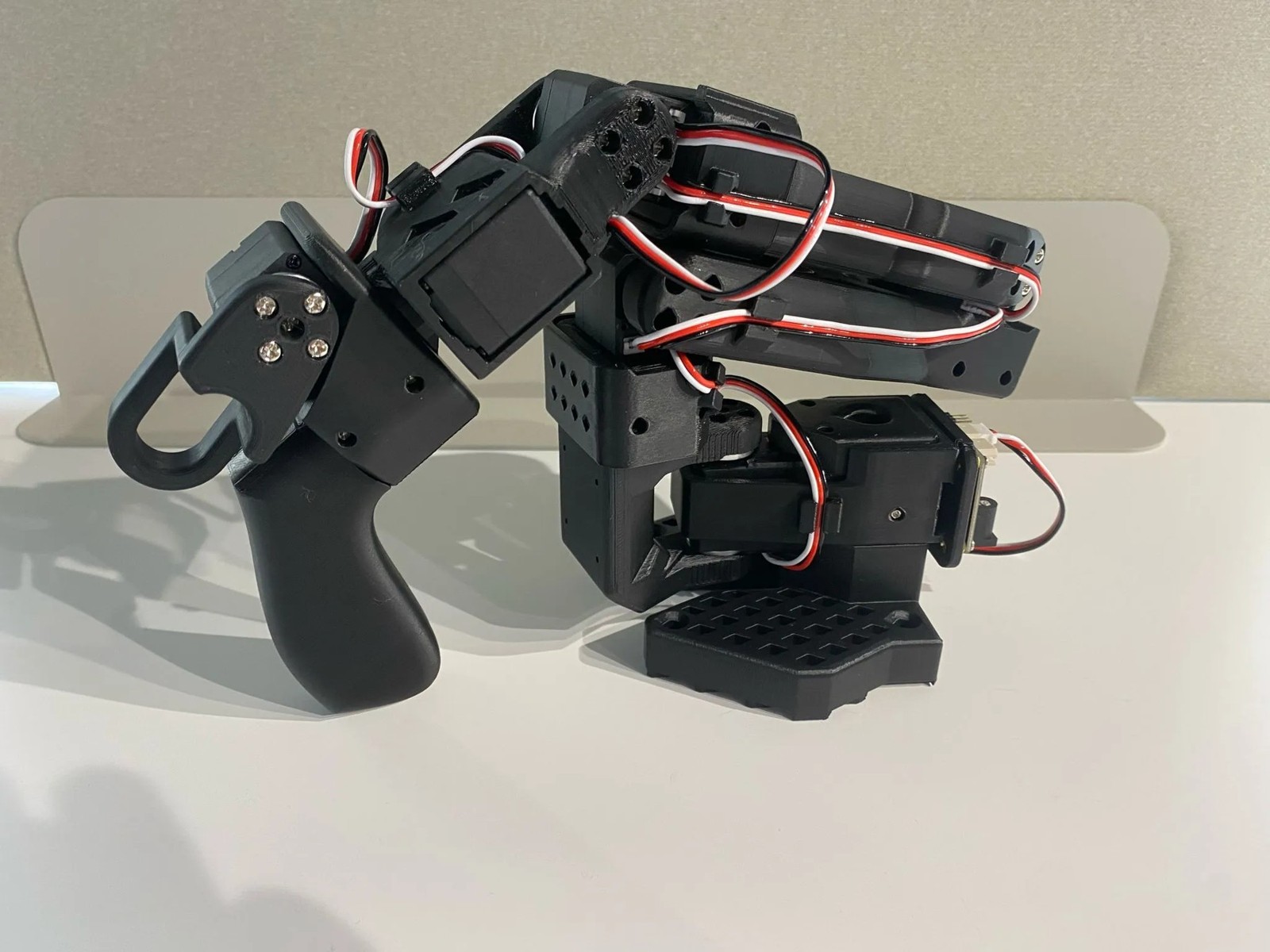 martti
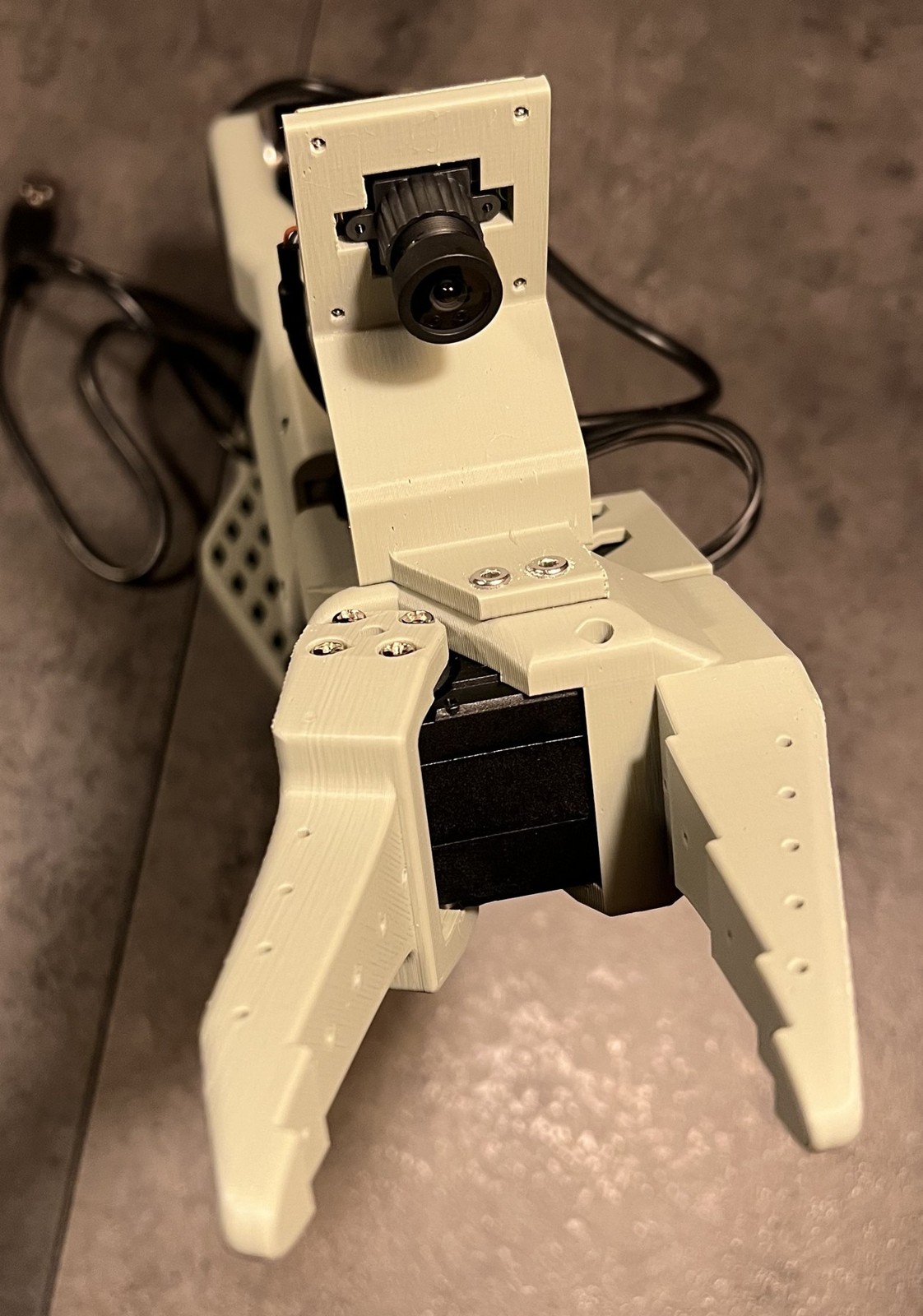 martti
Contributions d'images
Vidéos
FORUMS DU ROBOT
Chargement des forums...
NOTES
QUESTIONS FRÉQUENTES
What is the SO-101?
The SO-101 is an open-source, 3D-printable robot arm designed by The Robot Studio in collaboration with Hugging Face, and the next-generation version of the earlier SO-100 arm.
Who makes the SO-101?
The SO-101 is made by The Robot Studio, a robotics company based in France.
How much does the SO-101 cost?
The Robot Studio has not publicly announced pricing for the SO-101. You can enquire through RobotAIGeek for current pricing.
What is the SO-101 used for?
The SO-101 is designed for manipulation, research, remote, and education. It is used in research and education settings.
How many degrees of freedom does the SO-101 have?
The SO-101 has 6 degrees of freedom.
When was the SO-101 released?
The SO-101 was released in 2025.
COMPARER AVEC DES ROBOTS SIMILAIRES
Voyez comment ce robot se positionne face à ses alternatives les plus proches
- SO-101 vs Galaxea A1 X
- SO-101 vs onero Robotic Arm A1
- SO-101 vs Pickerbot Mini
- SO-101 vs Pickerbot Pro
- SO-101 vs ASYSTR 3C