Humanoid Robots Hit Scale in China, South Korea, and the U.S.
Mid-2026 marks a turning point for humanoid robotics as China mandates large-scale deployment, South Korea builds training infrastructure, and Figure AI scales manufacturing for real-world fleet growth.

The global humanoid robot industry has moved out of research labs and onto factory floors, airport terminals, and hospital wards. Across China, South Korea, and the United States, mid-2026 has delivered a cascade of milestones that signal a genuine inflection point: mass deployment is no longer a promise, it is a directive.
China Puts 10,000 Humanoid Robots to Work — By December
Beijing is treating embodied AI as a strategic imperative. On June 10, China's Ministry of Industry and Information Technology and the State-owned Assets Supervision and Administration Commission issued a sweeping joint directive mandating local governments and state-owned enterprises to test and integrate humanoid robots across manufacturing, logistics, retail, and healthcare — with a target of 10,000 commercial units in active deployment by year-end. Authorities are requiring implementation plans by the close of June and progress reports in November, and they want at least 100 verified high-value application scenarios up and running before December.
The financial velocity behind this push is equally striking. In Q1 2026 alone, Chinese embodied AI firms raised roughly $2.9 billion. Unitree Technology received approval for a 4.2 billion yuan IPO, while Spirit AI's Xiaomo humanoid completed final battery-pack testing at a CATL facility. The government is also piloting a "Humanoid Robot-as-a-Service" subscription model to lower entry barriers for mid-sized manufacturers. The directive's language is unambiguous: the era of demonstration-driven robotics is over — China wants integrated systems performing real jobs in the real world.
 South Korea Builds the World's Most Ambitious Robot Brain Gym
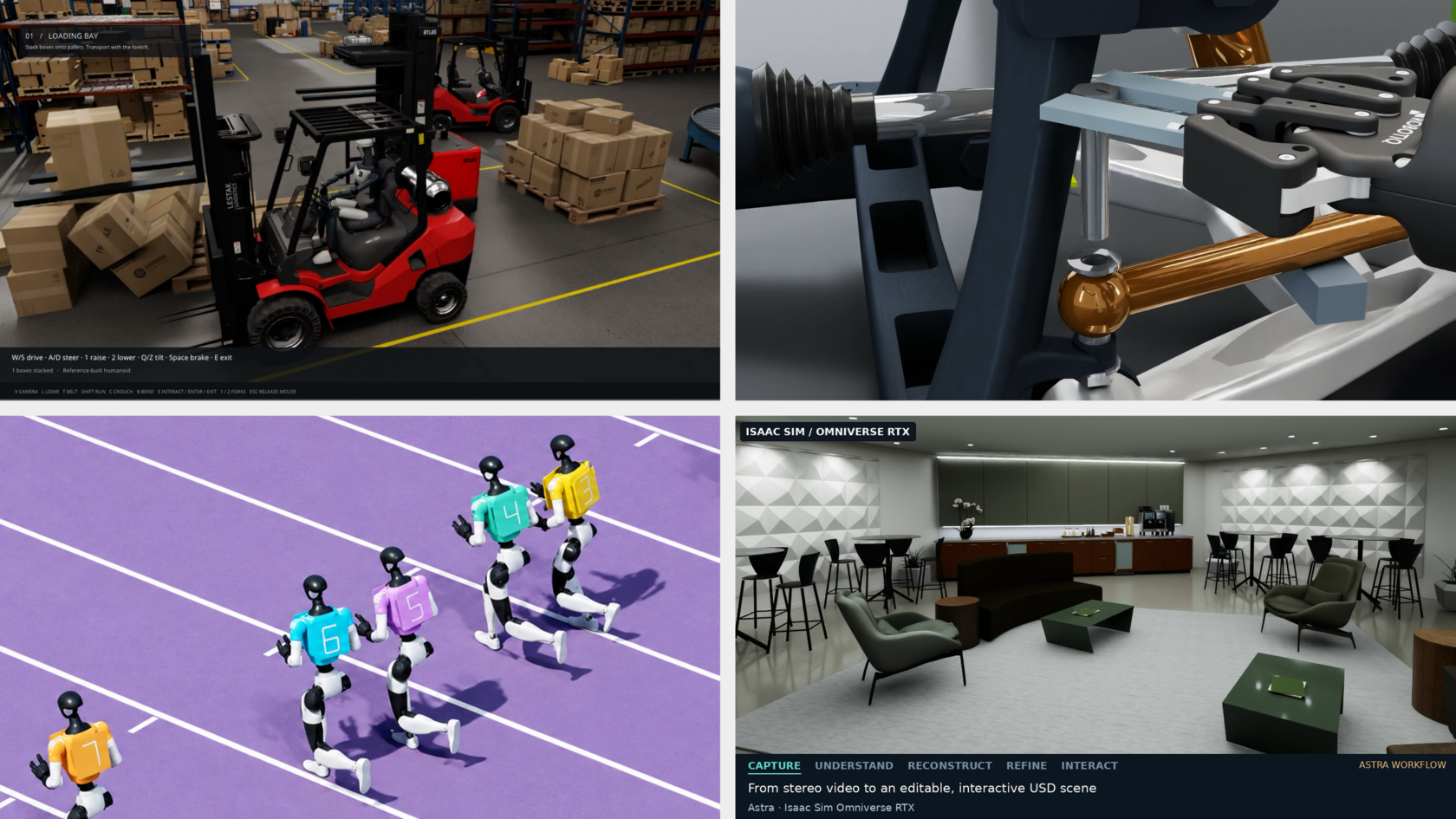
LG Electronics is converting its 33,000-square-metre R&D campus in Seoul's Yangjae district into what the industry is calling a humanoid data factory — the first of its kind in South Korea. Beginning as early as July, up to 300 units of LG's CLOiD home humanoid will run endlessly through mock kitchens, laundry rooms, and factory lines, generating physical-world data needed to train the robot's AI foundation model. Reported investment exceeds 400 billion won ($263 million) through 2030, and CEO Lyu Jae-cheol is said to visit the site weekly. LG is targeting a commercial home robot launch by 2028. Nvidia CEO Jensen Huang separately confirmed a collaboration with LG on humanoid motor technology and AI data-centre architecture.
"Data, not hardware, is increasingly the stall point for humanoid development. Generative AI learns from text and images already on the internet, but a robot cannot scrape the experience of gripping a cup or opening a door. It has to perform the motion and record what happens, over and over."
— The Korea Herald, reporting on LG Electronics' Yangjae humanoid data factory, June 12, 2026
Figure AI Hits One Robot Per Hour — A 24× Manufacturing Leap
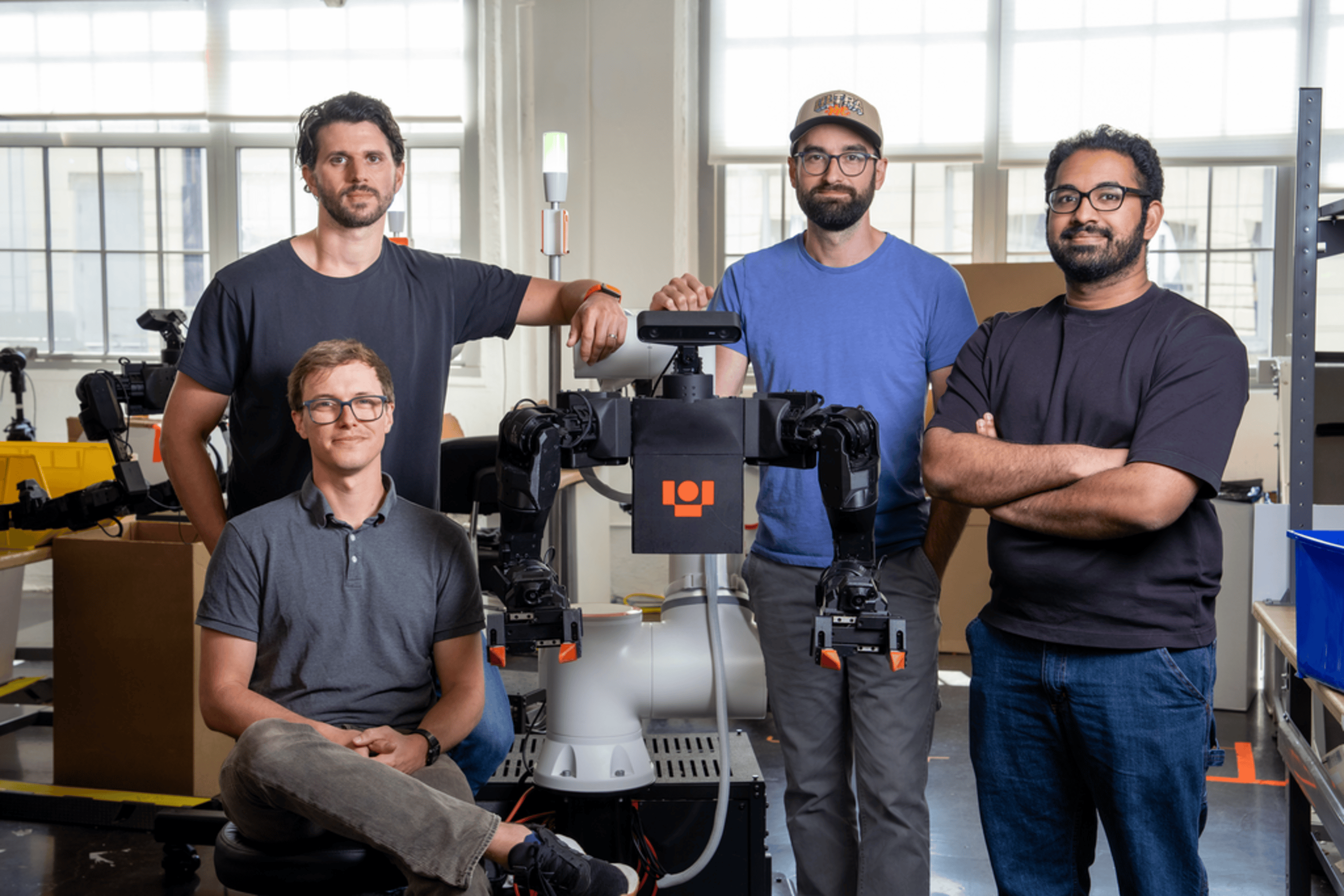
Silicon Valley's Figure AI has achieved what may be the quarter's most technically impressive feat: scaling its BotQ facility from one Figure 03 per day to one per hour — a 24-fold throughput increase in under 120 days. The company has shipped over 350 third-generation units, produced more than 9,000 individual actuators, and puts every robot through 80-plus functional verification tests before sign-off. End-of-line first-pass yield exceeds 80 percent weekly, and the battery line has reached a remarkable 99.3 percent first-pass yield.
Scale here is not just a logistics win — it is a research accelerant. The growing fleet continuously feeds real-world operational data into Helix, Figure's humanoid AI model, surfacing failure modes invisible in lab simulations. The company has also demonstrated perception-conditioned whole-body control: the robot's entire body movement adapts in real time based on live camera input, rather than executing pre-programmed sequences — the difference between a robot that survives a controlled demo and one that thrives on an unpredictable factory floor.
Q: How does Figure's production scale benefit its AI software?
A: A larger fleet generates exponentially more real-world data for training the Helix model — surfacing edge-case failures faster than any lab simulation could, and enabling more robust autonomous behaviour.
Q: What is the Chinese "Humanoid Robot-as-a-Service" model?
A: Rather than buying units outright, enterprises pay a subscription fee to access robot labour, dramatically lowering capital barriers and accelerating the deployment volumes needed to hit China's 10,000-unit year-end target.
China is legislating deployment at scale, South Korea is building the data infrastructure to make robots genuinely intelligent, and the United States is proving the manufacturing playbook to turn prototypes into fleets. These are not parallel experiments — they are three legs of the same industrial transformation, and every indicator suggests the pace will only accelerate from here.
News References:
— "China Targets 10,000 Humanoid Robots in Commercial Use by End-2026," Caixin Global, June 10, 2026. (caixinglobal.com)
— "LG to build Korea's first humanoid 'data factory' to train robots," The Korea Herald, June 12, 2026. (koreaherald.com)
— "Ramping Figure 03 Production," Figure AI Official Blog, April 29, 2026. (figure.ai)