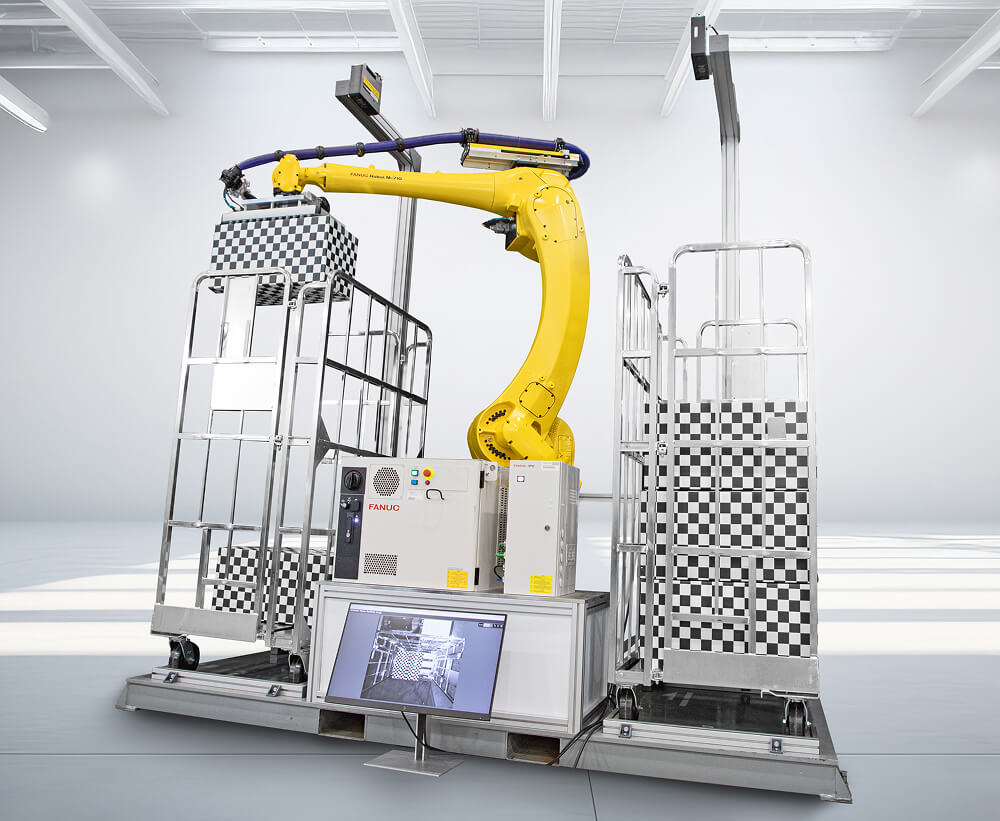
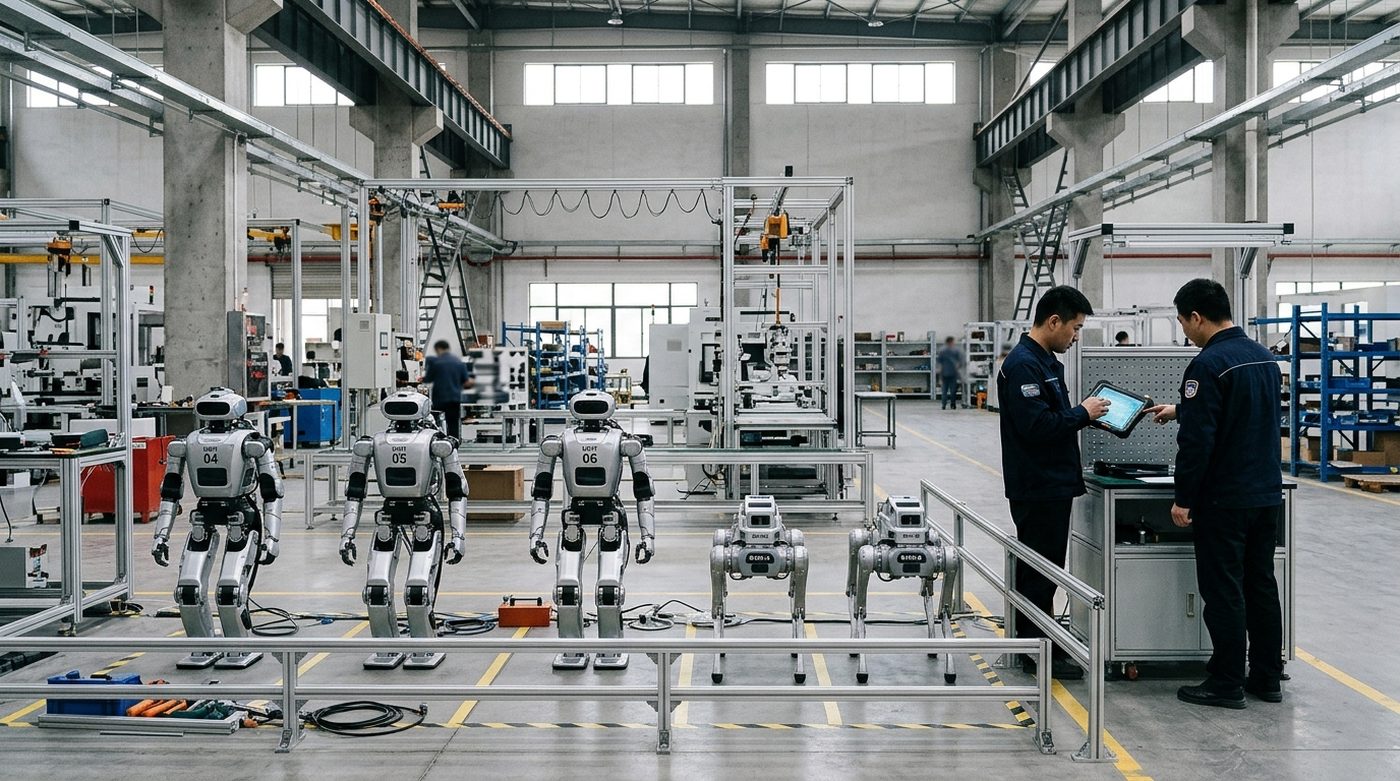
China’s Robot Boom Is Rewriting the Global Manufacturing Map
China is rapidly reshaping global manufacturing by installing more industrial robots than the rest of the world combined, driving higher precision, faster output, and lower costs across industries like electronics and automotive. Its growing automation advantage is pressuring nearby Asian manufacturers and forcing U.S. and European firms to either invest heavily in advanced robotics or risk losing competitiveness to lower-cost Chinese automated production.

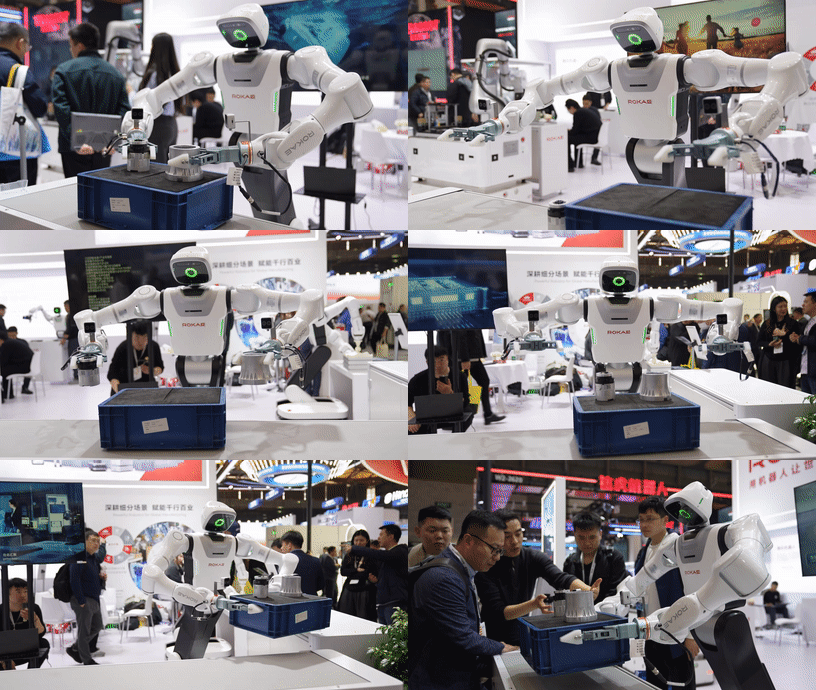
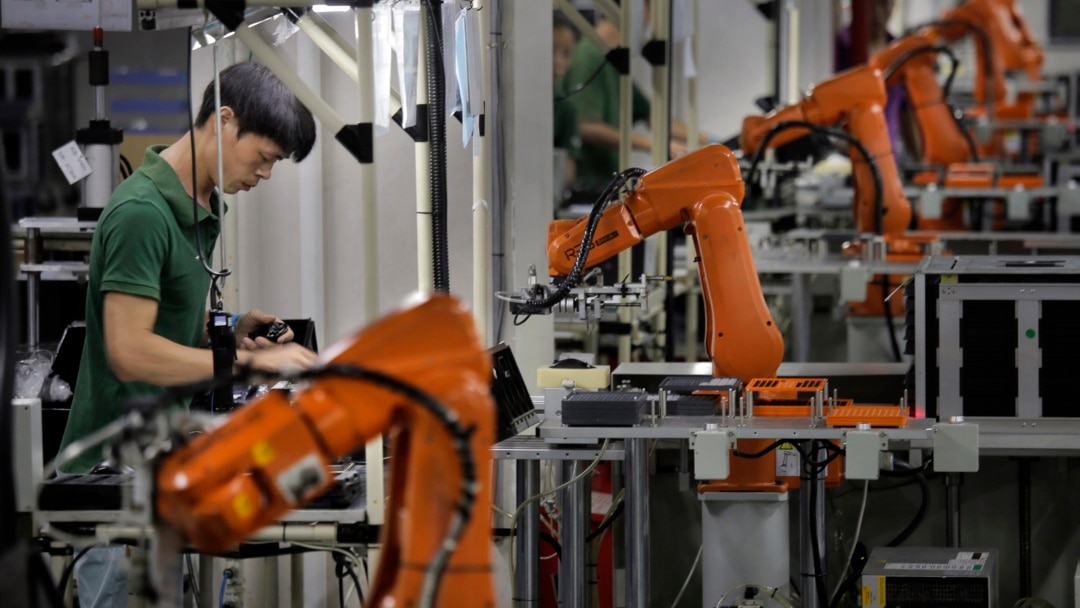
China’s rapid expansion in industrial robotics is transforming production lines worldwide, with the country now installing more robots annually than the rest of the world combined. This shift is driven by ambitious government targets and private investment, allowing factories to achieve unprecedented levels of precision and speed. As automation scales, sectors from electronics to automotive are seeing costs drop while output quality rises.
China’s Installation Dominance
Recent data shows China deployed over 290,000 industrial robots in a single year, representing nearly 50 percent of global totals. These machines often feature collaborative arms capable of 0.02 mm repeatability and AI-driven vision systems that adapt to irregular parts without reprogramming. Domestic leaders such as Estun and SIASUN are closing the gap with foreign rivals on payload capacity and cycle times.
What does higher robot density actually deliver on the shop floor?
It cuts labor costs by up to 30 percent while raising throughput, especially in high-mix electronics assembly.
How quickly are Chinese firms closing the technology gap?
Many now match or exceed Japanese cycle-time benchmarks on mid-range payloads thanks to improved servo motors and local software stacks.
Asia’s Regional Acceleration
Neighboring economies are responding with their own automation programs, yet China’s scale creates a gravitational pull on supply chains. South Korea and Japan still lead in robot density per worker, but new Chinese installations are growing at twice the regional average. This dynamic pressures ASEAN nations to upgrade legacy lines or risk losing contract manufacturing to fully automated Chinese hubs.
China’s trillion-yuan push is not merely catching up; it is setting the pace that others must now follow.
Western Manufacturers Under Pressure
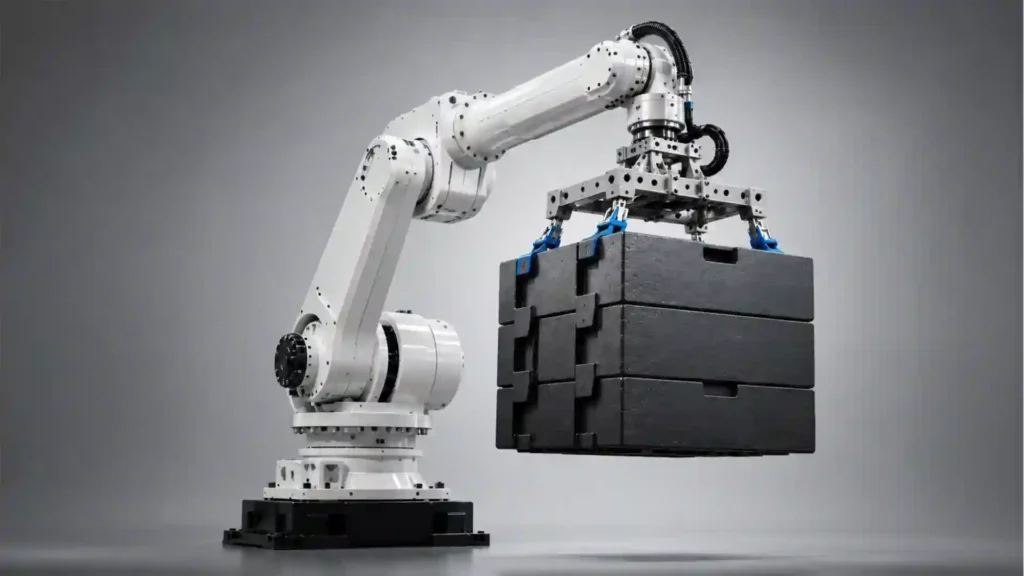
European and U.S. firms face a dual challenge: higher robot prices at home and Chinese competitors exporting complete automated cells at 20–30 percent lower cost. The result is visible in reshoring debates, where even advanced American plants struggle to justify new lines without matching China’s speed-to-deployment advantages.
What strategic choices remain for Western companies?
They can double down on high-end, AI-native systems or form joint ventures that incorporate Chinese hardware with Western software.
The references are drawn from the linked reports and videos on China’s robotics trajectory and global net assessments.
News references:
https://scsp222.substack.com/p/the-re-industrialization-roadblock
https://chinapower.csis.org/china-industrial-robots/
https://www.intralinkgroup.com/latest/intralink-insights/chinas-robotics-boom-can-global-companies-afford-to-ignore-it-1
https://scorecard.scsp.ai/content/robotics/2026/The%20Robotic%20Deficit%20Diagnosing%20US-China%20Robotics%20Net%20Assessment.pdf
https://ifr.org/ifr-press-releases/news/chinas-new-growth-strategy-backed-by-robots
https://www.instagram.com/reel/DPdllZYDApB/?hl=en
https://www.youtube.com/watch?v=Fc-nKxWkYxs
https://www.youtube.com/watch?v=A68a-oIpZ-k
https://www.facebook.com/WSJ/videos/the-robot-revolution-the-new-age-of-manufacturing/10157402497928128/
Posted: October 2024.