Ant Group Leads $74 Million Round for Home Robot Maker Zeroth
Chinese home robotics startup Zeroth has raised about 74 million dollars in pre series A funding led by Ant Group, taking its total funding to roughly 147 million dollars. The round arrives alongside two new full size embodied AI products, Jupiter and N1, and follows a reported 600 percent year over year revenue jump in the first half of 2026.

What Happened
Zeroth, a Chinese embodied AI startup focused on home robots, announced on July 8 that it has raised about 74 million dollars, roughly 500 million yuan, in pre series A financing. The round was led by Ant Group, the financial technology affiliate best known for operating the Alipay platform, with participation from Geely Capital, 37 Interactive Entertainment, Hua Capital, and existing backer Monolith, which increased its stake. The new capital brings Zeroth's total funding to date to about 147 million dollars, or roughly 1 billion yuan.
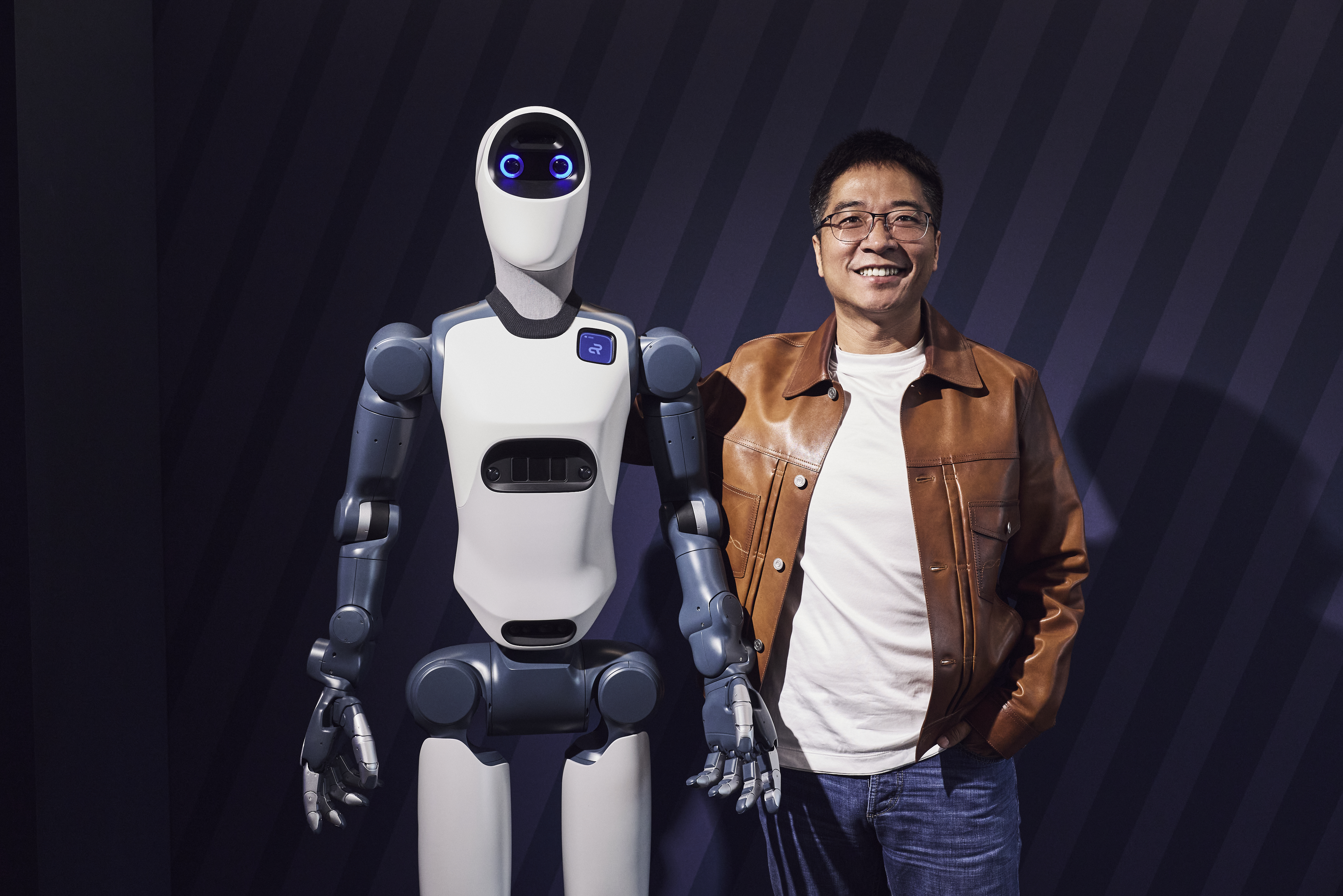
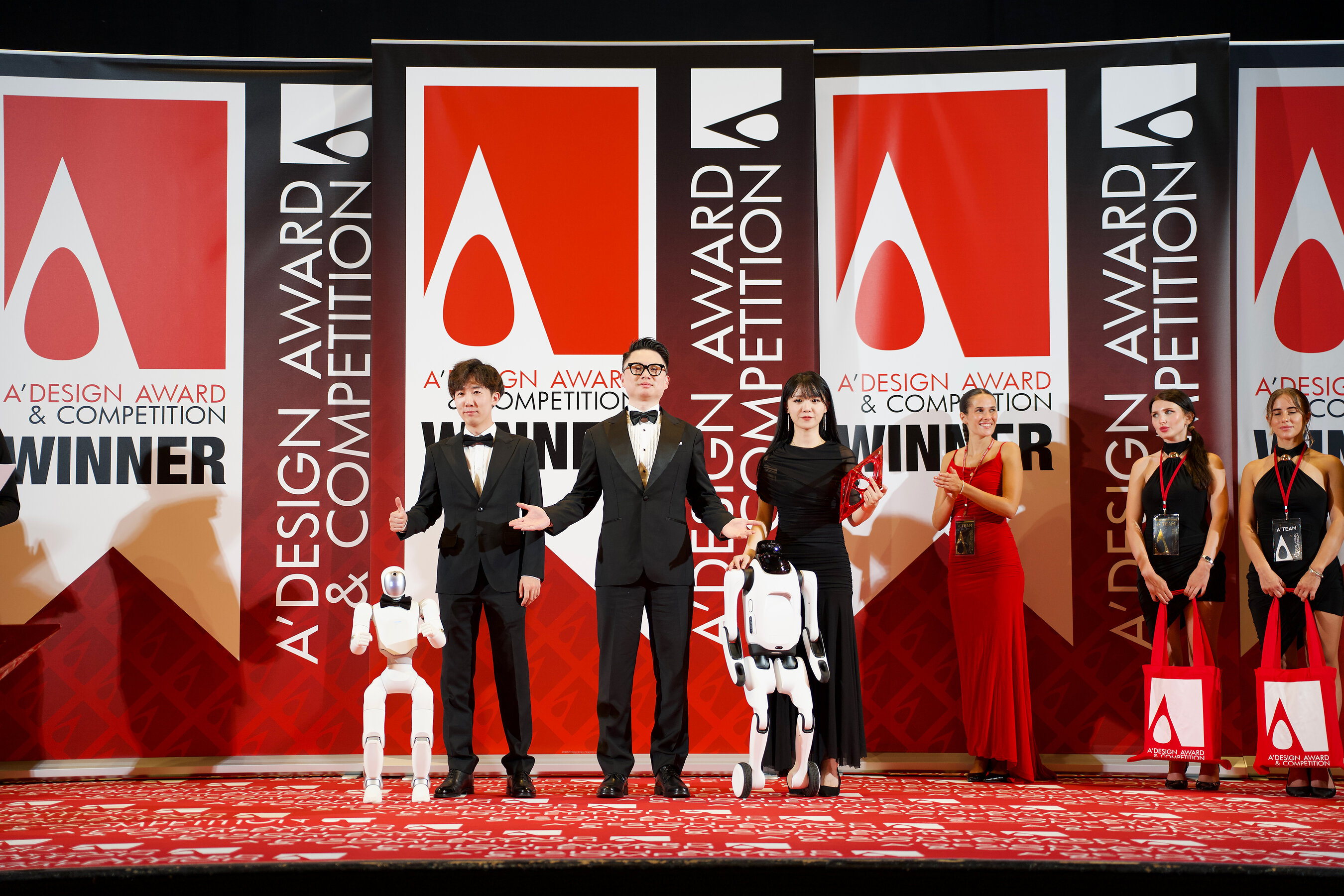
Alongside the funding news, Zeroth introduced two new full size embodied AI products. Jupiter is positioned as a long term home companion humanoid built for general intelligence tasks around the house. N1 is a collaborative robot that uses a heterogeneous robotic arm system designed specifically for home environments. The company said it plans to launch a broader physical AI ecosystem for humanoid robots later in 2026.
What Did Zeroth Announce
On July 8, 2026, Chinese home robotics startup Zeroth announced roughly 74 million dollars in pre series A funding led by Ant Group, bringing its total funding to about 147 million dollars. Zeroth also introduced two new products, the Jupiter home companion humanoid and the N1 collaborative home robot, alongside reported 600 percent revenue growth in the first half of 2026.
Who Is Zeroth
Zeroth is not yet a widely recognized name outside China's robotics investment circles, which makes its background worth outlining. The company positions its mission as building embodied robots for the home that can act as long term companions rather than single purpose gadgets, targeting early childhood education, smart home management, and pet companionship as initial use cases through its existing M1 and W1 robots.
According to the company's own figures, Zeroth has surpassed 30,000 robot orders and reported 600 percent year over year revenue growth in the first half of 2026. Those are strong self reported numbers for a company still at the pre series A stage, and they help explain why strategic investors such as Ant Group and automaker backed Geely Capital joined the round instead of purely financial venture funds. Zeroth describes the new financing as weighted toward strategic and industry partners rather than typical growth equity investors, a structure that suggests the company is building distribution and technology partnerships alongside cash.
The Technology Bet Behind the Funding
Zeroth said the new capital will fund six core technology areas: biomimetic cognitive models, structural innovation, world models, vision language action models, actuator modules, and in house robotic arms. That list mirrors the technology stack that most serious humanoid and home robot developers are racing to build internally rather than buy from suppliers, since actuators and vision language action models are widely seen as the components that determine how naturally a robot can move and follow instructions.
Building actuators and robotic arms in house, rather than sourcing them from component suppliers, is a capital intensive choice that only makes sense if a company expects to ship robots at meaningful volume. Zeroth's claimed order backlog and revenue growth support that bet, though as with most early stage robotics figures, independent verification of unit shipments and revenue recognition is not available from outside sources.
Where Home Robots Fit in China's Broader Robotics Push
Zeroth's fundraising lands in the middle of an unusually active period for Chinese home and companion robotics. Regulators are simultaneously tightening rules on emotionally engaging AI chatbots to curb dependency risks, while consumer facing humanoid launches, including emotionally responsive companion robots shown publicly in Shenzhen, continue to draw large crowds and media coverage. Zeroth's Jupiter, explicitly framed as a long term home companion, sits inside that same wave of products trying to combine physical presence with ongoing emotional engagement, an area regulators are watching closely even as investors keep funding it.
The involvement of Ant Group is also notable because it extends a pattern seen elsewhere in Chinese embodied AI, where large technology and financial groups fund and sometimes directly operate robotics units rather than leaving the category entirely to venture backed startups. Ant's own robotics unit, Robbyant, focuses on foundation models rather than home robots, so the Zeroth investment reads as a bet on a downstream consumer product rather than a direct extension of Ant's existing robotics research.
The Bigger Signal
Home and companion robots have historically struggled to justify their price points against simpler smart home devices, since a home robot needs to combine mobility, manipulation, and conversational ability all at once to feel worth the cost. Zeroth's reported 600 percent revenue growth, if it holds up as the company scales past 30,000 orders, would be an early signal that Chinese consumers are starting to pay for embodied companions rather than only trying them as novelties.
The bigger structural story is that home robotics is now attracting the same category of strategic capital, from payments groups to automakers, that has already poured into industrial and logistics humanoids. If that capital keeps flowing, the home robot segment could professionalize faster than earlier consumer robotics cycles, such as home vacuum robots, which took years to reach mass adoption.
Strategic Perspective
For component suppliers and integrators, Zeroth's decision to build actuators and robotic arms in house is a reminder that the most well funded home robot makers are moving away from off the shelf hardware components as they scale, which narrows the addressable market for third party actuator suppliers over time. For investors and competitors watching the segment, the mix of strategic backers in this round, rather than pure financial investors, suggests Zeroth is being positioned for distribution partnerships as much as for a future funding round, worth watching for retail, insurance, or platform tie ins tied to Ant Group's existing consumer reach.
Market Context: Home Robotics Funding in 2026
Zeroth's round lands inside a broader wave of Chinese home and personal robotics fundraising in 2026. Domestic embodied intelligence companies overall have seen financing rounds accelerate through the year, with state linked investment funds joining early stage rounds alongside traditional venture capital, a pattern that has repeated across categories from industrial humanoids to home companions. Zeroth's backers, spanning a payments and technology conglomerate in Ant Group, an automaker in Geely, and a gaming and entertainment company in 37 Interactive Entertainment, illustrate how widely capital for embodied AI is now being sourced from outside traditional robotics or even traditional technology investors.
That breadth of strategic backing can be an advantage for distribution, since Geely's automotive retail network and Ant Group's payments and lifestyle app ecosystem both offer plausible channels for selling a home companion robot directly to consumers, something pure venture backed competitors would need to build from scratch. It also means Zeroth's success will be watched closely as a signal of whether cross-industry strategic investment produces better commercial outcomes than traditional robotics-focused venture capital in this category.
Pricing details for Jupiter and N1 were not disclosed alongside the funding announcement. Public pricing information for Zeroth's existing M1 and W1 robots is limited to company statements rather than independently verified retail listings, and RobotAIGeek was unable to confirm exact consumer pricing at the time of writing. Readers considering a purchase should confirm current pricing directly through Zeroth's official channels rather than relying on secondary estimates.
What to Watch Next
The clearest test of Zeroth's fundraising story will come from actual shipment and customer feedback data once Jupiter and N1 begin reaching households later this year, rather than the order and revenue growth figures the company has self reported so far. Prospective buyers and industry watchers should look for three things: independent reviews of Jupiter's actual conversational and mobility performance once units ship, confirmation of whether the six core technology areas Zeroth listed, particularly in house actuators and robotic arms, translate into measurable reliability advantages over robots using third party components, and whether Ant Group's promised physical AI ecosystem for humanoid robots, expected later in 2026, includes other hardware partners beyond Zeroth itself. A broader ecosystem announcement would suggest Ant Group sees home embodied AI as a platform play similar to Robbyant's open source foundation model strategy, rather than a single company bet.
The Industry Reality
Coverage of Chinese embodied AI funding rounds often treats large headline numbers, hundreds of millions of yuan, hundred percent revenue growth figures, as settled fact rather than company reported claims. Zeroth's 30,000 order figure and 600 percent revenue growth number both come from the company itself, not from an independent auditor or a filed regulatory disclosure, which is standard for a private company at this funding stage but worth stating plainly. None of this means the numbers are wrong. It means readers, especially potential business partners or competitors sizing up the threat Zeroth poses, should treat pre series A company statements as directionally informative rather than audited fact, and watch for confirmation once Zeroth reaches a larger funding round that typically requires more rigorous financial disclosure to new institutional investors.
The Bottom Line
Zeroth's next test will be turning its reported order backlog into fulfilled, reviewed shipments of Jupiter and N1 once they reach customers later this year, since strong pre series A numbers mean little in home robotics until real households are living with the product day to day.
Source Evidence
The AI Insider: https://theaiinsider.tech/2026/07/08/chinas-humanoid-robot-maker-zeroth-announces-74m-in-pre-series-a-funding/
Zeroth official announcement: https://www.zeroth0.com/blogs/news/zeroth-secures-nearly-500-million-yuan-in-pre-a-financing-hits-1-billion-yuan-total-funding-to-lead-home-embodied-ai-1